How to Treat Tail Rot Betta Fish
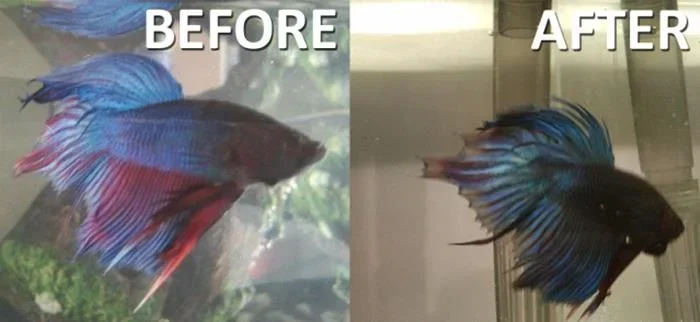
Tail rot in betta fish is a common but treatable condition caused by bacterial or fungal infections that damage the tail tissue. Early detection and quick action with salt baths, clean water, and proper care can save your betta’s tail and fins. This guide covers everything from symptoms and treatment steps to prevention and recovery tips.
If you’ve noticed your betta fish’s tail looking ragged, discolored, or frayed, you might be dealing with tail rot. This is one of the most common health issues betta fish owners face, and it can be scary when you first see it. The good news is that tail rot betta fish cases are very treatable, especially when you catch them early.
Tail rot happens when harmful bacteria or fungi eat away at your betta’s tail tissue. It can start small but spread quickly if you don’t act fast. In this article, we’ll walk you through everything you need to know about treating tail rot in betta fish, from spotting the first signs to preventing it from ever coming back. Whether you’re a new betta owner or have been keeping fish for years, this guide will give you the tools you need to help your fish heal.
Key Takeaways
- Identify tail rot early: Look for frayed or discolored tail edges before the condition worsens and becomes harder to treat.
- Use salt baths as a first-line treatment: Aquarium salt helps fight mild bacterial and fungal infections naturally and safely.
- Improve water quality immediately: Dirty water is the number one cause of tail rot in betta fish and must be fixed right away.
- Know when to visit a vet: Severe or advancing cases may need antibiotics or professional care from an aquatic specialist.
- Prevention is always better than cure: Regular tank maintenance, stable temperatures, and clean water keep your betta healthy and tail rot-free.
- Fin regrowth takes time: Be patient and consistent with treatment for the best results, as full healing can take several weeks.
📑 Table of Contents
What Is Tail Rot in Betta Fish?
Tail rot, also called tail decay or fin rot, is a condition where the tissue on your betta’s tail starts to break down. The edges of the tail become ragged, white, or even red. It’s caused by harmful bacteria like Aeromonas or Pseudomonas, and sometimes by fungal infections that take advantage of weakened fish. If you’ve ever dealt with fin rot betta fish issues, you know how fast these infections can progress.
Your betta’s tail is more than just beautiful. It’s a sensitive part of their body that can get infected easily. Poor water conditions, stress, and injuries all make betta fish tail rot more likely. The bacteria thrive in dirty water, so tank maintenance plays a huge role in prevention. Understanding what causes tail rot is the first step toward treating it effectively.
Common Causes of Tail Rot
Several things can trigger tail rot in your betta. Here are the most common causes:
- Poor water quality: Ammonia and nitrite buildup in the tank damages your betta’s tail tissue over time. Dirty water is the leading cause of most betta fish diseases.
- Overcrowded tanks: Too many fish creates stress and spreads bacteria faster. Betta fish need space to thrive.
- Physical injuries: Sharp decorations or rough handling can open the door for infections. Even a small wound can become a serious problem.
- Cold water temperatures: Betta fish need warm water between 78 and 80 degrees Fahrenheit. Cold temperatures weaken their immune system significantly.
- Stress from tankmates: Aggressive fish can nip at betta tails, causing wounds that become infected. Always research tank compatibility carefully.
Signs and Symptoms of Tail Rot
Early Warning Signs
Catching tail rot early makes treatment much easier. Watch for these early symptoms of betta fish tail rot:
- Frayed or split tail edges: The tail fin starts looking uneven or ragged, almost like it’s tearing apart.
- White or gray edges: A pale or discolored line appears along the tail’s edge, signaling tissue damage.
- Slight redness: The base of the tail may look pink or inflamed, indicating early infection.
- Reduced fin movement: Your betta may swim less or keep its tail still, which is unusual for this active species.
If you notice any of these signs, start treatment right away. The sooner you act, the better your betta’s chances of a full recovery. Many owners miss these early signals because they happen gradually, so make it a habit to observe your betta daily.
Advanced Symptoms
If tail rot progresses, the symptoms get noticeably worse. Look out for these advanced signs of betta fish infection:
- Black or brown edges on the tail: Dead tissue starts to form along the fin edges, which is a clear sign of advanced rot.
- Tail shortening: The tail actually gets shorter as tissue dies and falls off. This is a serious stage of the condition.
- Foul smell: A bad odor from the tank can indicate advanced bacterial infection that needs immediate attention.
- Loss of appetite: Your betta stops eating or shows no interest in food, which signals that the infection is affecting their overall health.
- Lethargy: Your fish stays at the bottom of the tank and barely moves, which is a very concerning sign.
At this stage, you need to take action immediately. Advanced tail rot can lead to more serious health problems, and in severe cases, it can be fatal. If you’ve noticed these symptoms for more than a few days, don’t wait. Start treatment right away and consider consulting a vet.
How to Treat Tail Rot Betta Fish
Treating tail rot betta fish requires a clear, step-by-step plan. The approach depends on how severe the infection is. Mild cases often respond well to home remedies, while advanced cases may need medication or professional care. Here’s everything you need to know.
Step-by-Step Treatment Plan
Follow these steps for the best results when treating tail rot:
- Step 1: Quarantine your betta. Move your betta to a separate hospital tank. This prevents the infection from spreading to other fish and makes treatment easier. A betta fish quarantine tank also reduces stress, which helps your fish focus on healing.
- Step 2: Test the water. Check ammonia, nitrite, and nitrate levels. Any spikes need to be addressed before treatment begins. Clean water is the foundation of recovery. Use a liquid test kit for accurate readings.
- Step 3: Perform a water change. Replace 50% of the water in the treatment tank with freshly conditioned water. This removes harmful toxins and creates a cleaner environment for healing.
- Step 4: Add aquarium salt. Use aquarium-specific salt at the recommended dosage. Salt helps draw out bacteria and supports fin healing. Never use table salt, as it contains additives that can harm your fish.
- Step 5: Monitor daily. Check your betta every day for changes. Take photos to track progress over time. This helps you see what’s working and what needs adjustment.
Home Remedies for Mild Cases
For mild tail rot betta fish cases, you can try these home remedies before turning to medication:
- Salt bath treatment: A salt bath for betta fish is one of the most effective natural treatments. Mix aquarium salt into a separate container of tank water and let your betta soak for 10 to 15 minutes daily. This draws out bacteria and promotes healing.
- Indian almond leaves: These release natural compounds that fight bacteria and reduce stress. Add a few dried leaves to the treatment tank. Many experienced aquarists swear by this method for mild infections.
- Clean water maintenance: Frequent small water changes of 20 to 30% every other day keep the environment clean and support healing. Dirty water will slow down recovery significantly.
- Elevated temperature: Slightly raising the tank temperature to 80 to 82 degrees Fahrenheit boosts your betta’s immune response and helps fight infection naturally.
These remedies work best for early-stage tail rot. If the condition doesn’t improve within a week, move on to medication. Don’t wait too long, because mild cases can become serious quickly.
When to See a Vet
Sometimes home remedies aren’t enough. You should consult a vet if:
- The tail rot spreads despite treatment after 5 to 7 days.
- Your betta stops eating completely for more than two days.
- You notice red streaks or open wounds on the tail.
- The infection spreads to the body or other fins.
A vet can prescribe betta fish antibiotics like tetracycline or kanamycin. These medications target the bacteria causing the infection directly. For guidance on using these medications safely, check out our article on how to use tetracycline for betta fish. Don’t wait too long to seek professional help, because advanced tail rot becomes much harder to treat the longer you wait.
Prevention Tips for Tail Rot
Water Quality Management
Clean water is your best defense against betta fish tail rot. Here’s how to maintain excellent water quality:
- Test water weekly: Use a liquid test kit to check ammonia, nitrite, and nitrate levels. Keep ammonia and nitrite at zero at all times. These toxins are invisible but deadly.
- Perform regular water changes: Replace 25 to 30% of the water every week. This removes waste and keeps parameters stable. Consistency is key to preventing bacterial infections.
- Use a water conditioner: Always treat tap water before adding it to the tank. Proper betta fish water care starts with removing chlorine and chloramine that can harm your fish.
- Clean the substrate: Vacuum the gravel during water changes to remove trapped debris and fish waste. Waste buildup creates the perfect environment for harmful bacteria.
Good water quality alone prevents most cases of tail rot. It’s the single most important thing you can do for your betta’s overall health. Make it a routine, and your fish will thank you.
Proper Tank Setup
A well-designed tank reduces stress and keeps your betta healthy. Follow these setup tips:
- Tank size: At least 5 gallons for a single betta. Larger tanks are even better for stable water parameters and more swimming room.
- Heater: Keep the water temperature between 78 and 80 degrees Fahrenheit using a reliable aquarium heater. Temperature swings can stress your fish and weaken their immune system.
- Filter: Use a gentle sponge filter that won’t create strong currents. Betta fish prefer calm water and can struggle in powerful filter flows.
- Soft decorations: Avoid sharp plastic plants or rough surfaces that can tear fins and create entry points for bacteria. Silk plants are a great alternative.
- No aggressive tankmates: Keep your betta solo or with peaceful, non-nippy species. Fin nipping from other fish is a common cause of tail injuries that lead to rot.
Recovery and Fin Regrowth
Timeline for Healing
Once you start treatment, here’s what the betta fish recovery timeline typically looks like:
- Days 1 to 3: You may see the redness decrease and your betta start eating again. This is a positive sign that treatment is working.
- Days 4 to 7: The white or discolored edges should start to recede as new tissue grows. The tail edges will look cleaner and healthier.
- Week 2 to 3: New fin growth becomes visible. You may see small translucent edges forming along the tail.
- Week 4 and beyond: Full regrowth can take 4 to 6 weeks depending on the severity of the rot. Be patient and keep up with your treatment routine.
Every betta heals at a different pace. Some fish bounce back quickly, while others need more time. The key is to stay consistent with your care and not give up too early.
Supporting Your Betta During Recovery
Helping your betta recover goes beyond just treating the infection. Here are some tips to support healing:
- Feed high-quality food: Offer a varied diet of betta pellets, frozen bloodworms, and brine shrimp to boost nutrition. Good nutrition fuels the immune system and supports tissue repair.
- Reduce stress: Keep the tank in a quiet area away from loud noises and bright lights. Stress slows down healing significantly.
- Maintain stable parameters: Avoid sudden changes in temperature or water chemistry during recovery. Stability helps your betta focus its energy on healing.
- Consider immune boosters: Some aquarists use vitamins or immune boosters to speed up the healing process. These can be found at most pet stores.
For tips on building your betta’s strength during recovery, check out our guide on how to make your betta fish stronger. A strong immune system is the best long-term defense against tail rot and other diseases. Strong, healthy fish are far less likely to develop infections in the first place.
Common Mistakes to Avoid
Even experienced betta owners make mistakes when treating tail rot. Here are the most common ones to avoid:
- Using table salt instead of aquarium salt: Table salt contains additives like iodine and anti-caking agents that can harm your fish. Always use pure aquarium salt specifically designed for fish tanks.
- Skipping water changes: Dirty water will undo any progress you make with treatment. Stay consistent with water maintenance, even when things start looking better.
- Moving too fast with medication: Start with mild treatments like salt baths before jumping to strong antibiotics. Overmedicating can stress your betta and harm beneficial bacteria in the tank.
- Ignoring the root cause: If you don’t fix the water quality or tank setup, tail rot will come back even after treatment. Treating the symptom without fixing the cause is a waste of time.
- Quarantining too late: The moment you notice symptoms, isolate your betta. Waiting gives the infection time to spread to other fish in the tank.
Avoiding these mistakes gives your betta the best chance at a full and speedy recovery. Learn from these common errors and set yourself up for success.
Final Thoughts on Treating Tail Rot Betta Fish
Dealing with tail rot betta fish can be stressful, but it’s absolutely manageable with the right approach. The key is to act quickly, keep the water clean, and stick with your treatment plan. Most bettas recover fully from mild to moderate tail rot when you catch it early and respond properly. Don’t panic if you notice the first signs. Take action, follow the steps in this guide, and give your fish the best chance at healing.
Remember that prevention plays a huge role too. Regular water changes, a clean tank, and a healthy diet go a long way in keeping tail rot betta fish problems from ever starting. Your betta depends on you for its well-being, and a little daily care goes a long way toward a long, happy, and healthy life. Start applying these tips today, and your betta will thank you with vibrant, beautiful fins for years to come.
Frequently Asked Questions
Can tail rot betta fish survive without treatment?
Mild cases may improve slightly on their own, but most tail rot infections will worsen without treatment. The bacteria that cause tail rot don’t go away on their own, and the condition will continue to eat away at the tail tissue. Always take action as soon as you notice symptoms to give your betta the best chance of survival and full recovery.
How long does it take for a betta fish’s tail to grow back after tail rot?
Fin regrowth typically takes 4 to 6 weeks for mild to moderate tail rot. Severe cases where a large portion of the tail was lost may take 8 weeks or longer. The regrowth process depends on your betta’s age, overall health, water quality, and how quickly you started treatment. Be patient and consistent with care during this time.
Is aquarium salt safe for all betta fish?
Yes, aquarium salt is generally safe for betta fish when used at the correct dosage. Most bettas tolerate salt baths well, especially for short periods of 10 to 15 minutes. However, some sensitive bettas may react negatively, so always monitor your fish during salt treatments. Start with a lower concentration and increase gradually if needed.
Can I treat tail rot with over-the-counter medications?
Yes, there are many effective over-the-counter medications designed specifically for betta fish fin and tail rot. Products containing kanamycin, tetracycline, or melafix are popular choices. For mild cases, salt baths and improved water quality may be enough before reaching for medication. Always follow the dosage instructions on the product label carefully.
What is the difference between tail rot and fin rot in betta fish?
Tail rot specifically affects the tail fin, while fin rot can affect any fins including the pectoral, dorsal, and anal fins. Both conditions are caused by similar bacteria and fungi and share many of the same symptoms and treatment methods. The terms are often used interchangeably, but the location of the infection on your betta’s body helps determine whether it’s specifically tail rot or a broader fin rot issue.
How can I prevent tail rot from coming back after treatment?
The best prevention is maintaining excellent water quality through regular water changes and testing. Keep the tank temperature stable between 78 and 80 degrees Fahrenheit, avoid sharp decorations that can injure fins, and feed a balanced diet to support a strong immune system. Quarantine new fish before adding them to your tank, and always treat water with a conditioner before adding it to the aquarium. These simple habits will go a long way in keeping your betta healthy and tail rot-free.