How Much Is Betta Fish in the Philippines

Betta fish prices in the Philippines vary widely based on species, quality, and where you buy them. Learn how much you’ll pay, what influences cost, and where to find the best deals without compromising your fish’s health.
Key Takeaways
- Price range: Expect PHP 150‑2,500 for common varieties and up to PHP 5,000+ for rare or show‑grade bettas.
- Factors that matter: Species, coloration, fin type, age, and source (store vs. breeder) all affect price.
- Best buying spots: Local pet shops, online marketplaces, and reputable breeders each have pros and cons.
- Hidden costs: Tank, heater, food, and health supplies add 30‑50% to the initial outlay.
- Quality over price: Healthy, well‑cared bettas cost a bit more but save you money on vet care.
- Seasonal deals: Look for promotions during holidays and “betta weeks” for discounts.
- Legal note: Importing wild‑caught bettas is illegal; stick to captive‑bred stock.
📑 Table of Contents
- Introduction: Why the Price of a Betta Fish Matters
- 1. The Price Spectrum: From Budget to Premium
- 2. What Drives the Cost?
- 3. Where to Buy Betta Fish in the Philippines
- 4. Hidden Costs: What Else Do You Need?
- 5. Tips for Getting the Best Value
- 6. Budget Planning: How Much Should You Expect to Spend?
- Conclusion: Smart Spending for a Happy Betta
Introduction: Why the Price of a Betta Fish Matters
If you’ve ever walked into a pet store in Manila or searched “how much is betta fish in the Philippines,” you’ve probably seen a wild spread of prices. Some sellers tag a tiny, dull‑colored fish for as low as PHP 150, while others showcase a dazzling, long‑fin specimen that can cost several thousand pesos. The price you pay isn’t just a number; it tells a story about the fish’s genetics, health, and the care it has already received.
Understanding the price landscape helps you avoid cheap, unhealthy fish that may die quickly, and it also prevents you from overpaying for a pet that doesn’t need a premium tag. In this guide we’ll break down every factor that influences cost, show you where to shop smart, and give you a realistic budget plan for a thriving betta aquarium.
1. The Price Spectrum: From Budget to Premium
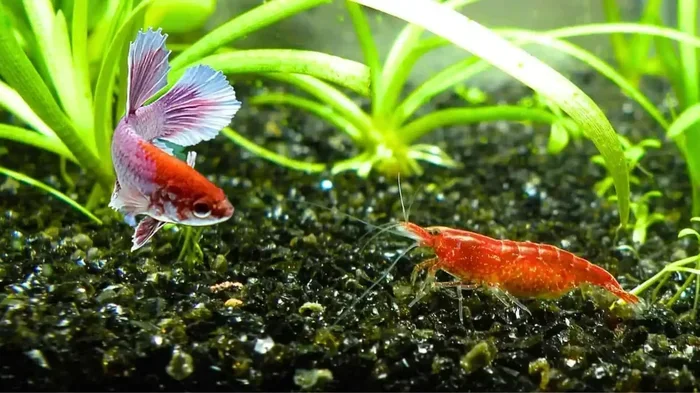
Betta fish (Betta splendens) come in many shapes, colors, and fin types. Below is a quick snapshot of the typical price brackets you’ll encounter in the Philippines.

Visual guide about How Much Is Betta Fish in the Philippines
Image source: logo9.net
Common / “Starter” Bettas (PHP 150‑500)
- Basic solid colors (red, blue, white).
- Short or medium fins (standard “crowntail” or “half‑moon”).
- Often sold in bulk, sometimes with minimal health checks.
Mid‑Range Bettas (PHP 500‑1,500)
- Richer coloration, semi‑metallic or marbled patterns.
- Better fin development (full‑tail, veil).
- Usually sourced from local breeders who provide a health guarantee.
Show‑Quality / Rare Bettas (PHP 1,500‑5,000+)
- Exotic varieties: “Koi,” “Galaxy,” “Dragon,” or double‑tail mutants.
- Perfect symmetry, flawless fins, vibrant iridescence.
- Often awarded in local competitions, coming from specialized breeders.
These ranges are not set in stone. Prices can spike during holidays, special “betta weeks,” or when a particular strain becomes trendy on social media.
2. What Drives the Cost?
Several key elements shape the final price tag. Knowing them helps you assess whether a betta is worth the asking price.
Visual guide about How Much Is Betta Fish in the Philippines
Image source: decoxdesign.com
2.1 Species and Strain
While all pet bettas belong to the same species, selective breeding has produced countless strains. “Half‑moon” and “double‑tail” fin types usually cost more because they require careful genetic pairing and extra care during growth.
2.2 Color and Pattern
Solid colors are the most affordable. Metallic, opalescent, or multi‑color “koi” patterns demand more breeding effort, raising the price. Rare patterns like “dragon” or “galaxy” can double or triple the cost of a standard fish.
2.3 Age and Size
Most bettas are sold at 2‑3 months old, when they are small but already displaying their adult coloration. Larger, fully grown specimens (4‑5 months) often fetch a premium because they have proven their growth potential.
2.4 Health and Certification
Reputable breeders provide a health certificate and a short quarantine period. A healthy fish reduces the risk of costly treatments later. This added assurance is reflected in the price.
2.5 Source: Store vs. Breeder vs. Online Marketplace
Pet shops in malls often have higher mark‑ups to cover rent and staff. Independent breeders may sell directly at lower prices but require you to travel. Online platforms like Shopee or Lazada can offer competitive rates, yet you must vet the seller’s reputation.
2.6 Seasonal Promotions
During “Betta Week” (usually in August) many stores run 10‑20% discounts. Keeping an eye on social media pages of local shops can net you a great deal.
3. Where to Buy Betta Fish in the Philippines
Choosing the right buying venue balances cost, convenience, and fish health. Below are the most common options.

Visual guide about How Much Is Betta Fish in the Philippines
Image source: hotelandresortthailand.com
3.1 Large Pet Chains (e.g., Petsmart, Pet Warehouse)
These stores have a wide selection and often run promotions. Prices tend to be on the higher side, but you get the benefit of a clean environment and staff who can answer basic care questions. For a quick price check, see the article How Much Are Betta Fish At Petsmart.
3.2 Local Neighborhood Pet Shops
Smaller shops in barangays often have lower prices, especially for common varieties. However, quality control varies, so inspect the fish’s fins, eyes, and swimming behavior before buying.
3.3 Dedicated Breeders
Visiting a breeder’s facility gives you a chance to see the fish in a natural, well‑maintained setting. Breeders can explain lineage, feeding regime, and tank setup. Prices may be slightly higher than a street vendor, but the health guarantee is worth it.
3.4 Online Marketplaces
Websites like Shopee, Carousell, and Facebook Marketplace list bettas from both hobbyists and professional breeders. Look for sellers with high ratings and clear photos of the fish’s fins and coloration. Always ask for a short video of the fish swimming before finalizing the purchase.
3.5 Fish Fairs and Competitions
Annual fish fairs in cities such as Quezon City and Davao showcase premium bettas. Prices are higher, but you can meet the breeders face‑to‑face and often negotiate a discount for multiple purchases.
4. Hidden Costs: What Else Do You Need?
Buying the fish is just the first step. A healthy betta needs a proper environment, food, and occasional health care. These expenses typically add 30‑50% to your initial budget.
4.1 Tank and Accessories
- Tank size: Minimum 5‑10 gallons (19‑38 L) is recommended. Smaller bowls look cute but cause stress and health issues.
- Heater: Bettas are tropical; a 25‑30 °C heater is essential in cooler climates.
- Filter: A gentle sponge filter keeps water clean without creating strong currents.
- Cover: Bettas love to jump; a lid prevents accidental escapes.
4.2 Water Conditioner and Test Kits
Tap water in the Philippines contains chlorine and sometimes high hardness. Use a water conditioner to neutralize chemicals. Test kits help you monitor ammonia, nitrite, and pH levels. For guidance on water needs, read How Much Water Does A Betta Fish Need.
4.3 Food
High‑quality betta pellets, frozen or live brine shrimp, and occasional bloodworms provide balanced nutrition. Overfeeding is a common mistake; feed 2‑3 small pellets once or twice daily. See How Much Should A Betta Fish Eat for detailed feeding tips.
4.4 Health Care
Even healthy bettas can develop fin rot, dropsy, or fungal infections. Having a small stock of aquarium salt, antifungal medication, and a basic first‑aid kit can save you money on veterinary visits. Learn how to treat common ailments in How To Treat Dropsy In Betta Fish.
4.5 Ongoing Costs
Monthly electricity for the heater and filter, plus periodic water changes (about 25% weekly), are ongoing expenses. Budget around PHP 300‑500 per month for a single betta setup.
5. Tips for Getting the Best Value
Now that you know what influences price, here are practical steps to secure a healthy betta without breaking the bank.
5.1 Do Your Homework
Research the strain you want. Knowing the typical price range prevents you from overpaying. Use reputable forums and the “How Much Is A Betta Fish” guide on our site for reference.
5.2 Inspect Before You Buy
- Check for torn or ragged fins – a sign of poor genetics or stress.
- Look for bright, clear eyes; cloudy eyes can indicate disease.
- Observe swimming: a healthy betta swims upright and explores its tank.
5.3 Ask About Quarantine
A reputable seller will keep new arrivals in a separate tank for at least a week to monitor health. This reduces the risk of introducing disease to your home tank.
5.4 Negotiate Smartly
If buying multiple bettas, ask for a bulk discount. Many breeders offer 10% off for two or more fish of the same strain.
5.5 Take Advantage of Sales
Mark your calendar for “Betta Week” and year‑end holiday sales. Even a 15% discount on a PHP 2,000 fish saves you PHP 300.
5.6 Consider Adopt‑Not‑Buy Programs
Some local aquarium clubs rescue abandoned bettas and rehome them at low cost. These fish often come with a health check and are eager for a new home.
6. Budget Planning: How Much Should You Expect to Spend?
Below is a sample budget for a first‑time betta owner in the Philippines, based on a mid‑range fish (PHP 800).
- Betta fish: PHP 800
- 5‑gallon tank + lid: PHP 1,200
- Heater: PHP 600
- Sponge filter: PHP 300
- Water conditioner (500 ml): PHP 150
- Test kit (basic): PHP 250
- Food (30‑day supply): PHP 200
- Miscellaneous (decor, plants, salt): PHP 300
- Monthly utilities (electricity, water changes): PHP 350
Total initial investment: **PHP 4,800**. Monthly upkeep: **PHP 350**. Adjust the numbers up or down depending on whether you choose a budget or premium betta.
Conclusion: Smart Spending for a Happy Betta
Knowing how much is betta fish in the Philippines is more than a price check—it’s a roadmap to responsible pet ownership. By understanding the price spectrum, the factors that drive cost, and the hidden expenses of proper care, you can make an informed decision that benefits both your wallet and your fish’s wellbeing. Whether you opt for a budget starter or a show‑quality marvel, the key is to prioritize health, proper environment, and a commitment to ongoing care. Happy hunting, and may your new betta bring vibrant color to your home!
Frequently Asked Questions
What is the average price of a common betta fish in the Philippines?
Common, solid‑color bettas usually cost between PHP 150 and PHP 500, depending on the store and the fish’s condition.
Do rare betta strains cost significantly more?
Yes. Exotic strains like “galaxy” or “double‑tail” can range from PHP 1,500 to over PHP 5,000, reflecting the extra breeding work involved.
Can I buy a healthy betta online?
It’s possible if you choose a seller with high ratings, clear photos, and a willingness to provide a short video of the fish swimming. Always ask about quarantine and health guarantees.
How much should I budget for tank setup?
A basic 5‑gallon tank with a heater, sponge filter, and accessories typically costs around PHP 2,000‑2,500.
Are there hidden costs after purchasing the fish?
Yes. Ongoing expenses include electricity for the heater, monthly water changes, food, and occasional health treatments, adding roughly PHP 300‑500 per month.
Is it better to buy from a pet shop or a breeder?
Breeders often provide healthier fish with health certificates, while pet shops offer convenience and a wider selection. Choose based on your priority: health assurance or ease of purchase.