Are Betta Fish Fighting Fish

Yes, betta fish are fighting fish. Bred for centuries for their aggressive nature, these colorful creatures have a fierce reputation. Understanding betta fish fighting behavior helps you provide better care and avoid dangerous tank setups.
Betta fish have a reputation that precedes them. People call them fighting fish for good reason. These small but mighty creatures carry a fierce personality that surprises many new fish owners. If you have ever wondered why they earn this name, you are in the right place. This guide covers everything you need to know about betta fish fighting behavior. Let us dive in and explore the world of these beautiful but bold fish.
## What Makes Betta Fish Fighting Fish?
Betta fish belong to the species Betta splendens. They originate from the warm, shallow waters of Southeast Asia. People in Thailand and Cambodia have bred them for fighting for hundreds of years. That is where the name “fighting fish” comes from.
### A History Built on Aggression
The history of betta fish is intense. In the 1800s, people in Siam (now Thailand) started breeding bettas specifically for fights. They would place two males in a tank and watch them battle. People placed bets on the outcome. Over time, breeders selected the most aggressive fish for reproduction. This created a lineage of fish with strong fighting instincts.
King Rama III of Siam even helped popularize these fish. He noticed them fighting in rice paddies and became fascinated. He eventually regulated the fights and even taxed them. The fish became so famous that a German fish expert named them after the Siamese royal family.
### The Genetics of Aggression
Betta fish aggression is not just learned behavior. It is genetic. Breeders over many generations reinforced this trait. Even today, pet store bettas carry those fighting instincts. You cannot train a betta to lose its natural aggression completely. But you can manage it with the right setup.
Here are some key facts about betta fish genetics:
- Male bettas carry the strongest fighting genes. They have evolved to defend territory fiercely.
- Females are also aggressive but usually less so than males.
- Selective breeding has amplified aggressive traits over centuries.
- Wild bettas are less aggressive than their captive-bred cousins.
## Male vs Female Betta Fish Behavior
Understanding the difference between male and female betta behavior is crucial. Not all bettas fight the same way or with the same intensity.
### Male Betta Fish: The Real Fighters
Male betta fish are the ones most people think of when they hear “fighting fish.” They display vivid colors and long, flowing fins. But those beautiful fins come with a fierce attitude.
Males are highly territorial. They will flare their gills, spread their fins, and attack anything that enters their space. In the wild, they defend small territories in rice paddies and slow-moving streams. In a tank, they see other fish as intruders.
Common signs of male aggression include:
- Fin flaring — spreading their gills wide to look bigger
- Chasing other fish around the tank
- Biting fins of tank mates
- Building bubble nests aggressively when stressed
- Color darkening when feeling threatened
### Female Betta Fish: The Overlooked Fighters
Many people assume female bettas are peaceful. That is a myth. Female bettas can be quite aggressive, especially when kept together. While they have shorter fins and duller colors, their attitude is just as strong.
Keeping multiple females together requires a careful approach. A group of females needs at least a 10-gallon tank with plenty of hiding spots. Without enough space and cover, they will fight. You can learn more about this in our article on why two female betta fish fight.
## Signs Your Betta Fish Is Getting Ready to Fight
Recognizing early signs of aggression can save lives. Whether you keep bettas alone or with tank mates, watching for these signals is essential.
### Visual Warning Signs
Betta fish communicate through body language. They show their intentions clearly if you know what to look for.
- Flaring: The betta spreads its gills and fins wide. This is a display of dominance.
- Color changes: A betta that darkens in color is feeling aggressive or stressed.
- Fin curling: When a betta curls its fins tightly, it is preparing for a confrontation.
- Rapid swimming: Darting movements toward another fish signal hostility.
- Biting and nipping: This is the most direct sign of an attack coming.
### What Triggers Betta Fish Fighting?
Several factors can trigger aggressive behavior in bettas. Knowing these triggers helps you prevent fights before they start.
- Small tanks: A cramped space makes bettas feel trapped and defensive.
- Bright lights: Harsh lighting increases stress and aggression.
- Reflective surfaces: Bettas may see their own reflection and attack it.
- Mirror exposure: Showing a betta a mirror causes prolonged stress.
- Overcrowding: Too many fish in one tank leads to territorial disputes.
- Poor water quality: Dirty water raises stress levels and irritability.
## Can Betta Fish Live With Other Fish?
This is one of the most common questions new betta owners ask. The answer is: it depends. Betta fish can sometimes live with other species, but it requires careful planning.
### Fish That Can Coexist With Bettas
Some fish species tolerate betta aggression better than others. You need to choose tank mates wisely. Good options include:
- Corydoras catfish: Peaceful bottom dwellers that mind their own business.
- Neon tetras: Fast swimmers that can escape a betta’s attention.
- Kuhli loaches: Nocturnal fish that avoid betta territory during the day.
- Snails: Slow-moving and non-threatening to bettas.
For more detailed guidance on compatible fish, check out our articles on fish that can go with a betta and fish that go well with a betta.
### Fish to Avoid With Bettas
Some fish are a terrible match for bettas. Never keep these species together:
- Other male bettas: This is a death sentence. Two males will fight until one dies.
- Guppies: Their long fins trigger betta aggression.
- Goldfish: Too different in water temperature and behavior.
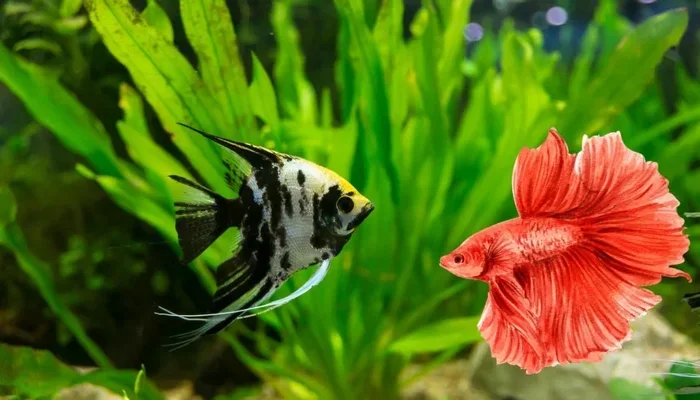
- Angelfish: Too large and aggressive for a betta tank.
### Setting Up a Peaceful Betta Tank
A good tank setup reduces fighting behavior dramatically. Here is what you need:
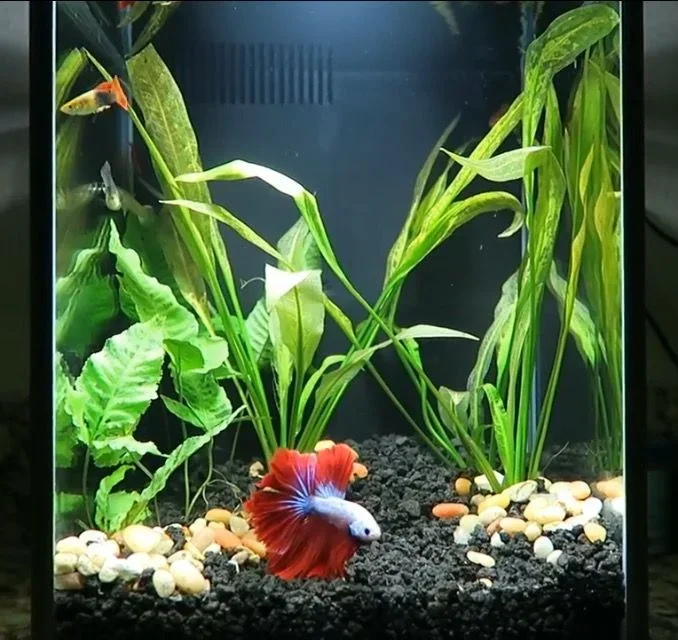
- Tank size: At least 5 gallons for a single betta. Larger is always better.
- Plants and decorations: Provide hiding spots and break up sightlines.
- Heater: Keep water between 76°F and 82°F.
- Filter: Use a gentle filter. Strong currents stress bettas out.
- Soft lighting: Dim lights help keep bettas calm.
## How to Prevent Betta Fish Fighting
Prevention is always better than dealing with injuries after a fight. Here are practical steps to keep your betta peaceful.
### Quick Tips to Reduce Aggression
- Never house two male bettas together. This is the golden rule of betta keeping.
- Use a tank with plenty of plants. Live plants work best for breaking up lines of sight.
- Avoid mirrors and reflective decorations. These cause unnecessary stress.
- Feed your betta a varied diet. A well-fed betta is a less aggressive betta.
- Perform regular water changes. Clean water keeps stress levels low.
### What to Do If a Fight Breaks Out
Even with the best setup, fights can happen. If you see two bettas fighting, act fast.
- Separate them immediately. Use a divider or move one fish to another tank.
- Check for injuries. Look for torn fins, missing scales, or bite marks.
- Treat wounds with aquarium salt. This helps prevent infection.
- Monitor both fish closely for the next 48 hours.
## Common Mistakes New Betta Owners Make
New betta keepers often make mistakes that lead to fighting or stress. Avoid these common pitfalls:
- Buying a small bowl. Bettas need at least 5 gallons. Bowls are too small and stressful.
- Keeping a male and female together without experience. Even breeding pairs need careful introduction.
- Ignoring water temperature. Cold water makes bettas sluggish and more prone to illness.
- Overfeeding. This leads to obesity and increased irritability.
- Not researching tank mates. Guessing which fish work with a betta often ends badly.
## Expert Insights on Betta Fish Fighting Behavior
Veterinarians and experienced fish keepers agree on a few key points about betta aggression.
Dr. Jessie Sanders, a certified aquatic veterinarian, explains that betta fish aggression is natural and expected. “People need to understand that these fish were bred to fight. It is in their DNA. The goal is not to eliminate that instinct but to manage it properly through environment and care.”
Experienced keepers also emphasize that betta fish temperament varies from fish to fish. Some bettas are more docile than others. This comes down to individual personality and breeding history. Fish from lines bred for the pet trade tend to be slightly less aggressive than those from fighting lines, but the instinct remains.
## Final Thoughts on Are Betta Fish Fighting Fish
So, are betta fish fighting fish? The answer is a clear yes. They were bred for fighting, they carry those genes, and they display aggressive behavior regularly. But that does not mean you cannot enjoy keeping them. With the right knowledge and setup, you can provide a happy, healthy home for your betta.
Understanding betta fish fighting behavior is the first step toward responsible fish keeping. Whether you keep your betta alone or with carefully chosen tank mates, respect for their nature is essential. These fish are beautiful, fascinating, and full of personality. Give them the environment they need, and they will thrive.
Remember, a well-informed owner is the best defense against fighting and stress. Take what you have learned here and apply it. Your betta fish will thank you with vibrant colors and lively behavior.
Key Takeaways
- Betta fish are fighting fish by nature: Their aggressive temperament is deeply rooted in their breeding history.
- Male bettas are the most aggressive: They will fight other males to the death if kept together.
- Female bettas can also fight: Keeping multiple females requires careful planning and enough space.
- Tank setup matters enormously: Proper hiding spots and tank size reduce aggression significantly.
- Know the signs of fighting: Fin flaring, chasing, and color darkening are early warning signals.
- Tank mates require careful selection: Not all fish can coexist peacefully with a betta.
Frequently Asked Questions
Are all betta fish fighting fish?
Yes, all betta fish carry fighting instincts. They were selectively bred for aggression over many generations. Even the most docile pet betta has those genes deep in its lineage.
Can two male betta fish live in the same tank?
No. Two male bettas will fight aggressively, often to the death. Never house males together in the same tank. Always keep them separated.
Why do betta fish flare their gills?
Flaring is a display of dominance and aggression. Bettas flare to look bigger and intimidate rivals. It is a natural behavior rooted in their fighting fish heritage.
Are female betta fish less aggressive than males?
Generally, yes. Female bettas are less aggressive than males but can still fight. A group of females needs enough space and hiding spots to reduce conflict.
What should I do if my betta is fighting with tank mates?
Separate the fish immediately. Check for injuries and treat any wounds. Reassess your tank setup and consider removing aggressive tank mates permanently.
Do betta fish stop fighting as they age?
Betta fish do not stop fighting as they age. Their aggression may fluctuate based on environment and health, but the instinct remains throughout their life.