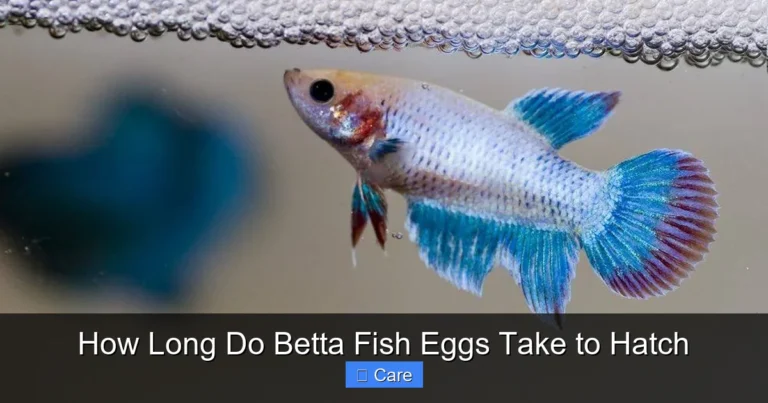
Can a Female and Male Betta Fish Live Together
No, a female and male betta fish cannot safely live together as permanent tank mates. Their intense territorial aggression, especially in males, makes cohabitation extremely dangerous and often fatal. The only exception is a carefully controlled, temporary introduction for breeding purposes under strict supervision, after which they must be separated immediately. Attempting to house them together long-term, even with ample space, almost always results in severe injury or death for one or both fish.
Key Takeaways
- Inherent Aggression: Betta fish, particularly males, are fiercely territorial by nature due to centuries of selective breeding for aggression.
- Breeding is a Temporary Exception: The only time a male and female can be together is during a supervised spawning session, which lasts hours, not a lifetime.
- Tank Size Alone is Not a Solution: Even in large, heavily planted aquariums, the instinct to fight can override environmental advantages, making permanent cohabitation a severe gamble.
- Separation is Mandatory After Spawning: The moment eggs are fertilized and the male begins tending the bubble nest, the female must be removed to prevent her from being killed.
- Stress is a Silent Killer: The mere presence of another betta, even if not fighting, causes chronic stress that weakens the immune system and shortens lifespan.
- Consider Alternatives: For community tank ideas with female bettas, research compatible, non-aggressive species like certain rasboras or corydoras catfish.
- Observation is Crucial: If attempting a breeding introduction, you must watch the pair constantly and be prepared to intervene within seconds if aggression flares.
📑 Table of Contents
- The Fierce Truth About Betta Fish and Cohabitation
- Understanding the Betta’s Nature: More Than Just a Pretty Face
- The Breeding Exception: A High-Stakes, Temporary Arrangement
- Tank Setup for Success (When Not Breeding)
- Introducing the Pair: A Dangerous Gamble You Should Never Take
- Safe Alternatives: Your Betta’s Happy, Peaceful Life
- Conclusion: Respect the Instinct
The Fierce Truth About Betta Fish and Cohabitation
So you’ve got a beautiful, flowing male betta with fins like royal silk, and you’ve just brought home a spirited female. Maybe you’ve seen those stunning photos online of bettas swimming peacefully together, or you’ve dreamt of a peaceful community tank. The question burns: can a female and male betta fish live together? It’s one of the most common and dangerous misconceptions in the aquarium hobby. The direct, life-saving answer is almost always a resounding no. Their genetic programming, honed over hundreds of years, screams one command: fight or defend territory. Attempting permanent cohabitation is not a gamble with odds—it’s a near-certainty of tragedy. This article will dissect the biology, the rare exception of breeding, and provide a clear, safe path forward for any betta keeper.
Understanding the Betta’s Nature: More Than Just a Pretty Face
The Legacy of the Fighting Fish
To understand why your bettas are so unlikely to be friends, you must journey back to their origins. Betta splendens, native to the shallow rice paddies and stagnant streams of Southeast Asia, were selectively bred for centuries in places like Thailand and Malaysia for their fighting prowess. These “plakat” or fighting-style bettas were pitted against each other in matches that, while often stopped before a fatality, bred an unparalleled intensity and territorial instinct. Modern, long-finned varieties we keep as pets still carry this potent genetic legacy in their DNA. Their aggression isn’t a personality flaw; it’s a fundamental, hardwired survival trait.
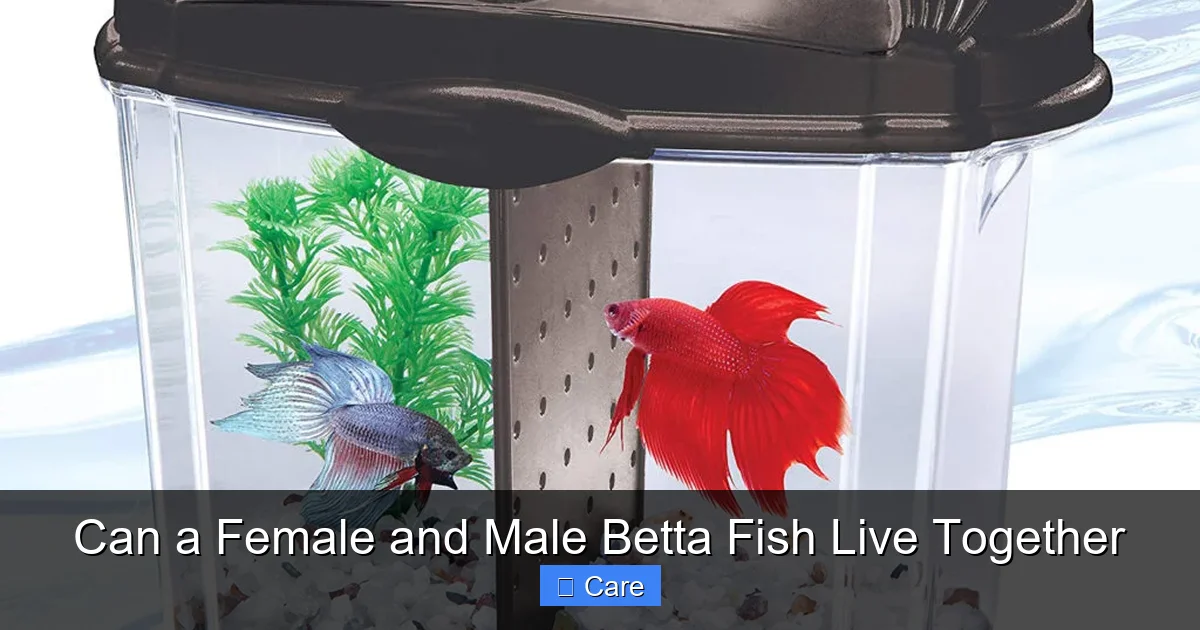
Visual guide about Can a Female and Male Betta Fish Live Together
Image source: pickedbyfish.com
This aggression is most pronounced in males, who will flare their gills, extend their fins to appear larger, and attack any perceived rival—including their own reflection—to defend a chosen patch of water. Females, while generally less flamboyantly aggressive, still possess a strong hierarchy and can be territorial, especially towards each other in a sorority tank or towards a male if not receptive. The instinct to establish dominance is non-negotiable.
Territory is Everything
In the wild, a male betta claims a small territory centered around a bubble nest he builds at the water’s surface. He will vigorously patrol this area, chasing away any other male that enters. This behavior doesn’t vanish in a glass box; it intensifies. Your aquarium is his entire world. Introducing another betta, especially a male, is the ultimate violation of his territory. A female entering his space is seen not as a potential mate first, but as an intruder to be challenged. Even in a massive 50-gallon tank, the betta’s perception of “his” space is often a much smaller, personal zone. The other fish invading that zone, no matter the overall volume, will trigger the attack response.
The Breeding Exception: A High-Stakes, Temporary Arrangement
If permanent cohabitation is a death sentence, how do bettas reproduce? The answer lies in a precise, instinct-driven ritual that is temporary, supervised, and ends with immediate separation. This is the only scenario where a male and female betta can be in the same water together.

Visual guide about Can a Female and Male Betta Fish Live Together
Image source: pickedbyfish.com
The Precise Conditions for a Successful Spawn
Breeding bettas is a complex process reserved for experienced aquarists. It requires meticulous preparation:
- Conditioning: Both fish must be in peak health, fed a high-protein diet (like live or frozen brine shrimp, daphnia) for 2-4 weeks prior to induce spawning readiness.
- The Breeding Tank: A separate, bare-bottomed tank (5-10 gallons) is ideal. It must have a stable water temperature (78-80°F/25.5-26.5°C), pristine water quality, and a surface for the male to build his bubble nest. Floating Indian almond leaves or a section of Styrofoam are perfect.
- The Introduction: The conditioned female is placed in a clear container or divider inside the male’s breeding tank. This allows them to see each other without physical contact. If the male builds a bubble nest and flares at the female without excessive aggression (some flaring is normal courtship), and the female displays vertical breeding bars (a sign of readiness), the divider can be removed.
The Critical Timeline: From Courtship to Catastrophe
Once released together, you must watch them constantly. The male will guide the female under the bubble nest. The “nuptial embrace,” where they wrap around each other and the male releases sperm to fertilize the eggs as the female drops them, can last several hours. During this time, they may nip at each other, but serious damage should be minimal if they are compatible. The moment the female has expelled all her eggs (her belly will look noticeably slimmer) and the male has collected them in his bubble nest, the female must be removed. Her job is done. The male, now in full parental mode, will become hyper-territorial and will relentlessly chase and kill the female if she remains, viewing her as a threat to his eggs. This separation is non-negotiable for her survival.
Tank Setup for Success (When Not Breeding)
Since we’ve established that a male and female betta cannot live together, what does a proper, safe setup look like for each? The goal is to provide an environment that minimizes stress and maximizes health for your solitary betta.
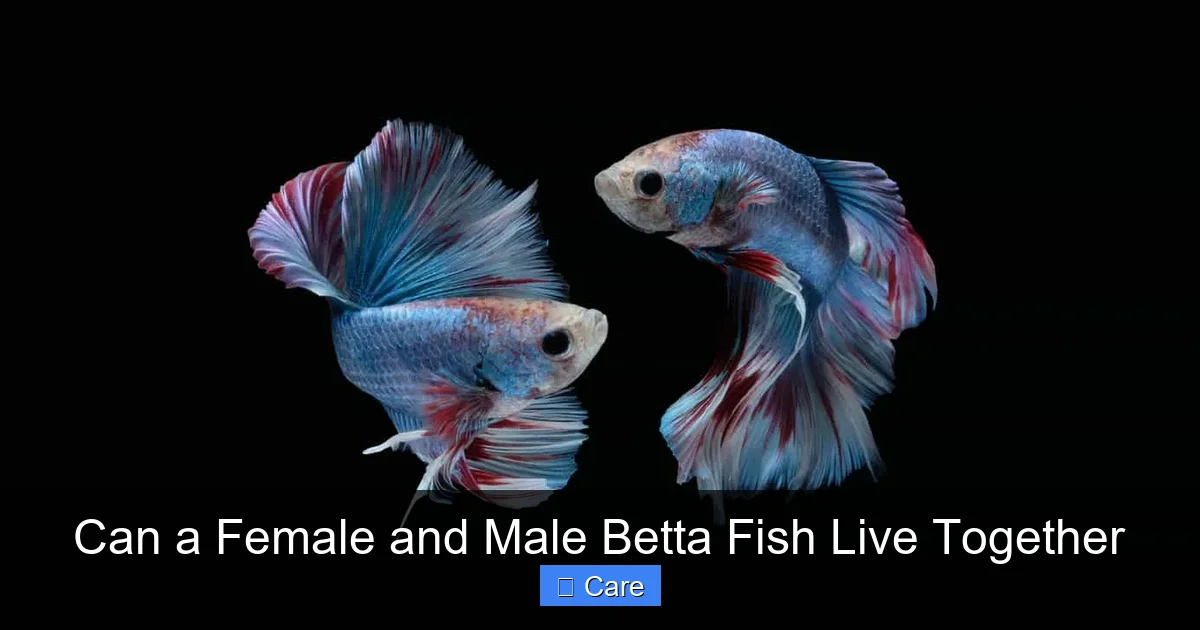
Visual guide about Can a Female and Male Betta Fish Live Together
Image source: fishkeepingadvice.com
The Absolute Minimum: Size and Space
The oft-repeated “betta in a bowl” myth is deadly. A single betta requires a minimum of 5 gallons (19 liters) of filtered, heated water. This provides enough space for him to establish a comfortable territory without constant stress from his own reflection or water currents. Larger is always better. A 10-gallon tank allows for more stable water parameters and more room for decor.
Creating a Secure Territory
Your betta needs places to hide and claim as his own. Use a variety of decorations:
- Live or Silk Plants: These are essential. Floating plants like water lettuce or frogbit give a sense of security from above, mimicking the rice paddy canopy. Tall, leafy plants like Amazon swords provide mid-level hiding spots. Avoid plastic plants with sharp edges that can tear delicate fins.
- Caves and Tubes: A small ceramic cave or a piece of PVC pipe (with smooth edges) offers a perfect dark retreat.
- Substrate: Sand or fine-grained gravel is ideal. Avoid large, sharp gravel.
The layout should break up lines of sight. A tall plant in the center, a rock on one side, and a cave on the other prevents the betta from seeing the entire tank as one open space he must defend, which reduces stress.
Introducing the Pair: A Dangerous Gamble You Should Never Take
What about those viral videos of bettas living together? They are the exception that proves the rule, often featuring a very specific, temporary, and highly managed scenario or, worse, a setup doomed to fail. Here is why a casual introduction is a terrible idea.
The Mirror Test: A Warning Sign
Place a small mirror against your male betta’s tank. His immediate reaction—flaring his gills, extending all fins, and attempting to attack his reflection—is a clear demonstration of his instinctual response to another male. This same aggression, though sometimes less immediately flashy, is directed at any intruder, male or female. If he reacts this violently to his own image, imagine his response to a real, moving, scent-different fish in his water.
The Female’s Perspective: Stress and Injury
It’s not just the male who is at risk. A female betta placed in a male’s established territory is under immense stress. She will hide constantly, lose color, refuse to eat, and may be injured by the male’s relentless chasing. Her immune system will crash, making her susceptible to diseases like fin rot or ich. There is no peaceful “getting to know you” phase. The hierarchy is established through force.
Safe Alternatives: Your Betta’s Happy, Peaceful Life
The desire for a vibrant community tank is understandable. The good news is that a single male or female betta can often be the star of a carefully chosen community, provided the tank is large enough (20+ gallons is a safer starting point) and the other fish are chosen with extreme care.
For a Male Betta: The Most Compatible Tank Mates
Male bettas are the most restrictive. Choose species that are:
- Non-Nippy: They do not have a tendency to bite at long, flowing fins.
- Fast and Evasive: They can quickly move out of the betta’s path if chased.
- Schooling: A school of small, active fish provides a visual distraction and is less likely to be singled out.
- Bottom-Dwellers: Fish that occupy a different water column layer reduce interaction.
Excellent candidates include: Small rasboras (like harlequin rasboras), harlequin rasboras, ember tetras (in a large school), and certain Corydoras catfish (like pygmy or habrosus corys). Always introduce tank mates to a cycled, decorated betta tank, not the other way around, and monitor closely for several days.
For a Female Betta (Sorority Tanks)
Female bettas can sometimes be kept in groups, called a sorority, but this is an advanced setup requiring a minimum of a 20-gallon heavily planted tank with at least 4-5 females. A single female is often more aggressive than a male! The hierarchy must be allowed to establish with plenty of visual barriers. This is not for beginners and carries its own risks of bullying and injury. For a single female, the same community tank rules as for a male apply, though she may be slightly less aggressive towards certain species.
Conclusion: Respect the Instinct
The dream of a male and female betta swimming together in harmony is just that—a dream, not a reality for permanent housing. Their beauty comes with a steep price: a fierce, unyielding territorial instinct. To try and override this for the sake of aesthetics is to sentence at least one of them to a life of stress, injury, or an early death. The responsible betta keeper embraces the betta for what it is: a stunning, solitary creature that thrives when its need for a personal, secure domain is respected.
If your goal is to see the fascinating betta courtship ritual, that is a achievable and exciting project that requires diligent research, a dedicated breeding tank, and a commitment to immediate separation. If your goal is a peaceful community, choose your betta’s tank mates with the same caution you would use when introducing a predator to a herd. By understanding and working with their nature, not against it, you provide the best possible life for these captivating fish. Their vibrant colors and lively personalities shine brightest when they are the undisputed, stress-free monarch of their own well-appointed kingdom.
Frequently Asked Questions
Can a male and female betta fish ever live together peacefully?
No, they cannot live together peacefully as permanent tank mates. Their natural aggression makes cohabitation extremely dangerous. The only time they can be together is during a brief, supervised breeding session, after which they must be separated immediately for the female’s safety.
What happens if I put a male and female betta together?
Almost always, the male will perceive the female as an intruder in his territory and will chase, nip, and attack her. This causes severe stress, physical injury like torn fins, and can quickly lead to death for the female. Even if initial aggression seems low, it can flare up instantly.
Can two female betta fish live together?
Female bettas can sometimes be kept in a group (a sorority) in a large, heavily planted tank (20+ gallons) with at least 4-5 fish. However, they still establish a pecking order through aggression, and bullying or injury is common. This is an advanced setup and not recommended for beginners. A single female is often more aggressive than a single male.
How long can a male and female betta be together for breeding?
>They should only be together for the duration of the actual spawning process, which typically takes a few hours. The female must be removed the moment she releases her eggs and the male begins tending the bubble nest. Leaving them together longer than 24-48 hours is extremely risky and often fatal for the female.
What tank mates are safe for a male betta?
Choose peaceful, fast, non-nippy fish that occupy different areas of the tank. Good options include small schools of ember tetras or harlequin rasboras, and bottom-dwellers like pygmy corydoras or kuhli loaches. The tank must be at least 10-20 gallons with plenty of plants and hiding spots to break lines of sight.
My betta flares at his reflection, does that mean he’s aggressive?
Yes, flaring at a reflection is a clear sign of territorial aggression. It demonstrates that your betta is highly motivated to defend his space from another betta. This is a strong indicator that introducing a real male or female into his tank would be disastrous and trigger a violent response.