What Is Pineconing in Betta Fish

Pineconing in betta fish is a visible sign of a serious health problem, often linked to dropsy or severe bloating. The fish’s scales lift away from the body, creating a pinecone-like appearance. This condition usually signals fluid buildup inside the fish and requires immediate attention. Catching it early gives your betta the best chance of recovery. Understanding the causes and symptoms helps you act fast and keep your fish healthy.
If you have ever looked at your betta fish and noticed its scales poking outward like the scales of a pinecone, you have probably seen pineconing. This is one of the most alarming things a fish owner can witness. Pineconing in betta fish is not a disease on its own. Instead, it is a visible symptom of a deeper health issue that needs urgent attention. Many new fish keepers panic when they see it, but understanding what is happening can help you respond quickly and effectively.
The scales of a healthy betta fish lie flat against its body. When something goes wrong inside the fish, fluid can build up beneath the skin. This pushes the scales outward, creating the distinctive pinecone look. The condition is often tied to a serious illness called dropsy, though it can also result from other causes. Knowing what to look for and what to do can mean the difference between life and death for your fish.
Pineconing does not happen overnight. It usually develops over hours or days as the underlying problem worsens. This gives you a window of time to step in and help. The key is recognizing the signs early and taking action before the condition becomes too advanced. In this guide, we will walk you through everything you need to know about pineconing in betta fish, from causes and symptoms to treatment and prevention.
Key Takeaways
- Pineconing in betta fish is a symptom of underlying health issues, most commonly dropsy or organ failure.
- Early detection of pinecone scales, bloating, and behavioral changes improves the chances of successful treatment.
- Poor water quality, bacterial infections, and overfeeding are the leading causes of this condition.
- Immediate action such as water changes, salt baths, and temperature adjustments can help stabilize your fish.
- Prevention through proper tank maintenance, balanced feeding, and regular monitoring is the best approach.
- Not all cases of pineconing are survivable, but prompt care can make a meaningful difference.
- Always consult a vet or aquatic specialist if symptoms persist despite home treatment.
📑 Table of Contents
What Is Pineconing in Betta Fish?
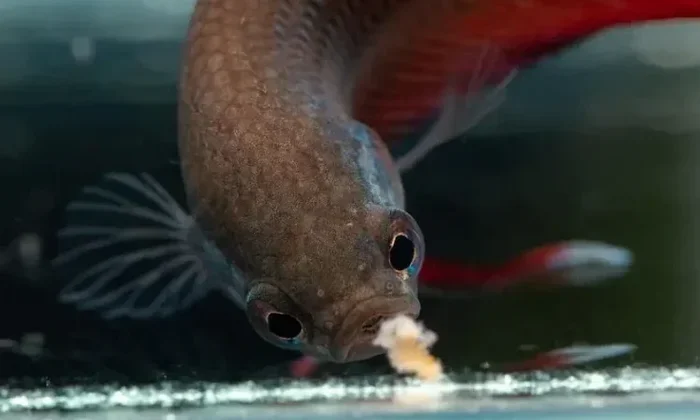
Pineconing in betta fish refers to the outward pointing of the scales, giving the body a spiky, pinecone-like appearance. The scales do not actually grow larger. Instead, they are being pushed outward by pressure from inside the fish. This pressure usually comes from excess fluid accumulating in the body cavity or tissues.
How to Tell If Your Betta Has Pineconing
Spotting pineconing is relatively straightforward once you know what to look for. Here are the most common visual signs:
- Scales that stick out and appear raised or pointed
- A swollen or distended belly
- A body shape that looks like a pinecone from above
- Loss of color or dullness in the scales
- Eyes that appear slightly bulging
Not every case looks the same. Some bettas show mild pineconing with just a few scales sticking out. Others display a dramatic effect where nearly every scale is raised. The severity often depends on how far the underlying condition has progressed.
Why Pineconing Happens
The body of a betta fish is designed to maintain a delicate balance of fluids. When organs like the kidneys or liver start to fail, the fish cannot regulate fluid properly. This leads to a condition called dropsy, where fluid leaks into the body cavity. The buildup of fluid pushes against the skin and forces the scales outward.
Think of it like overinflating a balloon. The material stretches, and eventually, the surface pushes outward in all directions. The scales are attached to the skin, so they move with it. Pineconing is essentially your fish’s body telling you that something serious is happening on the inside.
Common Causes of Pineconing in Betta Fish
Understanding the root cause is essential for effective treatment. Pineconing is a symptom, not a diagnosis. Several factors can trigger this condition, and in many cases, more than one factor is at play.
Bacterial Infections
Bacterial infections are one of the most common causes of pineconing. Bacteria such as Aeromonas and Pseudomonas thrive in dirty water and weakened fish. When a betta’s immune system is compromised, these bacteria can attack the internal organs. The resulting damage leads to fluid retention and, eventually, the pinecone appearance.
Bacterial infections often set in after stressful events. These can include poor water quality, sudden temperature changes, or injuries from tank mates. A fish that is already stressed is far more vulnerable to bacterial attack. Keeping the tank clean and stable is your first line of defense.
Overfeeding and Digestive Issues
Overfeeding might seem harmless, but it can lead to serious digestive problems in bettas. These fish have small stomachs, and eating too much can cause constipation and bloating. Chronic bloating puts pressure on internal organs over time. In severe cases, this pressure contributes to the development of pineconing.
Many owners also feed the wrong types of food. Betta fish are carnivores that need protein-rich diets. Feeding them tropical flakes or foods with filler ingredients offers little nutritional value. Over time, a poor diet weakens the immune system and makes the fish more susceptible to illness.
For guidance on proper nutrition, check out our guide on what is the best food for betta fish to ensure your fish gets the right diet.
Poor Water Quality
Dirty water is the silent killer in most aquariums. Ammonia and nitrite levels can spike quickly in an unclean tank. Even small amounts of these toxins can damage a betta’s gills and organs. Over time, the fish becomes stressed and its immune system weakens. This creates the perfect environment for infections and fluid retention.
Regular water changes are essential. A tank that has not been cleaned in weeks can become toxic fast. Testing the water with a reliable kit helps you catch problems before they escalate. Stable water parameters are the foundation of a healthy betta environment.
Learn more about keeping your tank conditions optimal in our article on what is the best temperature for a betta fish tank and what is the correct pH level for betta fish.
Recognizing the Symptoms Early
Early detection is the single most important factor in saving a betta with pineconing. The sooner you notice something is wrong, the faster you can intervene. Many symptoms appear before the pinecone look becomes obvious. Watching for these warning signs gives you a critical head start.
Physical Signs to Watch For
Before the scales start sticking out, your betta may show other physical clues. A swollen belly is often the first visible sign. The belly may look round and tight, almost like a balloon. Some fish develop a curved spine as the fluid buildup pushes against the body from the inside.
You might also notice changes in the fins. Fins may clench against the body or appear faded. The gills might breathe faster than normal as the fish struggles to get enough oxygen. These subtle changes can be easy to miss, so regular observation is key.
Behavioral Changes
A betta that is developing pineconing will often act differently. Here are some behavioral red flags to watch for:
- Lethargy and lack of energy
- Refusing to eat or showing no interest in food
- Staying near the bottom of the tank more than usual
- Labored breathing or gasping at the surface
- Hiding more than normal or not responding to stimuli
These signs can overlap with other fish illnesses. However, when you combine behavioral changes with physical symptoms like a swollen belly, pineconing should be high on your list of concerns. Trust your instincts as a fish owner. If something looks off, it probably is.
How to Treat Pineconing in Betta Fish
Treating pineconing requires a two-pronged approach. You need to address the immediate symptoms while also tackling the underlying cause. There is no single cure that works for every case. The treatment plan depends on what is causing the condition in the first place.
Immediate Steps to Take
When you first notice pineconing, time matters. Here are the steps you should take right away:
- Isolate the fish. Move your betta to a hospital tank if you have one. This reduces stress and prevents the spread of any potential infection to other fish.
- Perform a large water change. In the main tank, change at least 30 to 50 percent of the water. This helps dilute any toxins that may be contributing to the problem.
- Raise the water temperature slightly. A warmer temperature around 80 to 82 degrees Fahrenheit can boost your betta’s immune response and help fight off bacterial infections.
- Add aquarium salt. Epsom salt or aquarium salt can help reduce swelling and draw out excess fluid. Use about one teaspoon per gallon of water, but always research proper dosing first.
- Stop feeding for 24 to 48 hours. Giving the digestive system a rest can help relieve bloating and reduce internal pressure.
These steps are not guaranteed to cure the condition, but they can stabilize your fish and buy you time. Many owners also turn to antibiotics for bacterial infections, but these should be used carefully and ideally under the guidance of a veterinarian.
Long-Term Care and Recovery
If the treatment is working, you should start to see improvements within a few days. The belly may shrink slightly, and the fish may become more active. However, full recovery from pineconing can take weeks. Patience and consistent care are essential.
Continue with regular water changes and maintain clean tank conditions. Feed small, high-quality meals once or twice a day. Avoid overfeeding, as this can undo your progress. Monitor your fish closely for any signs of relapse.
In some cases, the scales may return to their normal position as the swelling goes down. This is a positive sign. However, if the scales remain raised even after other symptoms improve, the internal damage may be permanent. This is why early intervention is so important.
Prevention Tips for a Healthy Betta Fish
Preventing pineconing is far easier than treating it. A healthy environment and proper care go a long way in keeping your betta fish happy and disease-free.
Maintaining Clean Water
Clean water is the foundation of betta fish health. Here are some simple habits to keep your tank in top shape:
- Perform partial water changes of 20 to 30 percent every week
- Use a water conditioner to remove chlorine and chloramine
- Test ammonia, nitrite, and nitrate levels regularly
- Clean the filter media gently during water changes
- Avoid overstocking the tank with too many fish
Stable water parameters reduce stress and keep the immune system strong. A well-maintained tank is the best prevention against most fish diseases.
Proper Feeding Habits
Feeding the right food in the right amounts makes a huge difference. Here are some tips:
- Feed high-quality betta pellets or frozen foods like bloodworms and brine shrimp
- Offer small amounts twice a day, only what the fish can eat in two minutes
- Skip one feeding day per week to give the digestive system a break
- Avoid feeding dried flakes as the primary diet
A balanced diet supports organ health and keeps the digestive system functioning properly. This reduces the risk of bloating and the chain of events that can lead to pineconing.
Reducing Stress in the Tank
Stress weakens the immune system and makes bettas vulnerable to illness. To keep stress levels low, provide hiding spots, avoid aggressive tank mates, and maintain a consistent light schedule. A calm, stable environment is one of the best things you can do for your fish.
When to Say Goodbye
This is a difficult topic, but it is an honest part of fish keeping. Not all cases of pineconing are reversible. If the internal organs have already sustained significant damage, treatment may not be enough. In such cases, the kindest choice may be humane euthanasia.
Signs that the prognosis is poor include:
- Complete refusal to eat for several days
- Inability to swim or stay upright
- Rapid decline despite treatment efforts
- Severe discoloration or open sores on the body
Making this decision is never easy. But sometimes, the most loving thing you can do is prevent prolonged suffering. If you are unsure, consult a veterinarian who specializes in fish health. They can offer guidance tailored to your specific situation.
Conclusion
Pineconing in betta fish is a serious warning sign that should never be ignored. It signals that something is deeply wrong inside the fish’s body. Whether the cause is a bacterial infection, overfeeding, or poor water quality, the key to a positive outcome is early action. Catching the symptoms quickly and starting treatment immediately gives your betta the best possible chance of recovery.
Prevention plays an equally important role. Clean water, proper feeding, and a low-stress environment keep your fish strong and resilient. By staying attentive and proactive, you can reduce the risk of pineconing and enjoy a healthier, happier betta fish for years to come. Remember, your fish depends on you for its well-being. Stay observant, stay informed, and never hesitate to seek professional help when needed.
Frequently Asked Questions
Can a betta fish recover from pineconing?
Recovery is possible if the condition is caught early and the underlying cause is treated. Mild cases of bloating and scale elevation often respond well to salt baths, clean water, and proper feeding. However, severe cases caused by organ failure may not be reversible. The sooner you act, the better the chances of a full recovery.
Is pineconing in betta fish contagious to other fish?
The pinecone appearance itself is not contagious, but the underlying cause might be. Bacterial infections that lead to pineconing can spread to other fish in the same tank. This is why isolating an affected betta in a hospital tank is a smart first step. Always monitor other fish closely for any signs of illness after a diagnosis.
What is the difference between pineconing and swim bladder disease?
Pineconing involves the outward pointing of scales due to fluid buildup, while swim bladder disease affects the fish’s ability to control buoyancy. A fish with swim bladder issues may float upside down or struggle to stay upright. Both conditions can involve bloating, but they have different root causes and require different approaches to treatment.
How quickly does pineconing develop in betta fish?
Pineconing usually develops over several days to a couple of weeks. It does not happen overnight. The scales gradually begin to lift as fluid accumulates inside the body. This slow progression gives you time to notice early warning signs like a swollen belly or lethargy before the full pinecone appearance sets in.
Can overfeeding really cause pineconing?
Yes, chronic overfeeding can contribute to pineconing. Excess food leads to constipation and bloating, which puts pressure on internal organs over time. In severe cases, this pressure combined with a weakened immune system can trigger the fluid retention that causes scales to stick out. Feeding the right amount of high-quality food is an important preventive measure.
Should I use medication to treat pineconing at home?
Over-the-counter antibiotics and medications can help if a bacterial infection is the cause. However, using the wrong medication can do more harm than good. It is best to identify the root cause first and then choose the appropriate treatment. When in doubt, consult a fish veterinarian for a proper diagnosis and treatment plan.
=== INTERNAL LINKS ===
For further reading on related topics, check out these resources: