Can You Breed Betta Fish
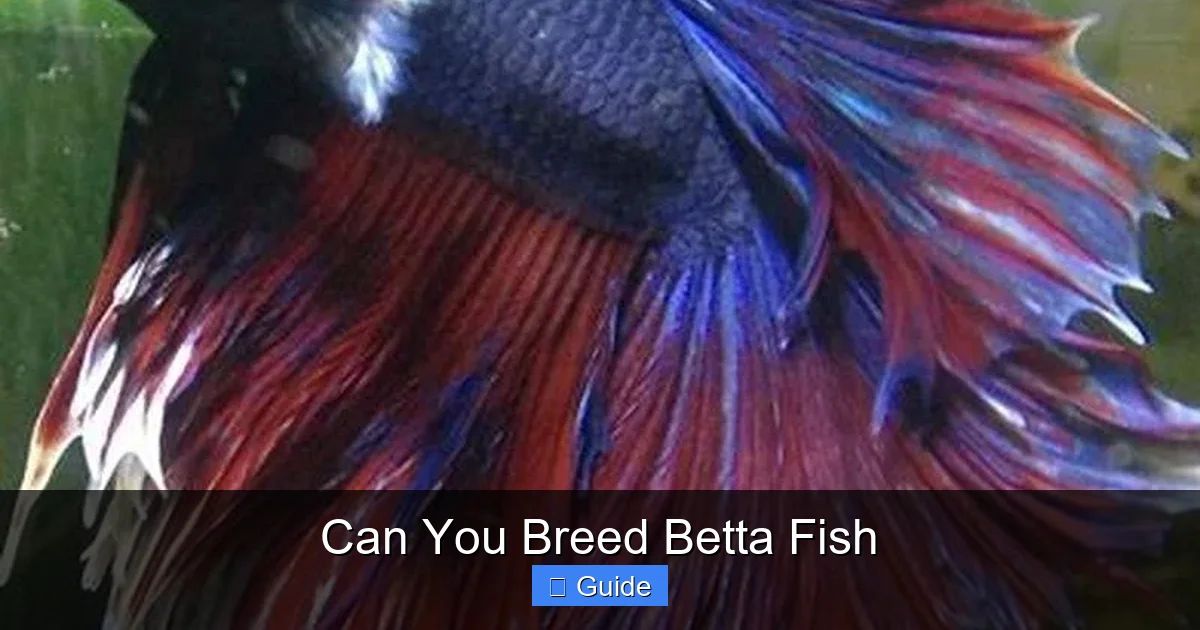
Yes, you can absolutely breed betta fish at home, but it is a demanding and meticulous process that requires significant preparation, specialized equipment, and dedicated time. Success hinges on understanding their aggressive nature, providing pristine water conditions, and carefully managing the spawning and fry-rearing stages. While witnessing the bubble nest and tiny fry is immensely rewarding, it is not a project for beginners or those seeking a quick, easy venture.
Key Takeaways
- Bettas are fiercely territorial and aggressive. Male bettas will fight to the death with other males and can harm females if not introduced and monitored perfectly. Separate conditioning tanks are non-negotiable.
- A proper breeding tank setup is critical. This includes a small, pristine water volume, a secure lid (bettas are jumpers), a heater, a gentle filter (or none), and materials for the male to build a bubble nest.
- Conditioning the pair with high-protein foods is essential. For 2-4 weeks prior, feed live or frozen foods like brine shrimp and daphnia to boost health and stimulate spawning behavior.
- The spawning process is delicate and requires active supervision. The male builds a nest, courts the female, and they embrace. The male then chases the female away to guard the nest; she must be removed immediately to prevent her death.
- Raising betta fry (babies) is the most challenging phase. Fry start as microscopic, helpless creatures requiring infusoria or commercial fry food, pristine water, and gradual upgrades in food size over 2-3 months until they are independent.
- Patience and time are your biggest investments. From conditioning to free-swimming fry, the process takes 4-6 weeks minimum. Full maturation to show-quality adults takes 3-4 months.
- You will have many excess fry to responsibly rehome. A single spawn can yield 50-200+ fry. You must have a plan for finding suitable, permanent homes for the vast majority of the offspring before you even begin.
📑 Table of Contents
- So, Can You Breed Betta Fish? The Honest Answer
- Understanding Betta Fish: The Roots of Their Complexity
- Pre-Breeding Preparation: The Foundation of Success
- The Breeding Process: Courtship, Spawning, and Separation
- Raising Betta Fry: The True Test of Dedication
- Common Challenges and How to Overcome Them
- Conclusion: Is Breeding Right for You?
So, Can You Breed Betta Fish? The Honest Answer
Let’s start with the direct answer: Yes, you can breed betta fish. It’s one of the most fascinating and rewarding projects an aquarist can undertake. Watching a male meticulously construct his bubble nest, seeing the delicate spawning embrace, and eventually spotting the first wriggling specks of fry is an experience like no other in the hobby. However, it’s absolutely crucial to understand that “can you” does not mean “you should, without serious thought.” Breeding bettas is not a casual weekend project. It’s a multi-month commitment of meticulous care, significant expense, and emotional investment. It’s a hands-on, 24-hour-a-day responsibility for the first few weeks of the fry’s lives. This guide will walk you through every single step, from the initial question to the moment you place your first grown-up betta in its new home, ensuring you go in with your eyes wide open and the best possible chance of success.
Understanding Betta Fish: The Roots of Their Complexity
Before you even think about setting up a breeding tank, you must understand the animal you’re working with. The domestic betta, Betta splendens, earned its common name “Siamese fighting fish” for a reason. Centuries of selective breeding for aggression have hardwired them with strong territorial instincts. This behavior is the single most important factor that dictates every single decision in the breeding process.
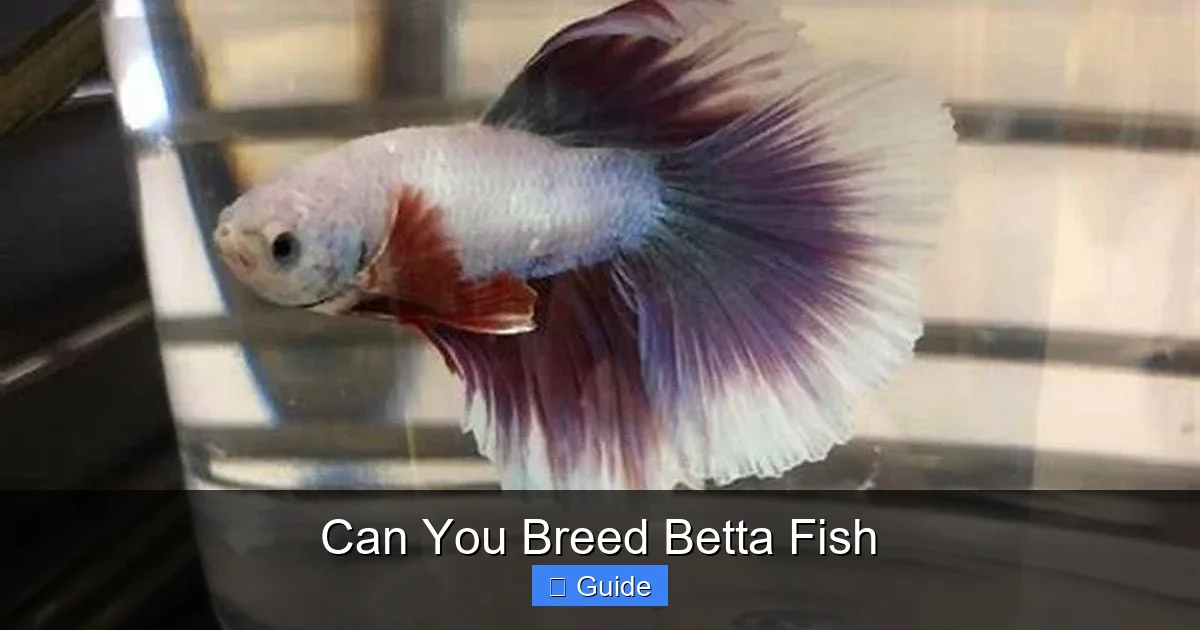
Visual guide about Can You Breed Betta Fish
Image source: diyseattle.com
The Inherent Aggression of Betta splendens
Male bettas are solitary creatures. In the wild, they maintain individual territories of several square feet, only seeking out females for reproduction. In the confines of an aquarium, this instinct is amplified. Two males in the same tank will fight relentlessly until one is maimed or dead. This aggression doesn’t vanish during breeding. The act of spawning is a hormonal, instinctual ritual, but immediately afterward, the male’s protective instinct over his bubble nest turns violent. The female, having laid her eggs, is seen as an intruder and a potential threat to the nest. He will chase, bite, and kill her if she is not removed within minutes of the spawning embrace ending. This is not optional; it is a biological certainty. Therefore, the standard and only safe protocol is to house the male and female in separate “conditioning” tanks for weeks before ever introducing them, and then to use a special breeding tank with a removable divider.
Sexing Bettas: Male vs. Female
Correctly identifying the sex of your bettas is the first practical step. While there are exceptions, here are the general rules:
- Males: Typically have long, flowing fins (especially the crowntail, veil tail, halfmoon varieties). Their bodies are often more elongated. They almost always build bubble nests, though some females may occasionally do so.
- Females: Usually have shorter, more rounded fins. Their bodies are often slightly rounder, especially when gravid (full of eggs). They have a small, white “egg spot” or ovipositor on the underside of their belly, just in front of the anal fin. This is the most reliable indicator.
Remember, a young betta’s sex can be ambiguous. Wait until they are at least 4-5 months old for clear signs. Never attempt to breed two males; it will result in fatal fighting.
Pre-Breeding Preparation: The Foundation of Success
You cannot rush into breeding. The health and vitality of your future brood depend entirely on the condition of the parent fish. This preparation phase lasts a minimum of 2 weeks, often 4, and is arguably the most important part of the entire process.
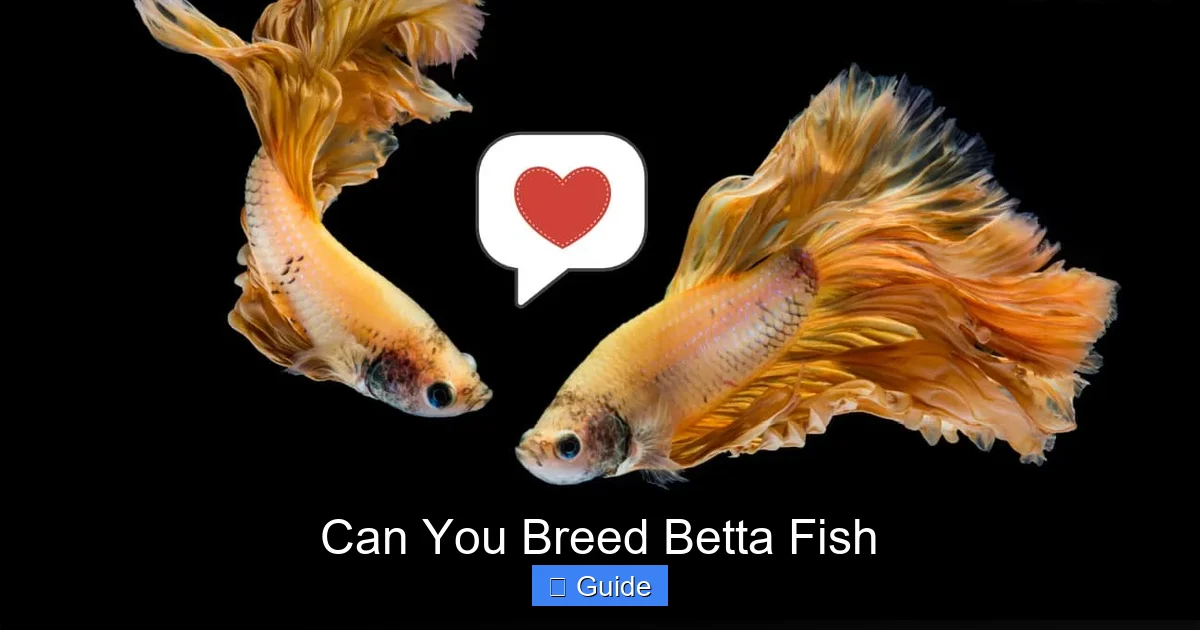
Visual guide about Can You Breed Betta Fish
Image source: buildyouraquarium.com
Selecting Your Breeder Pair
Choose healthy, active fish from reputable sources. Look for clear eyes, intact fins, and vibrant color. Avoid any fish with signs of disease like fin rot, ich, or velvet. While you don’t need championship show fish, you should select for good conformation (body shape, fin symmetry) and robust health. Breeding a sickly or genetically weak fish dooms the entire spawn to problems. Age is also key: breeders should be between 4 months and 1.5 years old. Too young, and they are not physically mature. Too old, and fertility and vitality decline.
The Conditioning Regimen: Building Strength and Fertility
Conditioning means feeding a high-protein, nutrient-rich diet to trigger reproductive readiness and build up energy reserves for the exhausting spawning process. Place your male and female in separate, clean, heated tanks (5-10 gallons is fine). The water must be pristine; perform 25-50% water changes daily.
- Food: Feed 2-3 times daily. The staple should be high-quality pellets, but the key is supplementing with live or frozen foods. Excellent options include:
- Brine shrimp (newly hatched is best)
- Daphnia
- Bloodworms
- Mysis shrimp
- Why Live/Frozen? These foods are packed with protein, vitamins, and essential fatty acids that dry foods lack. They also stimulate natural hunting behavior, keeping the fish alert and active. Think of it as an athlete’s specialized diet before a big game.
During this time, you will observe changes. The male may become more restless, flaring at his reflection or at you. He might start building a small bubble nest in a corner of his tank—a fantastic sign! The female’s belly will become noticeably rounder and more distended as her eggs develop. Her color may also intensify.
Setting Up the Breeding Tank
Your breeding tank is a temporary, specialized station. Its design prioritizes safety, cleanliness, and facilitating the natural spawning process.
- Tank Size: 5-10 gallons is ideal. Smaller volumes (like a 2.5 gallon) are used by some, but they are harder to maintain water quality in.
- Water: Use dechlorinated water, ideally aged for 24 hours. The temperature should be a steady 78-80°F (25.5-26.5°C).
- Filtration: This is tricky. A strong filter current will destroy the bubble nest and stress the fish. Many breeders use no filter at all, relying on daily 50% water changes. A better option is a very gentle sponge filter, placed in a corner away from the nest site.
- Heater: A small, adjustable aquarium heater with a guard is essential to maintain temperature.
- Cover: Bettas are notorious jumpers, especially when excited. The tank must have a secure, tight-fitting lid with no gaps.
- Nesting Site & Décor: Provide a floating material for the male to build his nest on. A piece of Styrofoam, a live plant like Hornwort or Water Sprite, or even the lid of a plastic container works wonders. Add a few smooth, non-abrasive plants or decorations for the female to hide behind during the initial introduction. Avoid anything sharp that could tear fins.
- The Divider: The breeding tank must have a secure, watertight divider that separates the male’s and female’s sides completely. A piece of acrylic or heavy plastic with sealed edges, or a commercial breeding box, is used. The female’s side should have more hiding spots.
Fill the tank, set up the heater and filter, and let it cycle (if using a filter) or simply sit for a day to stabilize temperature before introducing the fish.
The Breeding Process: Courtship, Spawning, and Separation
This is the moment you’ve been waiting for. When both fish are well-conditioned (male flaring and nest-building, female plump), it’s time to begin the introduction. This is a delicate dance that can take hours or days. Constant supervision is required.
Visual guide about Can You Breed Betta Fish
Image source: fishkeepingguide.net
Step 1: Introducing the Pair
Place the male in one side of the divided breeding tank and the female in the other. The divider should be opaque or covered so they cannot see each other initially. Allow them to settle for 24 hours. Then, on the second day, you can uncover the divider or create a small gap where they can see each other. Observe their reactions.
- The male will likely flare his gills and fins, displaying his colorful “dance” along the divider.
- The female may display vertical bars (breeding bars) on her body, a sign of readiness. She might also posture submissively.
If the male is overly aggressive and tries to attack through the divider, or if the female shows no signs of readiness (no bars, hiding constantly), give them more time. Rushing this step is a common cause of failure.
Step 2: The Courtship Dance
Once they seem calmer and more curious, you can release the female into the male’s side. Do this carefully, using a cup to gently add her near the opposite end of the tank from the male’s nest. The male will chase her. This is normal, but it must be monitored closely. The chase should not be a relentless, violent attack. The female will retreat to her hiding spots. The male will often “dance” before her, flaring and vibrating. This courtship can last for several hours. If the male is relentlessly pursuing and the female is exhausted, hiding and unable to rest, you may need to separate them and try again the next day. A successful courtship sees the female become more receptive, perhaps even approaching the male’s nest.
Step 3: The Spawning Embrace
When the female is ready, she will approach the male’s bubble nest. The male will perform a final, intense display. Then, the iconic “embrace” occurs: the male wraps his body around the female, and they turn upside down. The female releases her eggs, and the male simultaneously releases milt to fertilize them. This can happen multiple times in one session. You will see small, white, tapioca-like eggs sinking. The male, with incredible instinct, will dart down and catch each fertilized egg in his mouth, then carefully place it into the bubble nest. This is an incredible sight to witness. The entire spawning session can last 15 minutes to several hours.
Step 4: The Critical Removal of the Female
This is the most important safety step in the entire process. As soon as the spawning embrace ends and the pair separates, the male will immediately turn his attention to his eggs. His protective aggression now targets the female. He will chase her relentlessly, biting her fins. You must remove the female within minutes. Use a net or cup to gently transfer her back to her own clean recovery tank. Do not delay. A female left with a post-spawning male will be seriously injured or killed. After her removal, the male will tend to his bubble nest, retrieving any stray eggs and repairing the nest structure. He is now a dedicated, single father.
Raising Betta Fry: The True Test of Dedication
With the parents separated, your focus shifts entirely to the tiny, fragile eggs and the soon-to-hatch fry. The first 72 hours are the most dangerous.
The Egg and Hatchling Stage (Days 1-3)
The fertilized eggs will remain in the bubble nest. They will slowly darken, turning from white to a brownish color, and you may see tiny black specks (the eyes) forming. Within 24-36 hours, the eggs will hatch. The fry will emerge as tiny, transparent wrigglers, still attached to the nest by a yolk sac. They cannot swim yet and will wiggle down into the bubbles. The male will continue to tend the nest, retrieving any that fall. Do not disturb the male during this time. Do not perform water changes. The tank must be kept in a dark, quiet location to prevent stress and algae growth. The male may eat some of the fry—this is normal and part of nature’s culling. Your job is to provide optimal conditions for the survivors.
Free-Swimming Fry and First Feedings (Days 3-7)
The most critical moment arrives when the fry absorb their yolk sacs and become free-swimming. This usually happens around day 3-4 post-hatch. They will rise from the nest and begin swimming aimlessly in the water column. This is when you must start feeding, and it must be immediately. Their mouths are microscopic. You need food of a corresponding size.
- Ideal First Foods: Infusoria (a culture of microscopic protozoa), commercial liquid fry food, or a paste of hard-boiled egg yolk (use sparingly to avoid fouling water).
- How to Feed: Add a few drops of the infusoria or liquid food directly into the tank 2-3 times a day. The goal is to see a slight cloudiness in the water, indicating food is present, but not so much that the water quality crashes.
- Water Quality: Now, gentle water changes become imperative. Using a turkey baster or a very gentle siphon, you can remove debris from the bottom daily and replace it with clean, temperature-matched water. Be careful not to siphon the fry. A sponge filter set on a very low flow can be added now, but ensure the intake is covered with sponge or mesh to prevent fry from being sucked in.
Growth Stages and Upgrading Food (Weeks 2-8)
Fry grow astonishingly fast in the first month.
- Week 2: They should be large enough to accept newly hatched brine shrimp (nauplii). This is the gold standard for fry food—packed with protein and easy to digest. Start introducing it alongside the infusoria.
- Week 3-4: They can handle slightly larger foods. You can start offering microworms or finely crushed high-quality dry fry food. The brine shrimp should remain a staple.
- Week 5-8: As they develop into recognizable tiny bettas (often called “fry” still), you can gradually introduce larger foods like daphnia or small frozen bloodworms. You can also start weaning them onto high-quality crushed pellets.
Throughout this period, maintain impeccable water quality with daily or every-other-day partial water changes (25-50%). The male should be removed from the tank around the time the fry become free-swimming, as he may start to see them as food. He has done his job.
Common Challenges and How to Overcome Them
Even with perfect preparation, problems arise. Knowing how to identify and address them is key.
Failure to Spawn
If the pair does not spawn after several days of cohabitation, consider:
- Conditioning: Were they fed enough high-protein food for long enough?
- Water Parameters: Is the temperature correct? Is the water soft and slightly acidic? (Bettas prefer a pH of 6.5-7.5).
- Tank Size/Setup: Is the tank too large or open? Sometimes a smaller, more confined breeding tank (even a large plastic container) with fewer lines of sight can encourage spawning.
- Fish Compatibility: Some pairs just don’t click. You may need to try a different female or male.
Sometimes, it just takes patience. Put them back in separate tanks, recondition for another week, and try again.
Egg and Fry Mortality
This is the most common and heartbreaking part. High mortality in the first week is normal—nature is inefficient. Causes include:
- Fungus: White, cottony growth on eggs. This can be treated with a few drops of methylene blue in the water (use sparingly, as it can harm fry). Ensure excellent water quality.
- Poor Water Quality: The #1 killer of fry. Ammonia or nitrite spikes from overfeeding or decaying food will wipe out a spawn in hours. Test water parameters if you have a test kit, or assume the worst and do a large, gentle water change.
- Male Eating the Eggs: A stressed male (from poor water, disturbance, or being a first-time, inexperienced parent) may eat his own nest. If this happens, you may need to remove him and attempt a “hands-on” hatch, carefully moving the eggs to a separate hatching tank with an air stone (very gentle) to keep them aerated—but this is advanced and risky.
- Insufficient Food: Fry that don’t eat in the first 24 hours after becoming free-swimming will starve. Ensure you have a thriving infusoria or brine shrimp culture ready on day zero.
Accept that you will lose many. Your goal is to maximize the survival rate of the strongest.
Aggression Between Growing Fry
As early as 4-6 weeks old, young male bettas will begin to show aggression towards each other. They will flare, chase, and nip fins. This is a critical sign. You must separate them into individual containers (like small kritter keepers or glass jars) before serious damage occurs. This is another reason you must have a plan for hundreds of individual grow-out tanks. Females can often be kept together in a “sorority” tank once they are a few months old, but even they establish a pecking order and require a large, heavily planted tank to do so safely.
Conclusion: Is Breeding Right for You?
So, can you breed betta fish? The technical answer is yes, and this guide has provided the roadmap. But the real question you must answer is: should you? Breeding bettas is a profound commitment. It’s a blend of science (water chemistry, biology) and art (patience, observation, timing). It requires an investment in equipment—tanks, heaters, filters, cultures for live food—and a significant chunk of your daily schedule for weeks on end. You will become a parent to hundreds of tiny, vulnerable lives for which you are solely responsible.
If you are prepared for that, the rewards are immense. You will gain a deep, intimate understanding of one of the animal kingdom’s most dramatic life cycles. You will have the privilege of raising a new generation of these living jewels, and you may even develop a new strain or color variation that brings joy to other hobbyists. You will learn more about aquatic biology, animal behavior, and your own capacity for dedication than almost any other aquarium project.
If the challenges outlined here—the aggression, the 24/7 fry care, the inevitable loss, the need for countless homes—sound overwhelming, then perhaps your betta breeding journey should start with simply becoming an exceptional keeper. Master the art of maintaining a pristine tank, learn to read your betta’s behavior, and enjoy the beauty of the fish you already have. For many, that is reward enough. But for those who feel the call of that bubble nest, who are drawn to the challenge of nurturing life from a speck of an egg, who are willing to put in the work—then welcome to the world of betta breeding. Prepare meticulously, observe constantly, and may your first embrace be successful.
Frequently Asked Questions
Can I breed bettas in a community tank?
No. Breeding bettas requires a dedicated, controlled environment. A community tank introduces stress, competition, and predation risks that will almost certainly lead to the eggs or fry being eaten or the parents being injured.
How old do betta fish need to be to breed?
Both the male and female should be at least 4-5 months old and fully mature. They should be in excellent health and condition. Breeding fish that are too young or too old reduces fertility and spawn viability.
How many baby bettas (fry) will I get?
A single spawn can yield anywhere from 50 to over 200 eggs, but not all will hatch and survive. It’s realistic to expect 30-100 free-swimming fry in a first successful spawn, with survival heavily dependent on your water quality and feeding regimen.
What do I feed baby betta fry?
Fry need microscopic food for their first few days. Start with infusoria or commercial liquid fry food. Around day 3-4, when they are free-swimming, switch to newly hatched brine shrimp (nauplii), which is the ideal first “solid” food. Gradually introduce larger foods like microworms and crushed pellets as they grow.
How often can a female betta breed?
A healthy female can spawn every 4-6 weeks, but this is extremely taxing on her body. Ethical breeders allow for long rest periods (several months) between spawns and monitor the female’s health closely. Never force a female to spawn repeatedly without recovery time.
When can I separate the baby bettas from each other?
You must separate the young males from each other as soon as they start showing aggression, which is typically between 8-12 weeks of age. They become sexually mature and will fight. Females can often be kept together longer in a well-planted sorority tank, but monitor closely for bullying. All fry should be separated into individual containers by 4-5 months old at the latest.