Why Do Betta Fish Turn White
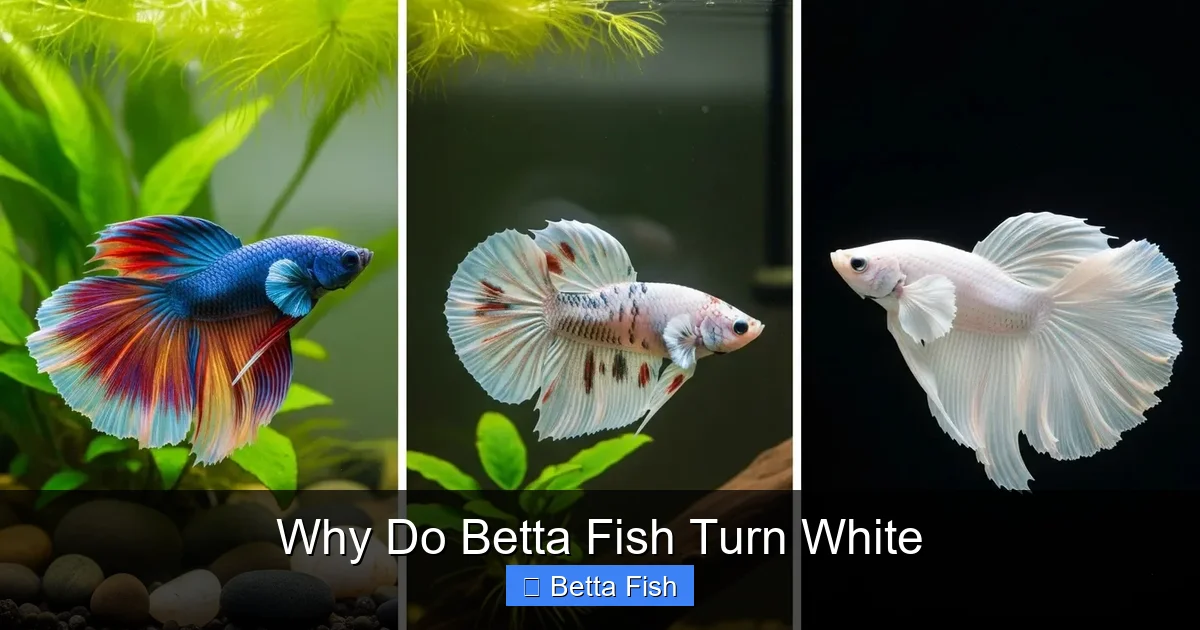
Betta fish turning white is often a warning sign of stress, illness, or environmental issues. Understanding the root causes and taking quick action can prevent permanent damage and keep your betta vibrant.
Key Takeaways
- Stress triggers white patches: Poor water quality, temperature swings, and overcrowding are common stressors.
- Illnesses like ich and fungal infections: These parasites and fungi often start with white spots or a milky sheen.
- Nutrition matters: A balanced diet rich in vitamins supports healthy coloration.
- Water parameters are critical: Keep pH, ammonia, nitrite, and nitrate in optimal ranges.
- Observe behavior: Lethargy, loss of appetite, and abnormal swimming often accompany whitening.
- Quick interventions work: Quarantine, medication, and water changes can reverse early whitening.
- Prevention is the best cure: Regular maintenance and proper tank setup stop most problems before they start.
📑 Table of Contents
- Introduction: When Your Betta Starts to Fade
- 1. Stress‑Induced Color Loss
- 2. Common Diseases That Cause Whitening
- 3. Nutritional Deficiencies and Color Fading
- 4. Water Quality – The Foundation of Color
- 5. Genetics and Natural Color Changes
- 6. Practical Steps to Reverse Early Whitening
- Conclusion: Keep Your Betta Bright and Happy
Introduction: When Your Betta Starts to Fade
Betta fish are famous for their bright, flowing colors. So when the brilliant reds, blues, or greens begin to look washed out or turn white, it can feel like a mini heart‑attack. The good news? Most cases of whitening are not a death sentence. They are signals that something in the fish’s environment or health needs your attention.
In this article we’ll walk through the most common reasons why betta fish turn white, how to spot the early warning signs, and what you can do right now to help your finned companion. By the end you’ll have a clear, step‑by‑step plan to keep your betta looking its best.
1. Stress‑Induced Color Loss
What stress looks like in bettas
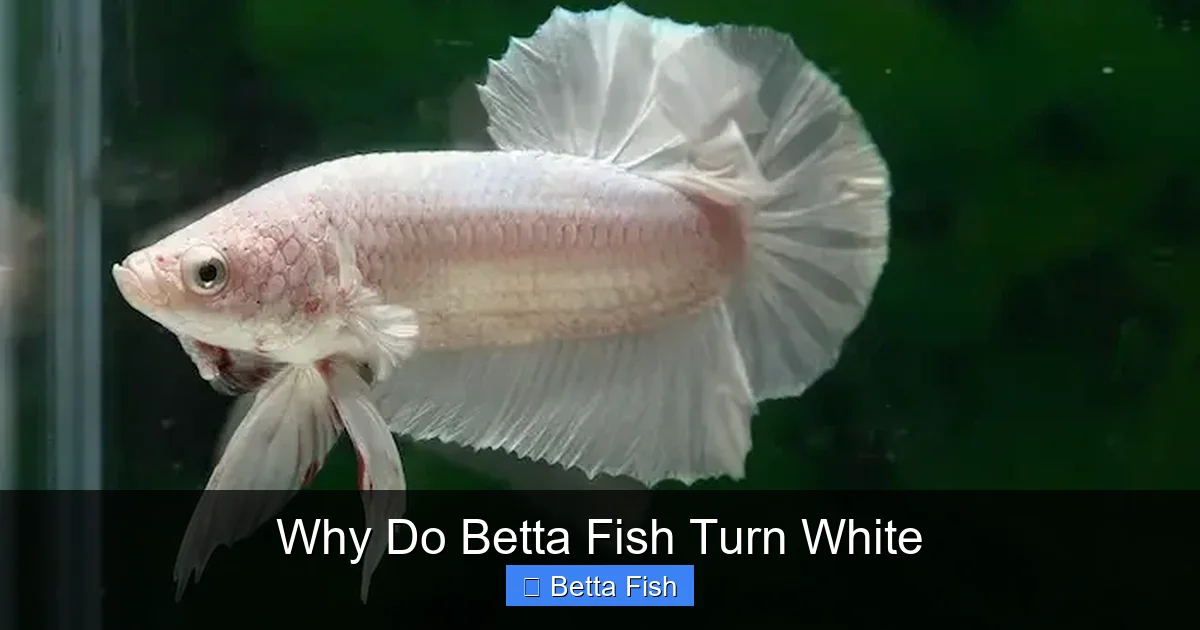
Stress is the silent color thief. When a betta feels unsafe, its body releases cortisol, which can cause the pigments in the skin and scales to fade. Common stressors include:
Visual guide about Why Do Betta Fish Turn White
Image source: forfishlovers.com
- Sudden temperature changes
- Dirty water or high ammonia levels
- Too much light or constant flashing
- Being housed with aggressive tank mates
- Frequent handling or moving the tank
Even a small drop in temperature (like a draft across the tank) can make a betta’s colors look dull or turn white. Keeping the water temperature stable between 76°F and 82°F (What Temperatures Do Betta Fish Like) is essential.
How to reduce stress quickly
1. Check the water temperature with a reliable aquarium thermometer. Adjust with a heater if needed.
2. Perform a partial water change (25‑30%) to lower ammonia and nitrite.
3. Cover the tank for a few hours to give your betta a break from bright lights.
4. Remove any aggressive companions and give the betta a quiet corner.
2. Common Diseases That Cause Whitening
Ich (White Spot Disease)
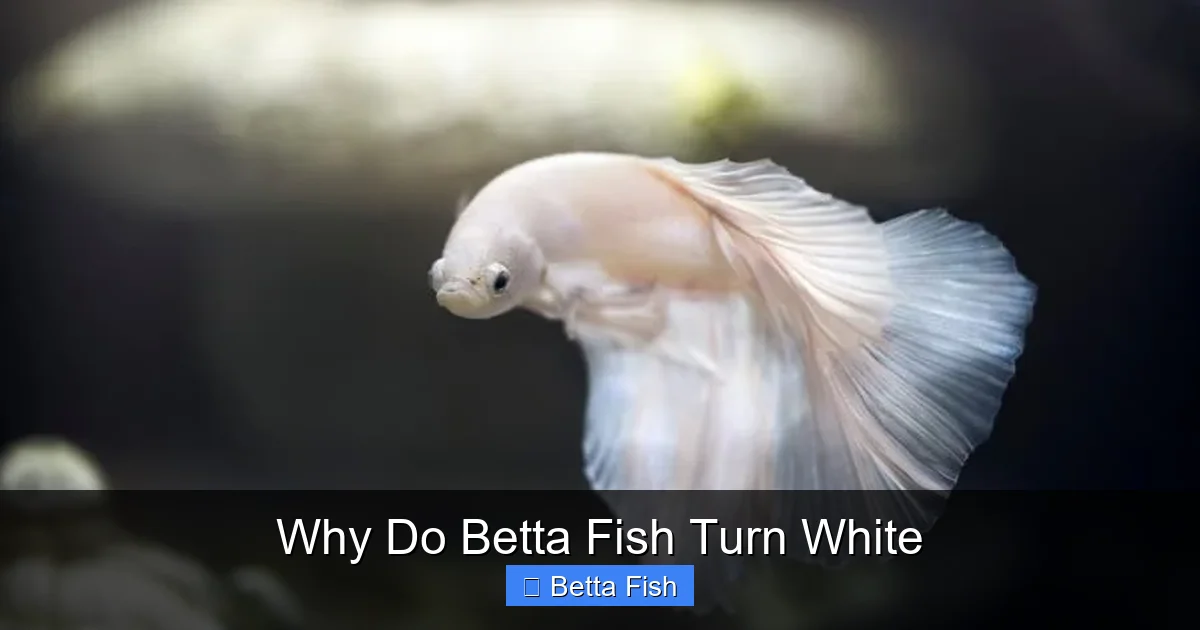
Ich is a parasite that appears as tiny white dots, often mistaken for a “white coat.” The spots are actually cysts that the fish’s immune system tries to expel. If left untreated, the fish can become lethargic and lose color.
Visual guide about Why Do Betta Fish Turn White
Image source: ouraquariumlife.com
**Treatment tip:** Increase the water temperature slowly to 82°F, add a copper‑based medication, and perform daily 30% water changes.
Fungal Infections
Fungal growth shows up as a fuzzy, white “cotton” on the fins or body. It usually follows an injury or poor water quality. The fungus feeds on dead tissue, causing the surrounding scales to lose pigment.
**Treatment tip:** Use an antifungal dip (e.g., malachite green) and keep the tank spotless.
Velvet Disease
Velvet gives the fish a dusty, gold‑gray sheen that can look whitish in low light. It’s caused by a protozoan parasite.
**Treatment tip:** Add a formalin‑based medication and raise the temperature to 80°F for a week.
Link to deeper dive
For a full breakdown of symptoms and treatment, see our article Why Did My Betta Fish Turn White And Died.
3. Nutritional Deficiencies and Color Fading
Why diet matters
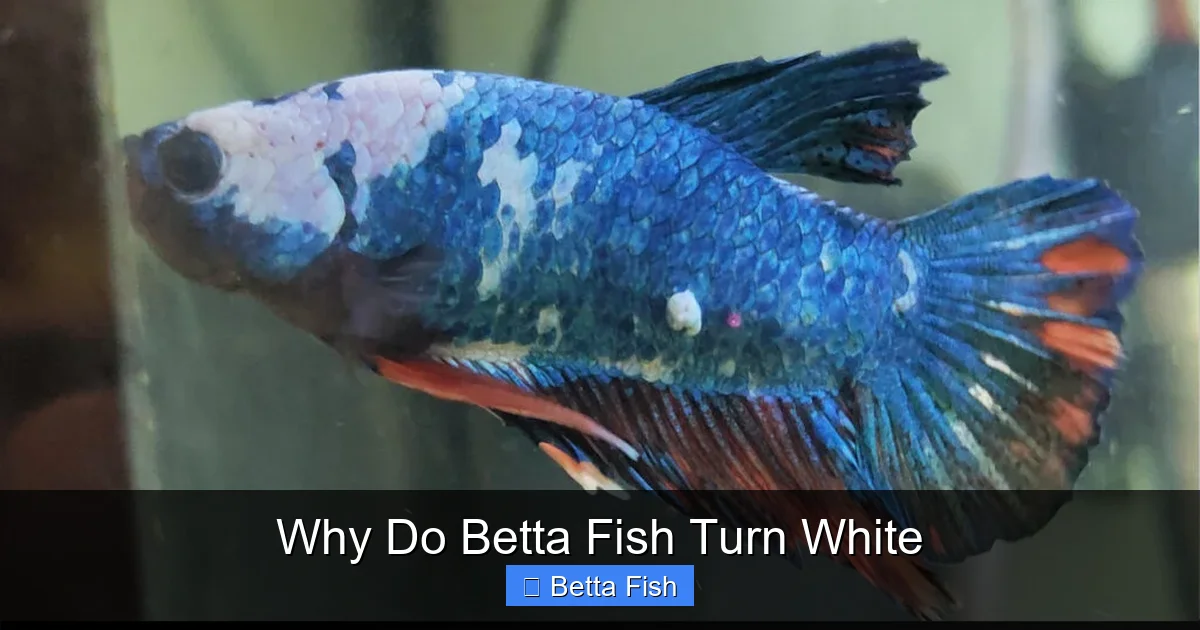
Betta fish need high‑protein foods rich in carotenoids, which give them their vivid reds and oranges. A diet that relies solely on low‑quality flakes can lead to pallor and a white‑tinged appearance.
Visual guide about Why Do Betta Fish Turn White
Image source: buildyouraquarium.com
Best foods for vibrant color
- Live or frozen brine shrimp – packed with natural pigments.
- Bloodworms – a protein boost.
- High‑quality betta pellets that list “color‑enhancing ingredients” like astaxanthin.
- Occasional vegetable treats (peeled zucchini, spinach) for added vitamins.
Feeding schedule
Feed small amounts 2‑3 times a day. Overfeeding leads to waste, which spikes ammonia and can cause whitening due to stress.
4. Water Quality – The Foundation of Color
Key parameters to monitor
| Parameter | Ideal Range |
|---|---|
| Temperature | 76‑82°F (24‑28°C) |
| pH | 6.5‑7.5 |
| Ammonia | 0 ppm |
| Nitrite | 0 ppm |
| Nitrate | ≤ 20 ppm |
Simple water‑test routine
1. Test water weekly with a liquid test kit.
2. Change 25% of the water if any parameter is out of range.
3. Use a gravel vacuum to remove debris that can harbor bacteria.
When to consider a new tank setup
If you constantly battle high nitrate or ammonia, it may be time to upgrade to a filtered system. Even a small sponge filter can dramatically improve water stability.
5. Genetics and Natural Color Changes
Why some bettas fade with age
Just like humans, bettas can lose vibrancy as they mature. Older males may develop a “milky” sheen on their fins, especially if they have been breeding.
Distinguishing natural fading from disease
Natural fading is gradual, symmetrical, and not accompanied by spots, frayed fins, or odd behavior. If the fish is active, eating well, and the water is clean, the whitening may simply be age‑related.
When to intervene
Even age‑related fading can be slowed with better nutrition and optimal water conditions. Adding a few drops of a liquid vitamin supplement once a week can help maintain pigment.
6. Practical Steps to Reverse Early Whitening
Step‑by‑step rescue plan
- Identify the cause: Observe behavior, check water, look for spots or fuzz.
- Quarantine if needed: Move the betta to a hospital tank with clean water and a heater.
- Treat: Apply the appropriate medication (ich, antifungal, etc.).
- Improve diet: Offer live foods and a high‑quality pellet.
- Maintain water: Perform daily 30% changes for the first week.
- Monitor progress: Color should begin to return within 5‑7 days if the cause is addressed.
When to seek professional help
If the whitening spreads rapidly, the fish stops eating, or you notice labored breathing, it’s time to contact a vet who specializes in fish.
Conclusion: Keep Your Betta Bright and Happy
Seeing a betta turn white can be alarming, but it’s often a sign that you can act before things get serious. By keeping an eye on water quality, providing a balanced diet, and reducing stressors, you give your fish the best chance to retain its dazzling colors. Remember, a healthy environment is the single most powerful tool in preventing whitening. Stay observant, act quickly, and enjoy the vibrant display of a happy betta.
Frequently Asked Questions
Why do betta fish turn white suddenly?
Sudden whitening usually points to stress, a spike in ammonia, or the early stages of a disease like ich or a fungal infection.
Can poor water temperature cause my betta to lose color?
Yes. Temperatures below 76°F or rapid fluctuations can stress a betta and cause its pigments to fade, often appearing white.
Is a white coating always a sign of illness?
Not always. Some older bettas naturally develop a milky sheen, but if the fish shows other symptoms—spots, lethargy, loss of appetite—illness is likely.
How long does it take for a betta to recover its color?
With proper treatment and optimal water conditions, most bettas begin to regain color within 5‑7 days. Full recovery can take up to two weeks.
Do betta fish need special lighting to keep their colors?
Moderate lighting (8‑10 hours a day) helps maintain pigment without causing stress. Avoid direct sunlight and flickering LED strips.
What should I do if my betta’s color keeps fading despite my care?
Re‑test water parameters, consider a hidden infection, and possibly consult a fish‑health veterinarian for a deeper diagnosis.