Can a Betta Fish Need a Filter
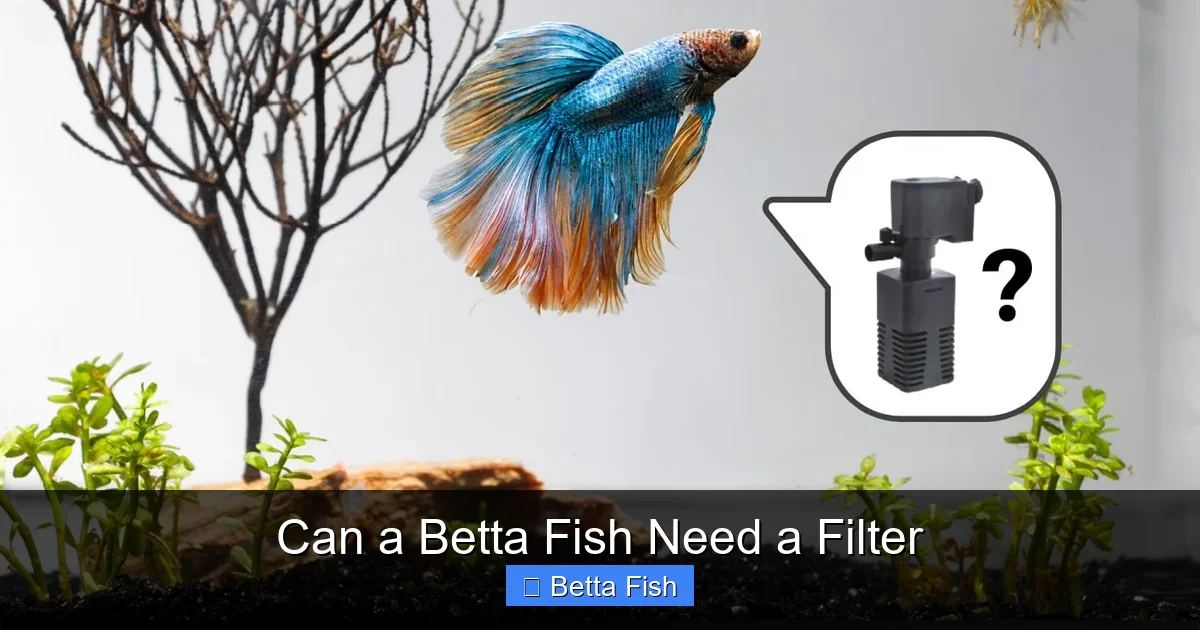
Betta fish can thrive without a filter, but using one often leads to cleaner water, less maintenance, and a healthier environment. Choosing the right type and size of filter depends on tank size, plant cover, and your willingness to perform regular water changes.
Key Takeaways
- Filters aren’t mandatory: Betta fish can live in unfiltered water if the tank is small and maintenance is diligent.
- Water quality is king: Ammonia, nitrite, and nitrate spikes harm bettas; a filter helps keep these levels low.
- Tank size matters: Larger tanks (>5 gallons) benefit more from filtration than tiny bowls.
- Choose gentle flow: Betta’s delicate fins need low‑flow or sponge filters to avoid stress.
- Plants & décor help: Live plants and substrate can partially replace filtration by absorbing waste.
- Regular maintenance is still needed: Even with a filter, weekly water changes are essential.
- Cost‑effective options exist: DIY sponge filters or small hang‑on units are budget‑friendly for beginners.
📑 Table of Contents
- Introduction: The Age‑Old Question
- 1. Understanding Betta Biology and Water Needs
- 2. The Pros and Cons of Using a Filter
- 3. Choosing the Right Filter for a Betta
- 4. When a Filter Might Not Be Necessary
- 5. Setting Up and Maintaining a Betta‑Friendly Filter
- 6. Real‑World Examples and Tips from Betta Keepers
- Conclusion: Making the Best Choice for Your Betta
Introduction: The Age‑Old Question
When you first bring home a vibrant betta, the excitement is palpable. You set up a tiny bowl, add a few pebbles, and wonder, “Can a betta fish need a filter?” The short answer is “yes and no.” Betta fish are hardy and can survive in unfiltered water for short periods, but long‑term health, vivid colors, and lively behavior usually thrive in a well‑filtered environment.
In this article we’ll explore why filtration matters, what types of filters work best, and how to decide if your betta truly needs one. We’ll keep the tone friendly—think of us chatting over a cup of coffee—so you’ll walk away with clear, actionable steps for a happy, healthy betta.
1. Understanding Betta Biology and Water Needs
1.1 The “Labyrinth” Organ
Betta fish (Betta splendens) possess a labyrinth organ that lets them gulp air from the surface. This adaptation means they can survive in low‑oxygen water, which is why many owners think a filter isn’t essential. However, the organ doesn’t protect them from toxic waste products.
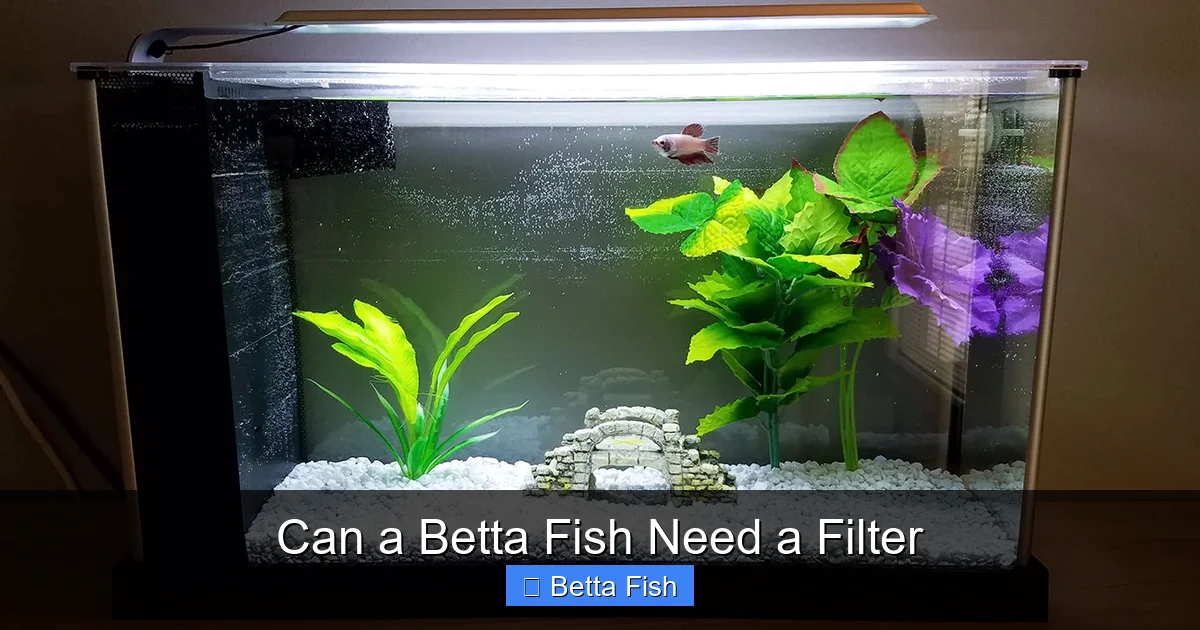
Visual guide about Can a Betta Fish Need a Filter
Image source: bettafish.org
1.2 Sensitivity to Water Parameters
Betas prefer stable water conditions: pH 6.5‑7.5, temperature 78‑80 °F, and low ammonia. Even a small spike in ammonia can cause “new tank syndrome,” leading to lethargy or death. A filter continuously removes ammonia‑producing waste, keeping the water safer.
1.3 How Much Water Do They Really Need?
While a single betta can live in a 2‑gallon bowl, the How Much Water Does A Betta Fish Need guide recommends at least 5 gallons for a more stable environment. More water dilutes toxins, making filtration less critical but still beneficial.
2. The Pros and Cons of Using a Filter
2.1 Benefits of Filtration
- Cleaner water: Mechanical filtration removes particles, keeping the water clear.
- Biological stability: Beneficial bacteria colonize filter media, converting harmful ammonia → nitrite → nitrate.
- Reduced maintenance: With a filter, you can stretch water‑change intervals from daily to weekly.
- Healthier betta: Lower stress, better coloration, and stronger immune response.
2.2 Potential Drawbacks
- Flow stress: Strong currents can damage a betta’s delicate fins.
- Cost: Quality filters and replacement media add expense.
- Space: Some filters need extra room, which can be a challenge in tiny setups.
3. Choosing the Right Filter for a Betta
3.1 Types of Filters
There are three main filter types that work well with bettas:
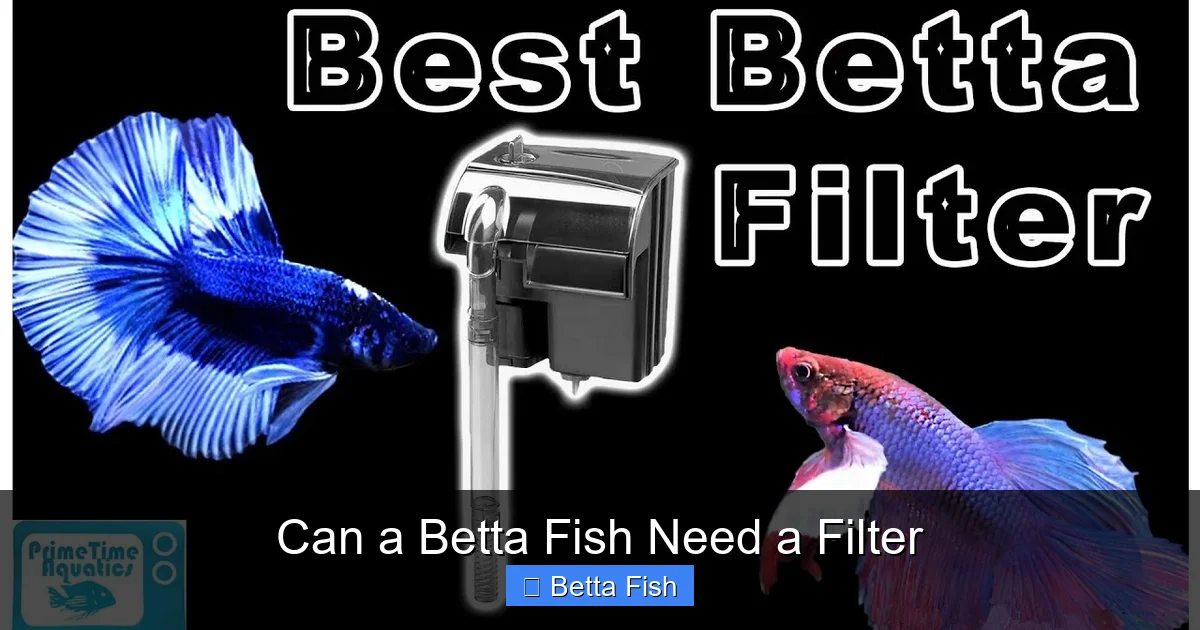
Visual guide about Can a Betta Fish Need a Filter
Image source: i.ytimg.com
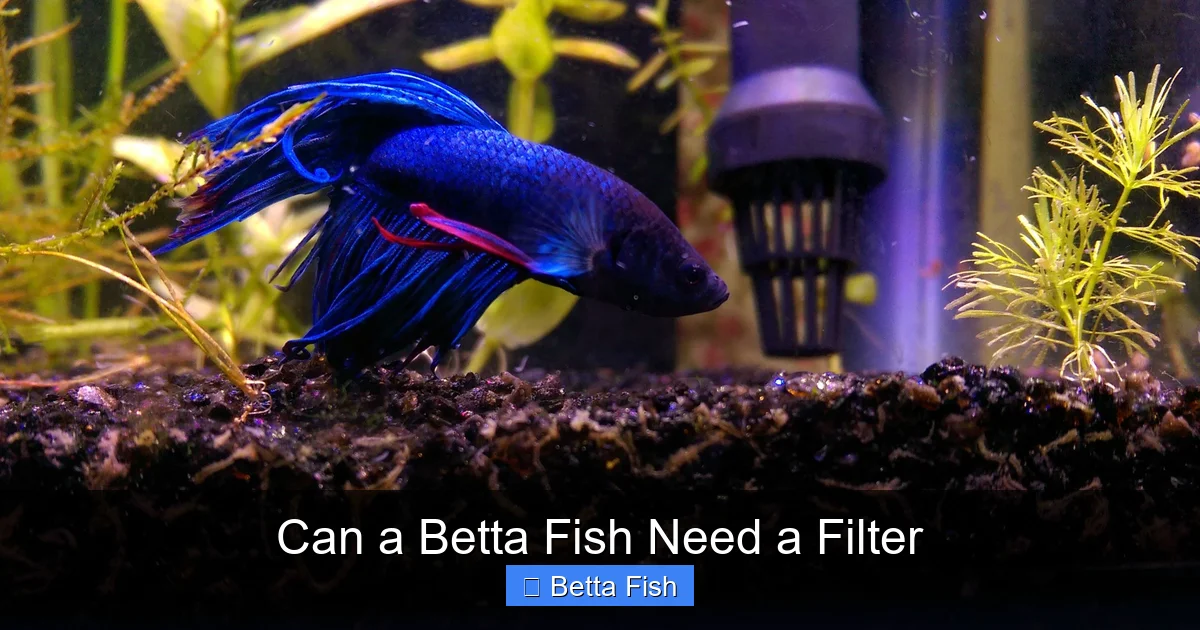
Visual guide about Can a Betta Fish Need a Filter
Image source: thesprucepets.com
- Sponge filters: Low flow, excellent biological media, and act as a gentle water conditioner.
- Hang‑on‑back (HOB) filters: Provide mechanical, biological, and chemical filtration; choose models with adjustable flow.
- Internal filters: Small canisters placed inside the tank; ensure the outlet is directed away from the betta.
3.2 Flow Rate Guidelines
A good rule of thumb is 2‑3 times the tank volume per hour. For a 5‑gallon tank, aim for 10‑15 GPH. Many filters exceed this, so use a spray bar or a sponge to reduce the flow.
3.3 DIY Options for Budget‑Conscious Keepers
If you’re just starting, a simple sponge filter attached to an air pump works wonders. It provides gentle water movement and a surface for beneficial bacteria. Check out our article on Does A Betta Fish Need An Air Pump for setup tips.
4. When a Filter Might Not Be Necessary
4.1 Small, Heavily Planted Bowls
In a 2‑gallon bowl filled with live plants, the plants themselves act as natural filters. They absorb nitrates and produce oxygen, allowing a betta to live comfortably without a mechanical filter. However, this setup requires diligent pruning and weekly 25‑30% water changes.
4.2 Short‑Term Holds
If you’re temporarily housing a betta—say, while waiting for a new tank—skip the filter but perform daily 50% water changes. This prevents ammonia buildup while you transition.
4.3 The “Can My Betta Fish Live Without a Filter?” Perspective
Our sister article Can My Betta Fish Live Without A Filter dives deeper into scenarios where a filter isn’t mandatory. The key takeaway: it’s possible, but you must be prepared for extra maintenance.
5. Setting Up and Maintaining a Betta‑Friendly Filter
5.1 Installation Steps
- Rinse the filter media in dechlorinated water to remove dust.
- Place the filter according to the manufacturer’s instructions—usually at the tank’s back to reduce visual stress.
- Adjust the flow using the provided valve or by adding a sponge pre‑filter.
- Prime the filter (if required) and run it for 24 hours before adding your betta.
5.2 Routine Care
- Weekly checks: Ensure the flow isn’t too strong; clean the intake tube.
- Biological media: Rinse in tank water (not tap) to preserve beneficial bacteria.
- Water changes: Replace 20‑30% of water weekly, even with a filter.
5.3 Troubleshooting Common Issues
Cloudy water: May indicate insufficient biological filtration. Add more sponge or reduce feeding.
Betta hiding: Flow may be too strong. Add a diffuser or reposition the filter outlet.
6. Real‑World Examples and Tips from Betta Keepers
6.1 Case Study: 5‑Gallon Tank with a Sponge Filter
Jenny set up a 5‑gallon tank with a 2‑inch sponge filter attached to a silent air pump. She trimmed the flow with a piece of mesh and performed 25% water changes weekly. After three months, her betta’s fins were vibrant, and she reported no algae issues.
6.2 Case Study: 2‑Gallon Bowls without Filtration
Mark kept his betta in a 2‑gallon bowl with java moss and performed 50% water changes twice a week. While the betta survived, the water turned green quickly, and the fish showed occasional lethargy—signs that a filter would have improved quality.
6.3 Quick Tips for Success
- Never place the filter’s output directly above the betta’s resting spot.
- Use a heater if the room temperature drops below 75 °F; stable temperature works hand‑in‑hand with filtration.
- Test water weekly with a liquid test kit to monitor ammonia, nitrite, and nitrate.
- Consider adding driftwood or Indian almond leaves; they release tannins that lower pH and help beneficial bacteria.
Conclusion: Making the Best Choice for Your Betta
So, can a betta fish need a filter? The answer depends on your tank size, décor, and willingness to maintain water quality. In a small, heavily planted bowl, a filter isn’t strictly necessary, but you’ll need to work harder on water changes. In larger tanks, a gentle filter provides a safety net that keeps ammonia low, reduces maintenance, and promotes a brighter, more active betta.
Think of filtration as a partnership: the filter handles the invisible waste, while you provide food, love, and occasional tank clean‑ups. Choose a low‑flow sponge or a HOB with adjustable output, keep an eye on water parameters, and enjoy watching your betta flaunt its fins in crystal‑clear water.
Frequently Asked Questions
Do bettas need a filter if they have live plants?
Live plants help absorb waste, but they don’t replace the biological filtration that a filter provides. A small sponge filter is still recommended for stability.
Can I use a regular fish filter for a betta?
Yes, as long as you can reduce the flow to a gentle level. Many HOB filters have adjustable flow settings or can be paired with a pre‑filter sponge.
How often should I change the filter media?
Rinse the mechanical media weekly in tank water. Replace biological media only when it breaks down, typically every 6‑12 months.
Will a filter increase the temperature of the water?
Most filters slightly cool water as it passes through. In a heated betta tank, this effect is minimal, but always monitor temperature after installing a new filter.
Is a filter necessary for a betta in a 10‑gallon tank?
While a betta could survive without one, a filter in a 10‑gallon tank greatly improves water quality and reduces the frequency of large water changes.
Can I keep a betta with other fish if I have a filter?
A well‑filtered tank makes it easier to house compatible tank mates, but always choose peaceful species and provide plenty of hiding spots. See our guide on What Fish Can Go With A Betta Fish for safe choices.