Can Betta Fish and Turtles Be in the Same Tank
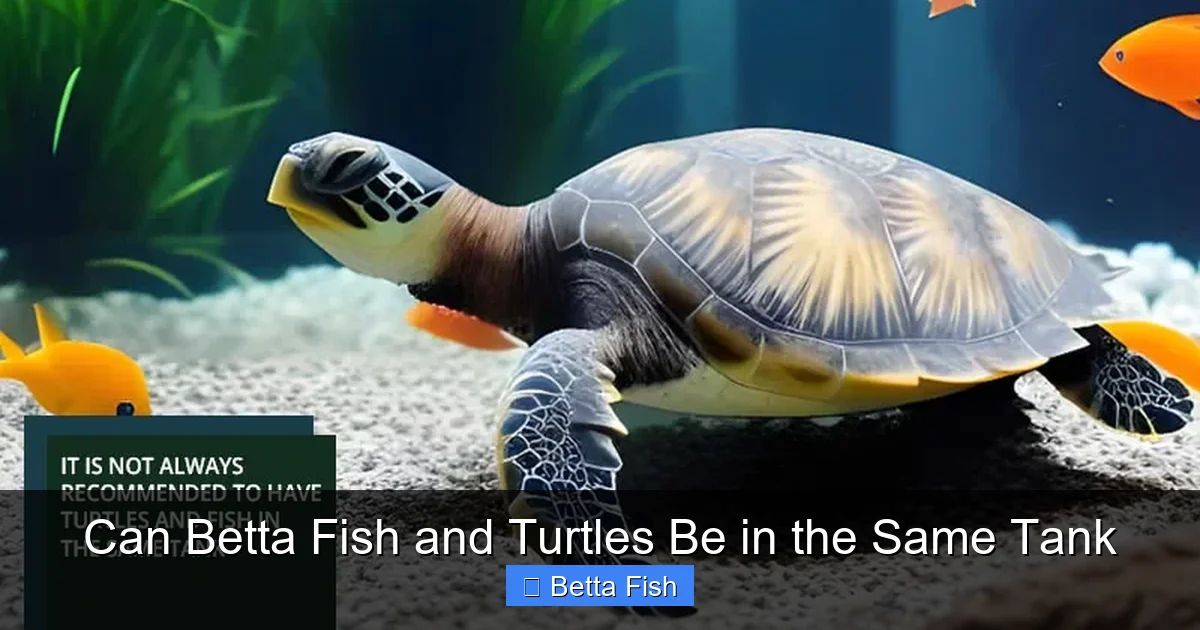
Betta fish and turtles have very different needs, making co‑habitation risky. With the right tank size, water parameters, and careful monitoring, a short‑term setup might work, but most experts recommend keeping them separate for long‑term health.
Key Takeaways
- Different habitats: Betta fish need calm, warm water; turtles require larger, more active spaces.
- Aggression risk: Turtles may see bettas as food, leading to stress or death.
- Water quality: Turtles produce a lot of waste, which can quickly foul water that bettas need to stay pristine.
- Tank size matters: A minimum of 55 gallons is recommended if you attempt a shared tank.
- Separate zones: Use barriers or a basking platform to give each species its own territory.
- Monitoring is essential: Watch for signs of stress, injuries, or water parameter spikes daily.
- Long‑term recommendation: Most hobbyists keep bettas and turtles in separate tanks for the health of both.
📑 Table of Contents
Introduction: A Curious Question
It’s a common sight on pet‑store aisles – a bright, flowing betta swimming beside a slow‑moving turtle basking on a rock. The visual contrast makes many hobbyists wonder: Can betta fish and turtles be in the same tank? The answer isn’t a simple yes or no. It depends on species, tank size, water conditions, and how much supervision you can provide.
In this article we’ll break down the biology of both animals, explore the practical challenges of mixing them, and give you a step‑by‑step guide if you decide to try it. By the end you’ll know whether a shared aquarium is a fun experiment or a recipe for disaster.
Understanding the Two Species
Betta Fish Basics
Betta splendens, often called Siamese fighting fish, are native to shallow, warm waters of Thailand. They thrive in temperatures of 78‑82°F (25‑28°C) and prefer calm water with low currents. Their labyrinth organ lets them gulp air from the surface, so they can survive in low‑oxygen environments – but they still need clean, stable water.
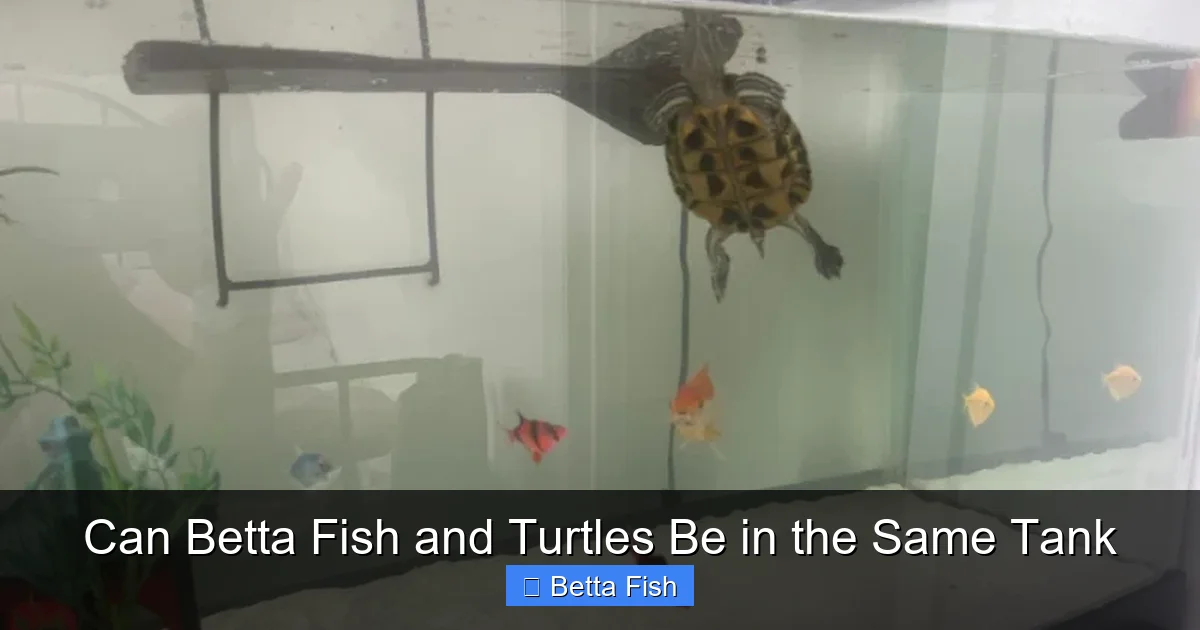
Visual guide about Can Betta Fish and Turtles Be in the Same Tank
Image source: turtleholic.com
Betas are territorial and can be aggressive toward other fish, especially those with bright colors or flowing fins. Their delicate fins also make them vulnerable to rough‑scaled tank mates.
Turtle Essentials
Freshwater turtles such as the red‑eared slider or painted turtle are active swimmers and frequent baskers. They need a basking area that stays around 85‑90°F (29‑32°C) and a water temperature of 75‑80°F (24‑27°C). Turtles are prolific waste producers; a single adult can generate as much waste as several small fish combined.
Most turtles are opportunistic feeders and may try to eat anything that moves within reach, including small fish. Their strong jaws can inflict serious injuries.
Why Mixing Is Problematic
Predatory Instincts
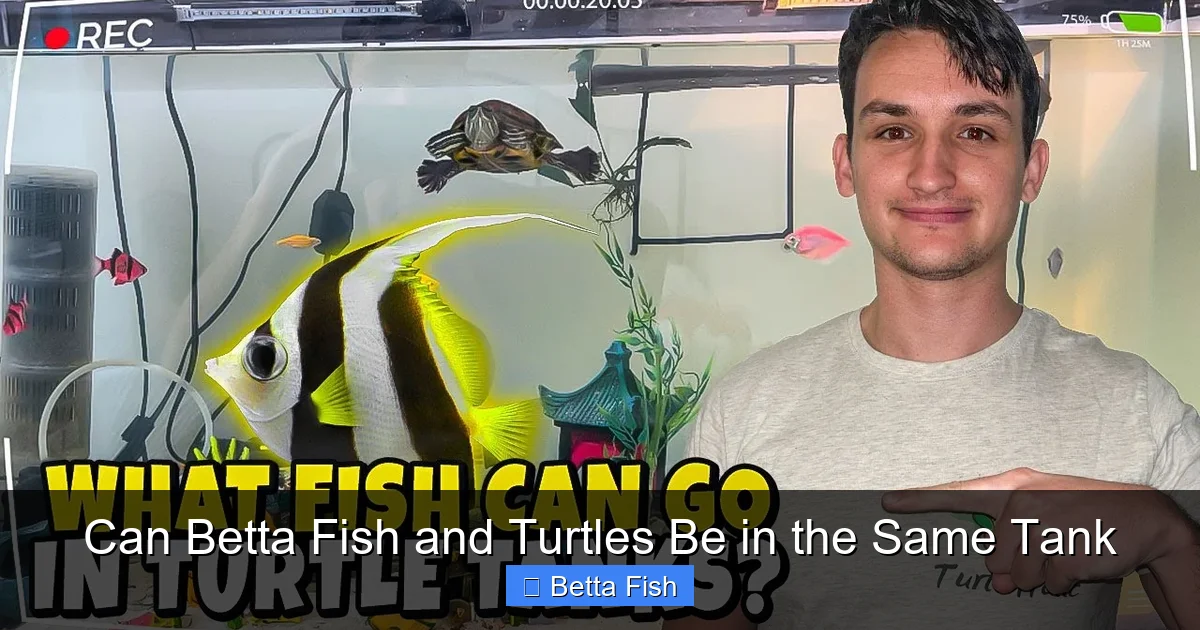
Even a well‑fed turtle may see a tiny, fluttering betta as a snack. Unlike larger fish that can out‑swim a turtle, bettas have limited speed and are easily caught.
Visual guide about Can Betta Fish and Turtles Be in the Same Tank
Image source: i.ytimg.com
Water Parameter Clash
Betas thrive in pristine, slightly acidic to neutral water (pH 6.5‑7.5). Turtles, however, raise ammonia and nitrite levels quickly due to their waste load. Maintaining a stable nitrogen cycle for a betta in a turtle‑filled tank requires heavy filtration and frequent water changes.
Space Requirements
A single betta can be comfortable in a 5‑gallon tank, but turtles need at least 20‑30 gallons per adult, plus extra room for swimming. Trying to meet both needs often results in a tank that’s too small for the turtle and too busy for the betta.
Stress and Health Risks
Stress weakens a betta’s immune system, making it prone to fin rot, velvet disease, and fungal infections. Turtles can also become stressed if they feel threatened, leading to reduced appetite and shell problems.
If You Still Want to Try: A Step‑by‑Step Guide
1. Choose the Right Turtle Species
Smaller, slower turtles like the mud turtle or the African dwarf turtle are less likely to view a betta as prey. Avoid large, aggressive species such as red‑eared sliders.
Visual guide about Can Betta Fish and Turtles Be in the Same Tank
Image source: sharksinfo.com
2. Size Up the Tank
For a single small turtle and one betta, aim for a minimum of 55 gallons. This provides enough swimming space for the turtle and a separate “quiet zone” for the betta.
Use a How Big Should A Tank Be For A Betta Fish guide to confirm the betta’s minimum volume, then add the turtle’s requirements on top.
3. Create Physical Barriers
Install a sturdy acrylic or mesh divider that reaches from the bottom to just below the water surface. This lets the turtle bask on one side while the betta swims on the other. Ensure the barrier has small holes for water flow but prevents the turtle from reaching the fish.
4. Set Up Separate Basking and Hiding Areas
- Basking: Place a large, UV‑B–rated basking platform on the turtle side, with a heat lamp set to 90°F.
- Hiding: Add live or artificial plants, caves, and silk leaves on the betta side to reduce stress.
5. Install Heavy‑Duty Filtration
A canister filter rated for at least double the tank volume is essential. Pair it with a bio‑ball or ceramic media to handle the high ammonia load from the turtle.
6. Monitor Water Parameters Daily
Test for ammonia, nitrite, nitrate, and pH at least once a day for the first two weeks. Keep ammonia at 0 ppm, nitrite at 0 ppm, and nitrates below 20 ppm.
7. Feed Separately
Feed the turtle on the dry side of the divider and the betta with sinking pellets or frozen bloodworms in its own area. Remove any uneaten food within five minutes to prevent water fouling.
8. Observe Behavior Closely
Watch for signs of stress: faded colors, clamped fins, or frantic swimming in bettas; lethargy, shell discoloration, or lack of appetite in turtles. If any negative signs appear, separate them immediately.
Alternatives to a Shared Tank
Separate Tanks with Linked Filtration
Run two tanks on the same filtration system but keep the species apart. This reduces equipment costs while maintaining ideal conditions for each animal.
Seasonal Co‑habitation
Some hobbyists keep bettas and turtles together only for short periods (e.g., a few weeks) for observation, then return them to separate tanks. This can work if you’re diligent about water changes and monitoring.
Consider Other Tank Mates
If you love a community aquarium, explore fish that are proven tank mates for bettas, such as certain rasboras, small catfish, or snails. Check out Which Fish Can Live With Betta Fish In A Tank for safe options.
Conclusion: Proceed With Caution
While it’s technically possible to keep a betta fish and a small turtle together, the effort required to maintain suitable water quality, temperature, and safety is high. Most experienced aquarists recommend separate tanks to give each species the environment it needs to thrive.
If you decide to experiment, start with a large, well‑filtered tank, use a sturdy divider, and commit to daily monitoring. Remember, the health of your pets comes first – if any sign of stress appears, separate them immediately.
Frequently Asked Questions
Can a betta fish survive in a turtle’s water?
Only if the water is kept exceptionally clean and the temperature stays within the betta’s range. Turtles generate a lot of waste, so without strong filtration the water will become toxic quickly.
Do turtles eat betta fish?
Many turtles are opportunistic predators and may try to eat a small betta, especially if the turtle can reach the fish. Using a divider greatly reduces this risk.
What tank size is the minimum for both?
For a single small turtle and one betta, aim for at least 55 gallons. This provides enough room for the turtle to swim and a separate area for the betta to relax.
How often should I change the water?
In a mixed tank, perform a 25‑30% water change every 2‑3 days until the nitrogen cycle stabilizes. After that, weekly changes of 20% are a good baseline.
Can I keep multiple bettas with a turtle?
No. Multiple bettas increase aggression and stress, and a turtle’s waste load would overwhelm the filtration system even more.
Are there any safe turtle species for a shared tank?
Smaller, slower turtles like mud turtles or African dwarf turtles are less likely to view a betta as prey, but they still require careful monitoring and a large tank.