Betta fish produce waste that can be turned into plant food, but it’s not a magic fertilizer. By understanding nitrogen cycles, using proper filtration, and supplementing with water‑soluble nutrients, hobbyists can safely benefit from betta waste in a planted aquarium. Follow our guide to make the most of your betta’s natural contributions.
Key Takeaways
- Betta waste contains nitrogen: Ammonia from fish waste can become usable nitrate for plants.
- Filtration matters: A good bio‑filter converts toxic ammonia into plant‑friendly nutrients.
- Supplement, don’t rely solely on waste: Betta waste alone is insufficient for a fully stocked planted tank.
- Regular water changes are essential: They keep nitrate levels in check and prevent algae spikes.
- Small tanks need extra care: In a betta bowl, waste buildup is quicker, making fertilizer use risky.
- DIY liquid fertilizer is easy: Diluted betta water can be added to larger planted tanks safely.
- Monitor water parameters: Test kits for ammonia, nitrite, and nitrate guide how much waste you can use.
📑 Table of Contents
- Introduction: Why the Question Pops Up
- 1. Understanding the Nitrogen Cycle in a Betta Tank
- 2. Setting Up a Betta‑Friendly Planted Tank
- 3. Turning Betta Waste into DIY Fertilizer
- 4. When Betta Waste Isn’t Enough
- 5. Common Mistakes and How to Avoid Them
- 6. Real‑World Example: A Betta‑Only Planted 5‑Gallon Setup
- Conclusion: Can a Betta Fish Make Fertilizer?
Introduction: Why the Question Pops Up
If you’ve ever watched a betta fish glide through its tiny world, you might wonder, “Can a betta fish make fertilizer?” The idea sounds tempting—turning a pet’s waste into something useful for plants. In the aquarium hobby, many keepers already rely on the natural nitrogen cycle to feed their greenery. But does a single betta produce enough nutrients? And is it safe?
In this article we’ll break down the science, share practical tips, and help you decide whether to let your betta’s waste feed your plants or stick to commercial fertilizers. By the end, you’ll know exactly how to harness that waste without harming your fish.
1. Understanding the Nitrogen Cycle in a Betta Tank
Ammonia: The Starting Point
All fish, including bettas, excrete ammonia through their gills and urine. In a closed system, ammonia is toxic and must be processed quickly. In a well‑cycled tank, beneficial bacteria (Nitrosomonas) convert ammonia into nitrite, and another group (Nitrobacter) turns nitrite into nitrate.
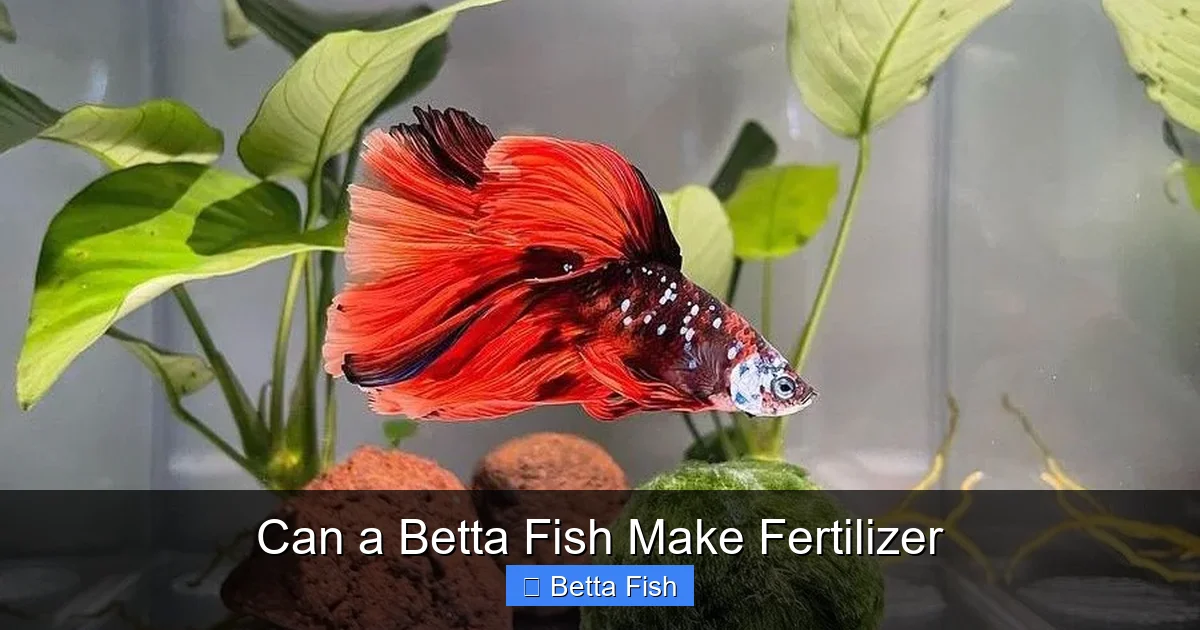
Visual guide about Can a Betta Fish Make Fertilizer
Image source: ouraquariumlife.com
Nitrate: The Plant’s Favorite Nutrient
Plants love nitrate because it’s a primary source of nitrogen, essential for leaf growth. In a planted aquarium, the nitrate produced by the bio‑filter becomes food for the roots. This is where the idea of “betta fertilizer” originates.
How Much Can One Betta Contribute?
A healthy adult betta releases roughly 0.5‑1 mg of ammonia per day. After full nitrification, that becomes about the same amount of nitrate. Compared to a 20‑gallon planted tank that may need 5‑10 mg/L of nitrate, a single betta’s contribution is modest. It’s enough to support a few low‑light plants, but not a dense, high‑growth setup.
2. Setting Up a Betta‑Friendly Planted Tank
Choosing the Right Tank Size
While many bettas live in small bowls, a planted setup needs space. A 5‑gallon (≈19 L) tank is the sweet spot: large enough for filtration, yet still cozy for a solitary betta. If you’re wondering “Can you keep betta fish in a bowl?” the answer is yes, but a planted bowl quickly becomes a nutrient trap.
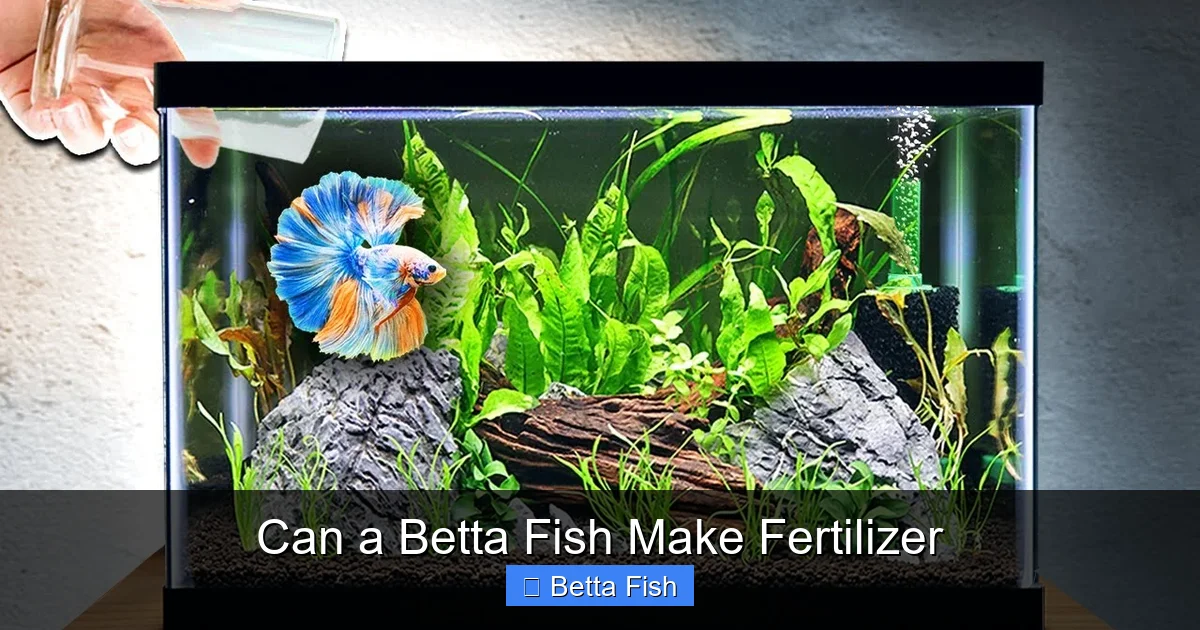
Visual guide about Can a Betta Fish Make Fertilizer
Image source: i.ytimg.com
Essential Filtration
Use a sponge filter or a hang‑on‑back (HOB) filter with bio‑media. The filter’s bacteria will handle the ammonia → nitrate conversion. Without it, waste accumulates, leading to fish stress and algae blooms.
Substrate and Plants
Fine‑grained soil or a nutrient‑rich substrate provides a base for plant roots. Add hardy species like Java fern, Anubias, or Cryptocoryne. These plants can thrive on low nitrate levels, making them ideal for a betta‑only system.
Lighting and CO₂
Moderate LED lighting (2‑3 watts per gallon) works well. If you want faster growth, consider a low‑dose CO₂ system, but remember that higher plant demand will outpace a betta’s waste output.
3. Turning Betta Waste into DIY Fertilizer
Collecting Water Changes
When you perform a weekly water change (about 20‑30% of the tank volume), set the removed water aside in a clean container. This water contains the nitrate your betta has produced.
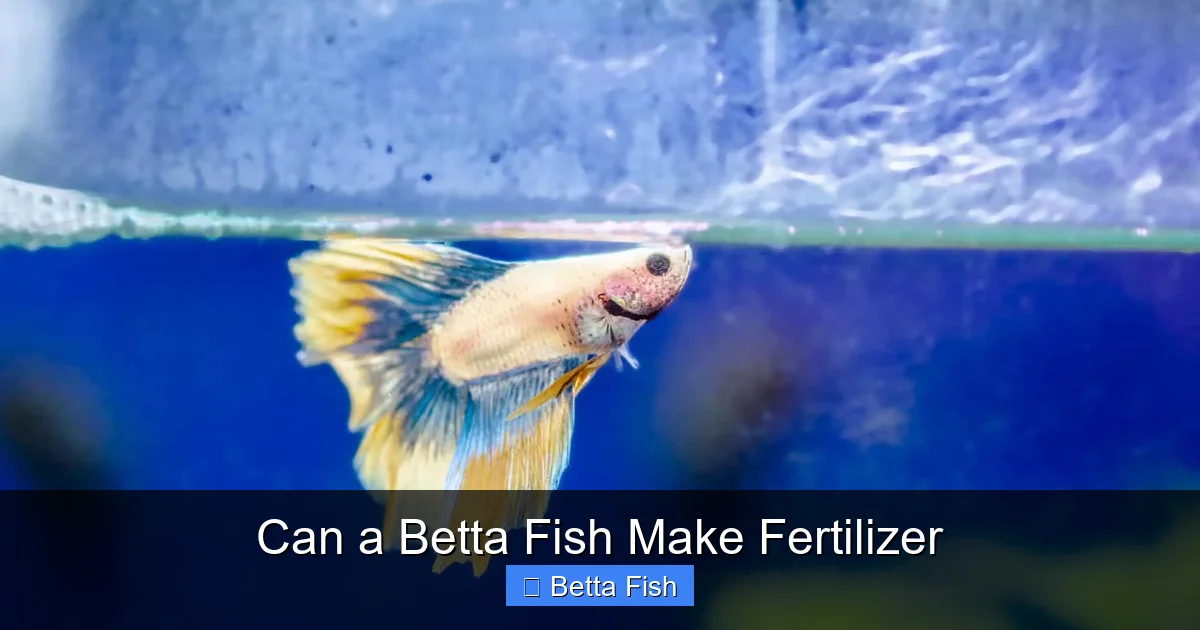
Visual guide about Can a Betta Fish Make Fertilizer
Image source: bettasource.com
Dilution Ratio
For a larger planted tank (10‑20 gallons), dilute the collected water 1:4 with fresh dechlorinated water before adding it back. This prevents sudden nitrate spikes that could stress the betta or promote algae.
Applying to Other Tanks
If you have a separate planted tank without fish, the diluted betta water can serve as a mild liquid fertilizer. Add it once a week, watching nitrate levels with a test kit.
Safety Tips
- Never use water that smells foul; it may indicate a filter failure.
- Always test for ammonia and nitrite before re‑adding water.
- Use dechlorinator if you add tap water to the mix.
4. When Betta Waste Isn’t Enough
Recognizing Deficiencies
If your plants show yellowing leaves, stunted growth, or long spacing, they likely need more nitrogen, potassium, or iron than a single betta can provide.
Supplementing with Commercial Fertilizers
Liquid fertilizer blends (e.g., Seachem Flourish) are easy to dose. Add them according to the product’s instructions, then monitor nitrate levels. The betta’s waste can act as a supplemental source, not the sole one.
Balancing Fish Health and Plant Needs
Too much nitrate can stress a betta, especially in small tanks. Aim for 10‑20 mg/L nitrate in a planted tank; keep ammonia and nitrite at 0 mg/L. Regular testing keeps both parties happy.
5. Common Mistakes and How to Avoid Them
Over‑feeding the Betta
Excess food equals excess waste, which can lead to ammonia spikes. Feed only what your betta can eat in 2‑3 minutes, once or twice a day.
Skipping Water Changes
Even with a good filter, nitrate will accumulate. A 20‑30% weekly change keeps levels manageable and provides fresh water for your fish.
Using a Bowl Without Filtration
In a bowl, waste builds up quickly, making the water toxic. If you love the “bowl aesthetic,” add a tiny sponge filter or upgrade to a proper tank.
Neglecting Parameter Tests
Test kits for ammonia, nitrite, and nitrate are cheap and essential. Test weekly and after any major change (new plants, fertilizer, or water source).
6. Real‑World Example: A Betta‑Only Planted 5‑Gallon Setup
Setup Overview
John set up a 5‑gallon tank with a sponge filter, a layer of eco‑soil, and three hardy plants: Java moss, Anubias nana, and Cryptocoryne wendtii. He added a single male betta and fed it twice daily.
Maintenance Routine
- Weekly 25% water change; saved the old water.
- Diluted saved water 1:3 with fresh water and added it back.
- Tested nitrate each week; stayed between 10‑15 mg/L.
- Added a drop of liquid fertilizer once a month for iron.
Results
After three months, the plants were lush, and the betta showed vibrant colors and active behavior. John never needed a separate fertilizer, proving that a betta’s waste can sustain a modest planted setup when combined with good filtration and occasional supplementation.
Conclusion: Can a Betta Fish Make Fertilizer?
Yes—a betta fish can contribute nitrogen to a planted aquarium, effectively acting as a natural, low‑level fertilizer. However, the amount is limited, and relying solely on betta waste will only support a small number of low‑demand plants. By pairing your betta’s waste with proper filtration, regular water changes, and occasional commercial nutrients, you can create a healthy, thriving tank that benefits both fish and foliage.
Remember to monitor water parameters, avoid over‑feeding, and choose an appropriately sized tank. With these steps, you’ll turn your betta’s natural processes into a gentle boost for your underwater garden.
Frequently Asked Questions
Can I use betta waste as the only fertilizer in a large planted tank?
No. A single betta’s waste provides only a small amount of nitrate, which is insufficient for a heavily planted tank. Supplement with commercial fertilizers for best results.
How often should I change water in a betta tank that also has plants?
Change 20‑30% of the water weekly. This removes excess nutrients, prevents algae, and gives you fresh water to reuse as a mild fertilizer.
Is it safe to keep a betta in a bowl with live plants?
It can work, but only if the bowl has some form of filtration or frequent water changes. Without filtration, waste builds up quickly, harming both fish and plants.
What plants are best for a betta‑only planted tank?
Hardy, low‑light plants like Java fern, Anubias, Cryptocoryne, and Java moss thrive on the modest nitrate levels a betta provides.
Do I need a CO₂ system for a betta‑friendly planted aquarium?
CO₂ is optional. If you add CO₂, plant demand will increase, and the betta’s waste alone won’t meet the nutrient needs, so you’ll need additional fertilizer.
Can I keep other fish with my betta and still use its waste as fertilizer?
Yes, but adding more fish increases waste, which may require stronger filtration. Be sure to research compatible species; see Which fish can live with betta fish in a tank for guidance.

