Betta fish can sometimes share a tank with zebra danios, but success depends on temperament, tank size, and careful planning. Provide plenty of hiding spots, maintain good water conditions, and monitor interactions closely to avoid stress or aggression.
Key Takeaways
- Temperament matters: Both species can be semi‑aggressive; watch for fin‑nipping.
- Tank size is critical: A minimum of 20 gallons gives enough space for both.
- Plenty of cover: Plants, caves, and decorations reduce stress.
- Water parameters must match: Keep temperature around 78‑80 °F and pH 6.5‑7.5.
- Introduce slowly: Use a quarantine or divider method to gauge reactions.
- Monitor daily: Early signs of bullying require immediate action.
- Alternative companions: If trouble persists, consider more peaceful tank mates like snails or shrimp.
📑 Table of Contents
- Introduction: The Question on Every Betta Owner’s Mind
- 1. Understanding the Basics of Betta and Zebra Danio Behavior
- 2. Matching Water Parameters and Tank Conditions
- 3. Setting Up the Tank for Harmony
- 4. Introducing the Fish: A Step‑by‑Step Guide
- 5. Monitoring and Maintaining Peace
- 6. When Compatibility Fails: Alternatives and Solutions
- Conclusion: Making the Right Choice for Your Aquarium
Introduction: The Question on Every Betta Owner’s Mind
If you’ve ever watched a bright‑red betta flare its fins and then seen a school of sleek zebra danios dart around the same tank, you might wonder: can these two fish live together peacefully? It’s a common query among hobbyists who want a lively community without sacrificing the beauty of a betta.
Answering this question isn’t as simple as a “yes” or “no.” It involves understanding the natural instincts of each species, the environment you can provide, and the subtle art of tank management. In this guide we’ll break down everything you need to know—from temperament and water needs to practical set‑up tips—so you can make an informed decision for your aquatic friends.
1. Understanding the Basics of Betta and Zebra Danio Behavior
Betta fish: the “Siamese fighting fish”
Betta splendens are famous for their bold colors and territorial nature. Males, in particular, guard a small area and will flare at anything they perceive as a rival. While they can coexist with certain peaceful species, they may become aggressive if they feel cramped or threatened.
Visual guide about Can a Betta Fish Live with Zebra Danios
Image source: petfishonline.com
Zebra danios: the energetic swimmers
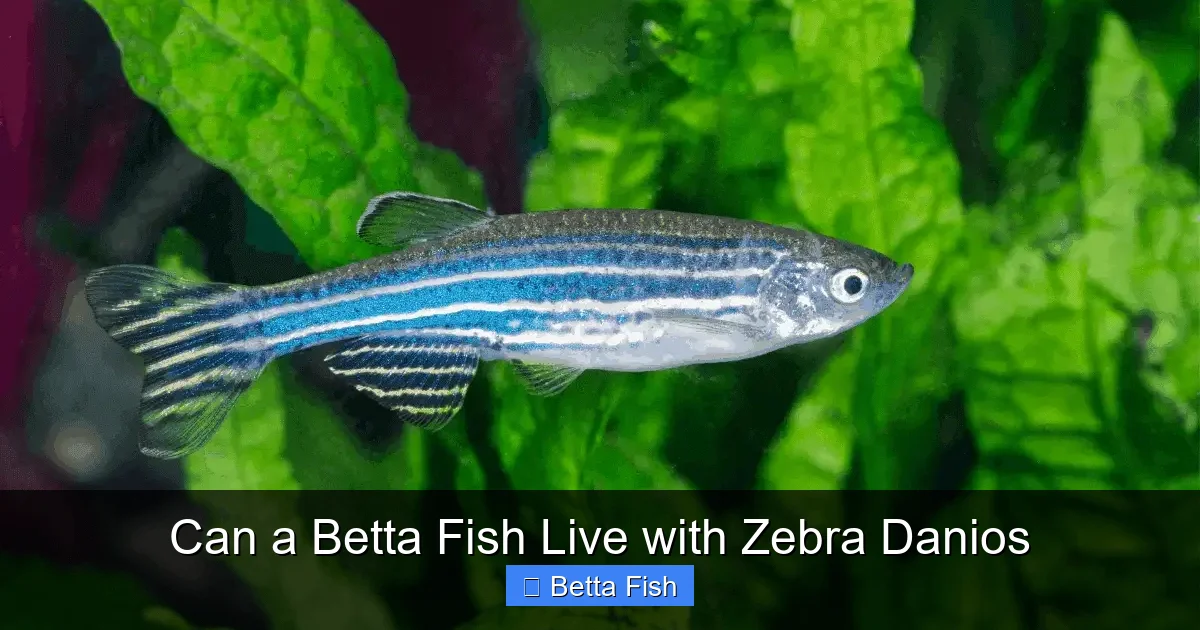
Danio rerio, commonly called zebra danios, are active, schooling fish that love to dart from one end of the tank to the other. They are not aggressive, but their fast movement can be misinterpreted by a betta as a provocation, especially if the betta’s line of sight is constantly interrupted.
Key behavioral overlap
- Both species prefer water that is warm (78‑80 °F).
- Both are surface‑feeders, meaning they will compete for food at the top.
- Both enjoy a moderately planted environment, though bettas also like floating plants.
Understanding these overlaps helps you create a tank where both can feel comfortable.
2. Matching Water Parameters and Tank Conditions
Temperature and pH
Betta fish thrive at 78‑80 °F, while zebra danios are comfortable in the same range, though they can tolerate slightly cooler water down to 70 °F. Keeping the tank at a stable 78‑80 °F satisfies both.

Visual guide about Can a Betta Fish Live with Zebra Danios
Image source: efishkeeping.com
Both species prefer a pH between 6.5 and 7.5. Use a reliable test kit and adjust with driftwood or peat if you need to lower pH, or add crushed coral to raise it.
Tank size and shape
A 20‑gallon long tank is the sweet spot. The extra length gives zebra danios ample room to school, while the height allows you to add floating plants and tall decorations for the betta’s hiding spots. Smaller tanks increase stress and often lead to aggression.
Filtration and flow
Both fish appreciate gentle water movement. A sponge filter or a low‑flow hang‑on filter works well. Excessive current can stress the betta, and too little flow can cause water quality issues for the active danios.
3. Setting Up the Tank for Harmony
Plants, caves, and decor
Provide at least three distinct hiding places: a dense bunch of Java fern, a smooth river rock cave, and a piece of driftwood with a tunnel. These give the betta a place to retreat if the danios become too boisterous.
Visual guide about Can a Betta Fish Live with Zebra Danios
Image source: i.ytimg.com
Creating a “busy” environment
Because zebra danios love to swim high, adding floating plants like water sprite or duckweed creates a visual barrier. This reduces the chance of the betta seeing the danios constantly, which can lower flare responses.
Substrate and lighting
A fine sand or smooth gravel substrate prevents injury to the betta’s delicate fins. Aim for a moderate photoperiod—8 to 10 hours of light per day—to mimic natural conditions and keep algae in check.
4. Introducing the Fish: A Step‑by‑Step Guide
Quarantine first
Never introduce new fish directly into an established community. Quarantine the zebra danios for at least two weeks to ensure they’re disease‑free.
Use a tank divider
Place a clear acrylic divider in the tank. This lets the fish see each other without physical contact. Observe for 24‑48 hours; if the betta flares constantly, the pairing may be too risky.
Gradual acclimation
After the divider test, perform a drip acclimation for the danios. Float the bag in the tank for 15 minutes, then slowly add tank water to the bag over an hour before releasing them.
First feeding together
Offer a mix of high‑quality betta pellets and tiny daphnia or brine shrimp for the danios. Feed small portions at opposite ends of the tank to reduce competition.
5. Monitoring and Maintaining Peace
Watch for signs of stress
- Betta: Constant flaring, loss of color, clamped fins.
- Danios: Hiding near the bottom, torn fins, loss of schooling behavior.
If you notice any of these, consider re‑housing the aggressive fish or adding more cover.
Regular water changes
Perform 25 % water changes weekly. This keeps ammonia and nitrite low, which is vital because stressed fish produce more waste.
Feeding routine
Feed twice daily, offering a small amount that can be consumed within two minutes. Overfeeding leads to clouded water, which can trigger territorial behavior.
6. When Compatibility Fails: Alternatives and Solutions
Separate tanks
If aggression escalates, the safest option is to keep each species in its own tank. A 5‑gallon betta bowl (with proper filtration) works well, while the danios can thrive in a community tank with other peaceful fish.
Other suitable tank mates
Consider adding shrimp (e.g., cherry shrimp) or small snails. They occupy different niches and are less likely to provoke a betta. For more fish options, see our guide on What Fish Can Live With A Betta and Which Fish Can I Put With A Betta. These articles list peaceful community species that coexist well with bettas.
Behavioral training
Occasionally, re‑introducing the betta to a new, larger tank with plenty of visual barriers can reduce aggression over time. Patience and consistent observation are key.
Conclusion: Making the Right Choice for Your Aquarium
Can a betta fish live with zebra danios? Yes, but only under the right conditions. A spacious, well‑planted tank, stable water parameters, and careful introduction are non‑negotiable. Even then, you must stay vigilant—fish personalities vary, and a single aggressive betta can turn a peaceful community into a battlefield.
When you’re ready to try, follow the step‑by‑step plan outlined above, and keep a close eye on both species during the first few weeks. If problems arise, don’t hesitate to rearrange the tank or provide separate homes. With patience and the right setup, you can enjoy the vibrant colors of a betta alongside the lively antics of zebra danios, creating a dynamic and beautiful aquarium.
Frequently Asked Questions
Will a betta always attack zebra danios?
Not always. Some bettas tolerate danios, especially if the tank is large and has plenty of hiding spots. However, the risk of fin‑nipping is real.
What tank size is the minimum for this combo?
A 20‑gallon long tank is the minimum recommended to give both species enough space to establish territories.
Can I keep multiple zebra danios with a single betta?
Yes, a small school of three to five danios works well. Their schooling behavior can distract the betta and reduce aggression.
Do I need a heater for both fish?
Both prefer 78‑80 °F, so a reliable aquarium heater set to that range will keep them comfortable.
What are signs that the betta is stressed?
Constant flaring, loss of color, clamped fins, and reduced appetite are common stress indicators.
If the betta becomes aggressive, what should I do?
First, add more plants or decorations to break line of sight. If aggression continues, consider a tank divider or moving the betta to a separate tank.

