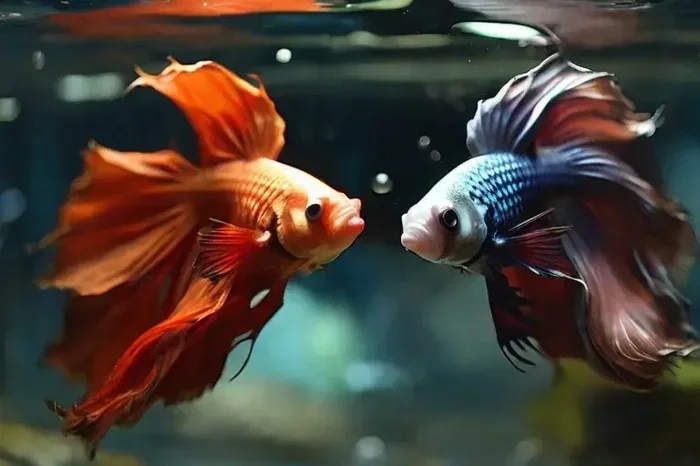
Should Betta Fish See in the Dark
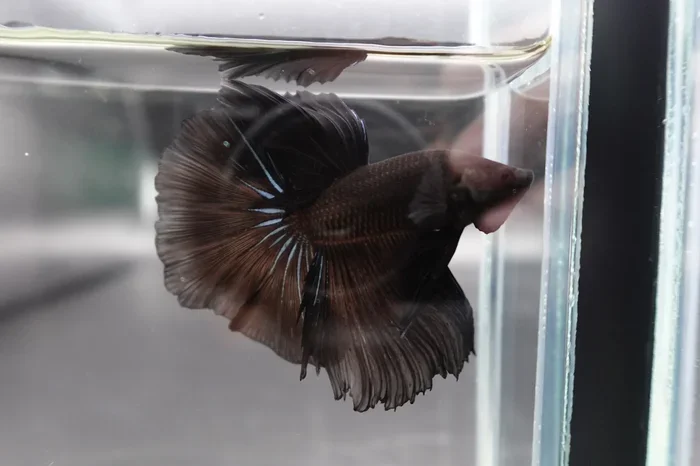
So, should betta fish see in the dark? The short answer is no — betta fish have limited night vision and rely on other senses to navigate darkness. Understanding how your betta sees the world helps you create a healthier tank environment. This guide covers everything from betta fish eye anatomy to the best lighting schedule for optimal health.
Every betta fish owner wants to give their pet the best life possible. And that starts with understanding how your fish experiences the world around it. One question that comes up a lot is whether betta fish can see in the dark. It is a simple question, but the answer is more interesting than you might think.
The truth is, betta fish do not have great night vision. Their eyes work best during the day. But that does not mean they are completely blind when the lights go out. Your betta has other clever ways of getting around in the dark. In this guide, we will walk through everything you need to know about betta fish vision in low light, why darkness matters, and how to set up the perfect lighting for your aquarium.
Key Takeaways
- Betta fish cannot see well in the dark: Their eyes are adapted for daylight vision, not nighttime navigation.
- Darkness is essential for betta health: Your fish needs a proper light cycle to sleep and stay stress-free.
- Other senses compensate in the dark: Bettas use their lateral line and smell to move around when it’s dark.
- Too much light harms bettas: Excessive aquarium lighting causes stress, algae growth, and sleep disruption.
- A consistent light schedule matters: Keep lights on for 8-12 hours daily to mimic natural conditions.
- Betta fish can see colors: They have decent color vision during daylight hours, which makes tank décor more meaningful.
📑 Table of Contents
- How Betta Fish See the World
- Can Betta Fish See in the Dark?
- Why Darkness Matters for Betta Fish
- The Best Lighting Setup for Your Betta Tank
- What Happens When Lights Go Out at Night
- Common Myths About Betta Fish and Darkness
- Expert Tips for Optimizing Your Betta’s Environment
- How Betta Vision Compares to Other Fish
- Final Thoughts
How Betta Fish See the World
To understand whether your betta can see in the dark, it helps to know a little bit about how their eyes work. Betta fish eyes are built for daytime use. They have a structure called the tapetum lucidum absent in their eyes, which is the layer that gives cats and other night creatures their famous night vision. Without this layer, bettas simply cannot see well when light levels drop.
The Anatomy of a Betta Fish Eye
Betta fish eyes are relatively simple compared to human eyes. They can detect light and color, but their visual sharpness is limited. Here is what you should know about betta fish eye anatomy:
- Cones: These cells help bettas see colors during the day. Bettas can distinguish between reds, blues, and greens.
- Rods: These cells handle low-light vision. Betta fish have fewer rods than nocturnal animals, which limits their night vision.
- Lens: The lens focuses light onto the retina. It adjusts slowly, which is why bettas can struggle to see things quickly move in dim conditions.
So when you wonder, can betta fish see in the dark, the science says not very well. Their eyes are designed for daylight, not for navigating pitch-black environments.
Can Betta Fish See in the Dark?
The direct answer is no. Betta fish cannot see in complete darkness. Their vision is similar to a human in a dimly lit room. They can detect some light and movement, but they cannot form clear images when it is very dark.
This is actually good news for your fish. In the wild, bettas live in shallow, slow-moving waters in Southeast Asia. These environments get plenty of natural light during the day and go dark at night. So bettas never really needed to develop strong night vision. They adapted to a light and dark cycle that matches their natural habitat.
If you have ever asked yourself, can my betta fish see in the dark, you are not alone. Many new fish owners worry about this. The good news is that your betta does not need to see in the dark. It uses other senses to get around when the lights are off.
How Bettas Navigate in the Dark
Even though bettas cannot see well in the dark, they are not helpless. They rely on a few other tools to navigate their environment:
- Lateral Line System: This is a sensory organ running along the sides of your betta’s body. It detects vibrations and changes in water pressure. This helps your fish sense obstacles and other creatures nearby.
- Smell: Bettas have a strong sense of smell. They can detect chemical signals in the water to find food or recognize their surroundings.
- Memory: Bettas are surprisingly smart. They remember the layout of their tank. After a few days, your betta knows exactly where the plants, rocks, and decorations are — even in the dark.
So while betta fish vision at night is limited, your fish has backup systems that keep it safe and comfortable.
Why Darkness Matters for Betta Fish
Now that you know bettas cannot see in the dark, let us talk about why darkness is actually important. Many new owners think they should keep a light on all the time so they can watch their fish. That is a mistake. Darkness plays a vital role in your betta’s health.
Sleep and Rest
Just like humans, betta fish need sleep. Darkness signals to your betta that it is time to rest. Without a proper dark period, your fish can become stressed and sleep-deprived. A stressed betta is more likely to get sick, lose its vibrant colors, and stop eating.
Here is what happens when your betta does not get enough darkness:
- Increased stress levels: Constant light keeps your fish on alert, which raises cortisol levels.
- Weakened immune system: Stress makes your betta more vulnerable to diseases like ich and fin rot.
- Color fading: A stressed betta loses its beautiful colors over time.
- Reduced appetite: Lack of rest can make your fish eat less or refuse food altogether.
If you are wondering, can you leave betta fish in the dark, the answer is yes — and they actually need it. A consistent dark period of 8 to 12 hours each night is ideal.
Circadian Rhythm in Fish
Betta fish have a circadian rhythm, just like humans. This is their internal clock that tells them when to be active and when to sleep. Light and darkness help regulate this rhythm. When the light is on, your betta is awake and active. When the light goes off, your betta starts winding down for the night.
Disrupting this rhythm by leaving lights on 24/7 can cause serious problems. Your betta may swim erratically, hide more than usual, or even become aggressive. Keeping a consistent light schedule is one of the simplest things you can do for your fish’s well-being.
The Best Lighting Setup for Your Betta Tank
Setting up the right lighting for your betta tank is not complicated. You want to create a natural day-and-night cycle that supports your fish’s vision and overall health. Here is everything you need to know about aquarium lighting for betta fish.
How Many Hours of Light Does a Betta Need?
The general rule is 8 to 12 hours of light per day. This mimics the natural sunlight patterns in a betta’s native habitat. Here is a simple breakdown:
- 8 hours of light: Best for planted tanks where algae growth is a concern.
- 10 hours of light: A good balance for most betta setups.
- 12 hours of light: Works well if you have live plants that need more light.
Whatever you choose, stick to a schedule. Use a timer if needed. Consistency is more important than the exact number of hours.
Types of Aquarium Lights
Not all aquarium lights are created equal. Here are some common options for betta fish tank lighting:
- LED Lights: Energy-efficient, long-lasting, and available in adjustable brightness. These are the best choice for most betta tanks.
- Fluorescent Lights: Affordable and widely available, but they generate more heat and are less energy-efficient.
- Incandescent Lights: Not recommended. They produce too much heat and can raise the tank temperature to dangerous levels.
Choose a light that is adjustable. You want to be able to dim it or turn it off easily. Bright, harsh lights can stress your betta, especially if the tank has no places to hide.
Common Lighting Mistakes to Avoid
Here are some mistakes that betta owners make with tank lighting:
- Leaving the light on 24/7: This disrupts your betta’s sleep cycle and encourages algae growth.
- Placing the tank in direct sunlight: Sunlight can cause wild temperature swings and massive algae blooms.
- Using lights that are too bright: Bettas prefer soft, gentle lighting. Harsh lights can scare them and cause stress.
- No light at all: While bettas can survive in low light, completely dark tanks can make them feel insecure and dull their colors over time.
If you are asking, can betta fish live in a dark room, the short answer is yes, but it is not ideal. Your betta needs some light during the day to maintain its circadian rhythm and keep its colors vibrant.
What Happens When Lights Go Out at Night
When the aquarium light turns off, your betta goes into a different mode. Understanding this nighttime behavior helps you appreciate why darkness is so important.
Sleeping Behavior
At night, betta fish typically find a quiet spot to rest. They might float near the surface, tuck into a plant, or settle on the substrate. Their breathing slows down, and they become less responsive to movement. This is completely normal and healthy.
Some owners worry when they see their betta not moving at night. But this is just your fish sleeping. If you shine a light in the tank at night, you might even notice that your betta cannot see it very well. This confirms that betta fish vision in the dark is quite limited.
Nighttime Activity
While most bettas sleep at night, some may show brief periods of activity. You might notice your fish swimming slowly or exploring the tank. This is normal. Bettas are not strictly nocturnal, but they are not completely inactive at night either.
If your betta seems restless at night, it could be a sign of stress. Check the water parameters, make sure the tank is quiet, and confirm that the light schedule is consistent. A well-rested betta is a happy and healthy betta.
Common Myths About Betta Fish and Darkness
There are a lot of myths floating around about betta fish and their ability to see in the dark. Let us clear up some of the most common ones.
Myth: Betta Fish Are Completely Blind in the Dark
While bettas have poor night vision, they are not completely blind in the dark. They use their lateral line, sense of smell, and memory to navigate. So saying they are totally blind is an overstatement.
Myth: You Need a Night Light for Your Betta
Some owners think they need to leave a small light on so their fish can see at night. This is not true. In fact, a night light can disrupt your betta’s sleep and cause unnecessary stress. Bettas do just fine in complete darkness at night.
Myth: Bettas Can Adapt to Any Lighting Condition
Bettas can adjust to different light levels over time, but they cannot overcome their biological limitations. Their eyes are simply not built for true night vision. Providing a proper light-dark cycle is always the best approach.
Expert Tips for Optimizing Your Betta’s Environment
Want to give your betta the best possible life? Here are some expert-backed tips that go beyond just lighting.
1. Create a Natural Day-Night Cycle
Use an aquarium timer to automate your lighting schedule. This takes the guesswork out of the equation and ensures your betta gets consistent darkness every night. A simple outlet timer costs just a few dollars and makes a huge difference.
2. Add Live Plants and Hiding Spots
Live plants not only look great, but they also help regulate light in the tank. They provide natural shade and create cozy hiding spots where your betta can rest during the day and feel secure at night.
3. Keep the Tank in a Quiet Location
At night, when your betta is sleeping, try to keep the tank in a quiet area of your home. Loud noises and vibrations can disturb your fish’s rest, even if it cannot see well in the dark.
4. Monitor Water Temperature at Night
Without lights, the tank temperature can drop slightly at night. Make sure your heater is working properly and the temperature stays within the ideal range of 76 to 82 degrees Fahrenheit. A stable temperature supports good betta fish health and sleep quality.
How Betta Vision Compares to Other Fish
To put things in perspective, it helps to compare betta fish vision with other popular aquarium fish. Not all fish see the same way, and understanding these differences helps you care for your betta better.
For example, some fish species have excellent night vision because they live in deep or murky waters. Bettas, on the other hand, come from shallow, well-lit rice paddies and slow streams. Their vision is optimized for bright, daytime conditions. If you are curious about how other fish compare, check out our guide on can fish see outside the tank to learn more about betta perception.
Similarly, if you are wondering about betta fish and color vision, bettas can actually see a decent range of colors. Their cones are sensitive to red, green, and blue wavelengths. This is why tank decorations and plants with rich colors can make your betta feel more at home. You can learn more about this in our article on can betta fish see in color.
When it comes to darkness, bettas are very similar to most tropical community fish. They all benefit from a natural light cycle. If you keep multiple species together, maintaining consistent lighting helps all the fish in the tank stay healthy and stress-free.
Final Thoughts
So, should betta fish see in the dark? The answer is clear — they do not need to, and they really cannot. Betta fish have limited night vision and rely on other senses to navigate when it is dark. What they do need is a healthy cycle of light and darkness to thrive.
Providing your betta with 8 to 12 hours of light during the day and a consistent dark period at night is one of the best things you can do for its health. Keep the lighting gentle, avoid harsh or constant light, and create a tank environment that feels natural and safe.
Remember, your betta fish is not afraid of the dark. It is perfectly happy to rest when the lights go off. Understanding this simple fact helps you become a better, more informed fish owner. Your betta will thank you with vibrant colors, energetic swimming, and a long, healthy life.
For more tips on creating the perfect home for your betta, explore our other guides on betta fish care. Whether you are new to fishkeeping or a seasoned hobbyist, there is always something new to learn about these amazing creatures.
Frequently Asked Questions
Can betta fish see in total darkness?
No, betta fish cannot see in total darkness. Their eyes lack the special adaptations needed for night vision. However, they can navigate using their lateral line system, sense of smell, and memory of the tank layout.
Do betta fish need a night light?
No, betta fish do not need a night light. In fact, darkness is essential for their sleep and overall health. A night light can disrupt their circadian rhythm and cause unnecessary stress.
How many hours of darkness does a betta fish need?
Betta fish need 8 to 12 hours of darkness each night. This mimics their natural environment and supports a healthy sleep cycle. Use an aquarium timer to maintain a consistent schedule.
Are betta fish afraid of the dark?
No, betta fish are not afraid of the dark. They are adapted to a natural day-night cycle and feel comfortable resting in darkness. Their other senses help them navigate safely when the lights are off.
Can betta fish see colors?
Yes, betta fish can see colors. They have cone cells that detect red, green, and blue wavelengths. This is why colorful tank decorations and plants can make your betta feel more comfortable and stimulated during the day.
What happens if you leave the aquarium light on 24/7?
Leaving the light on 24/7 disrupts your betta’s sleep cycle, causes stress, weakens its immune system, and promotes algae growth. Always provide a consistent dark period of at least 8 hours each night for optimal health.