Can Betta Fish Females Be Colorful

Yes, betta fish females can be colorful, but their natural palette is often subtler than males. With the right genetics, diet, and environment, you can enhance a female’s colors and enjoy a stunning display.
Key Takeaways
- Females can show color: Female bettas are capable of bright hues, though they’re usually less vivid than males.
- Genetics matter: Selective breeding and lineage determine how colorful a female can become.
- Diet influences vibrancy: High‑quality protein and carotenoid‑rich foods boost coloration.
- Tank conditions count: Proper lighting, temperature, and water quality enhance natural pigments.
- Stress reduces color: A calm environment and compatible tank mates keep colors bright.
- Selective breeding: Hobbyists can breed for colorful females by pairing vivid males with promising females.
- Patience is key: It may take weeks to months for a female’s colors to fully develop.
Quick Answers to Common Questions
Can I expect a female betta to become as bright as a male?
Usually not as intense, but many females can develop vivid reds, oranges, or metallic sheens with proper care.
Do I need special lighting for a colorful female?
Full‑spectrum LED lighting for 10‑12 hours a day helps bring out both pigment and structural colors.
What foods boost a female’s color?
High‑protein pellets, carotenoid‑rich treats like bloodworms, and occasional live foods such as brine shrimp.
Is it safe to keep a colorful female with other fish?
Yes, females are less aggressive. Choose peaceful tank mates and read Which Fish Can Be With Betta for guidance.
How long does it take for colors to appear?
With optimal conditions, noticeable color enhancement can appear in 4‑6 weeks, though full potential may take several months.
📑 Table of Contents
- Introduction: The Mystery Behind Female Betta Colors
- 1. Understanding Betta Coloration
- 2. How to Encourage Vibrant Colors in Female Betta Fish
- 3. Breeding for Colorful Females
- 4. Common Myths About Female Betta Colors
- 5. Creating a Color‑Friendly Tank Setup
- Conclusion: Yes, Female Betta Fish Can Be Colorful
Introduction: The Mystery Behind Female Betta Colors
If you’ve spent any time watching betta fish, you’ve probably noticed that males flaunt brilliant reds, blues, and iridescent shades, while females often appear more muted. This contrast leads many hobbyists to wonder, can betta fish females be colorful? The short answer is yes—female bettas can display vivid colors, but a combination of genetics, diet, and environment determines just how striking those hues become.
In this friendly guide we’ll dive into the science of betta coloration, share practical tips to boost a female’s palette, and answer the most common questions hobbyists ask. By the end, you’ll know exactly how to turn a shy, pastel‑toned female into a dazzling centerpiece for your aquarium.
1. Understanding Betta Coloration
1.1 How Fish Produce Color
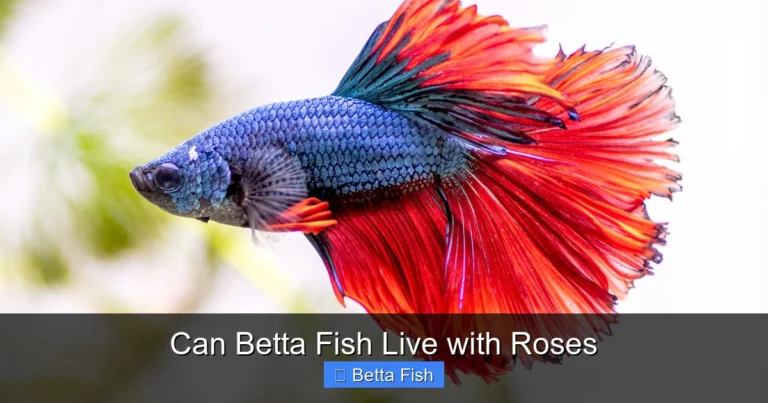
Fish get their colors from two main sources: pigments (carotenoids and melanin) and structural coloration (light‑reflected cells called iridophores). Carotenoids give reds, oranges, and yellows, while iridophores create metallic blues and greens.
Visual guide about Can Betta Fish Females Be Colorful
Image source: cdn.jwplayer.com
1.2 Why Males Are Usually Brighter
Male bettas use bright colors to attract mates and intimidate rivals. Evolution has therefore favored males with the most eye‑catching displays. Females, on the other hand, need camouflage for nesting, so natural selection keeps their colors more subdued.
1.3 The Genetic Blueprint
Color genes are inherited from both parents. If a female comes from a line of brightly colored bettas, she carries the potential to express those hues. However, without the right triggers—diet, lighting, and low stress—those genes may stay “quiet.”
2. How to Encourage Vibrant Colors in Female Betta Fish
2.1 Choose the Right Bloodline
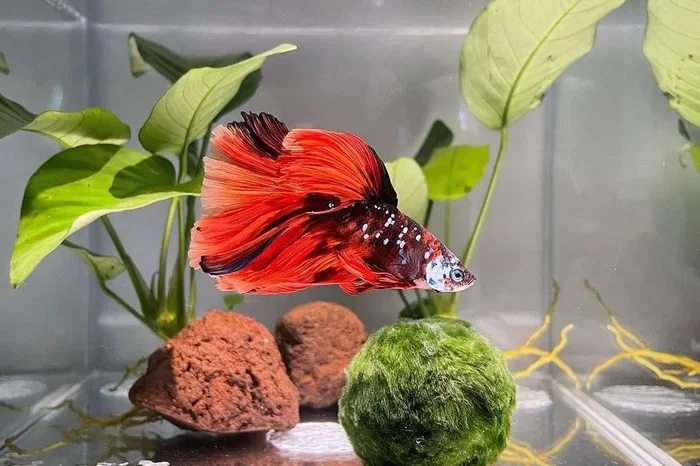
Start with a female from a reputable breeder who specializes in colorful strains such as Dragon, Halfmoon, or Koi. Look for females that already show hints of red, orange, or metallic sheens.

Visual guide about Can Betta Fish Females Be Colorful
Image source: i.ytimg.com
2.2 Feed a Color‑Boosting Diet
- High‑protein pellets: Aim for 30‑40% protein to support overall health.
- Carotenoid‑rich treats: Daphnia, bloodworms, and specially formulated color‑enhancing flakes add reds and yellows.
- Live foods: Offer occasional brine shrimp or microworms for variety and extra nutrients.
Consistent feeding (2‑3 small meals per day) helps the fish store pigments in their skin.
2.3 Optimize Lighting
Full‑spectrum LED lights that mimic natural daylight stimulate iridophores and make reds pop. Keep the photoperiod at 10‑12 hours daily to avoid stress.
2.4 Maintain Perfect Water Conditions
Stable temperature (78‑80°F / 25‑27°C) and pH (6.5‑7.5) are essential. Fluctuations cause stress, which dulls colors. A gentle filtration system and weekly 25% water changes keep the environment pristine.
2.5 Reduce Stress Triggers
Stress hormones suppress pigment production. Provide plenty of hiding spots (live plants, silk moss), avoid aggressive tank mates, and keep the tank in a quiet area.
3. Breeding for Colorful Females
3.1 Selecting a Pair
Pair a vivid male with a female that already shows some color. Their offspring will inherit a mix of both parents’ genes, increasing the chance of colorful daughters.
3.2 Raising Fry for Color
From day one, feed the fry a high‑quality liquid fry food enriched with carotenoids. As they grow, transition to the same color‑boosting diet you give adult females.
3.3 Keeping a Record
Maintain a simple log of each breeding pair, their offspring’s colors, and any diet or lighting changes. Over time you’ll see which combinations produce the brightest females.
4. Common Myths About Female Betta Colors
4.1 “Females Never Match Males”
While it’s rare for a female to be as flamboyant as a top‑tier male, many can display striking reds, oranges, or metallic sheens—especially when raised under optimal conditions.
4.2 “Only Genetics Matter”
Genetics set the ceiling, but diet, lighting, and stress determine how close a female gets to that ceiling. A well‑fed, well‑lit female can surprise you with vivid hues.
4.3 “You Can’t Keep Females with Other Fish”
Female bettas are generally less aggressive than males, making them more suitable for community tanks. For a peaceful setup, read Which Fish Can Be With Betta to choose compatible tank mates.
5. Creating a Color‑Friendly Tank Setup
5.1 Tank Size and Layout
A 5‑gallon tank with a lid provides enough space for a female to swim freely while allowing you to control lighting and temperature.
5.2 Plants and Décor
Live plants like Anubias, Java fern, and floating duckweed give hiding places and natural filtration. Silk or smooth rocks prevent fin damage.
5.3 Lighting Choices
Choose a full‑spectrum LED fixture with adjustable intensity. A dimmer helps you mimic sunrise and sunset, reducing stress.
5.4 Filtration and Heating
A gentle sponge filter keeps water clean without creating strong currents. A reliable heater maintains a steady 78‑80°F.
5.5 Community Considerations
If you want to keep other species, look for peaceful, small fish that won’t nip fins. Good examples include neon tetras, rasboras, and certain shrimp. See Can Shrimp Be With Betta Fish for safe invertebrate options.
Conclusion: Yes, Female Betta Fish Can Be Colorful
In short, the answer to “can betta fish females be colorful?” is a confident yes—provided you give them the right genetics, nutrition, lighting, and a stress‑free environment. By selecting promising bloodlines, feeding a pigment‑rich diet, and maintaining optimal tank conditions, you’ll watch even the shyest female develop a palette that rivals many male bettas.
Remember, patience and consistency are your best tools. Over weeks and months, subtle changes will become bold displays, turning your female betta into a living work of art that brings joy to any aquarium.
Frequently Asked Questions
Can betta fish females be colorful naturally?
Yes, many females naturally display reds, oranges, and metallic tones, though they’re often subtler than male displays.
Will changing the tank water improve a female’s color?
Keeping water clean and stable reduces stress, which allows pigments to show more vividly.
Are there specific betta strains that produce colorful females?
Strains like Halfmoon, Dragon, and Koi are bred for strong coloration in both sexes, increasing the chance of a colorful female.
Can I breed my own colorful female bettas?
Yes—pair a vivid male with a promising female, feed the fry a carotenoid‑rich diet, and select the brightest daughters for future breeding.
Is it okay to house a colorful female with a male?
Only if you’re experienced with breeding setups; otherwise, keep them separate to avoid aggression.
Do water parameters affect betta coloration?
Stable temperature (78‑80°F) and pH (6.5‑7.5) are essential. Fluctuations can cause stress, leading to duller colors.