Can a Betta Fish Live with Angelfish

Can a betta fish live with angelfish? The answer isn’t a simple yes or no. It depends on tank size, temperament, and careful planning. This guide walks you through the key factors, practical tips, and red‑flags to keep both species happy.
Key Takeaways
- Temperament matters: Both bettas and angelfish can be aggressive, so monitor behavior closely.
- Tank size is critical: A minimum of 20‑gal (75 L) provides enough space to reduce territorial fights.
- Choose the right angelfish: Young, peaceful, and similarly sized angelfish reduce the risk of bullying.
- Provide plenty of hiding spots: Plants, driftwood, and decorations create territories and calm stressed fish.
- Start with a test period: Use a breeder net or separate quarantine tank to see how they react before fully mixing.
- Consider gender: A female betta is often less combative than a male, but individual personality still rules.
- Know the alternatives: If the pair can’t coexist, many other community fish are safer companions for bettas.
📑 Table of Contents
- Introduction: Why This Question Pops Up
- Understanding Betta and Angelfish Behavior
- Tank Requirements for a Peaceful Pair
- Choosing the Right Angelfish Companion
- Step‑by‑Step Guide to Introducing Bettas and Angelfish
- When Compatibility Fails: Signs and Solutions
- Final Thoughts: Making the Decision
- Additional Resources
- Conclusion
Introduction: Why This Question Pops Up
When you first hear the phrase “can a betta fish live with angelfish,” the mind jumps to a colorful, lively tank that looks like a miniature rainforest. Both species are striking, both are popular among hobbyists, and both have a reputation for being a bit feisty. It’s natural to wonder if they can share the same water without constant drama.
In reality, the answer depends on a handful of simple variables: the size of the aquarium, the personalities of the individual fish, and how you set up the environment. This article breaks down each factor, gives you step‑by‑step tips, and even points you to related reading so you can make an informed decision.
Understanding Betta and Angelfish Behavior
Betta temperament
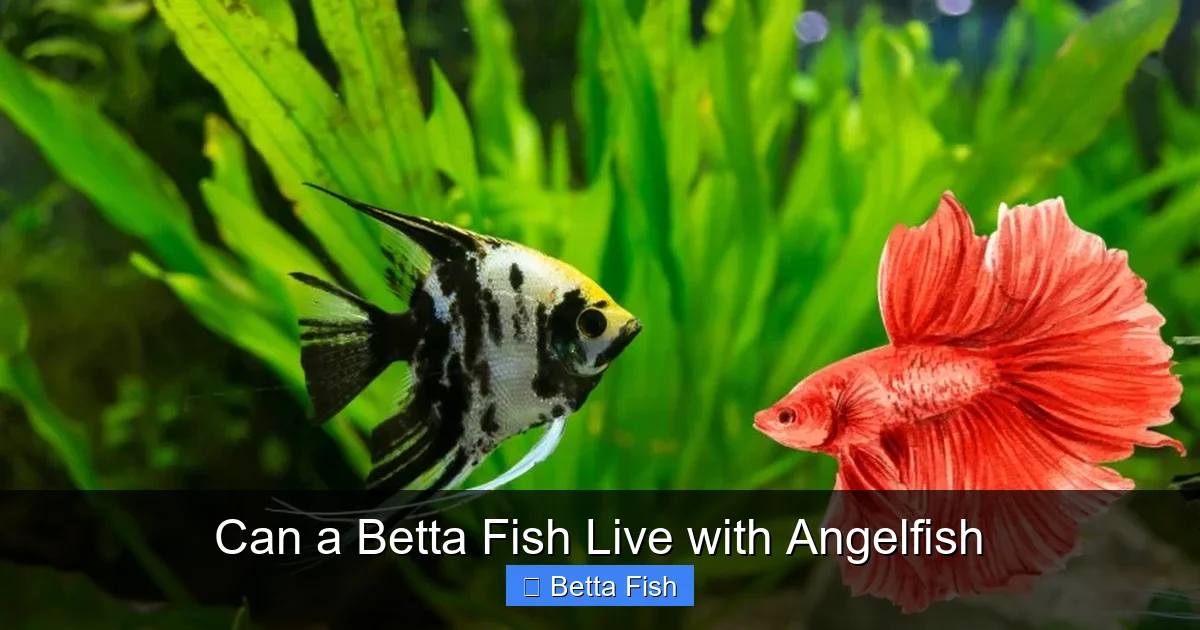
Bettas (Betta splendens) are famous for their flamboyant fins and fierce territorial instincts. In the wild they defend small, shallow pools, and in a tank they view the entire space as their domain. Male bettas are especially prone to flare at anything that looks like a rival, while females are generally milder but can still act aggressively if cramped.
Visual guide about Can a Betta Fish Live with Angelfish
Image source: infishtank.com
Angelfish personality
Angelfish (Pterophyllum scalare) are elegant, laterally‑compressed fish that grow up to 6 inches tall. They are semi‑aggressive; they will chase smaller fish and sometimes nip fins, especially during breeding. Young angelfish are more tolerant, but as they mature they become more territorial.
Overlap in aggression
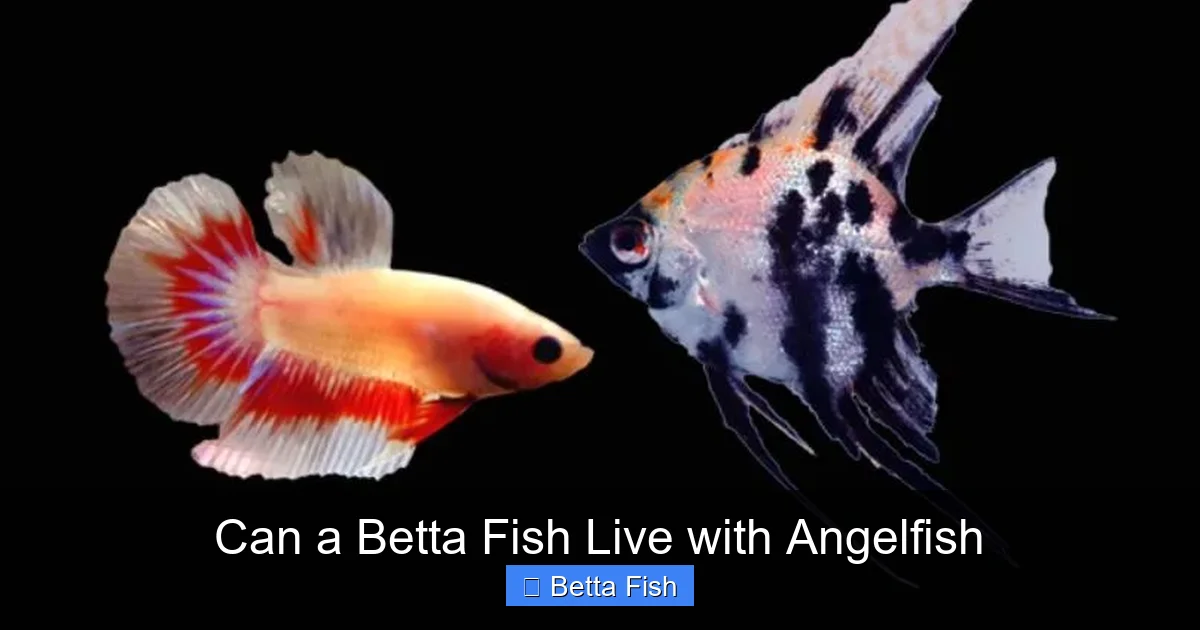
Both species guard space, so the biggest clash point is the “territory” each fish claims. If the tank is too small, the betta may see the angelfish’s flowing fins as a threat, while the angelfish may view the betta’s bright colors as a rival.
Tank Requirements for a Peaceful Pair
Size matters
For any community setup involving a betta and an angelfish, aim for at least a 20‑gallon (75 L) tank. This gives each fish enough room to establish its own zone. Smaller tanks (<10 gal) dramatically increase stress and the chance of injury.
Visual guide about Can a Betta Fish Live with Angelfish
Image source: tinyfishtank.com
Water parameters
Both fish thrive in slightly acidic to neutral water (pH 6.5‑7.5) with a temperature of 76‑82 °F (24‑28 °C). Use a reliable heater and a gentle filter that creates a soft flow; strong currents can stress bettas, whose labyrinth organ prefers calm water.
Decoration and hiding places
Plants (real or silk), driftwood, and rock caves are essential. They break line‑of‑sight and let each fish retreat when needed. A well‑planted tank also mimics the natural habitat of both species, reducing stress.
Lighting
Moderate lighting (8‑10 hours a day) works well. Too bright an environment can make a betta more aggressive, while dim lighting may hide signs of illness in angelfish.
Choosing the Right Angelfish Companion
Size and age
Pick a juvenile or sub‑adult angelfish (around 2‑3 inches long). Younger fish are less likely to view the betta as a rival and are more adaptable to the tank’s hierarchy.

Visual guide about Can a Betta Fish Live with Angelfish
Image source: bettacarefishguide.com
Gender considerations
If you keep a male betta, a female angelfish is often a safer match because females tend to be less confrontational. However, individual temperament trumps gender, so always observe behavior during the introduction phase.
Species variations
There are several color morphs of angelfish (gold, marble, koi, etc.). Some hobbyists report that more subdued colors cause less visual stress for a betta, though scientific evidence is limited.
Step‑by‑Step Guide to Introducing Bettas and Angelfish
1. Quarantine both fish
Before any mixing, quarantine each fish for at least two weeks. This prevents disease spread and gives you a chance to assess each fish’s health.
2. Set up a “neutral” tank
Use a separate, well‑decorated 10‑gallon tank as a neutral ground. Add plenty of plants and hideouts. This reduces territorial claims tied to the home aquarium.
3. Observe behavior
Place the betta and angelfish in the neutral tank together for a few hours each day. Watch for flaring, chasing, or fin nipping. If aggression is mild and short‑lived, you may proceed.
4. Gradual acclimation
When moving them to the main tank, use a drip acclimation method to match water parameters. Introduce the angelfish first, allowing it to claim a territory, then add the betta later using a breeder net.
5. Monitor the first 48‑hours
Keep a close eye on any signs of stress: faded colors, rapid breathing, or torn fins. If serious aggression occurs, be ready to separate them quickly using a divider or a temporary net.
6. Ongoing maintenance
Regular water changes (25 % weekly) and a balanced diet for both species keep the environment stable. Feed bettas high‑quality pellets and occasional frozen bloodworms; angelfish enjoy brine shrimp, daphnia, and quality flakes.
When Compatibility Fails: Signs and Solutions
Red flags
- Continuous flaring or lunging by the betta.
- Angelfish fin damage or ragged edges.
- One fish hiding for extended periods (over 12 hours a day).
Immediate actions
If you notice any of these signs, separate the fish within 24 hours. Use a tank divider or move one fish to a quarantine tank. Re‑evaluate the setup—perhaps increase tank size or add more plants.
Alternative tank mates
If the betta‑angelfish combo just won’t work, consider other community fish known to coexist peacefully with bettas. Good options include:
- Small, fast‑moving tetras (e.g., neon tetras).
- Peaceful rasboras.
- Snails or shrimp, which are generally ignored by bettas.
For a full list, see our article on which fish can I put with a betta.
Final Thoughts: Making the Decision
So, can a betta fish live with angelfish? Yes—under the right conditions. A spacious, well‑planted tank, a careful introduction process, and vigilant observation are the three pillars of success. Remember that every fish has a unique personality; what works for one pair may not work for another.
Take your time, respect each species’ natural instincts, and be ready to adjust. When done correctly, a betta and an angelfish can share a beautiful, dynamic aquarium that delights anyone who watches.
Additional Resources
For more guidance on mixing bettas with other community fish, check out these helpful reads:
- Can a Betta Fish Live With Other Fish
- What Fish Can Live With a Male Betta
- Can a Betta Fish Live With an Algae Eater
Conclusion
Mixing a betta with an angelfish is not a guaranteed success, but it is certainly possible with careful planning. By providing ample space, plenty of décor, and a gradual introduction, you give both fish the best chance to thrive side by side. Keep a watchful eye, respect their individual temperaments, and enjoy the vibrant display that a well‑balanced community tank can offer.
Frequently Asked Questions
Can a male betta live with an angelfish?
Yes, but it is riskier than with a female betta. Male bettas are more territorial, so a larger tank and plenty of hiding spots are essential.
Do angelfish eat betta fry?
Adult angelfish may see tiny betta fry as food. If you plan to breed bettas, keep the fry separate until they are large enough not to be seen as prey.
What tank size is the minimum for a betta and angelfish?
A 20‑gallon (75 L) tank is the smallest recommended size to give both fish enough room to establish territories without constant stress.
Can I keep multiple angelfish with a single betta?
It’s possible, but only if the tank is very large (30‑gallon+) and heavily planted. Too many angelfish can increase aggression toward the betta.
Are there any plants that help reduce aggression?
Dense, fast‑growing plants like Java fern, Anubias, and Amazon sword provide cover and break lines of sight, which can calm both bettas and angelfish.
What should I feed a mixed betta‑angelfish tank?
Offer a varied diet: high‑quality betta pellets or frozen bloodworms for the betta, and quality flakes or frozen brine shrimp for the angelfish. Feed small amounts 2‑3 times daily.