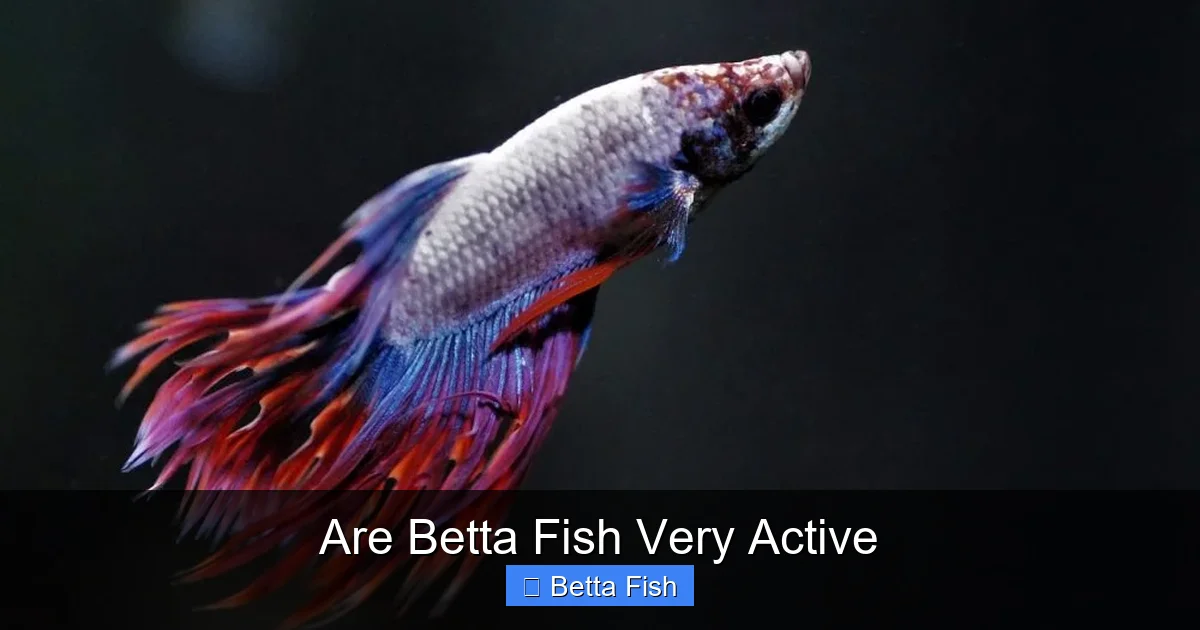
Are Betta Fish Very Active
Betta fish can be surprisingly lively, especially during dawn and dusk, but their activity levels vary by personality, environment, and health. Understanding when and why they move helps you create a tank that encourages natural behavior and keeps your finned friend thriving.
Key Takeaways
- Activity varies by time of day: Betta fish are most active during low‑light periods, not constantly swimming.
- Tank setup matters: Proper space, plants, and water flow encourage natural movement.
- Health signals: Lethargy can indicate stress, disease, or poor water quality.
- Individual personalities: Some bettas are explorers, others prefer to rest on leaves.
- Feeding routine influences activity: Small, frequent meals keep them motivated.
- Environmental enrichment: Toys, mirrors, and live plants stimulate curiosity.
- Seasonal changes: Temperature shifts can alter how energetic a betta feels.
📑 Table of Contents
- Introduction: The Curious Case of Betta Activity
- 1. What Does “Very Active” Really Mean for Betta Fish?
- 2. When Are Betta Fish Most Active?
- 3. Factors That Influence Betta Activity Levels
- 4. How to Encourage Natural Activity
- 5. Common Misconceptions About Betta Activity
- 6. Observing and Interpreting Your Betta’s Behavior
- Conclusion: Embracing the Betta’s Unique Rhythm
Introduction: The Curious Case of Betta Activity
If you’ve ever watched a betta fish flare its gills and glide across the water, you might wonder, are betta fish very active by nature? The answer isn’t a simple yes or no. Betta fish (Betta splendens) are known for their striking colors and bold personalities, but their daily movement patterns are shaped by a mix of biology, environment, and mood.
In this friendly, easy‑to‑read guide we’ll break down everything you need to know about betta activity. You’ll learn when they’re most likely to dart around, what makes them pause, and how you can design a home that brings out the best in your pet. Think of this as a chat over a cup of coffee, with plenty of practical tips you can start using today.
1. What Does “Very Active” Really Mean for Betta Fish?
Defining activity in a small, solitary fish
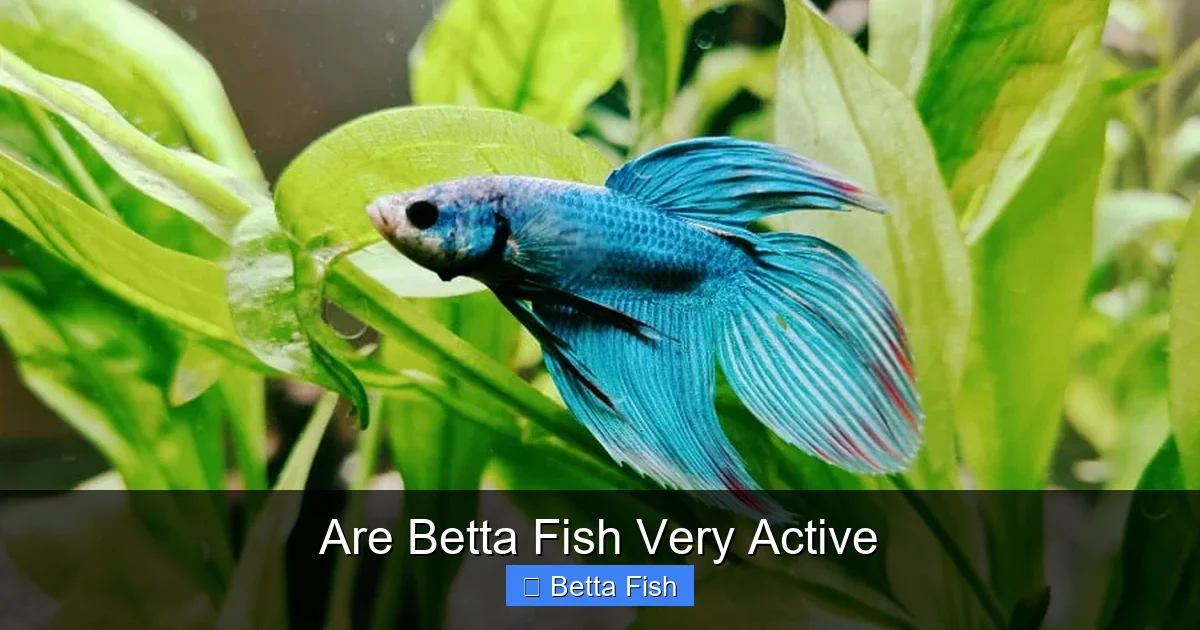
Unlike goldfish that swim in endless circles, bettas have a more nuanced activity profile. “Very active” for a betta usually means:
Visual guide about Are Betta Fish Very Active
Image source: theaquaadvisor.com
- Rapid bursts of swimming (often called “flaring” or “dashing”).
- Exploring new objects, such as plants, decorations, or the surface of the water.
- Frequent interaction with the tank’s top layer, where they gulp air.
- Occasional “pacing” along the glass when they’re curious or a bit bored.
These moments are interspersed with longer periods of rest, often on a leaf, a piece of driftwood, or the tank bottom. So, a betta that seems still for most of the day isn’t necessarily lazy—it’s simply following its natural rhythm.
Comparing bettas to other freshwater fish
When you compare a betta to, say, a zebra danio, the danio will constantly swim because it’s a schooling fish that relies on group movement. Bettas, being solitary and territorial, conserve energy by staying still until they have a reason to move. That’s why the question “are betta fish very active?” often leads to mixed answers: some owners see a flurry of movement and think “yes,” while others see a calm fish and think “no.”
2. When Are Betta Fish Most Active?
Morning and evening peaks
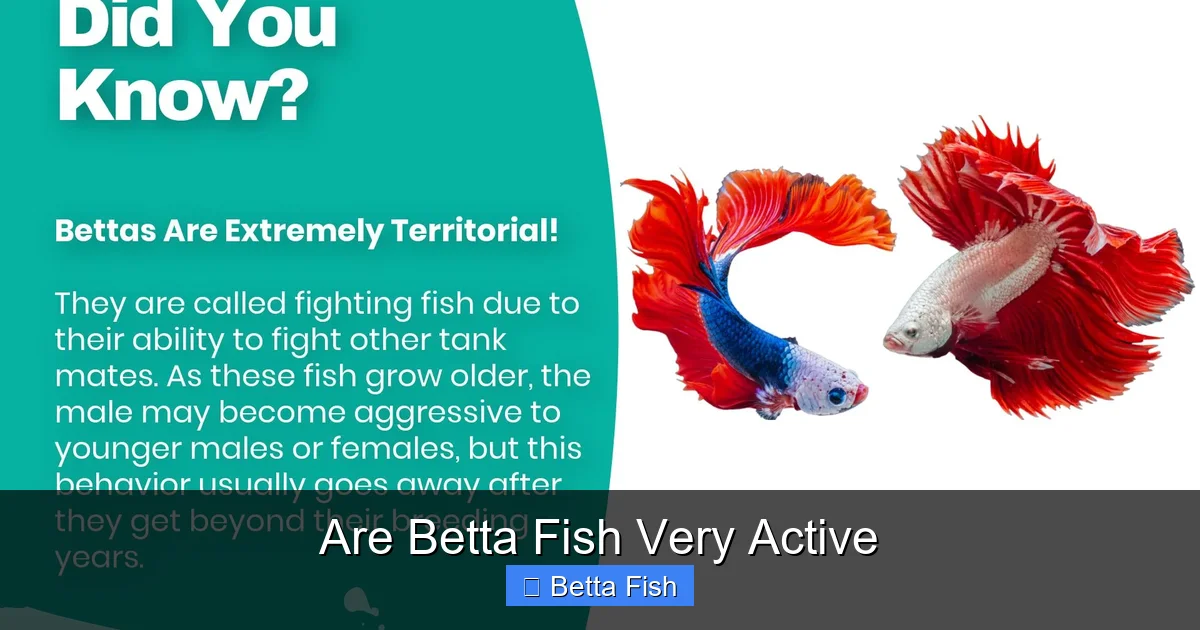
Research and hobbyist observations show that bettas are crepuscular—they’re most lively during dawn and dusk. The low‑light conditions trigger a natural hunting instinct, even if they’re fed by hand. You’ll often see a betta darting around the tank, inspecting the water surface, and testing the strength of its fins during these times.
Visual guide about Are Betta Fish Very Active
Image source: majesticfins.com
For a deeper dive into timing, check out our article on when betta fish are most active. It explains how light cycles and feeding schedules can be tweaked to match your fish’s peak energy periods.
Influence of feeding times
Feeding your betta at the same times each day creates a routine that the fish quickly learns. Most bettas will become more active a few minutes before food arrives, swimming near the surface or circling the tank in anticipation. Offering small, frequent meals (two to three times daily) can keep the activity level steady without overfeeding.
Seasonal and temperature effects
Betta fish are tropical, thriving in water that stays between 76°F and 82°F (24°C‑28°C). When the temperature drops below 75°F, their metabolism slows, and you’ll notice reduced movement. Conversely, a slightly warmer tank (within safe limits) can boost metabolism, leading to more frequent bursts of activity.
3. Factors That Influence Betta Activity Levels
Tank size and layout
Even though bettas are often sold in tiny bowls, they perform best in a tank of at least 5 gallons. A larger space gives them room to explore, which naturally increases activity. Adding live plants, silk moss, or floating leaves provides “stations” for the fish to rest and investigate.

Visual guide about Are Betta Fish Very Active
Image source: miro.medium.com
Read more about proper tank choices in our guide on why betta fish tanks are so small and why upgrading is beneficial.
Water quality
Clear, well‑filtered water with stable parameters (pH 6.5‑7.5, ammonia = 0) encourages a healthy, active betta. Poor water quality can cause lethargy, loss of appetite, and even fin rot. Perform weekly water changes of 25‑30% and test the water regularly.
Social environment
Bettas are solitary by nature. Keeping two males together usually ends in aggression, which can cause stress and reduce normal activity. Females can be housed together in a sorority, but you must monitor for fighting. For most hobbyists, a single betta in its own tank provides the most consistent activity pattern.
Health and nutrition
A well‑balanced diet of high‑quality betta pellets, occasional frozen or live foods (like daphnia or bloodworms), and occasional plant matter keeps the fish energetic. Signs of poor health—such as clamped fins, white spots, or faded colors—often manifest as decreased movement.
4. How to Encourage Natural Activity
Enrichment ideas
Just like a pet dog needs toys, bettas benefit from enrichment:
- Mirrors: A small mirror placed for a few minutes each day can stimulate a betta to flare and swim, mimicking a territorial challenge.
- Floating toys: Small ping‑pong balls or plastic shells that float near the surface invite the betta to investigate.
- Live plants: Java fern, Anubias, and Marimo moss provide hiding spots and natural textures.
- Backgrounds: Adding a dark background reduces stress and makes the fish’s colors pop, encouraging it to display.
Creating a “play zone”
Designate one side of the tank as a “play zone” with a few decorations and a gentle current from a low‑flow filter. This area becomes a focal point for the betta’s curiosity, prompting more swimming.
Lighting tricks
Gradual dimming in the evening mimics sunset, signaling the betta that it’s time to become more active. Using a timer to provide 10‑15 minutes of brighter light during the early morning can also cue the fish to start moving.
5. Common Misconceptions About Betta Activity
My betta never swims—does that mean it’s unhealthy?
Not necessarily. Some bettas are “sit‑and‑watch” types that prefer to rest on leaves. However, if the fish never moves, refuses food, or shows other signs of distress (such as clamped gills), a water test and health check are in order.
Are betta fish nocturnal?
While bettas are not strictly nocturnal, they do show increased activity during low‑light periods, which can give the impression of night‑time activity. For a detailed look at nighttime behavior, see our article on are betta fish nocturnal.
Do bigger tanks make bettas lazy?
On the contrary, a spacious tank encourages exploration. The myth that bettas need tiny bowls stems from outdated practices. A larger, well‑planted tank actually promotes a healthier, more active lifestyle.
6. Observing and Interpreting Your Betta’s Behavior
Reading body language
When a betta flares its gills, spreads its fins, and swims close to the glass, it’s either showing dominance, excitement, or reacting to a perceived threat (like a mirror). A relaxed betta will have smooth, flowing fins and may glide slowly near the water surface.
Activity log worksheet
For new owners, keeping a simple log can be eye‑opening. Note the time of day, water temperature, feeding, and any observed activity (e.g., “dashed across tank at 7 am”). After a week, patterns emerge, helping you adjust lighting, feeding, or décor to match natural peaks.
When to seek help
If your betta’s activity drops dramatically overnight, or if you see rapid breathing, frayed fins, or cloudy spots, consult a vet or a reputable betta forum. Early intervention often saves the fish.
Conclusion: Embracing the Betta’s Unique Rhythm
So, are betta fish very active? The short answer: they’re active at the right moments, especially during dawn and dusk, but they also enjoy long periods of rest. By understanding their natural cycles, providing a stimulating environment, and monitoring health, you can enjoy a lively, colorful companion that showcases its personality on its own schedule.
Remember, activity is a sign of health—not a constant race. Give your betta the space, water quality, and enrichment it craves, and you’ll be rewarded with those unforgettable flare‑outs and graceful glides that make betta keeping so rewarding.
Frequently Asked Questions
Do betta fish need a lot of space to be active?
Yes. A minimum of 5 gallons gives a betta room to explore and reduces stress, leading to healthier bursts of activity.
Can lighting affect how active my betta is?
Absolutely. Low‑light periods at dawn and dusk trigger natural activity. Using timers to simulate sunrise and sunset can enhance these peaks.
Is it normal for a betta to hide most of the day?
Yes, many bettas rest on leaves or decorations. As long as they eat, breathe normally, and show occasional movement, hiding is part of their routine.
How often should I feed my betta to keep it active?
Two to three small feedings per day work best. Overfeeding can lead to sluggishness, while underfeeding reduces energy.
What signs indicate my betta is unhealthy and less active?
Look for loss of appetite, clamped fins, faded colors, or abnormal swimming (e.g., swimming upside down). Test water parameters and consider a vet check.
Do mirrors help increase a betta’s activity?
Short, controlled mirror sessions can stimulate a betta to flare and swim, but overuse can cause stress. Limit sessions to 5‑10 minutes a few times a week.