Wondering if a betta fish can share a home with African dwarf frogs? These two species can coexist under the right conditions, but they need careful planning, proper tank size, and vigilant monitoring.
Key Takeaways
- Compatibility depends on temperament: Not all bettas are aggressive; choose a calm male or a female.
- Tank size matters: A minimum of 10‑20 gallons gives enough space for both.
- Water parameters must suit both: Keep temperature 75‑80°F, pH 6.5‑7.5, and gentle flow.
- Hideouts are essential: Provide plants, caves, and driftwood for frogs to escape betta displays.
- Feeding routines differ: Feed bettas pellets and frozen foods, while dwarf frogs need sinking foods.
- Monitor behavior daily: Early signs of stress indicate a need to re‑evaluate the setup.
- Regular water changes prevent disease: Both species are sensitive to poor water quality.
📑 Table of Contents
- Introduction: A Curious Pair
- Understanding the Two Species
- Tank Size and Layout: Giving Everyone Space
- Water Parameters: One Set for Two Species
- Behavioral Compatibility: Reading the Signs
- Feeding Both Species Without Competition
- Health and Maintenance: Keeping Both Happy
- When Things Go Wrong: Signs to Watch For
- Do You Really Need Both? Pros and Cons
- Final Verdict: Can a Betta Fish Live with African Dwarf Frogs?
- Additional Resources
Introduction: A Curious Pair
If you’ve ever watched a colorful betta flare its fins and wondered what it would be like to share its space with a playful African dwarf frog, you’re not alone. Many hobbyists love the idea of a mixed‑species tank that showcases both the graceful swim of a betta and the quirky hops of a dwarf frog. The question “can a betta fish live with African dwarf frogs?” isn’t a simple yes or no—it depends on several factors that we’ll explore together.
In this article we’ll break down everything you need to know: tank requirements, water chemistry, temperament, feeding, and the day‑to‑day care routine. By the end, you’ll have a clear roadmap for creating a harmonious home for both species—or deciding that they’re better off living separately.
Understanding the Two Species
Betta Fish Basics
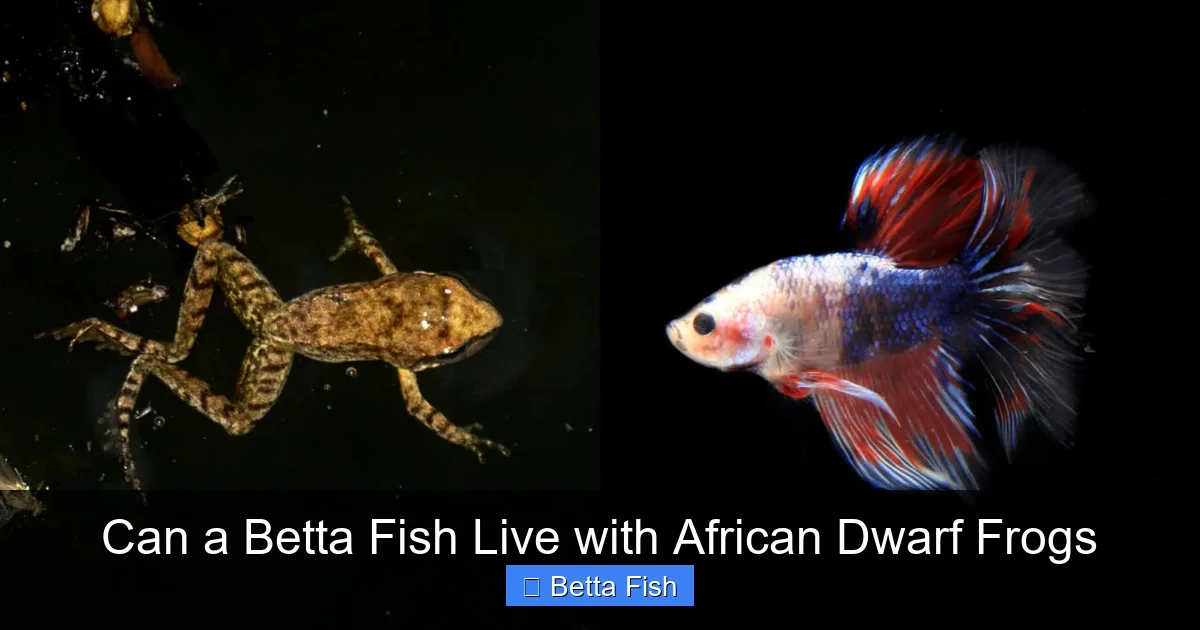
Betta splendens, commonly called the Siamese fighting fish, are native to shallow rice paddies in Thailand. Males are famous for their vivid colors and long, flowing fins, while females are smaller and less flamboyant. Betta fish are labyrinth fish, meaning they can gulp air from the surface, which influences tank design.
Visual guide about Can a Betta Fish Live with African Dwarf Frogs
Image source: aquariadise.com
Key traits that affect compatibility:
- Territorial nature: Males often defend a small area and may attack similar‑looking fish.
- Surface breathing: They need a calm water surface to breathe.
- Temperature preference: 75‑80°F (24‑27°C) is ideal.
African Dwarf Frog Essentials
Hymenochirus species—commonly called African dwarf frogs—are fully aquatic amphibians from central Africa. They grow to about 1.5 inches, love to hover near the surface, and have a gentle disposition.
Things to note about dwarf frogs:
- Water‑based life: They spend their entire lives in the water and need a surface to breathe.
- Temperature range: 72‑78°F (22‑26°C) overlaps well with bettas.
- Diet: They eat sinking foods like bloodworms, brine shrimp, and specially formulated frog pellets.
Tank Size and Layout: Giving Everyone Space
Why Bigger Is Better
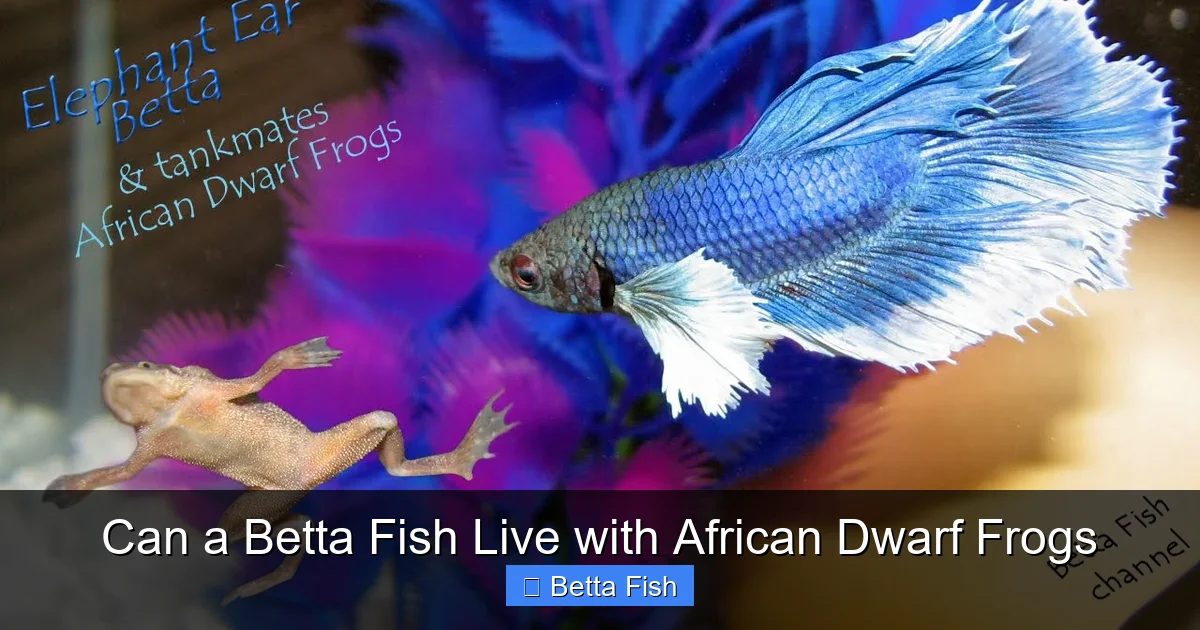
Both bettas and dwarf frogs appreciate room to establish their own territories. A 5‑gallon bowl that works for a single betta is far too cramped for a mixed tank. Aim for at least 10 gallons for a single betta and one or two frogs; 20 gallons provides a safety margin and extra hiding places.
Visual guide about Can a Betta Fish Live with African Dwarf Frogs
Image source: i.ytimg.com
Creating Zones
Divide the tank visually and functionally:
- Surface area: Keep it open for the betta’s air‑breathing and the frog’s occasional surface trips.
- Mid‑water plants: Live plants like Java fern or Anubias create natural barriers.
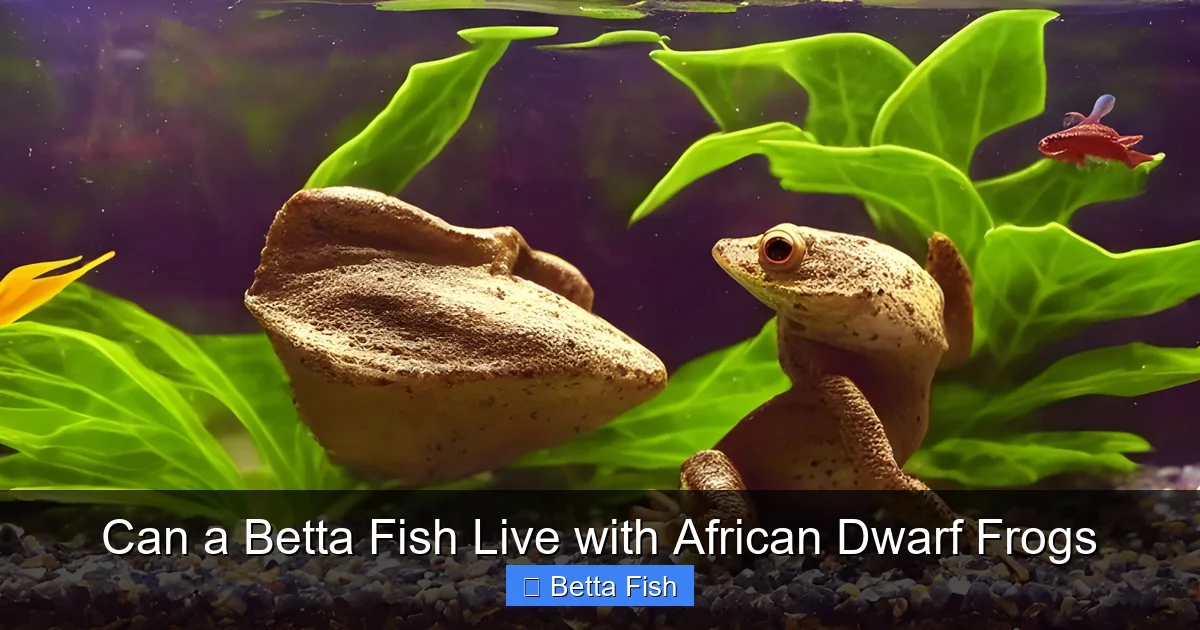
- Bottom hideouts: Small caves, PVC pipes, or smooth rocks give the frog a place to retreat.
These zones reduce the chance of the betta perceiving the frog as a rival and help the frog feel secure.
Water Parameters: One Set for Two Species
Temperature
Maintain 75‑78°F (24‑26°C). This range satisfies both the betta’s and the dwarf frog’s comfort zones. Use an adjustable heater and a reliable thermometer; avoid rapid temperature swings.
Visual guide about Can a Betta Fish Live with African Dwarf Frogs
Image source: tankofish.com
pH and Hardness
Both species thrive in slightly acidic to neutral water. Aim for pH 6.5‑7.5 and moderate hardness (GH 4‑12). Test the water weekly and adjust with peat or mineral buffers as needed.
Filtration and Flow
Betta fish prefer gentle currents, while dwarf frogs enjoy a calm surface. Choose a low‑flow sponge filter or a hang‑on‑back filter with a spray bar set to a soft setting. This keeps the water clean without creating strong currents that could stress either animal.
Behavioral Compatibility: Reading the Signs
Temperament Checks
Not every betta is a bully. Female bettas and calm, non‑flaring males are the best candidates. Before mixing, observe the betta for at least a week in a separate tank:
- If it constantly flares at its own reflection, it may be too aggressive.
- If it ignores other fish and plants, it’s more likely to coexist peacefully.
Introducing the Frog
Acclimate the dwarf frog slowly using the drip method—matching tank water temperature and chemistry over an hour. Release the frog near a plant or hideout, not directly in the betta’s line of sight. Watch for the following:
- Betta aggression: Quick flares, chasing, or nipping at the frog.
- Frog stress: Hiding constantly, rapid breathing, or loss of appetite.
If aggression occurs, be ready to separate them immediately. Sometimes a simple rearrangement of décor can defuse territorial disputes.
Feeding Both Species Without Competition
Separate Feeding Zones
Betta pellets sink slowly, while dwarf frogs prefer food that reaches the bottom. Use a feeding cup or a small mesh net to deliver betta food near the surface, and drop sinking frog pellets at the tank’s back corner. This prevents the betta from gobbling all the frog’s meals.
Dietary Variety
Betta diet: high‑quality pellets, occasional frozen or live brine shrimp, and bloodworms.
Dwarf frog diet: sinking frog pellets, frozen bloodworms, and small pieces of earthworm or blackworms.
Offer food twice daily, removing any uneaten portions after five minutes to keep water quality high.
Health and Maintenance: Keeping Both Happy
Water Changes
Perform 25‑30% water changes weekly. Use dechlorinated water at the same temperature as the tank to avoid shocking either animal.
Common Illnesses
Both bettas and dwarf frogs are prone to fungal infections if water quality drops. Look for cotton‑like growths on fins or skin, and treat with a mild aquarium antifungal medication. Always quarantine new arrivals for at least two weeks.
Cleaning the Tank
Use a soft algae pad to clean glass. Avoid soaps or chemicals; they are toxic to both species. For a deeper clean, gently vacuum the substrate and prune any dead plant leaves.
When Things Go Wrong: Signs to Watch For
Early detection is key. Here are red flags:
- Betta fin rot: Frayed fins, white edges, or a ragged appearance.
- Frog lethargy: Staying at the bottom, not responding to movement.
- Constant aggression: Betta chasing the frog for more than a few minutes.
If you notice any of these, consider separating the animals into individual tanks and reassessing the tank setup.
Do You Really Need Both? Pros and Cons
Pros
- Visually interesting: Bright betta fins contrast with the frog’s smooth body.
- Educational: Shows how two very different aquatic pets can share a habitat.
- Space‑efficient: One tank serves two pets, saving room.
Cons
- Higher maintenance: More parameters to balance.
- Risk of aggression: A single bad betta can harm the frog.
- Feeding challenges: Requires careful portioning.
Final Verdict: Can a Betta Fish Live with African Dwarf Frogs?
Yes, a betta fish can live with African dwarf frogs, but only when you give them a spacious, well‑filtered tank, match their water parameters, and choose a calm betta. Provide plenty of hiding spots, feed them separately, and keep a close eye on behavior. If any aggression or stress appears, be prepared to rehome one of the inhabitants.
When done right, the combination can be a delightful showcase of color and quirky amphibian charm. If you’re new to either pet, you might want to start with a single species first, master its care, and then consider a mixed tank.
Additional Resources
For more detailed guidance on mixing bettas with other aquatic pets, check out our articles on Can Aquatic Frogs Live With Betta Fish, What Fish Can Live With A Male Betta, and Can a Betta Fish Live With Other Fish. These will give you broader context on community tank dynamics.
Frequently Asked Questions
Can a betta fish eat an African dwarf frog?
Betta fish are not known to prey on fully grown dwarf frogs, but a very aggressive betta might nip at a frog’s legs, especially if the frog is small or sick.
Do African dwarf frogs need a heater if they share a tank with a betta?
Yes. Both species thrive in the same temperature range, so a reliable aquarium heater set to 75‑78°F keeps the environment stable for both.
How many dwarf frogs can I keep with one betta?
In a 20‑gallon tank, two to three dwarf frogs are generally safe. Overcrowding can increase stress for both the betta and the frogs.
What plants are best for a betta‑frog community tank?
Java fern, Anubias, and Marimo moss balls are excellent choices. They are hardy, provide cover, and do not require strong water flow.
Can I use a regular betta bowl for this setup?
No. A bowl lacks filtration, space, and temperature control, which are essential for the health of both a betta and dwarf frogs.
What should I do if the betta continues to harass the frog?
Immediately separate them into different tanks. Re‑evaluate the betta’s temperament and consider a less aggressive individual if you still want a mixed community.

