How Often Should a Betta Fish Water Be Changed
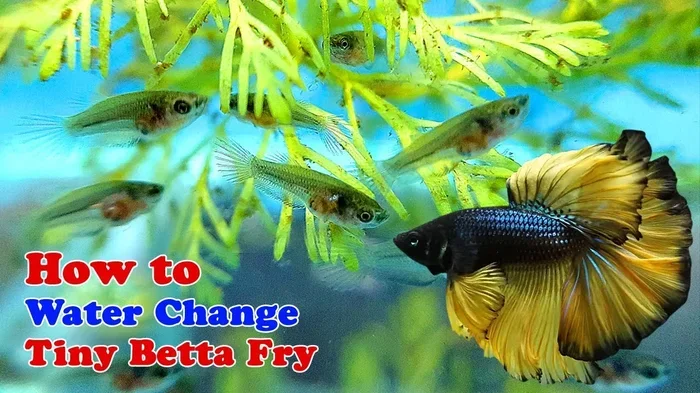
Knowing how often should a betta fish water be changed is the single most important part of keeping your betta healthy and happy. A regular water change schedule removes harmful toxins like ammonia and nitrates that build up fast in small tanks. This guide covers everything from how much water to change to the best tools and techniques you need.
Keeping a betta fish healthy starts with one simple habit: regular water changes. Many new fish owners don’t realize just how quickly toxins build up in a small tank. Ammonia and nitrates can reach dangerous levels in just a few days if the water isn’t refreshed.
The good news? You don’t need to be a scientist or spend hours each week on maintenance. A simple water change schedule that fits your lifestyle will keep your betta thriving for years. Let’s walk through everything you need to know about how often should a betta fish water be changed, step by step.
Key Takeaways
- Weekly partial water changes of 25-50% are the gold standard for most betta tanks.
- Always use a water conditioner to remove chlorine and chloramine from tap water before adding it to the tank.
- Small bowls need more frequent changes than larger tanks because toxins build up faster.
- Watch your betta’s behavior and water parameters to adjust your schedule as needed.
- Avoid full water changes unless absolutely necessary, as they shock your fish and disrupt beneficial bacteria.
- Match the new water temperature to the tank water to prevent temperature shock.
- Gravel vacuuming during water changes removes hidden waste and keeps the tank clean longer.
📑 Table of Contents
- Why Water Changes Matter for Betta Fish
- How Often Should a Betta Fish Water Be Changed
- The Right Way to Do a Water Change
- Common Mistakes People Make with Betta Water Changes
- Tools You Need for Regular Water Changes
- How to Tell If Your Betta Needs a Water Change Sooner
- How Often Should a Betta Fish Water Be Changed: Quick Reference Table
- Final Thoughts on Betta Water Changes
Why Water Changes Matter for Betta Fish
Betta fish may look tough, but they are sensitive to poor water quality. In the wild, they live in slow-moving streams and rice paddies where fresh water flows constantly. In a home aquarium, that fresh water doesn’t just appear on its own.
Here is what happens when you skip water changes:
- Ammonia spikes from fish waste and leftover food. Even tiny amounts can burn your betta’s gills and fins.
- Nitrate buildup causes stress, faded colors, and weakened immunity.
- pH swings happen when chemicals in the water shift over time.
- Algae growth explodes when excess nutrients sit in the water too long.
Regular water changes dilute these harmful substances and keep the aquarium water quality in a safe range. Think of it like changing the air filter in your car. You don’t wait until the engine breaks down. You do it on a schedule to prevent problems.
How Often Should a Betta Fish Water Be Changed
The short answer is every 7 to 14 days. But the exact frequency depends on several factors that we will break down below.
For Small Bowls and Unfiltered Tanks
If your betta lives in a bowl or a tank smaller than 5 gallons without a filter, you should change 25-50% of the water every 5 to 7 days. Small volumes of water get dirty fast. There is no filter to help break down waste, so the water quality drops quickly.
Many people make the mistake of only topping off evaporated water. That just concentrates the toxins. You need to remove old water and replace it with fresh, treated water. This is the most effective way to keep a small betta habitat clean.
For 5-Gallon Tanks and Larger
A 5-gallon tank or bigger with a filter can go 7 to 14 days between water changes. The filter helps remove debris and houses beneficial bacteria that break down waste. But filters don’t remove dissolved nitrates, which is why water changes are still essential.
For a 10-gallon tank, a 25% water change every 10 to 14 days usually works well. Larger tanks are more stable, but they still need maintenance. No tank is maintenance-free.
For Tanks With Multiple Fish
If you keep your betta with other fish, you will need to change the water more often. More fish means more waste. Consider doing partial water changes every 5 to 7 days in a community setup. Keep an eye on ammonia and nitrate levels with a test kit to stay ahead of problems.
The Right Way to Do a Water Change
Doing a water change the wrong way can stress or even kill your betta. The right method is simple and fast once you get the hang of it.
Step-by-Step Water Change Process
- Get your supplies ready. You need a siphon or gravel vacuum, a clean bucket, and a water conditioner.
- Siphon out 25-50% of the tank water. Use the gravel vacuum to remove debris from the substrate at the same time. This is called a partial water change and it is the safest method.
- Prepare fresh water. Fill your bucket with tap water and add a water conditioner. Let it sit for 15 minutes if you want the temperature to match room temperature.
- Slowly pour the new water into the tank. Avoid pouring directly onto your betta or disturbing the substrate too much.
- Check the temperature. The new water should be within 1-2 degrees of the tank water. Sudden temperature changes cause stress.
How to Prepare Water for a Betta Fish
Tap water contains chlorine and chloramine that are deadly to fish. You must use a water conditioner to neutralize these chemicals. Simply add the recommended dose to your fresh water before adding it to the tank.
Some owners let tap water sit out for 24 hours to let chlorine evaporate. But this does not remove chloramine, which is used by many water treatment plants. A conditioner is the safest and fastest option. For detailed instructions, check our guide on how to prepare water for a betta fish.
Quick Tips for a Smooth Water Change
- Always use a clean bucket that has never had soap or chemicals in it.
- Don’t remove your betta from the tank during a water change. They handle the process just fine.
- Clean the glass with an algae magnet while the water level is low.
- Rinse your filter media in old tank water, never tap water, to preserve beneficial bacteria.
- Keep a log of your water change dates so you stay consistent.
Common Mistakes People Make with Betta Water Changes
Even well-meaning betta owners make mistakes that harm their fish. Here are the most common ones and how to avoid them.
Doing a 100% Water Change
This is the biggest mistake new owners make. A full water change wipes out all the beneficial bacteria that keep your tank cycling. It also shocks your betta with sudden changes in temperature, pH, and hardness. Stick to partial water changes of 25-50% to keep things stable.
Using Untreated Tap Water
Never add tap water directly to your tank. The chlorine will irritate your betta’s gills and can be fatal. Always treat the water first. It takes just a few seconds and costs almost nothing.
Changing Water Too Frequently
You might think more is better, but changing water every other day can actually destabilize your tank. It removes beneficial bacteria before they can establish a strong colony. Stick to a consistent schedule and trust the process.
Ignoring Water Parameters
A water change schedule means nothing if the water is still toxic. Test your water regularly for ammonia, nitrite, nitrate, and pH. A simple test kit costs under $15 and gives you peace of mind. If you notice ammonia or nitrite at any level, do a water change immediately.
Tools You Need for Regular Water Changes
You don’t need a lot of fancy equipment to keep your betta’s water clean. Here is a simple list of what works best:
- Gravel vacuum / siphon: This is the most important tool. It removes dirty water and debris from the substrate in one step.
- Water conditioner: A bottle of liquid conditioner like Seachem Prime or API Stress Coat treats chlorine, chloramine, and heavy metals.
- Clean bucket: Dedicate one bucket just for fish water. Never use it for household cleaning.
- Thermometer: Helps you match the temperature of new water to the tank water.
- Algae magnet: Cleans the glass while the water level is low for easy access.
- Water test kit: Tests for ammonia, nitrite, nitrate, and pH to monitor water quality.
For a deeper dive on cleaning schedules, our article on how often to clean a betta fish tank covers all the details you need to keep everything running smoothly.
How to Tell If Your Betta Needs a Water Change Sooner
Sometimes the schedule needs to change. Your betta will give you warning signs that the water is getting bad. Watch for these clues:
- Clamped fins: Your betta holds its fins close to its body instead of spreading them out.
- Lethargy: Your fish spends most of the time sitting at the bottom or hiding.
- Loss of color: Vibrant colors fade when stress levels rise.
- Breathing heavily: Rapid gill movement signals poor water quality.
- Cloudy water: This is a clear sign that waste and bacteria levels are too high.
- Algae bloom: A sudden green tint means excess nutrients are building up.
If you notice any of these signs, do a water change right away. Test the water if you have a kit. Acting fast can prevent serious health problems and keep your betta feeling great.
How Often Should a Betta Fish Water Be Changed: Quick Reference Table
| Tank Setup | Water Change Frequency | % of Water to Change |
|---|---|---|
| Small bowl (under 2 gallons) | Every 5 days | 30-50% |
| 5-gallon tank (no filter) | Every 7 days | 30-50% |
| 5-gallon tank (with filter) | Every 10-14 days | 25-30% |
| 10-gallon tank (with filter) | Every 14 days | 25% |
| Community tank (with betta) | Every 5-7 days | 25-30% |
| Tank with high ammonia/nitrate | Immediately | 30-50% |
This table gives you a solid starting point. Adjust based on your own observations and test results. Every tank is slightly different, so flexibility is key.
Final Thoughts on Betta Water Changes
Figuring out how often should a betta fish water be changed does not have to be complicated. The secret is consistency. Pick a schedule that works for your life and stick to it. Weekly partial water changes of 25-50% will keep your betta’s water clean, safe, and comfortable.
Pay attention to your fish and your water parameters. Adjust the frequency when needed. Use treated water every time. And never do a full water change unless there is an emergency. Your betta will reward you with bright colors, active swimming, and a long, healthy life.
If you want to learn more about your betta’s overall care routine, check out our guide on how often to change a betta fish water for even more practical tips. A little effort each week goes a long way toward being a great betta fish owner.