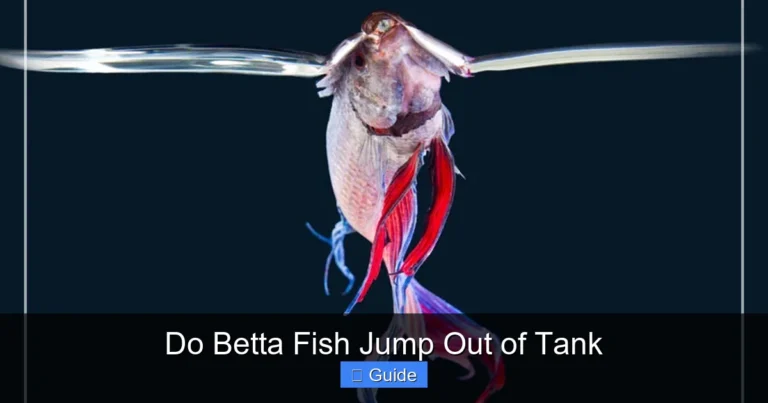
What Temp Should Betta Fish Tank Be

The ideal what temp should betta fish tank be is between 76°F and 82°F (24°C to 28°C). Keeping your betta fish temperature stable in this range supports immunity, color, and energy. Use a betta tank heater and a thermometer to maintain the perfect betta fish tank setup all year round.
Keeping your betta fish tank at the right temperature is one of the simplest yet most important things you can do for your fish. Many new betta owners overlook this detail, but water temperature directly affects your betta’s mood, appetite, immune system, and lifespan. If the water is too cold or too hot, your beautiful fish can become stressed, sick, or worse.
This guide covers everything you need to know about what temp should betta fish tank be. We will walk you through the ideal range, why it matters, how to maintain it, and common mistakes to avoid. Whether you just brought home your first betta or you have had them for years, this article will help you create a comfortable betta fish habitat that keeps your fish thriving.
Let us dive right in and make sure your betta is living in the perfect environment. After all, a happy betta is a colorful, active, and healthy betta.
Key Takeaways
- Ideal Range: Keep your betta tank between 76°F and 82°F for optimal health.
- Use a Heater: A small aquarium heater is essential in most homes, especially during winter.
- Monitor Regularly: A simple thermometer helps you catch temperature swings early.
- Avoid Fluctuations: Sudden drops or spikes cause stress and illness in bettas.
- Room Temp Matters: If your room is cool, your tank will need a heater even in summer.
- Watch for Signs: Clamped fins, lethargy, and loss of appetite often signal temperature problems.
📑 Table of Contents
- What Temp Should Betta Fish Tank Be
- Why Temperature Stability Matters
- Does Room Temperature Affect Your Betta Tank?
- Choosing the Right Heater for Your Betta Tank
- Signs Your Betta Is Too Cold
- Signs Your Betta Is Too Hot
- Best Practices for Betta Fish Temperature
- Common Mistakes People Make With Betta Tank Temperature
- Final Thoughts
What Temp Should Betta Fish Tank Be
The short answer is 76°F to 82°F (24°C to 28°C). This is the optimal temperature range for betta fish. In the wild, bettas live in warm, shallow waters in Southeast Asia. They have adapted to consistent warmth, and your home tank should mimic that natural environment.
Staying within this range helps your betta in several ways:
- Stronger immune system: Warm water supports your betta’s natural defenses against bacteria and parasites.
- Better digestion: Bettas digest food more efficiently in warm water, reducing the risk of bloating and constipation.
- Vibrant colors: A comfortable betta displays brighter, more vivid fins and scales.
- Active behavior: Your fish will swim, explore, and interact more when the aquarium temperature is right.
- Longer lifespan: Proper betta fish temperature can add years to your fish’s life.
If the water drops below 74°F, your betta may become sluggish and prone to illness. On the other hand, water above 86°F can cause oxygen levels to drop, which is equally dangerous. The key is consistency and staying within that sweet spot.
Why Temperature Stability Matters
It is not just about hitting the right number. It is about keeping that number stable. Bettas do not handle sudden changes well. Even a few degrees of fluctuation in a short time can trigger stress and weaken their immune system.
The Danger of Temperature Swings
Imagine you are sitting in a warm room and someone suddenly opens a window in winter. You would shiver and feel uncomfortable. That is what a sudden temperature drop feels like for your betta. Over time, these swings can lead to betta fish stress, which opens the door to diseases like ich, fin rot, and fungal infections.
Common causes of temperature swings include:
- Placing the tank near a window with direct sunlight.
- Drafty rooms or air conditioning vents blowing on the tank.
- Not using a heater and relying on room temperature alone.
- Doing large water changes with water at a different temperature.
- Leaving the tank light on for too long, which generates heat.
How to Maintain a Stable Temperature
Here are simple steps to keep the water temperature for betta steady:
- Use a heater: A small 25-watt or 50-watt aquarium heater works great for most betta tanks. Set it to 78°F and let it do the work.
- Install a thermometer: A cheap stick-on or digital thermometer lets you check the temperature daily. Make this part of your routine.
- Avoid direct sunlight: Place the tank away from windows where the sun can heat the water unevenly.
- Match water temperatures: When you do water changes, make sure the new water is close to the tank temperature. Let tap water sit for a few hours or use a water conditioner.
- Close the tank lid: This reduces evaporation and helps retain heat, especially in cooler rooms.
Does Room Temperature Affect Your Betta Tank?
Yes, it absolutely does. If you live in a warm climate and your room stays around 78°F year-round, you might get by without a heater. But for most people, room temperature drops during winter, and your tank will get cold too.
Here is a quick look at how room temperature affects your betta tank:
- Room temp above 80°F: Your tank may stay warm naturally, but watch for overheating in summer.
- Room temp between 70°F and 78°F: A heater is almost always needed to keep the tank in the ideal range.
- Room temp below 70°F: Without a heater, your tank will drop too low. Your betta will be at serious risk.
The safest approach is to always use a heater and a thermometer. It removes the guesswork and gives you peace of mind. For more details on choosing the right setup, check out our guide on what all you need for a betta fish tank.
Choosing the Right Heater for Your Betta Tank
Not all heaters are the same, and picking the right one makes a big difference. A betta tank heater does not need to be expensive, but it should be reliable and the right size for your tank.
Heater Size Guide
As a general rule, you need about 2.5 to 5 watts per gallon of water. Here is a simple breakdown:
- 2.5-gallon tank: A 10-watt heater works well.
- 5-gallon tank: A 25-watt heater is ideal.
- 10-gallon tank: Go with a 50-watt heater.
Submersible heaters are the most popular choice because they sit fully underwater and distribute heat evenly. Look for models with an adjustable thermostat so you can set the exact ideal betta temperature. Some heaters also have built-in thermometers, which is a nice bonus.
Do You Always Need a Heater?
If you read about wild bettas in warm climates, you might wonder if a heater is always necessary. In tropical regions where the room temperature stays consistently above 78°F, you can skip it. But for most hobbyists, especially in temperate or cold climates, a heater is a must-have piece of betta fish equipment.
For more on tank setup, visit our article on what is the best tank size for a betta fish to make sure your tank is properly sized.
Signs Your Betta Is Too Cold
Bettas are tropical fish, and they struggle when the water gets too cool. Knowing the warning signs helps you act fast before the situation gets serious.
Watch for these common symptoms of cold stress in bettas:
- Lethargy: Your betta stays at the bottom of the tank and barely moves.
- Clamped fins: Fins held close to the body instead of spread out and flowing.
- Loss of appetite: Your fish ignores food or spits it out.
- Faded colors: The bright reds, blues, and greens start looking dull.
- Slow breathing: Gills move more slowly than normal.
- Hiding: Your normally curious betta hides behind decorations or in corners.
If you notice these signs, check the temperature right away. A quick adjustment with your heater can make a huge difference. For more information on keeping your betta comfortable, read about what temp do betta fish like in our detailed guide.
Signs Your Betta Is Too Hot
While cold is a bigger risk, overheating is also a concern. Water above 86°F holds less dissolved oxygen, which can suffocate your fish. Here is what to watch for:
- Rapid gill movement: Your betta breathes heavily at the surface.
- Restlessness: The fish seems agitated or swims erratically.
- Loss of color: Similar to cold stress, overheating washes out vivid colors.
- Lying on the bottom: Your betta may rest on the substrate more than usual.
If the water is too warm, turn off the heater temporarily and let the tank cool naturally. You can also float a bag of cool water in the tank to gently lower the temperature. Always monitor changes closely.
Best Practices for Betta Fish Temperature
Now that you know the ideal range and the risks, here are some best practices to keep your betta tank running smoothly:
1. Check the Temperature Daily
Make it a habit to glance at your thermometer every day. It takes just a few seconds and helps you catch problems before they escalate. Think of it as checking your betta’s vital signs.
2. Use a Quality Thermometer
Stick-on thermometers are affordable and easy to apply. Digital thermometers offer more precision. Either way, having one on your tank is non-negotiable. You cannot manage what you cannot measure.
3. Do Not Rely on Room Temperature Alone
Even if your room feels warm, it may not be warm enough. Air temperature and water temperature are two different things. A heater ensures the water stays at the right what temp should betta fish tank be level around the clock.
4. Acclimate New Fish Properly
If you are adding a new betta to an existing tank, float the bag in the tank for 15 to 20 minutes. Then slowly mix small amounts of tank water into the bag over 10 minutes. This helps the fish adjust to the aquarium temperature without shock.
5. Keep the Tank Away from Drafts
Place your betta tank in a stable spot away from doors, windows, and vents. Drafts can cool the water quickly, especially in winter. A stable location equals a stable temperature.
Common Mistakes People Make With Betta Tank Temperature
Even experienced fish keepers sometimes slip up. Here are a few common mistakes to avoid:
- Skipping the heater: Many people think bettas can live in room-temperature water. They cannot. A heater is essential in most homes.
- Using a heater that is too big: An oversized heater can spike the temperature too high. Match the heater wattage to your tank size.
- Not using a thermometer: Without a thermometer, you are guessing. Always use one.
- Placing the tank near a radiator: This creates uneven heating and can overheat parts of the tank.
- Ignoring seasonal changes: Room temperature drops in winter and rises in summer. Adjust your heater settings accordingly.
- Doing large water changes with cold water: Always match the temperature of new water to the tank water.
For more tips on creating the perfect environment for your betta, explore our guide on what is the best temperature for a betta fish tank. It covers everything from ideal ranges to equipment recommendations.
Final Thoughts
Getting the what temp should betta fish tank be question right is one of the most impactful things you can do for your fish. The ideal range of 76°F to 82°F gives your betta the best chance at a long, healthy, and vibrant life. Pair that with a reliable heater, a simple thermometer, and daily monitoring, and you are setting your betta up for success.
Remember, temperature is not just a number on a dial. It is the foundation of your betta’s well-being. When the water is right, your fish will show it through bright colors, active swimming, and a healthy appetite. Take the time to get it right, and your betta will reward you with years of beauty and companionship.
Start today. Check your tank temperature, adjust your heater if needed, and make betta fish care a daily habit. Your fish will thank you for it.
Frequently Asked Questions
What is the best temperature for a betta fish tank?
The best temperature for a betta fish tank is between 76°F and 82°F (24°C to 28°C). This range mimics the warm, shallow waters of Southeast Asia where bettas naturally live. Keeping the temperature steady within this range supports your fish’s immune system, digestion, and overall health.
Can betta fish survive in cold water?
Bettas can survive in cold water for a short time, but it is not healthy for them. Cold water slows down their metabolism, weakens their immune system, and makes them vulnerable to diseases. Over time, exposure to cold water can significantly shorten a betta’s lifespan.
Do I need a heater for my betta tank?
Yes, in most cases you do. Unless you live in a consistently warm tropical climate, room temperature is usually not enough to keep the tank at the ideal betta fish temperature. A small aquarium heater is an affordable and essential piece of equipment for any betta tank.
What happens if the betta fish tank is too hot?
If the tank is too hot, above 86°F, the water holds less oxygen. Your betta may breathe heavily at the surface, become restless, or lose its appetite. Prolonged exposure to high temperatures can lead to serious health problems and even death.
How often should I check my betta tank temperature?
You should check your betta tank temperature at least once a day. It only takes a few seconds with a thermometer. Regular checks help you catch fluctuations early and make adjustments before they affect your fish’s health.
Can I use a room thermometer instead of a tank thermometer?
No, you should not. Room temperature and water temperature are different. A room thermometer measures air temperature, not the water your betta lives in. Always use an aquarium thermometer placed directly in the tank for accurate readings.