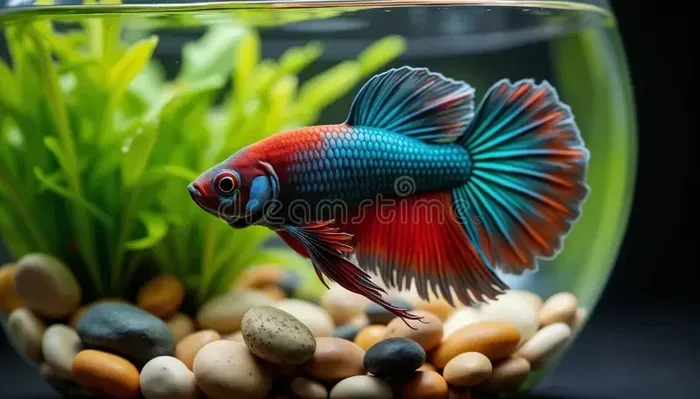
How Do You Make Homemade Betta Fish Food

Making homemade betta fish food is simpler than you think. You can create nutritious, protein-rich meals using common ingredients like shrimp, fish, and vegetables. This guide covers easy recipes, feeding tips, and how to keep your betta healthy and happy with DIY food.
Key Takeaways
- Homemade betta fish food gives your fish a natural, protein-rich diet: You control every ingredient and avoid fillers found in commercial foods.
- Simple recipes use shrimp, fish, and vegetables: These ingredients mimic what bettas eat in the wild and support vibrant colors and energy.
- Proper preparation and storage matter: Freezing and portioning homemade food keeps it fresh and safe for your betta.
- Feeding frequency and portion size are key: Overfeeding homemade food can cause water quality issues, so follow a consistent schedule.
- Homemade food boosts betta health: A natural diet supports digestion, immunity, and long-term vitality for your fish.
- You can supplement commercial food with homemade meals: Mixing both approaches gives your betta variety and balanced nutrition.
📑 Table of Contents
How Do You Make Homemade Betta Fish Food?
If you own a betta fish, you want to give it the best possible diet. Many fish keepers wonder about homemade betta fish food because store-bought options often contain fillers and artificial ingredients. Making your own food lets you control what goes into every meal. It also saves money over time and keeps your fish healthier and more active.
The good news is that homemade betta fish food does not require advanced cooking skills. A few simple ingredients and basic kitchen tools are all you need. Whether you want to make frozen cubes, gel food, or fresh meals, this guide walks you through everything step by step. You will learn what ingredients work best, how to prepare them, and how to feed your betta safely.
Let us dive into the world of DIY betta nutrition and discover how easy it is to create meals your fish will love.
Why Consider Homemade Food for Your Betta?
Commercial fish food is convenient, but it is not always the best option. Many brands use low-quality fillers like corn starch and wheat flour. These ingredients offer little nutritional value to your betta. A betta fish diet built around natural, whole ingredients makes a real difference in your fish’s energy, color, and lifespan.
Here are some key reasons to consider making your own food:
- Full ingredient control: You choose every single ingredient. No mystery fillers or preservatives.
- Higher protein content: Bettas are carnivores and need a protein-rich diet. Homemade food lets you prioritize quality protein sources.
- Better color enhancement: Ingredients like shrimp and krill naturally bring out vibrant colors in bettas.
- Cost savings: Buying fresh ingredients in bulk costs less over time than premium branded foods.
- Reduced waste: Homemade food produces less uneaten debris, which helps keep your tank water cleaner.
When you combine homemade meals with good betta fish care practices, your fish will thrive. Always remember that variety is important. Even the best homemade diet benefits from some rotation with quality commercial food.
Best Ingredients for Homemade Betta Food
Choosing the right ingredients is the most important step. Bettas need a diet that is high in protein and low in fillers. Think about what bettas eat in the wild. They consume small insects, larvae, and tiny crustaceans. Your homemade food should replicate this natural diet as closely as possible.
Here are the top ingredients that work well for homemade betta fish food:
- Shrimp: Frozen or fresh shrimp is an excellent protein source. Bettas love the taste, and it supports strong muscle growth.
- Fish fillets: Use white fish like cod or tilapia. These are lean, easy to digest, and rich in protein.
- Bloodworms: A classic betta favorite. Bloodworms are high in iron and protein but should be used as a treat or supplement.
- Brine shrimp: These tiny crustaceans are packed with nutrition and are easy to prepare at home.
- Mussels or clams: Shellfish provides essential minerals and trace elements that support overall health.
- Spinach or zucchini: A small amount of blanched vegetables adds fiber, which aids digestion.
- Egg yolk: A tiny amount of raw egg yolk adds fat and nutrients. Use sparingly to avoid water fouling.
Avoid ingredients like bread, crackers, or processed human food. These offer no nutritional benefit and can harm your fish. Always prioritize fresh, high-quality ingredients for the best results.
Easy Homemade Betta Food Recipes
Now that you know which ingredients to use, let us look at some simple recipes. Each recipe is designed to be easy to prepare and store. You can make batches ahead of time and freeze them for future feedings.
Recipe 1: Simple Shrimp and Fish Cubes
This is the easiest recipe to start with. You need just two main ingredients and a few minutes of your time.
You will need:
- One tablespoon of cooked shrimp (peeled and deveined)
- One tablespoon of cooked white fish fillet
- One teaspoon of water or tank water
Steps:
- Blend the shrimp and fish together in a small blender or food processor.
- Add water gradually until you get a thick paste.
- Spoon small portions into an ice cube tray.
- Freeze overnight and pop out the cubes.
- Store the cubes in a sealed bag in the freezer.
Feed one cube per betta per day. Thaw it in a small amount of tank water before adding it to the aquarium. This recipe mimics the natural diet and keeps your betta active and hungry for every meal.
Recipe 2: Protein Gel Food
Gel food is another great option. It is soft, easy to digest, and perfect for bettas of all ages.
You will need:
- Two tablespoons of fish or shrimp
- One tablespoon of gelatin powder
- Half a cup of water
- A tiny pinch of garlic (optional)
Steps:
- Blend the protein source into a smooth paste.
- Heat half a cup of water and dissolve the gelatin powder in it.
- Mix the protein paste into the gelatin solution.
- Pour the mixture into small molds or an ice cube tray.
- Refrigerate until firm, then store in the fridge or freezer.
Gel food holds its shape well in the water, which means less mess and waste. It also sinks slowly, giving your betta time to eat. This is especially helpful if your betta is a picky eater or recovering from illness.
Recipe 3: Live Food Alternative Mix
If you want to replicate a live food experience without the hassle, this mix works wonders.
You will need:
- One tablespoon of bloodworms (frozen or freeze-dried)
- One tablespoon of brine shrimp
- Half a tablespoon of fish fillet
- A drop of fish vitamins (optional)
Steps:
- Soak the bloodworms and brine shrimp in tank water for five minutes.
- Blend everything together with the fish fillet.
- Form small balls or press into molds.
- Freeze and feed one small ball per day.
This recipe gives your betta a varied diet that closely resembles what they would find in their natural habitat. The combination of different protein sources ensures a broad nutrient profile.
How to Store Homemade Betta Food Safely
Proper storage is essential for keeping your homemade food safe and nutritious. Improper storage can lead to bacterial growth and spoiled food, which can make your betta sick.
Follow these simple storage guidelines:
- Freeze in portions: Always make small, individual portions. This way, you only thaw what you need and keep the rest frozen.
- Use airtight containers: Seal frozen cubes in freezer bags or airtight containers. Air exposure causes freezer burn and degrades nutrients.
- Label and date everything: Write the date on each bag. Homemade food is best used within two to three months.
- Thaw properly: Never microwave or heat homemade fish food. Thaw it in a small cup of tank water for 10 to 15 minutes before feeding.
- Discard uneaten food: Remove any uneaten portions after five minutes. Leftover food fouls the water quickly and can harm your fish.
If you notice any off smell, discoloration, or mold, throw the food away immediately. When in doubt, make a fresh batch. Your betta’s health is always worth the extra effort.
Feeding Schedule and Portion Tips
Making great food is only half the battle. You also need to feed it correctly. Overfeeding is one of the most common mistakes betta owners make, whether they use homemade or commercial food. Excess food decays in the tank and spikes ammonia levels, which stresses your fish.
Here is a simple feeding guide for homemade betta fish food:
- Feed once or twice a day: Most bettas do well with one small meal per day. If you feed twice, make the portions smaller.
- Stick to the size of your betta’s eye: A single portion should be roughly the size of your fish’s eyeball. This prevents overfeeding.
- Skip one day per week: Giving your betta a fasting day helps its digestive system process any buildup. This is a great practice for overall betta fish health.
- Observe your fish: Watch how your betta eats. If it leaves food uneaten, reduce the portion size next time.
For more detailed guidance on feeding frequency, check out this guide on how often do you feed a betta fish. It covers the ideal feeding schedule in depth.
Also, if you are new to feeding bettas, you may want to read about how do you feed a betta fish for beginner-friendly tips on getting the feeding routine right.
Common Mistakes to Avoid When Making Homemade Betta Food
Even with the best intentions, mistakes can happen. Here are some common pitfalls and how to avoid them:
- Using too much fat: Fish and shrimp naturally contain fat, but adding too much can cause digestive issues. Keep fat content moderate.
- Adding seasoning or salt: Never add salt, garlic in large amounts, or any seasoning meant for human food. Bettas are sensitive to these additives.
- Making food too large: Big chunks are hard for bettas to eat and can cause choking. Always make small, manageable portions.
- Ignoring water quality: Uneaten homemade food decays fast and pollutes the water. Always remove leftovers promptly.
- Relying on one recipe only: Variety is important for balanced nutrition. Rotate between recipes to give your betta a wide range of nutrients.
Avoiding these mistakes ensures that your homemade food is safe, nutritious, and beneficial for your fish. A little attention to detail goes a long way toward keeping your betta happy and healthy.
Expert Insights on DIY Betta Nutrition
Experienced fish keepers and aquarists agree that a natural diet plays a huge role in betta longevity. Many breeders use homemade food to maintain the health and vibrancy of their fish colonies. The key is consistency and balance.
Pro tip: Adding a drop of pure fish oil or a small amount of spirulina powder to your recipes can boost the nutritional value significantly. These supplements provide omega-3 fatty acids and antioxidants that support immune function and color intensity.
Another expert recommendation is to alternate between homemade and high-quality commercial food. This gives your betta the benefits of natural ingredients while ensuring it receives any vitamins or minerals that may be missing from a purely DIY diet. Quality commercial foods often contain stabilized vitamins that are hard to replicate at home.
If you are curious about what bettas eat in their natural habitat, do betta fish eat live food explores the wild diet of bettas and how you can replicate it in your home aquarium.
Combining Homemade Food with a Proper Betta Care Routine
Great food is just one piece of the puzzle. To truly keep your betta healthy, you need a complete care routine. This includes clean water, proper tank temperature, and a stress-free environment. Homemade betta fish food works best when paired with good husbandry practices.
Make sure your tank water stays clean by performing regular water changes. Test the water parameters frequently, and keep the temperature between 78 and 80 degrees Fahrenheit. A well-maintained tank helps your betta digest food properly and absorb nutrients efficiently.
For a complete overview of betta care essentials, you can explore how do you care for a betta fish to make sure you are covering all the bases.
Remember that every betta is unique. Some fish prefer certain textures or flavors over others. Pay attention to your fish’s preferences and adjust your recipes accordingly. The goal is to provide a diet that is both nutritious and enjoyable for your finned companion.
Conclusion
Making homemade betta fish food is a rewarding experience that benefits both you and your fish. With simple recipes, quality ingredients, and proper storage, you can provide a diet that is far superior to most commercial options. Your betta will show the difference through brighter colors, more energy, and a healthier appetite.
Start with one simple recipe and build from there. Experiment with different ingredients and find what works best for your fish. The key is consistency, balance, and a genuine interest in giving your betta the best life possible. Once you see how happy and healthy your fish becomes, you will wonder why you did not start sooner.
Take the first step today. Your betta deserves a meal that is as fresh and natural as the food it would find in the wild. Homemade food is the ultimate way to show your fish some real love and care.
Frequently Asked Questions
Can I use frozen ingredients for homemade betta food?
Yes, frozen ingredients like shrimp, bloodworms, and brine shrimp work perfectly. Thaw them in tank water before blending. Frozen ingredients are often fresher and safer than fresh ones because they are flash-frozen at peak quality. Just make sure there are no added salts or preservatives.
How long can I store homemade betta food in the freezer?
Homemade betta food stays good in the freezer for up to three months. Use airtight containers or sealed freezer bags to prevent freezer burn. Always label each batch with the date so you use the oldest portions first. Discard any food that develops an off smell or discoloration.
Is homemade food better than commercial betta pellets?
Homemade food can be superior because it contains no fillers or artificial ingredients. However, high-quality commercial pellets are formulated with stabilized vitamins that are hard to replicate at home. The best approach is to combine both, using homemade food as the primary diet and commercial pellets as a supplement. This gives your betta variety and complete nutrition.
How do I know if my betta likes the homemade food?
A hungry betta will eagerly swim to the surface and eat quickly. If your fish ignores the food or eats slowly, try adjusting the recipe. You can add a small amount of garlic juice to enhance the smell and attract your betta. Most bettas take to homemade food within a few feedings once they get used to the new texture and taste.
Can I feed my betta homemade food every day?
Yes, you can feed homemade food daily as long as you follow proper portion sizes. A single small cube or pellet-sized portion once a day is ideal. Consider skipping one day per week to give your betta’s digestive system a rest. Always remove any uneaten food within five minutes to keep the tank water clean.
What should I avoid putting in homemade betta food?
Never add salt, seasonings, oils, or processed human food to betta recipes. Avoid bread, flour, or dairy products because bettas cannot digest them. Also stay away from fatty meats like beef or pork. Stick to pure protein sources like fish, shrimp, and insects, with a small amount of blanched vegetables for fiber.