Betta fish are curious, but they don’t “come” on command like a dog. With consistent cues, gentle tapping, and the right tank setup, you can encourage them to swim toward you. Understanding their natural instincts makes training fun and improves your fish’s health.
Key Takeaways
- Betta response is instinct‑driven: They react to movement, shadows, and vibrations rather than verbal commands.
- Consistent cues help: Repeating the same sound or tap teaches a betta to associate you with food or safety.
- Tank environment matters: Clear sight lines, proper lighting, and low stress levels increase willingness to approach.
- Training is possible: Simple tricks like “come” or “follow the finger” can be taught with patience.
- Safety first: Never force a betta; respect its space to avoid stress or aggression.
- Social interaction benefits health: A betta that feels engaged often shows brighter colors and better appetite.
- Patience pays off: Expect slow progress—some bettas may never fully “come,” and that’s okay.
📑 Table of Contents
- Introduction: Why the Question Pops Up
- Understanding Betta Behavior
- Can a Betta Fish Come When You Call? The Short Answer
- Step‑by‑Step Guide to “Calling” Your Betta
- Tips for Success
- Common Mistakes and How to Avoid Them
- Beyond “Come”: Fun Tricks for Betta Fish
- Conclusion: Building a Bond, Not a Command
Introduction: Why the Question Pops Up
If you’ve ever watched a betta flare its fins and wondered, “Can a betta fish come when you call?” you’re not alone. Betta fish, also called Siamese fighting fish, are famous for their vivid colors and feisty personalities. Many owners think of them as solitary pets that only need a bowl and some flakes. In reality, bettas are curious, intelligent, and can learn simple cues if you give them the right encouragement.
In this guide we’ll break down the science behind betta behavior, show you step‑by‑step how to try “calling” your fish, and share practical tips to make the experience enjoyable for both of you. Whether you’re a first‑time keeper or a seasoned hobbyist, you’ll find useful advice that respects your fish’s nature while satisfying your curiosity.
Understanding Betta Behavior
Natural instincts and sensory world
Betta fish live in shallow, slow‑moving waters of Southeast Asia. Their senses are tuned to detect vibrations, changes in light, and the movement of nearby objects. Unlike mammals, they don’t have ears that hear sound waves the same way we do; instead, they feel vibrations through their lateral line system.

Visual guide about Can a Betta Fish Come When You Call
Image source: ekk4j69ebaa.exactdn.com
Why they “come” to food
When you feed a betta, you create a predictable pattern: you approach the tank, drop a pellet, the fish sees the food, and swims forward. Over time the fish associates the sight of you (or the sound of the tank lid opening) with a reward. This is classic conditioning, the same principle that makes dogs sit on command.
Limits of their learning ability
Betas can learn simple tasks, but they lack the problem‑solving depth of larger fish like cichlids. Their short memory (a few seconds to a minute) means training sessions must be brief and consistent. They also have strong territorial instincts, so a stressed betta may ignore you entirely.
Can a Betta Fish Come When You Call? The Short Answer
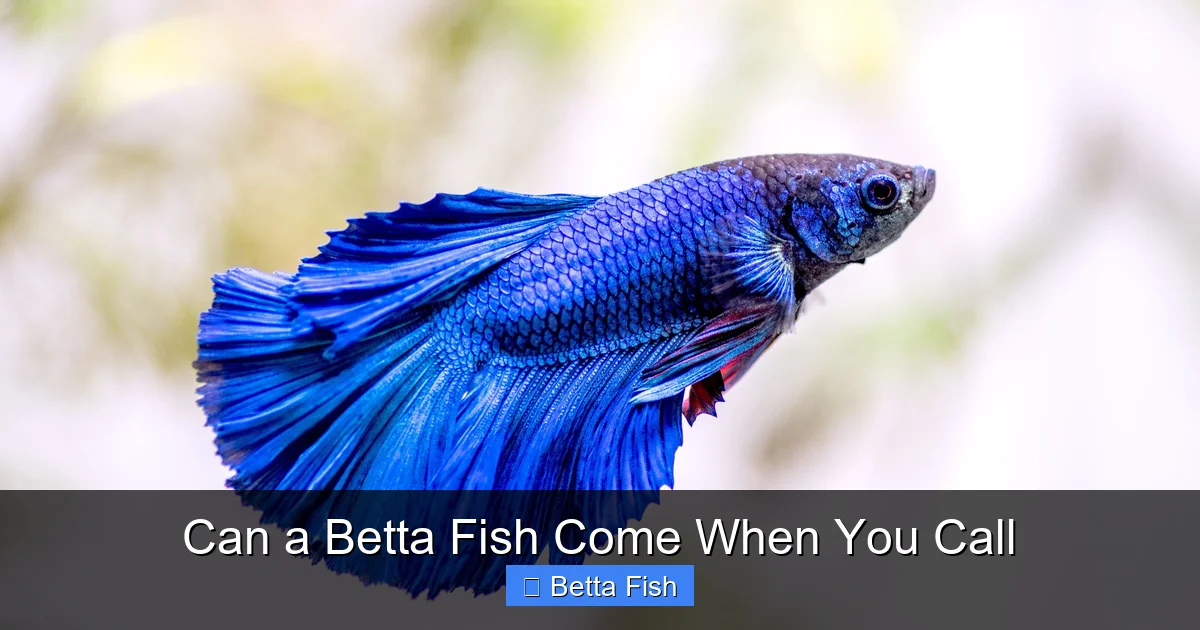
Yes, a betta can be encouraged to swim toward you, but it’s not the same as a dog “coming” on a verbal cue. The key is to use a consistent, non‑threatening signal—usually a gentle tap on the glass or a specific sound—and pair it with a reward. If you repeat the signal often enough, many bettas will start to recognize it and respond.
Visual guide about Can a Betta Fish Come When You Call
Image source: thesprucepets.com
Remember, each fish is an individual. Some bettas are naturally bold and will approach quickly; others are shy and may need weeks of patient training. The goal isn’t to force obedience but to build a friendly association.
Step‑by‑Step Guide to “Calling” Your Betta
1. Prepare a calm environment
- Make sure the tank is clean, with clear water and good lighting.
- Remove any aggressive tank mates that could cause stress.
- Keep the water temperature stable around 78°F (25.5°C).
2. Choose a distinct cue
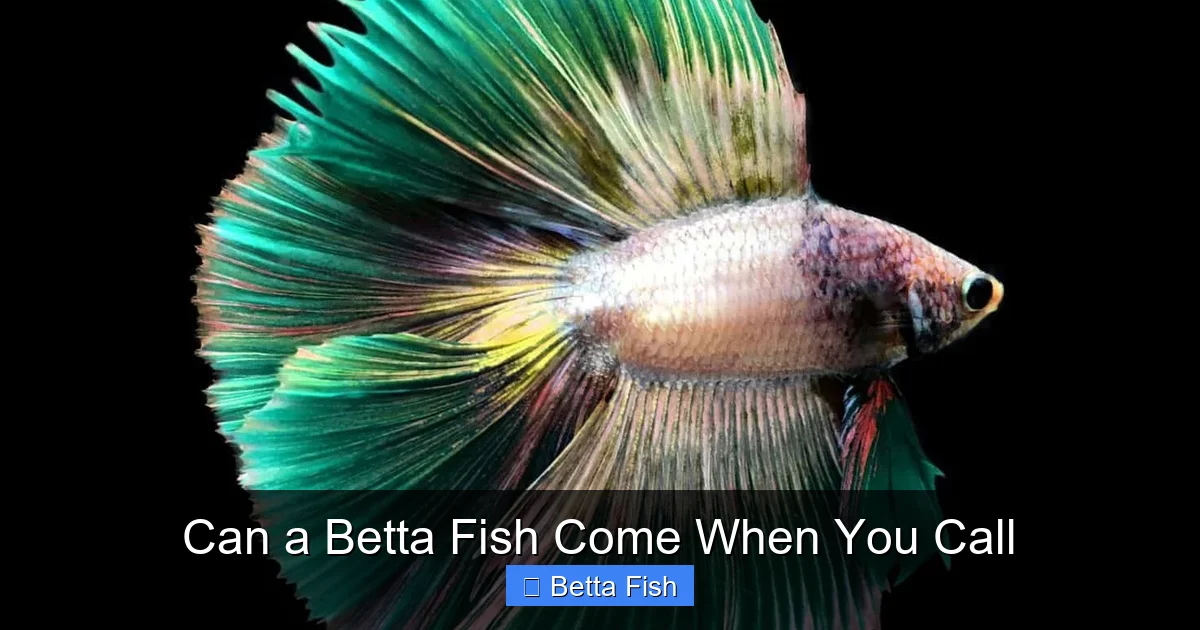
Pick a sound or action you’ll use every time. Common cues are:
Visual guide about Can a Betta Fish Come When You Call
Image source: aquariadise.com
- A light tap on the front glass.
- A soft “psst” sound.
- Raising a finger slowly toward the surface.
Consistency is crucial—never mix cues.
3. Pair the cue with food
Immediately after giving the cue, drop a small pellet or freeze‑dried bloodworm near the surface. The betta will link the cue to the reward.
4. Repeat daily
Do short sessions (2‑3 minutes) 2‑3 times a day. Over a week you should notice the fish turning its head toward the sound or movement before the food appears.
5. Fade the food (optional)
Once the betta reliably reacts to the cue, you can gradually reduce the amount of food. This helps the fish respond out of curiosity rather than hunger alone.
6. Add a “come” command
If you want the fish to swim to a specific spot, place a small piece of floating décor (like a leaf) at the far end of the tank. Use the cue, then gently guide the betta with a soft finger motion. Reward when it reaches the target.
Tips for Success
Keep sessions short and positive
Betas have short attention spans. A 30‑second “training” burst is better than a 10‑minute marathon that ends in stress.
Watch body language
Signs of stress include rapid fin flaring, hiding, or hovering near the bottom. If you see these, pause training and give the fish time to relax.
Use visual cues
Betas respond well to bright colors. A small piece of red plastic can act as a “target” for the fish to swim toward.
Maintain a healthy diet
Healthy fish are more eager to engage. Offer a varied diet of high‑quality betta pellets, occasional frozen or live foods, and avoid over‑feeding.
Don’t over‑crowd the tank
Even though you might be tempted to add companions, a solitary betta often learns best in a calm setting. For more on tank mates, read Can You Keep Other Fish With A Betta.
Common Mistakes and How to Avoid Them
Using loud noises
Loud sounds can startle a betta and create a negative association. Stick to soft taps or whispers.
Inconsistent cues
If you sometimes tap and other times clap, the fish will become confused. Pick one cue and stick with it.
Forcing the fish
Never push a betta to the glass with your hand. This can cause injury and break trust.
Neglecting water quality
Poor water conditions stress fish, making them less responsive. Perform regular water changes (20‑30% weekly) and test for ammonia, nitrite, and nitrate.
Beyond “Come”: Fun Tricks for Betta Fish
Target training
Place a small stick with a colored tip in the tank. Teach the betta to touch the tip with its nose. Reward each touch.
Bubble following
Use an air stone to create a steady stream of bubbles. Guide the betta to follow the bubbles; many fish enjoy the gentle current.
Color recognition
Show a colored card (red, blue, yellow) near the tank and reward the betta when it looks at the matching color. This can be a simple enrichment activity.
Conclusion: Building a Bond, Not a Command
While a betta fish won’t sprint across the tank the moment you shout “come,” it can learn to associate a consistent cue with a positive outcome and swim toward you willingly. The process is less about obedience and more about mutual respect and curiosity. By keeping training sessions short, using gentle cues, and maintaining a clean, stress‑free environment, you’ll likely see your betta respond more often than not.
Enjoy the tiny moments of connection—those brief swims to the glass are proof that your fish recognizes you as a friend, not a threat. And even if your betta never becomes a full‑time “come” performer, the effort you put into understanding its behavior will make for a healthier, happier pet.
Frequently Asked Questions
Can a betta fish be trained to come when called?
Yes, with consistent cues and rewards a betta can learn to swim toward you, but it won’t obey like a dog. Training relies on conditioning, not obedience.
What is the best cue to use?
A soft tap on the glass or a gentle “psst” sound works well because bettas sense vibrations. Choose one cue and repeat it every time you feed.
How long does it take for a betta to respond?
Most bettas show a reaction after a few days of daily short sessions. Some may take up to two weeks, depending on temperament.
Is it safe to touch a betta while training?
Never force a betta to the glass with your hand. Use a finger to guide gently only if the fish is already swimming toward you.
Can tank mates affect training?
Yes. Aggressive or overly active tank mates can stress a betta and make it less likely to respond. A solitary setup often yields the best results.
What should I do if my betta stops responding?
Give it a break for a day or two, check water quality, and ensure you’re not over‑feeding. Then resume training with the same cue.

