Is It Better to Overfeed and Underfeed Fish
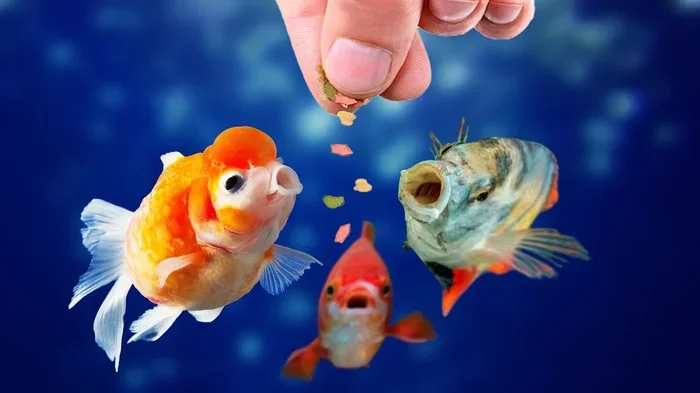
It is never better to overfeed or underfeed fish. Both overfeeding and underfeeding cause serious health problems for your betta fish. The key is finding a balanced feeding schedule that keeps your fish happy, active, and thriving.
Every betta fish owner faces the same question at some point. Is it better to overfeed and underfeed fish? The honest answer is neither. Both extremes harm your fish in different ways. Overfeeding leads to dirty water, bloated bellies, and early death. Underfeeding leads to weakness, dull colors, and a weakened immune system. The sweet spot lies somewhere in the middle, and this guide will show you exactly how to find it.
Betta fish are popular pets because they are colorful, active, and relatively easy to care for. But their small tanks and sensitive digestive systems make feeding tricky. Many new owners think more food equals a happier fish. That is a dangerous myth. In this article, we will break down the real risks of both overfeeding and underfeeding. You will learn practical tips, warning signs, and the ideal feeding routine for your betta.
Whether you just brought home your first betta or you have had one for years, this guide will help you fine-tune your feeding habits. Proper nutrition is the foundation of a long, healthy life for your fish. Let us dive in and explore what really happens when you feed too much or too little.
Key Takeaways
- Overfeeding is the #1 killer: Excess food pollutes the water and causes deadly diseases in betta fish.
- Underfeeding has hidden risks: Malnutrition weakens the immune system and stunts growth over time.
- Portion control matters: Feed only what your fish can eat in two minutes, twice a day.
- Watch for warning signs: Bloating, lethargy, and color fading signal feeding problems.
- Quality food makes a difference: Choose high-protein betta pellets and occasional treats for optimal health.
- Consistency beats quantity: A regular feeding schedule is more important than how much you offer each time.
📑 Table of Contents
Why Overfeeding Is the Biggest Threat to Betta Fish
Overfeeding is the most common mistake fish owners make. It is also the most dangerous. Betta fish have small stomachs, roughly the size of their eyeball. They cannot process large amounts of food. When you give them too much, the extra food sinks to the bottom and rots. This creates ammonia and nitrites that poison the water.
The Hidden Dangers of Too Much Food
When excess food decays in the tank, it releases toxic chemicals. These toxins damage your betta’s gills and organs. Even if your fish looks fine on the outside, the water quality may be falling apart behind the scenes. Here are the main dangers of overfeeding:
- Water pollution: Uneaten food breaks down into ammonia, which is lethal to fish even in small doses.
- Swim bladder disease: A bloated stomach presses against the swim bladder, making it hard for your fish to swim properly.
- Fatty liver disease: Too many treats and rich foods cause fat to build up around the liver over time.
- Algae blooms: Extra nutrients from decomposing food fuel algae growth, making your tank look green and messy.
- Shortened lifespan: Chronic overfeeding can cut your betta’s life short by several years.
Many owners do not realize the damage until it is too late. Betta fish are resilient, but they have limits. If your fish is constantly leaving food uneaten, you are feeding too much. Drop the portion size and clean up any leftovers within five minutes.
Signs Your Betta Is Being Overfed
Spotting overfeeding early can save your fish’s life. Look for these clear warning signals:
- Bloating: The belly looks swollen and tight, not rounded naturally.
- Clamped fins: Fins stay close to the body instead of flowing freely.
- Lethargy: Your fish spends most of the day resting at the bottom or floating listlessly.
- Loss of appetite: Ironically, an overfed fish may stop eating altogether.
- Foul-smelling tank: A rotten smell from the gravel means decomposing food is building up.
If you notice any of these signs, skip a feeding or two and do a partial water change. Your betta will recover quickly once the toxins are removed. Overfeeding symptoms often look like other diseases, so always check the feeding schedule first before reaching for medications.
Why Underfeeding Is Also Harmful
While overfeeding gets more attention, underfeeding is a real problem too. Some owners restrict food out of fear they will overfeed. The result is a thin, pale, and weak fish. Betta fish need consistent nutrition to maintain their vibrant colors, energy levels, and immune function.
What Happens When Fish Don’t Get Enough to Eat
A chronically underfed betta will start showing physical and behavioral changes. The body begins to burn stored fat and muscle for energy. Over time, this leads to serious health decline. Here are the risks of underfeeding:
- Malnutrition: Without a balanced diet, your fish misses essential vitamins and minerals.
- Weakened immune system: A malnourished betta is far more vulnerable to infections and parasites.
- Stunted growth: Young bettas that do not receive enough food may never reach their full size.
- Dull coloration: The brilliant reds, blues, and greens fade when the diet lacks proper nutrients.
- Aggressive behavior: Hungry bettas become stressed and may display fin-nipping or flaring at tank mates.
Underfeeding also causes behavioral changes you might not expect. Your betta may start begging constantly, swimming frantically at the surface whenever you approach the tank. This is not cute, it is a sign of hunger and stress. If you are away from home often, consider an automatic feeder or ask a friend to feed your betta while you are gone.
Finding the Right Balance Between Overfeeding and Underfeeding
The goal is to feed your betta just enough to meet its nutritional needs without polluting the water. This balance depends on several factors, including your fish’s age, size, activity level, and water temperature. Warmer water speeds up metabolism, so your betta may need slightly more food in summer. Cooler water slows things down, so reduce portions accordingly.
A good rule of thumb is the two-minute rule. Offer a small pinch of food and watch your betta eat. If there is still food left after two minutes, you have given too much. Remove the leftovers with a small net or siphon. Most adult bettas do well with two small feedings per day, about six hours apart.
The Best Feeding Schedule for Betta Fish
Consistency matters more than quantity. A regular feeding schedule helps your betta’s digestive system work efficiently and keeps waste production predictable. Here is a simple daily routine that works for most bettas.
Morning Feeding
Feed your betta once in the morning, around the same time each day. Start with two to three high-quality betta pellets. Soak them in tank water for a few seconds before adding them to the aquarium. This prevents the pellets from expanding in your fish’s stomach, which can cause bloating and constipation.
Watch your betta eat for one to two minutes. If the pellets disappear quickly, you can offer one or two more. If your fish ignores them, stop feeding and remove any uneaten pieces. Skipping an occasional morning feeding is perfectly fine and actually helps your fish’s digestive system rest.
Evening Feeding
The evening feeding should be smaller than the morning one. Offer one to two pellets or a small piece of frozen bloodworm or brine shrimp. Variety is important for betta nutrition. Pellets should form the staple diet, but occasional treats add nutrients and enrichment.
Remember to remove any uneaten food after two minutes. A clean tank is just as important as a proper diet. If you want to give your betta a break from pellets, try blanched peas or daphnia as a healthy alternative. These foods aid digestion and help prevent constipation.
Choosing the Right Food for Your Betta
Not all fish food is created equal. The quality of food you choose directly impacts your betta’s health and longevity. Cheap flakes and generic pellets often lack the protein levels bettas need. Always look for foods with real ingredients and high protein content.
What to Look for in Betta Food
When shopping for betta food, check the ingredient list first. The top three ingredients should be whole fish or fish meal. Avoid foods filled with fillers like wheat, corn, and soy. These offer little nutritional value and can cause digestive issues. Here is a quick comparison of good and bad food choices:
- Good choices: High-protein betta pellets, frozen bloodworms, brine shrimp, daphnia, and blanched peas.
- Okay choices: Quality betta flakes and freeze-dried foods (use sparingly as they can expand in the stomach).
- Poor choices: Generic tropical flakes, food with artificial colors and fillers, bread or human food scraps.
Feeding a varied diet keeps your betta interested in food and ensures it gets a full range of nutrients. Rotate between pellets, frozen foods, and occasional treats throughout the week. This mimics the diverse diet bettas would eat in the wild and supports overall fish health.
Common Feeding Mistakes to Avoid
Even experienced fish owners make feeding mistakes. Awareness is the first step toward correction. Here are the most common errors that lead to overfeeding or underfeeding.
Mistake 1: Following the Package Instructions Blindly
Most fish food packages recommend feeding more than your betta actually needs. These guidelines are designed for mass-market appeal, not for the specific needs of bettas in small tanks. Always start with less food than the package suggests and adjust based on your fish’s appetite and behavior.
Mistake 2: Feeding Out of Guilt or Routine
Some owners feel bad for their fish and feed extra to compensate. Others feed on autopilot without checking if their fish is still hungry. Both habits lead to overfeeding. Your betta does not need an emotional feeding relationship. Feed measured amounts at consistent times, and trust the routine.
Mistake 3: Ignoring Water Quality
Even perfect portions of food become a problem if the water quality is poor. Dirty filters, infrequent water changes, and overcrowded tanks amplify the effects of any feeding mistake. Test your water parameters regularly and keep ammonia and nitrite levels at zero. A healthy tank environment makes feeding mistakes less consequential.
If you are concerned about your betta’s health, regular checkups and a clean environment go hand in hand with proper feeding. You might also want to read about whether it is good to keep betta fish at home to understand the full scope of betta care. Similarly, if you notice unusual behavior like constant pacing, check out this article on why betta fish pace back and forth for insights into stress and health issues.
Expert Tips for Perfect Betta Feeding
Veterinarians and experienced betta breeders share a few insider tips that make feeding simpler and safer. These small adjustments can have a big impact on your fish’s well-being.
- Use a feeding ring: This keeps food contained in one area, making it easy to remove uneaten portions.
- Fast your betta once a week: Skipping one feeding per week helps prevent constipation and gives the digestive system a break.
- Soak pellets before feeding: This prevents dangerous stomach expansion inside your fish.
- Observe your fish daily: Watching your betta eat is the best way to notice changes in appetite or behavior early.
- Keep a feeding log: Writing down what and when you feed helps you spot patterns and adjust portions as needed.
These tips work together to create a sustainable feeding routine. You do not need to do all of them at once. Start with the two-minute rule and work your way up to a full routine. Your betta will thank you with vibrant colors, energetic swimming, and a long, healthy life.
Conclusion
The answer to whether it is better to overfeed or underfeed fish is simple. Neither option is good. Overfeeding poisons the water and causes life-threatening health issues. Underfeeding starves your fish of essential nutrients and weakens its body over time. The best approach is a balanced, consistent feeding routine with high-quality food and careful portion control.
Your betta fish depends on you for everything, including meals. By understanding the risks and following the tips in this guide, you are setting your fish up for success. Remember to feed small amounts twice a day, remove uneaten food promptly, and watch your fish for any signs of trouble. With the right care, your betta will thrive for years to come.
Take a moment today to evaluate your current feeding habits. Are you giving your betta too much or too little? Small adjustments now can make a huge difference in your fish’s health and happiness. Your betta deserves the best, and that starts with what you put in the tank every morning and evening.
Frequently Asked Questions
How much should I feed my betta fish each day?
Feed your betta two to four small pellets twice a day, morning and evening. The total amount should be what your fish can eat within two minutes per feeding. Adjust the portion size based on how quickly your betta finishes the food and whether any is left uneaten.
Can overfeeding kill a betta fish?
Yes, overfeeding can directly kill a betta fish. Excess food rots in the tank and releases ammonia, which poisons the water. Chronic overfeeding also causes swim bladder disease, fatty liver, and organ damage. These conditions can be fatal if not addressed quickly.
What should I do if I accidentally overfeed my betta?
Stop feeding immediately and remove any uneaten food from the tank with a small net or siphon. Do a partial water change of about 25 percent to reduce toxin levels. Skip the next feeding to give your betta’s digestive system time to process what is already in the tank.
How do I know if my betta is being underfed?
Signs of underfeeding include a thin or sunken belly, faded colors, low energy, and constant begging at the surface. If your betta looks smaller than expected or its fins appear dull and brittle, the diet may be insufficient. Increase portion sizes gradually and ensure the food is high in protein.
Is it okay to skip feeding my betta for a day?
Yes, skipping one feeding day is perfectly safe and actually beneficial. A fasting day helps your betta’s digestive system rest and can prevent constipation. Many experienced betta owners fast their fish once a week as part of a healthy routine.
What is the best food for betta fish?
The best food is a high-protein betta pellet as the staple diet, supplemented with frozen or live foods like bloodworms, brine shrimp, and daphnia. Avoid generic tropical flakes and foods with artificial fillers. Look for brands where whole fish or fish meal is the first ingredient listed.