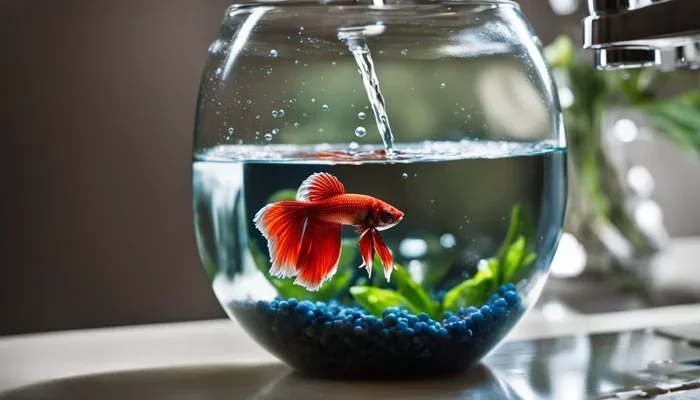
What Can Betta Fish Eat Bread
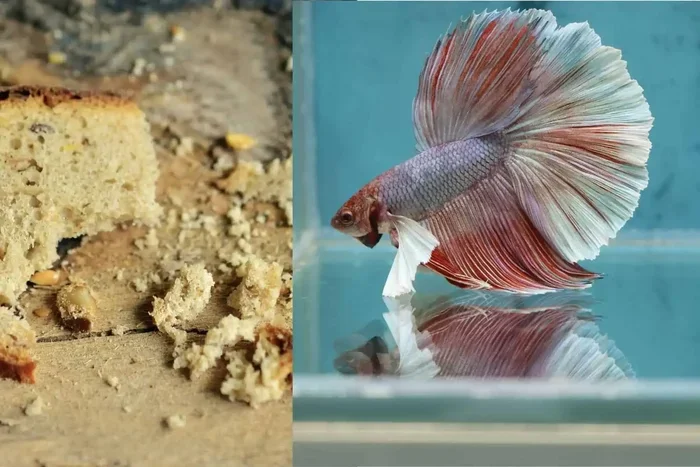
Betta fish should not eat bread. Bread offers no nutritional value and can cause serious digestive problems. Feed your betta specialized pellets, flakes, or safe alternatives like bloodworms and brine shrimp instead.
Many fish owners wonder if they can share their sandwich with their betta. The short answer is no. Betta fish should not eat bread. While it might seem harmless to toss a small piece into the tank, bread can seriously harm your fish. In this guide, we explain exactly why bread is dangerous and what you should feed your betta instead.
Understanding betta fish diet is one of the most important parts of keeping these beautiful fish healthy. Bettas are carnivorous by nature. They need protein-rich foods to stay active, colorful, and long-lived. Bread is full of carbohydrates and empty calories that a betta’s digestive system simply cannot process.
Whether you are a new betta owner or have had fish for years, this article will help you make better feeding choices. We cover what happens when bettas eat bread, safe food options, and practical tips for a healthy feeding routine. By the end, you will know exactly how to keep your betta happy and well-fed.
Key Takeaways
- Bread is harmful: Bettas cannot digest bread properly, leading to bloating and constipation.
- No nutritional value: Bread lacks the protein and nutrients bettas need to thrive.
- Safe alternatives exist: Pellets, flakes, frozen foods, and live foods are much better choices.
- Feeding bread can cause swim bladder issues: This is a serious health risk for betta fish.
- Stick to a proper diet: A balanced betta diet keeps your fish healthy and colorful.
- Prevention is easy: Simply avoid putting bread or bread crumbs in your aquarium.
📑 Table of Contents
Why Betta Fish Cannot Eat Bread
The idea of feeding bread to a betta fish might seem like a quick fix. Maybe you ran out of fish food and thought a tiny piece of bread would do the trick. Unfortunately, bread is one of the worst things you can give a betta. Here is why.
Digestive Problems in Betta Fish
Bettas have small, sensitive digestive systems. Their bodies are designed to process protein, not processed wheat and yeast. When a betta eats bread, the bread expands in their stomach. This causes bloating, which can lead to constipation and serious discomfort.
Over time, feeding bread can damage the digestive tract. The yeast in bread ferments inside the fish, creating gas buildup. This puts pressure on internal organs and can lead to life-threatening conditions. Do not risk your betta’s health with bread.
Bread Has No Nutritional Value for Bettas
Bread is mostly refined flour, sugar, and preservatives. None of these ingredients provide the nutrition a betta needs. Bettas require a diet high in protein, with moderate fat and very few carbohydrates. Bread is the opposite of what they need.
Feeding bread regularly can lead to malnutrition. Your betta might stop eating proper food because it feels full from the bread. This creates a dangerous cycle of nutritional deficiency. Fish nutrition matters, and bread simply does not contribute to it.
Swim Bladder Disorders from Bread
One of the most common problems caused by feeding bread is swim bladder disorder. The swim bladder controls a fish’s buoyancy. When a betta’s stomach is bloated from bread, the swim bladder gets compressed. This makes it hard for the fish to swim properly.
A betta with swim bladder issues may float upside down or struggle to stay upright. In severe cases, this condition can be fatal. Keeping your betta away from bread is one of the simplest ways to prevent this painful disorder.
What Happens If a Betta Eats Bread?
Accidents happen. Maybe your child dropped a cracker in the tank or a piece of bread fell in while you were cooking nearby. A single small piece might not cause immediate harm, but it is still risky. Here is what you need to watch for.
Short-Term Effects
- Bloating: The bread expands in the stomach, making the fish look swollen.
- Loss of appetite: A full stomach from bread makes the betta refuse proper food.
- Lethargy: The fish becomes less active and may hide more than usual.
- Difficulty swimming: Buoyancy problems may appear within hours.
Long-Term Effects of Feeding Bread
If bread becomes a regular part of a betta’s diet, the consequences get worse over time. Chronic bloating can damage internal organs. Malnutrition weakens the immune system, making the fish more vulnerable to diseases. The betta’s colors may fade, and its energy levels will drop significantly.
Some owners ask, can you feed betta fish bread crumbs? The answer is still no. Even small crumbs expand in the stomach and offer zero nutrition. Can betta fish eat bread in any form? The answer remains the same. Any form of bread is harmful to bettas.
It is worth noting that do betta fish eat bread if offered? Some bettas might nibble out of curiosity, but that does not mean it is good for them. Bettas are opportunistic eaters and will try almost anything. That does not make it safe.
Safe and Healthy Foods for Betta Fish
Now that you know what to avoid, let us talk about what your betta should actually eat. A proper betta fish diet keeps your fish vibrant, active, and healthy. There are many great options available.
Betta Pellets
High-quality betta pellets are the foundation of a healthy diet. They are specially formulated with the protein levels bettas need. Look for pellets where the first ingredient is fish meal or shrimp. Betta fish pellets should make up the bulk of their meals.
Feed pellets twice a day, giving only what the fish can eat in two minutes. Overfeeding is just as dangerous as feeding bread. Remove any uneaten pellets after feeding time.
Betta Flakes
Flakes are another common option, but they are not always ideal. Many generic flakes are made for tropical fish in general and may lack the protein content bettas need. If you use flakes, choose ones specifically designed for bettas. Soak them before feeding to prevent air pockets in the fish’s stomach.
Frozen and Live Foods
Bettas love variety, and frozen or live foods make excellent treats. Bloodworms are a favorite among betta owners. They are packed with protein and are highly palatable. Brine shrimp, daphnia, and mosquito larvae are also great options.
Live foods should come from reputable sources to avoid introducing parasites into your tank. Frozen foods are a safer alternative that still provide excellent nutrition. Can betta fish just eat bloodworms? While bloodworms are nutritious, they should be part of a varied diet, not the only food source.
Safe Human Foods (Occasional Treats)
Some human foods are safe for bettas in small amounts as occasional treats. These include:
- Boiled peas: Shelled and mashed, they help with constipation.
- Spinach: Rich in vitamins and safe for bettas in tiny amounts.
- Earthworms: A natural protein source that bettas love.
- Mosquito larvae: A great live food option found in pet stores.
Remember that these should only be treats, not staples. A balanced commercial diet should always come first. What foods can betta fish eat beyond these options? Stick to the safe list and avoid processed human foods.
Common Mistakes When Feeding Betta Fish
Even well-meaning fish owners make feeding mistakes. Understanding these common errors helps you avoid them and keep your betta healthy.
Overfeeding
Overfeeding is the number one mistake people make. Bettas have tiny stomachs, roughly the size of their eye. Feeding too much leads to obesity, bloating, and poor water quality from uneaten food. Stick to small portions and feed consistently.
Feeding the Wrong Foods
Many owners feed their bettas generic tropical flakes or even bread. This is a serious error. Always choose foods designed for bettas or carnivorous fish. Can other fish eat betta pellets? Sometimes, but bettas have specific dietary needs that generic fish food does not meet.
Ignoring Feeding Schedules
Consistency matters. Feed your betta at the same times each day. Skipping days occasionally is fine and even beneficial for their digestive system. But an irregular feeding schedule can stress the fish and disrupt their metabolism.
Skipping Variety
Even with the best pellets, variety is important for nutrition. Rotate between pellets, frozen foods, and occasional treats. This keeps your betta interested in food and ensures they get a broad range of nutrients. Betta fish care includes a thoughtful and varied feeding routine.
Feeding Schedule and Best Practices
Setting up a proper feeding routine is simple but makes a big difference. Here is a practical guide to follow.
Daily Feeding Routine
- Morning feeding: Give 2-3 pellets or a small pinch of flakes.
- Evening feeding: Repeat the same amount.
- Fasting day: Skip one feeding per week to support digestion.
Portion Control Tips
- Watch your betta eat and remove any uneaten food after two minutes.
- Never give more than the fish can consume in one sitting.
- Adjust portions based on your betta’s size and activity level.
- Soak dry food before feeding to prevent stomach expansion from air.
Quick Tips for Healthy Feeding
- Always wash your hands before handling fish food or reaching into the tank.
- Store fish food in a cool, dry place to maintain freshness.
- Do not substitute betta food with dog or cat food ever.
- Keep a consistent feeding schedule to reduce stress.
- Observe your betta during feeding to spot appetite changes early.
Following these simple practices ensures your betta gets the right nutrition every day. Proper feeding habits are one of the easiest ways to extend your betta’s lifespan and keep it thriving.
Conclusion
Betta fish should never eat bread. It offers no nutritional benefits and poses real health risks including bloating, constipation, and swim bladder disorders. The answer to “can betta fish eat bread” is a clear and firm no. Instead, focus on providing a balanced diet of high-quality pellets, flakes, and occasional frozen or live foods.
Your betta depends on you for its nutrition. Making informed feeding choices is one of the best things you can do for your fish. Choose safe, protein-rich foods and avoid processed human snacks like bread. Your betta will reward you with vibrant colors, active behavior, and a long, healthy life.
Keep learning about betta fish care and feeding best practices. The more you know, the better equipped you are to give your fish the home it deserves. Share this guide with other betta owners to help them make safer choices too.
Frequently Asked Questions
Can betta fish eat bread crumbs?
No, bread crumbs are just as harmful as whole bread. They expand in the betta’s stomach and offer no nutritional value. Even small amounts can cause bloating and digestive issues.
What should I do if my betta accidentally ate bread?
Remove any remaining bread from the tank immediately. Monitor your betta for signs of bloating or difficulty swimming. Offer a small amount of their regular pellets the next feeding to encourage proper digestion.
Can betta fish eat other types of human food?
Some human foods are safe in small amounts, like boiled peas or blanched spinach. However, most processed foods including bread, crackers, and chips should never be given to bettas. Always research a food before offering it to your fish.
How often should I feed my betta fish?
Feed your betta twice a day with small portions. A good practice is to skip one feeding day per week to help their digestive system rest. Consistency and portion control are key to a healthy feeding routine.
Is it safe to feed betta fish flakes from the pet store?
Yes, but choose flakes specifically formulated for bettas. Generic tropical flakes may lack the protein content bettas need. Soak flakes before feeding to prevent air from getting into their stomach.
What is the best food for betta fish?
The best food is a high-quality betta pellet as the staple diet, supplemented with frozen or live foods like bloodworms and brine shrimp for variety. A balanced diet keeps bettas healthy, colorful, and active.