Can a Betta Fish Die from Being Overfed
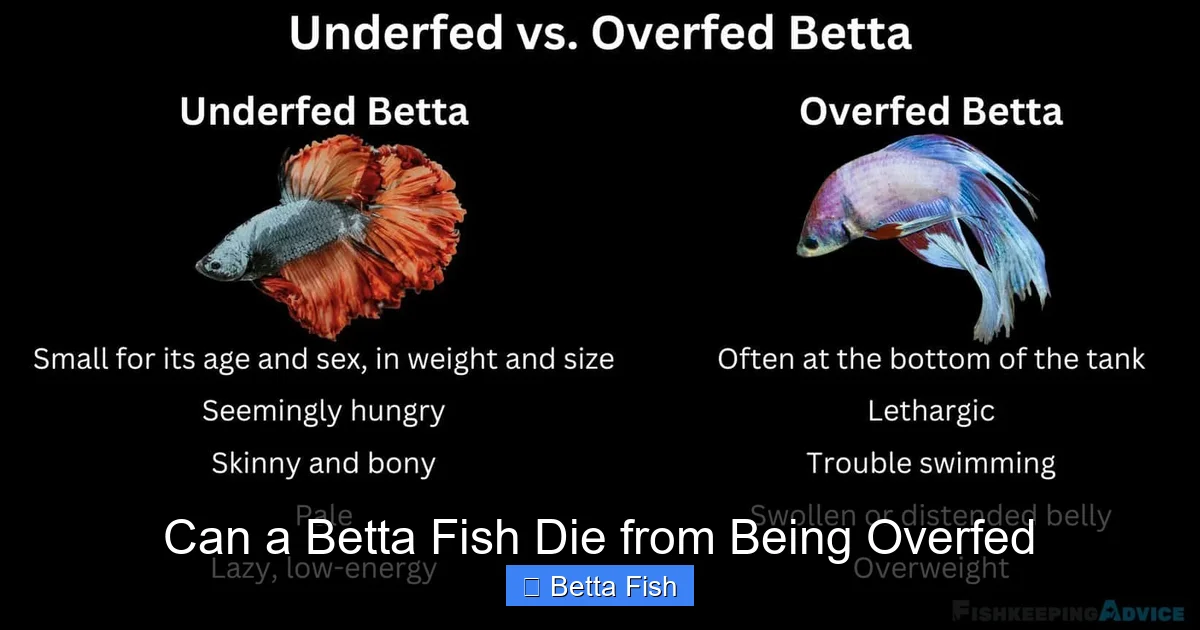
Overfeeding a betta can lead to serious health problems, including fatal swim bladder disease and water quality issues. Feed small portions once or twice daily, monitor your fish, and keep the tank clean to prevent overfeeding disasters.
Key Takeaways
- Small meals are best: Betta fish thrive on 2‑3 tiny feedings per day, not a large bowl.
- Watch the water: Cloudy or foul‑smelling water often means you’re feeding too much.
- Swim bladder issues are common: Over‑feeding can cause constipation and fatal buoyancy problems.
- Regular tank maintenance helps: Frequent water changes reduce ammonia spikes caused by excess food.
- Know the signs: Lethargy, bloating, and loss of appetite signal you may be overfeeding.
- Quality matters more than quantity: High‑protein pellets or frozen foods are better than cheap fillers.
- Adjust as your betta ages: Younger fish need more frequent feedings; adults need less.
📑 Table of Contents
- Introduction: Why Feeding Matters More Than You Think
- 1. How a Betta’s Digestive System Works
- 2. Signs Your Betta Is Being Overfed
- 3. How Much Food Is Too Much?
- 4. Safe Feeding Practices
- 5. What To Do If You Suspect Overfeeding
- 6. Preventing Overfeeding Long‑Term
- Conclusion: Feed Smart, Keep Your Betta Happy
Introduction: Why Feeding Matters More Than You Think
When you first bring home a vibrant betta, the excitement can turn into a feeding frenzy. You want your new friend to grow strong, show off its colors, and maybe even perform those famous flares. But there’s a hidden danger lurking in the bowl – overfeeding. Many beginners think “the more the merrier,” yet a betta’s tiny stomach can only handle a few bites a day. Too much food not only fattens the fish but also poisons the water, leading to stress, disease, and sometimes a sudden death.
In this guide we’ll break down exactly how overfeeding harms a betta, what the warning signs look like, and step‑by‑step how to feed safely. Think of it as a friendly chat over a cup of coffee, with plenty of practical tips you can start using tonight.
1. How a Betta’s Digestive System Works
Small stomach, big appetite
Betta fish have a stomach roughly the size of a pea. They are natural surface feeders, snapping up insects and larvae in the wild. In captivity this translates to a need for high‑protein foods that are easily digestible. Because the stomach is so small, a single over‑large bite can overload the system.
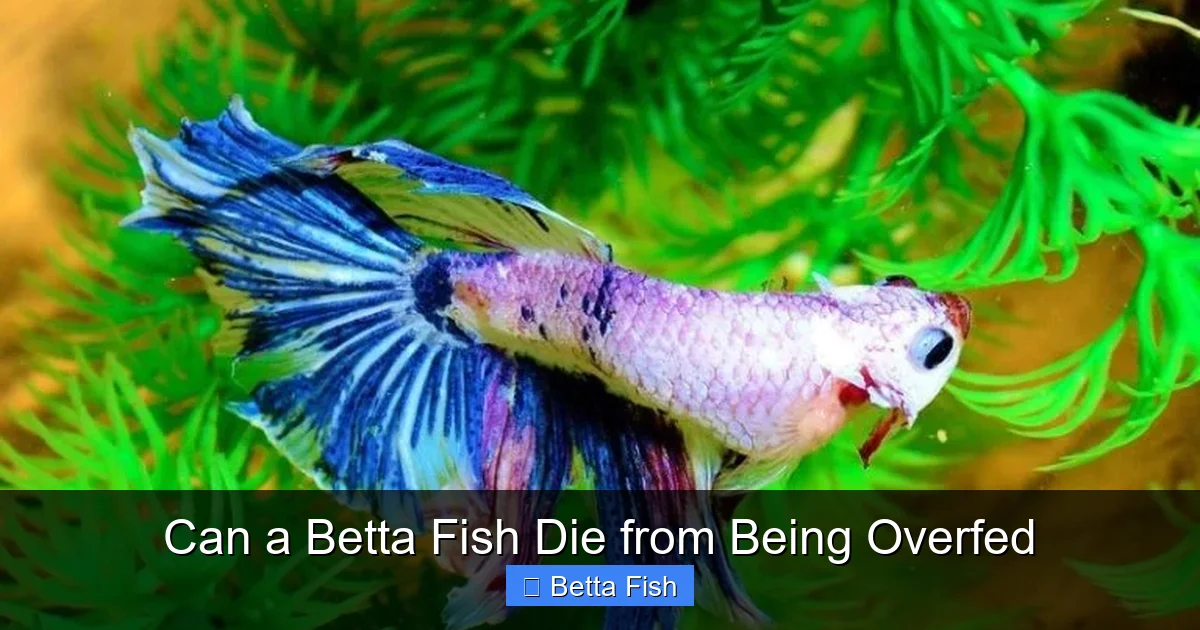
Visual guide about Can a Betta Fish Die from Being Overfed
Image source: infishtank.com
The role of the swim bladder
The swim bladder is a gas‑filled organ that lets the betta float or sink at will. When a fish eats too fast or consumes too much, the digestive tract can become backed up, pressing on the swim bladder. This results in the dreaded “swim bladder disease,” where the fish drifts upside down or floats helplessly at the surface.
Ammonia buildup from uneaten food
Betta tanks are often small, meaning water changes are limited. Any food that isn’t eaten breaks down into ammonia, a toxic compound. Even a few extra pellets each day can raise ammonia levels enough to stress the fish’s gills and liver, shortening its lifespan.
2. Signs Your Betta Is Being Overfed
Visible physical changes
- Bloating: A round, puffy belly is the first clue.
- Floating or sinking oddly: The fish can’t control its depth.
- Red or inflamed vent: The opening where waste exits becomes irritated.
Behavioral clues
- Lethargy: Less active, hiding more often.
- Loss of appetite: Turns away from food that it normally loves.
- Rapid breathing: Gasping at the surface indicates water quality stress.
Water quality warnings
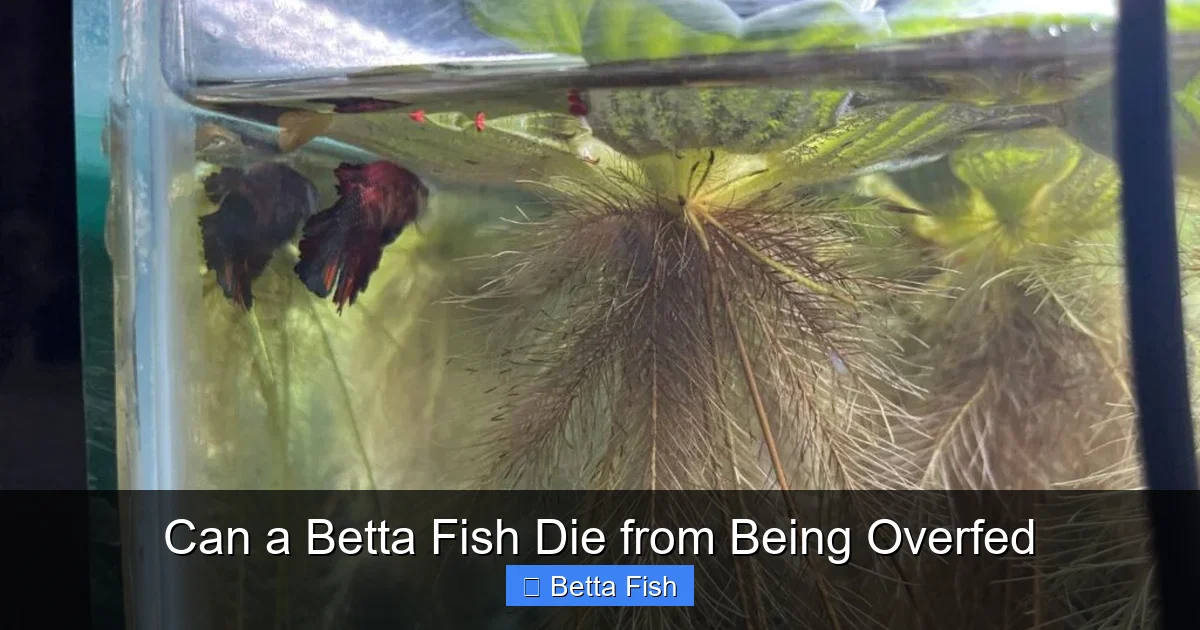
Cloudy water, strong odors, or a sudden spike in ammonia on test strips usually means you’re feeding too much. Regular testing can catch these problems early.
Visual guide about Can a Betta Fish Die from Being Overfed
Image source: housedpet.com
3. How Much Food Is Too Much?
General feeding rule
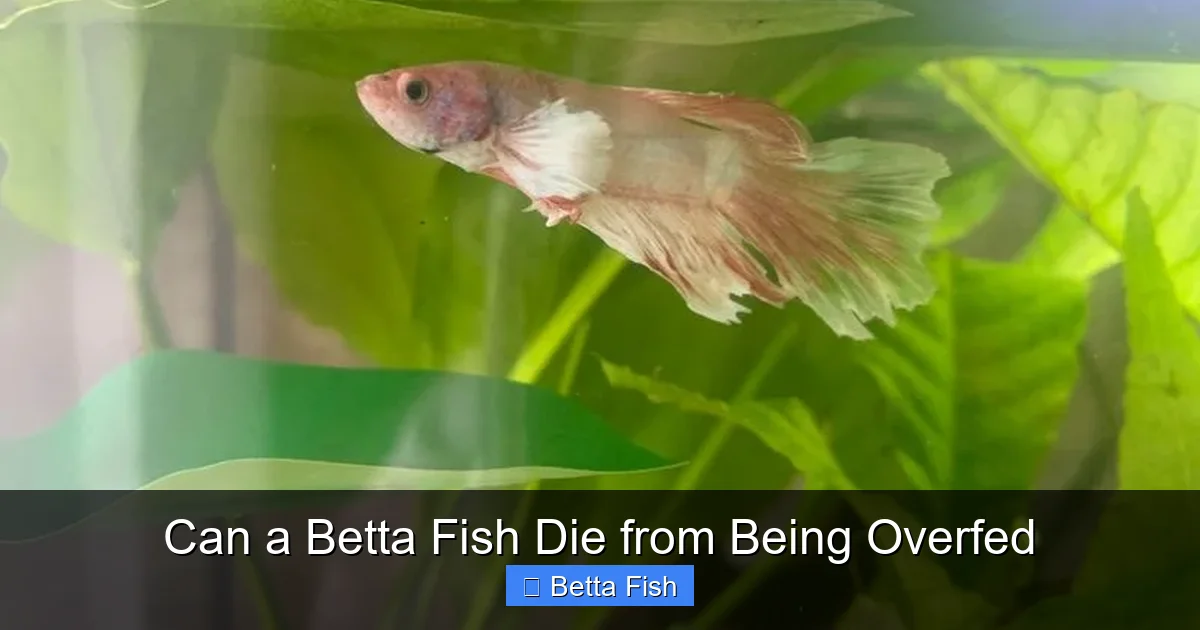
Offer an amount that your betta can consume in 2‑3 minutes, twice a day. This is typically 2‑4 pellets per feeding for most commercial betta foods. If you’re using frozen or live foods, a single pea‑sized piece per feeding is enough.
Visual guide about Can a Betta Fish Die from Being Overfed
Image source: exploringanimals.com
Adjusting for age and activity
- Fry (0‑3 months): Feed 3‑4 times daily, small portions.
- Juveniles (3‑6 months): Two feedings a day, slightly larger portions.
- Adults (6+ months): One or two feedings, same small portion.
Using a feeding schedule
Write down feeding times on a sticky note. Consistency prevents accidental over‑feeding and helps you notice if your fish stops eating at a usual time.
4. Safe Feeding Practices
Choosing the right food
High‑quality betta pellets or frozen bloodworms are best. Avoid cheap fillers that swell in water and release excess starch. For variety, rotate between pellets, frozen, and occasional live foods.
Portion control tricks
- Pre‑measure: Use a tiny spoon or your fingertip to count pellets.
- Freeze‑dry treats: Crush a single pellet, sprinkle it in the water, and watch it dissolve.
- Feed on a plate: Place food on a small plate over the tank; the betta will eat directly from it, reducing waste.
Cleaning up uneaten food
After 5 minutes, use a turkey baster or a soft net to remove any leftover pieces. This habit keeps ammonia low and prevents mold growth.
Water change routine
Even with perfect feeding, a 20‑25% water change weekly is essential. If you notice frequent over‑feeding signs, increase to 30% every few days until water clears.
5. What To Do If You Suspect Overfeeding
Immediate steps
- Stop feeding for 24 hours: Give the digestive tract a break.
- Perform a partial water change (30%): Remove as much waste as possible.
- Check the temperature: Keep it steady at 78‑80°F (25‑27°C) to aid digestion.
Treating swim bladder issues
Place the betta in a shallow container with warm (78°F) water for 15‑20 minutes. This can help relieve constipation. Adding a pinch of Epsom salt (1 g per gallon) may also reduce swelling, but only use it sparingly.
When to seek professional help
If the fish remains upside down after 48 hours, or if you see blood or severe bloating, consult a veterinarian who specializes in fish.
6. Preventing Overfeeding Long‑Term
Set realistic expectations
Betta fish are not “big eaters.” Their bright colors come from genetics, not a hefty diet. A well‑fed betta will be active, vibrant, and live 3‑5 years on average.
Use a feeding log
Write the date, amount, and type of food each day. Over time you’ll see patterns and can adjust portions before problems arise.
Combine feeding with tank enrichment
Provide plants, caves, and gentle water flow. A stimulated betta will be less likely to overeat out of boredom.
Link to related topics
If you’re wondering about other aspects of betta care, check out our guide on Can You Keep Betta Fish In A Small Bowl and learn why tank size matters for feeding and waste management. Also, discover which companions are safe by reading What Fish Can Live With A Male Betta. Finally, if you suspect a sudden death, our article Why Did My Betta Fish Die All Of A Sudden outlines common causes, including overfeeding.
Conclusion: Feed Smart, Keep Your Betta Happy
Overfeeding is a silent threat that can quickly turn a beautiful betta into a sick, struggling fish. By understanding the tiny stomach, watching for warning signs, and sticking to a disciplined feeding routine, you protect your pet’s health and extend its life. Remember: a few high‑quality pellets a day are far better than a mountain of food. Keep the water clean, monitor your fish’s behavior, and you’ll enjoy a thriving, colorful betta for years to come.
Frequently Asked Questions
Can a betta fish die from being overfed?
Yes. Overfeeding can cause swim bladder disease, constipation, and toxic ammonia spikes, all of which can be fatal if not addressed quickly.
How often should I feed my adult betta?
Two small feedings per day are ideal. Offer only what the fish can eat in 2‑3 minutes, usually 2‑4 pellets.
What are the first signs of overfeeding?
Look for a bloated belly, abnormal floating, lethargy, loss of appetite, and cloudy or foul‑smelling water.
Is it okay to give my betta live food?
Live foods like brine shrimp are fine in moderation. Offer a single pea‑sized portion once or twice a week as a treat.
How do I clean uneaten food from the tank?
After feeding, wait about five minutes and then use a turkey baster or soft net to remove any leftover pellets.
Should I change the water more often if I overfeed?
Yes. Increase water changes to 30% every few days until the water clears and ammonia levels return to normal.