Can a Betta Fish Be Put in with Glofish
Betta fish are beautiful but territorial, and mixing them with Glofish requires careful planning. With the right tank size, hiding spots, and compatible species, you can create a peaceful home, but many bettas simply won’t tolerate the bright, active Glofish.
Key Takeaways
- Temperament matters: Male bettas are often aggressive, making cohabitation risky.
- Tank size is crucial: A minimum of 20 gallons gives enough space for territories.
- Hiding places reduce stress: Live plants, caves, and driftwood create break‑up lines.
- Glofish species differ: Some (like neon tetras) are more peaceful than others (like tiger barbs).
- Monitor behavior daily: Early signs of fin nipping or color fading signal a problem.
- Alternative companions: Snails and shrimp often coexist peacefully with bettas.
- Water parameters must match: Both fish thrive in 78‑80 °F, pH 6.5‑7.5.
📑 Table of Contents
- Introduction: The Bright Question
- Understanding Betta Behavior
- What Are Glofish?
- Can a Betta Fish Be Put in With Glofish? The Short Answer
- Setting Up a Mixed Tank
- Choosing the Right Glofish Species
- Signs of Trouble and How to React
- Alternative Tank Mates for Betta Fish
- Conclusion: Make an Informed Choice
Introduction: The Bright Question
When you first see a tank full of neon‑glowing Glofish, it’s hard not to imagine a betta joining the party. The colors seem to complement each other, and the idea of a “rainbow tank” is tempting. But before you mix these two, ask yourself the core question: can a betta fish be put in with Glofish without causing stress or injury?
Betta fish (Betta splendens) are known for their bold fins, vivid hues, and, most importantly, their territorial nature. Glofish, on the other hand, are genetically modified versions of common aquarium species—tetras, barbs, danios, and catfish—engineered to glow under blue light. Both are beautiful, but their personalities and needs differ. This guide walks you through the science, the practical steps, and the realistic expectations so you can decide whether to share a home or keep them separate.
Understanding Betta Behavior
Territorial instincts
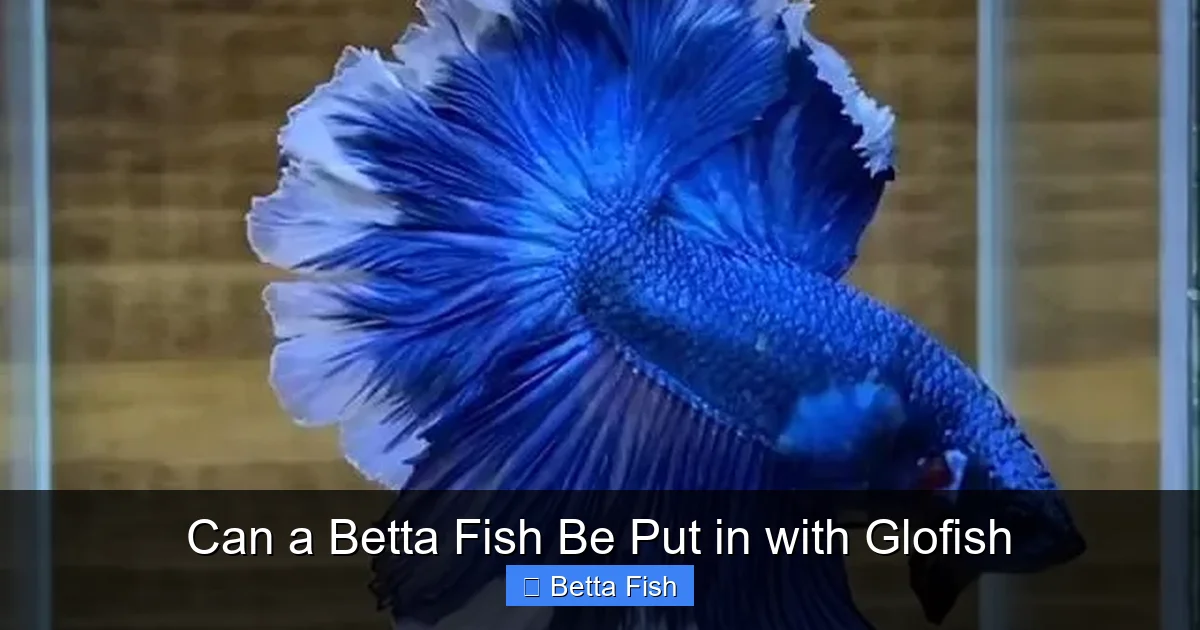
Male bettas are solitary by nature. In the wild, they guard small, shallow puddles where food and mates are limited. In an aquarium, this translates to a strong desire to claim any space that isn’t clearly divided. When another fish enters their perceived territory, the betta may flare its gills, spread its fins, and chase the intruder.
Visual guide about Can a Betta Fish Be Put in with Glofish
Image source: i.pinimg.com
Gender differences
Female bettas are generally less aggressive and can sometimes live in sororities (groups of females) if the tank is large enough. However, even females can become stressed if the tank is overcrowded or if the tank mates are too active.
Compatibility factors
Compatibility isn’t just about temperament; it also involves water parameters, diet, and activity level. Betta fish prefer still water with gentle flow, while many Glofish species thrive in moderate currents. Matching these needs is the first hurdle when asking can a betta fish be put in with Glofish.
What Are Glofish?
Types of Glofish
Glofish come in several varieties:
Visual guide about Can a Betta Fish Be Put in with Glofish
Image source: i.ytimg.com
- Neon Glofish (glowing tetras)
- Glofish Danios (glowing danios)
- Glofish Barbs (glowing barbs)
- Glofish Catfish (glowing catfish)
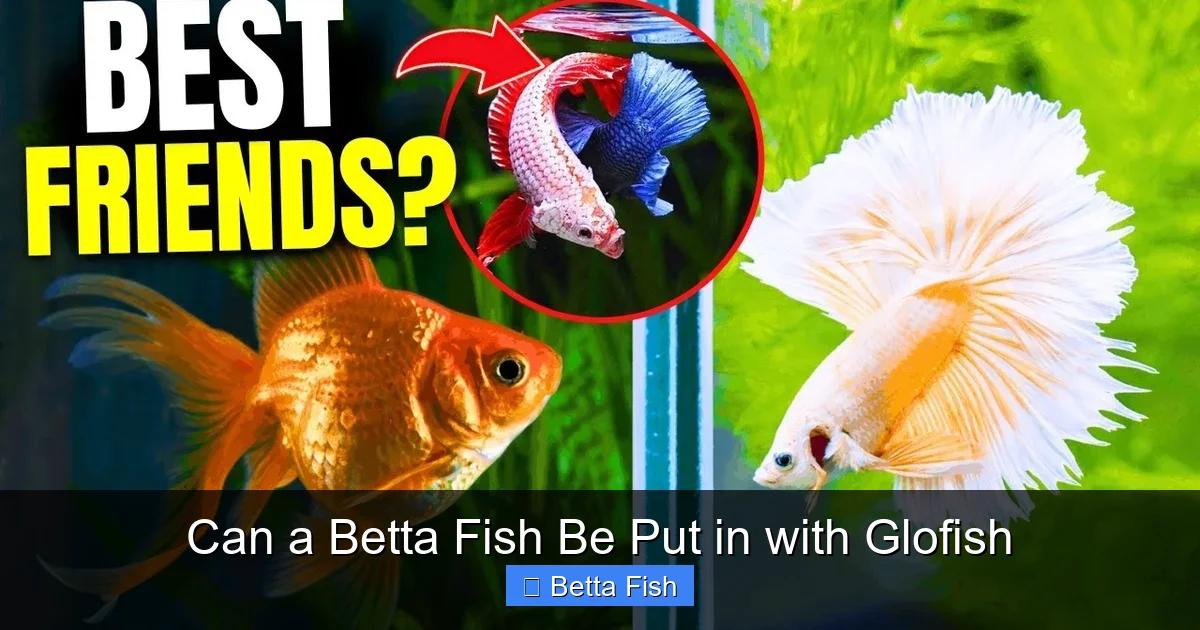
Each has its own temperament. Neon tetras are schooling and peaceful, while tiger barbs are semi‑aggressive and love to chase.
Lighting and glow
The glow is activated by blue LED lighting. In a dimly lit tank, the Glofish appear bright, which can both intrigue and stress a betta. Some bettas may become curious and approach, while others may see the glow as a threat.
Can a Betta Fish Be Put in With Glofish? The Short Answer
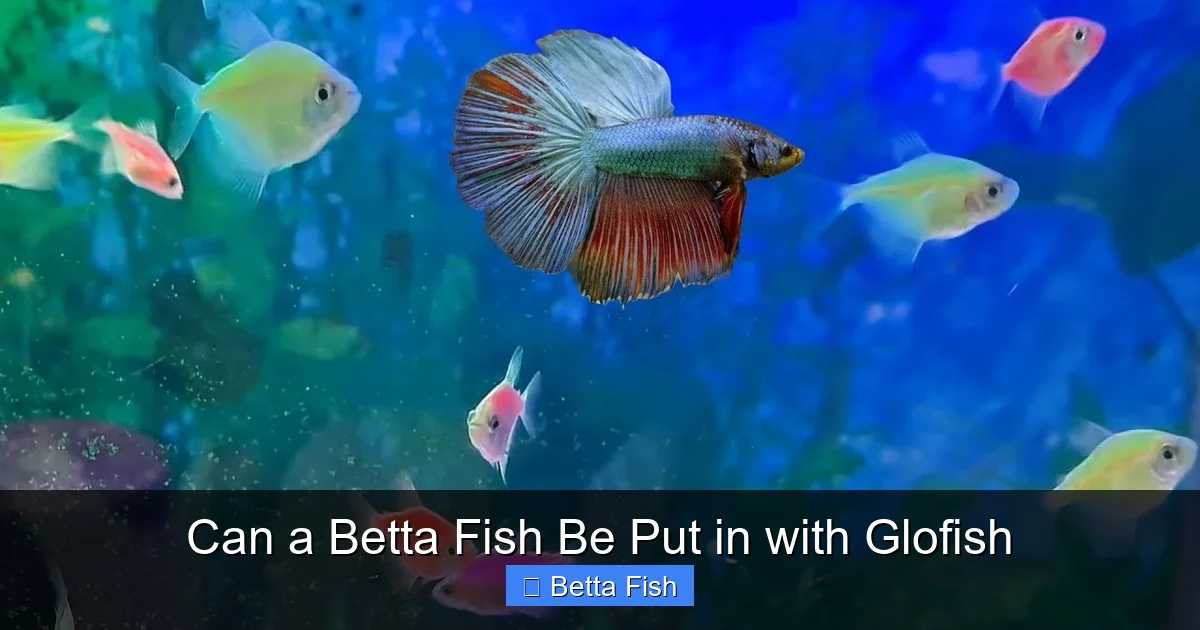
In most cases, the answer is **no**—especially if you have a single male betta and active Glofish like barbs or danios. However, there are scenarios where it can work:
Visual guide about Can a Betta Fish Be Put in with Glofish
Image source: i.ytimg.com
- Large tanks (20 gallons or more) with plenty of visual barriers.
- Peaceful Glofish species such as neon tetras or peaceful danios.
- Female bettas or a sorority rather than a single aggressive male.
If these conditions aren’t met, the risk of fin nipping, stress‑induced disease, or even death rises sharply.
Setting Up a Mixed Tank
Tank size and shape
Space is the biggest factor. A 20‑gallon long tank provides horizontal room for both species to establish separate zones. A taller tank can also work if you add vertical plants to break sight lines.
Creating territories
Use live plants (Java fern, Anubias), driftwood, and ceramic caves to create islands. These structures give the betta a place to retreat and give Glofish places to school without constant visual contact.
Water parameters
Both bettas and most Glofish thrive in 78‑80 °F (25.5‑26.5 °C) and a pH of 6.5‑7.5. Use a reliable heater and test kit to keep conditions stable. Soft, slightly acidic water mimics the betta’s natural habitat, while most Glofish tolerate the same range.
Lighting considerations
Blue LED lighting should be on a timer—8 to 10 hours a day. Too much glow can stress the betta, so consider a dimmer or a “night mode” where the lights are off for a few hours.
Choosing the Right Glofish Species
Neon Glofish (Tetra)
These are the most compatible with bettas. They are small, swim in the mid‑to‑upper levels, and are generally peaceful. Keep them in groups of six or more to reduce stress.
Glofish Danios
Danios are fast swimmers and like to occupy the top third of the tank. They can out‑swim a betta’s aggression, but the constant motion may still trigger a betta’s territorial response.
Glofish Barbs
Barbs are semi‑aggressive and love to chase. Pairing them with a male betta is rarely successful. If you really want barbs, consider a large community tank with multiple bettas of both sexes, each with its own space.
Glofish Catfish
These are bottom dwellers and generally peaceful. They can coexist with bettas if the tank is well‑planted and the catfish have hiding spots.
Signs of Trouble and How to React
Early warning signs
- Betta flaring more than usual.
- Faded colors on either fish.
- Fin nipping or torn fins.
- Gasping at the surface or hiding constantly.
Immediate actions
If you notice any of these, separate the fish within 24 hours. Use a hospital tank for the betta to reduce stress and treat any injuries with a mild antiseptic dip.
Long‑term solutions
Re‑evaluate tank size, add more decorations, or consider swapping out the Glofish for a more compatible species. Sometimes the simplest answer is to keep the betta in a species‑only tank.
Alternative Tank Mates for Betta Fish
If the answer to can a betta fish be put in with Glofish is “no” for your situation, there are plenty of other peaceful companions:
- Snails such as Nerite or Mystery snails are excellent cleaners and rarely bother bettas.
- Freshwater shrimp (Cherry, Amano) can add activity without provoking aggression.
- Small, slow‑moving fish like Kuhli loaches or small rasboras are often tolerated.
These alternatives keep the tank lively while respecting the betta’s need for personal space.
Conclusion: Make an Informed Choice
So, can a betta fish be put in with Glofish? The answer hinges on tank size, the specific Glofish species, and the betta’s gender and temperament. In a spacious, well‑decorated 20‑gallon (or larger) setup with peaceful neon Glofish, a gentle betta may coexist peacefully. In most smaller or average home setups, however, the risk outweighs the visual reward.
Remember, a happy betta is a healthy betta. If you’re unsure, start with a betta‑only tank, master its care, and then experiment with truly compatible tank mates. Your aquarium will thrive when you respect each species’ natural behavior.
Frequently Asked Questions
Can a male betta live with Glofish?
Only in a large (20 + gallon) tank with plenty of hiding spots and peaceful Glofish like neon tetras. Otherwise, aggression is likely.
Do Glofish need special lighting?
Yes, they glow under blue LED light. Use a timer and keep the light on for 8‑10 hours daily to avoid overstressing other fish.
Are female bettas better companions for Glofish?
Female bettas are generally less aggressive, making them a bit more tolerant of small, peaceful Glofish, but space and décor are still critical.
What should I do if my betta starts fin nipping?
Separate the fish immediately, treat any injuries, and reassess tank size and decorations before trying again.
Can I keep snails with a betta and Glofish?
Yes, snails are great tank cleaners and usually ignored by both bettas and peaceful Glofish.
Is it safe to keep a betta with Glofish in a small bowl?
No. Small bowls lack the space and filtration needed for both species, increasing stress and health risks.