How Much Should Betta Fish Eat a Day

Knowing how much should betta fish eat a day is one of the most important parts of betta care. Most bettas do best with 2-3 small feedings per day, and the total amount should be about the size of their eyeball. Overfeeding is the biggest mistake new fish owners make, and it can lead to serious health problems.
If you own a betta fish, you have probably wondered at some point: how much should betta fish eat a day. This is one of those questions that seems simple on the surface, but the answer actually depends on a few different factors. Your betta’s age, size, activity level, and the type of food you use all play a role in determining the right amount.
Overfeeding is the number one killer of pet bettas, and most fish keepers don’t even realize they are doing it. Bettas have tiny stomachs, and their bodies are not designed to handle large meals. When you feed too much, the extra food rots in the tank, polluting the water and stressing your fish. On the flip side, underfeeding can leave your betta weak and malnourished. Finding the sweet spot is everything.
In this guide, we will walk through exactly how much food your betta needs, how often to feed, what foods to choose, and how to spot the warning signs of overfeeding betta fish. By the end, you will feel confident about your betta fish feeding schedule and know exactly what to do every single day.
Key Takeaways
- Feed small amounts: Each meal should be roughly the size of your betta’s eyeball, about 2-3 pellets or a small pinch of food.
- Stick to a routine: Feeding 2-3 times a day at the same times helps regulate digestion and keeps your betta healthy.
- Watch for overfeeding signs: Bloating, constipation, and leftover food in the tank are clear warnings you’re feeding too much.
- Variety matters: Rotate between pellets, frozen bloodworms, and brine shrimp to provide balanced nutrition.
- Fasting is helpful: Skipping one day of feeding per week can prevent constipation and support gut health.
- Remove uneaten food: Leftover food fouls the water quickly and can make your betta sick.
- Adjust by age and size: Baby bettas need more frequent small meals, while older fish do well with fewer feedings.
📑 Table of Contents
Understanding Your Betta Fish Stomach Size
To understand how much should betta fish eat a day, you first need to understand their stomach size. A betta’s stomach is roughly the size of its eye. That is tiny. Many people assume that because bettas are colorful and active fish, they need large meals. But that is far from the truth.
In the wild, bettas eat small insects, larvae, and tiny crustaceans throughout the day. They do not sit down for one big feast. Instead, they graze on small amounts of food whenever they find it. This natural eating pattern is important to keep in mind when you set up a betta fish diet at home.
When you offer food that is too large or too much in quantity, your betta simply cannot process it all. The excess sits in the stomach and can cause bloating, constipation, and even swim bladder issues. These problems are painful and can be fatal if not addressed quickly.
What Does a Proper Portion Look Like?
A proper portion for an adult betta is about 2-3 pellets or a small pinch of flake food. If you are using frozen or live foods like bloodworms, the amount should be about the same. Think of it as a mini-meal, not a full-course dinner. Your betta should be able to eat everything you offer within 2 minutes. If food is left floating after that time, you have given too much.
How Often Should You Feed Your Betta Fish
How much should betta fish eat a day is closely tied to how often you feed them. Most experts agree that feeding your betta 2 to 3 times a day is the sweet spot. This mimics their natural grazing behavior and keeps their metabolism steady. Many fish owners also find that spreading meals throughout the day helps with betta fish hunger and keeps their fish more active and engaged.
If you are new to betta keeping, how often does a betta fish eat can feel confusing with so much advice online. Some people feed once a day, others feed multiple times. The key is consistency. Pick a schedule that works for your routine and stick to it. Your betta will thrive on predictability.
A Sample Daily Feeding Schedule
Here is a simple and effective betta fish feeding schedule you can follow:
- Morning (8-9 AM): Offer 2-3 pellets or a small pinch of food.
- Afternoon (1-2 PM): A small portion of frozen or live food, like bloodworms or brine shrimp.
- Evening (6-7 PM): A light second pellet feeding or the same amount as the morning.
This schedule gives your betta variety and keeps meals small. If you cannot feed three times a day, twice is perfectly fine. Just make sure each portion stays small. You can also fast your betta fish one day per week, which helps clear the digestive system and prevents constipation.
The Best Foods for Your Betta Fish
Not all fish food is created equal, and choosing the right food is just as important as getting the betta fish portions right. A proper betta fish diet should be high in protein and low in fillers. Bettas are carnivorous by nature, so they need animal-based proteins to stay healthy and vibrant.
Here are the best food options for your betta:
- Betta pellets: These are specially formulated for bettas and should be the staple of their diet. Look for pellets with high protein content and minimal fillers.
- Frozen bloodworms: A great treat that provides protein and variety. Feed in small amounts.
- Brine shrimp: Another excellent protein source that most bettas love. Available frozen or live.
- Daphnia: Small crustaceans that act as a natural laxative and can help with digestive issues.
- Freeze-dried tubifex worms: A convenient option that many bettas enjoy as an occasional treat.
Avoid feeding your betta generic tropical flakes or human food like bread. These lack the nutrition bettas need and can cause digestive problems. If you are unsure about what to buy, check out how much food for a betta fish and choose a high-quality pellet as your base food.
How Much Variety Is Too Much?
Variety is good, but you do not want to switch foods constantly. Stick to one primary food (like pellets) and rotate treats like bloodworms or brine shrimp a few times a week. This keeps your betta interested in food while ensuring they get balanced betta fish nutrition. Sudden diet changes can also cause stomach upset, so introduce new foods gradually.
Signs You Are Overfeeding Your Betta
Overfeeding betta fish is incredibly common, and many owners do not notice the signs until problems develop. The good news is that your betta will tell you if something is wrong. You just need to know what to look for.
Here are the most common signs that you are feeding your betta too much:
- Leftover food in the tank: If food sits at the bottom or floats after feeding, you are giving too much.
- Bloating: A swollen belly that does not go down is a clear sign of overfeeding or constipation.
- Lethargy: A betta that stops swimming and stays at the bottom of the tank may be feeling unwell from too much food.
- Poor water quality: Excess food decays quickly and spikes ammonia and nitrite levels in the tank.
- Loss of appetite: Ironically, an overfed betta may start refusing food because its stomach is constantly full.
If you notice any of these signs, the first step is to stop feeding for 24 to 48 hours. This gives the digestive system time to clear. You can also offer a small piece of blanched pea, which acts as a natural laxative. If the problem continues, it is a good idea to check with a fish veterinarian.
Many people ask can you feed a betta fish too much, and the answer is absolutely yes. In fact, overfeeding causes more betta deaths than almost any other factor. It is always better to feed a little less than a little more. Your betta will thank you for it.
Special Feeding Considerations
How much should betta fish eat a day also depends on some special circumstances. Not every betta is the same, and there are times when you need to adjust the feeding amount or frequency.
Feeding Baby Bettas
Young bettas, especially fry and babies, have faster metabolisms and need more frequent meals. A baby betta should be fed 3-4 times a day with very small portions. Baby brine shrimp and finely crushed pellets work well for young fish. The key is offering tiny amounts multiple times rather than larger meals less often.
Feeding During Illness or Recovery
If your betta is recovering from an illness or surgery, appetite may change. Some fish eat less, while others show no interest in food at all. During this time, it is important to offer easily digestible foods like daphnia or soaked pellets. Do not force-feed your betta, and consult a vet if the loss of appetite persists for more than a couple of days.
Can a Betta Fish Go One Day Without Food
Yes, a healthy adult betta can easily go one day without food. In fact, many experienced fish keepers recommend a weekly fasting day. Skipping a meal helps prevent constipation and gives the digestive system a break. If you are wondering can a betta fish go one day without food, the answer is a confident yes. One day of fasting is perfectly safe and actually beneficial for your fish’s overall health.
Does Water Temperature Affect Appetite?
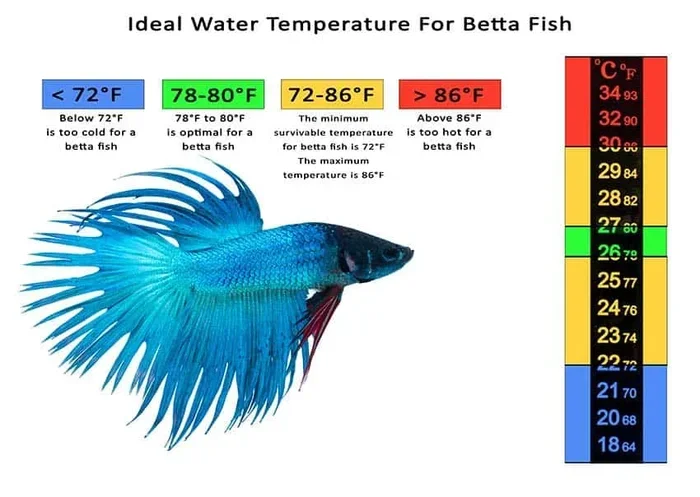
Yes, water temperature plays a big role in your betta’s metabolism and appetite. Bettas are tropical fish and do best in water between 78 and 80 degrees Fahrenheit. When the water is too cold, their metabolism slows down and they eat less. When the water is too warm, they may become more active and hungry. Keeping a stable temperature helps maintain a consistent feeding frequency betta fish routine.
Common Feeding Mistakes to Avoid
Even experienced fish keepers make mistakes when it comes to feeding. Here are the most common ones you should avoid:
- Feeding too much at once: This is the most common mistake. Always err on the side of less food.
- Feeding at random times: Inconsistent feeding times can stress your betta and disrupt their internal clock.
- Ignoring uneaten food: Uneaten food decays fast and pollutes the water. Always remove leftovers after 2 minutes.
- Relying on only one food type: A varied diet leads to better health. Rotate between pellets, frozen foods, and live foods.
- Following feeding advice without thinking: Every betta is different. Watch your fish and adjust accordingly. If you want to learn more, read how often should you feed a betta fish for additional guidance.
Another mistake many people make is assuming that because a betta is begging for food, it is actually hungry. Bettas are intelligent fish and quickly learn that food comes when they swim to the front of the tank. This begging behavior does not always mean they need more food. Stick to your scheduled portions and ignore the begging.
How to Adjust the Feeding Amount Over Time
As your betta grows and ages, its nutritional needs will change. A young, active betta needs more food than a older, less active one. Here is how you can adjust the betta fish feeding schedule over time:
- Young bettas (under 6 months): Feed 3-4 times a day with small portions. Focus on growth and development.
- Adult bettas (6 months to 3 years): Feed 2-3 times a day with standard portions. This is the prime feeding stage.
- Senior bettas (over 3 years): Reduce to 1-2 feedings per day with smaller portions. Metabolism slows down with age.
Pay attention to your betta’s body condition. A healthy betta should have a streamlined body with a slight rounding behind the head. If the belly looks overly round or distended, cut back on portions. If the body looks thin or the fins are fading, consider increasing the food slightly or improving the quality of the food you are offering.
Keeping a betta fish care routine that includes regular feeding times, water changes, and tank maintenance will go a long way in keeping your fish healthy. A well-maintained tank also encourages natural feeding behavior and helps your betta stay active and interested in food.
Final Thoughts
Figuring out how much should betta fish eat a day does not have to be complicated. The answer is simple: small portions, 2-3 times a day, with a consistent schedule. Watch your betta’s behavior, adjust based on age and activity level, and never be afraid to skip a meal. Fasting is one of the best things you can do for your betta’s digestive health.
The most important thing to remember is that less is more when it comes to feeding bettas. It is always better to underfeed slightly than to overfeed. Your betta will live a longer, healthier life if you keep meals small and regular. With the right betta fish diet and a little attention to detail, you can enjoy watching your beautiful fish thrive for years to come.
Take a moment today to review your current feeding routine. Are the portions the right size? Are you feeding too often? Small adjustments can make a big difference in your betta’s health and happiness. Your fish is counting on you to get this right, and now you have the knowledge to do so.
Frequently Asked Questions
How much should I feed my betta fish per meal?
Each meal should be about the size of your betta’s eyeball, which is roughly 2-3 pellets or a small pinch of food. This is the ideal betta fish portion size that prevents overfeeding and keeps digestion working properly.
Can I feed my betta fish once a day instead of multiple times?
Yes, feeding once a day is fine if you are giving a proper portion. Some owners prefer feeding frequency betta fish once daily, and it works well as long as the food is high quality and the amount is correct. Just make sure your betta is not showing signs of hunger or weight loss.
What happens if I overfeed my betta fish?
Overfeeding causes bloating, constipation, and poor water quality from uneaten food rotting in the tank. It can also lead to swim bladder disease and a shortened lifespan. If you suspect overfeeding, skip the next meal and monitor your fish for any signs of distress.
How long can a betta fish go without eating?
A healthy adult betta can go 2-3 days without food without any issues. In fact, a weekly fasting day is often recommended to support digestion. If you are wondering can a betta fish go one day without food, the answer is absolutely yes, and it is actually beneficial for their gut health.
Is it okay to feed my betta fish only pellets?
Pellets can be a staple food, but a varied diet is better for long-term health. Rotate pellets with frozen or live foods like bloodworms and brine shrimp. This provides complete betta fish nutrition and keeps your fish interested in eating.
Should I feed my betta right after turning on the aquarium light?
It is better to wait 15-30 minutes after turning on the lights before feeding. This gives your betta time to wake up and become active, which helps with proper digestion and appetite. A consistent betta fish feeding schedule like this supports overall health and routine.
=== CONCLUSION ===
How much should betta fish eat a day comes down to small, consistent portions fed 2-3 times daily. A proper betta fish diet of high-quality pellets, occasional treats, and a weekly fasting day will keep your fish healthy and vibrant. Avoid overfeeding at all costs, and always remove uneaten food after feeding time. With the right approach, your betta will thrive and bring you joy for years to come.