Spider plants are generally safe and even beneficial for betta fish tanks, provided you manage water parameters and plant placement correctly. They help improve water quality, offer hiding spots, and add natural beauty, making them a popular live‑plant choice for betta enthusiasts.
Key Takeaways
- Compatibility: Spider plants tolerate betta tank conditions and are non‑toxic.
- Water quality: Their roots absorb nitrates, helping keep the water cleaner.
- Placement tips: Anchor them securely to avoid floating leaves that could stress a betta.
- Maintenance: Trim dead leaves and watch for algae growth to keep the tank balanced.
- Tank size: Small betta bowls can host a single spider plant; larger aquariums can hold a small cluster.
- Companion plants: Pair spider plants with Java fern or Anubias for a lush, low‑maintenance setup.
- Safety first: Always rinse new plants and consider a quarantine period before adding them to the main tank.
📑 Table of Contents
- Introduction: Why Think About Spider Plants for Your Betta?
- Understanding the Betta’s Natural Habitat
- Benefits of Adding Spider Plants to a Betta Tank
- Potential Drawbacks and How to Avoid Them
- Step‑by‑Step Guide: Setting Up Spider Plants with Your Betta
- Enhancing the Environment: Companion Plants and Décor
- Frequently Asked Questions (FAQs)
- Conclusion: A Green Plus for Your Betta
Introduction: Why Think About Spider Plants for Your Betta?
When you first set up a betta fish tank, the usual décor is a plastic castle or a handful of smooth rocks. But many hobbyists soon discover that adding live plants can transform a bland bowl into a thriving underwater garden. One plant that often pops up in discussions is the spider plant (Chlorophytum comosum). Its long, arching leaves and easy‑care reputation make it a tempting choice for beginners.
So, are spider plants ok to put with betta fish? The short answer is yes—if you follow a few simple guidelines. In this guide we’ll explore the science behind the pairing, practical set‑up steps, common pitfalls, and how to keep both plant and fish happy for the long haul.
Understanding the Betta’s Natural Habitat
What bettas need in a tank
Betta fish (Betta splendens) hail from the shallow, slow‑moving waters of Thailand, Malaysia, and Cambodia. Those habitats are warm (78‑82°F / 25‑28°C), slightly acidic to neutral (pH 6.5‑7.5), and densely vegetated. The plants they encounter in the wild provide:
Visual guide about Are Spider Plants Ok to Put with Betta Fish
Image source: a-z-animals.com
- Cover from aggressive rivals.
- Surface tension to rest near the water’s top.
- Micro‑habitats for tiny invertebrates that become supplemental food.
Because of these needs, adding live plants often feels like recreating a slice of the betta’s native world.
Spider plants vs. typical aquarium plants
Most aquarium‑grade plants are fully aquatic, meaning they grow submerged all the time. Spider plants are technically “semi‑aquatic.” Their roots love moisture, but their leaves can stay above water without rotting. This flexibility lets you place them partially submerged—perfect for a betta that likes to glide near the surface.
Benefits of Adding Spider Plants to a Betta Tank
Natural filtration and nitrate reduction
Spider plant roots act like a living sponge, absorbing nitrogen compounds (ammonia, nitrite, nitrate) that build up from fish waste. Over time, this can lower the frequency of water changes and help maintain a stable environment—especially useful in small tanks where water parameters fluctuate quickly.
Visual guide about Are Spider Plants Ok to Put with Betta Fish
Image source: i.ytimg.com
Stress reduction and hiding spots
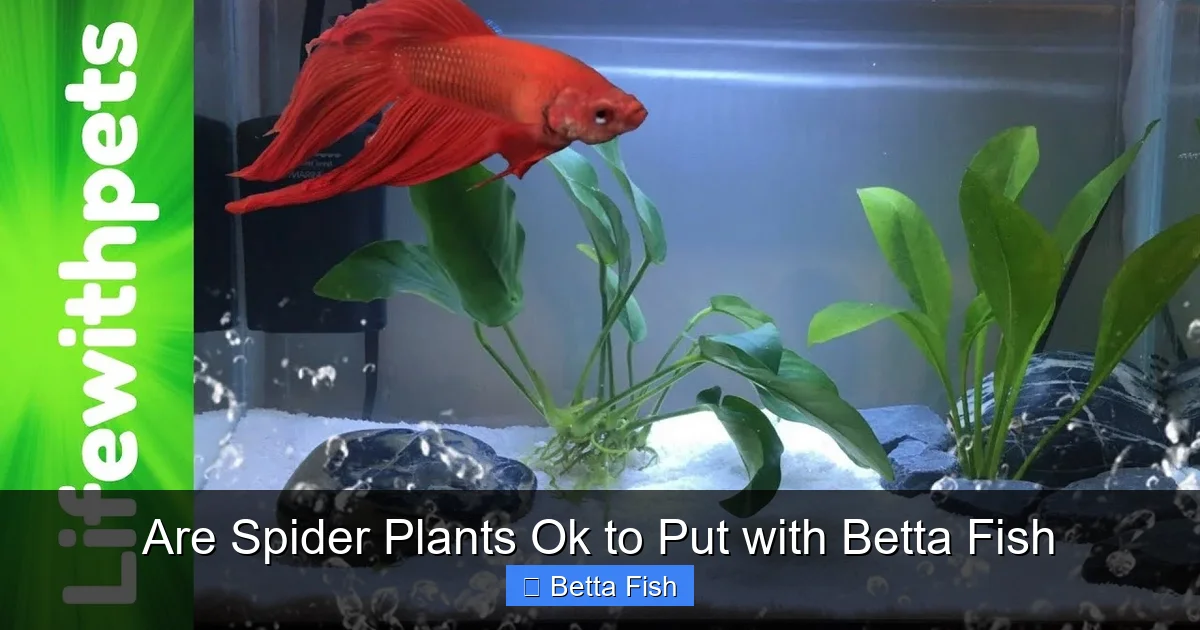
Betta fish are territorial. A single, well‑placed spider plant can provide a “home base” where the fish can retreat when it feels threatened by sudden movements or bright lights. The plant’s arching leaves also create gentle currents that mimic the flow of a natural stream.
Visual appeal
There’s no denying the aesthetic boost. The bright green, striped leaves contrast beautifully with the betta’s vivid colors, making for eye‑catching photos and a more enjoyable viewing experience.
Potential Drawbacks and How to Avoid Them
Leaf decay and water quality spikes
If a spider plant’s leaf falls into the tank and begins to rot, it can release tannins and organic waste, clouding the water. To prevent this:
Visual guide about Are Spider Plants Ok to Put with Betta Fish
Image source: i.pinimg.com
- Secure the plant in a pot or tie its roots to a rock.
- Trim any yellowing or dead leaves promptly.
- Consider a gentle flow filter to keep debris moving.
Algae growth on broad leaves
Spider plant leaves are broad and often sit near the surface, providing a perfect canvas for algae. Regular light management (8‑10 hours per day) and occasional wiping with a soft cloth keep the leaves clean.
Compatibility with tank mates
While spider plants are safe for bettas, they may not be ideal if you decide to add bottom‑dwelling fish that like to graze on plant matter (e.g., some corydoras). However, most peaceful tank mates will ignore the plant entirely.
Step‑by‑Step Guide: Setting Up Spider Plants with Your Betta
1. Choose the right plant
Buy a healthy spider plant from a reputable nursery or aquarium shop. Look for firm, green leaves and white “spiderettes” (baby plantlets) that indicate vigor.
2. Rinse and quarantine
Rinse the plant under lukewarm water to remove any pesticides or hitchhiking pests. If possible, place the plant in a separate container for 24‑48 hours to monitor for snails or unwanted algae.
3. Prepare the substrate
Use a fine gravel or sand base (1‑2 inches deep). Add a thin layer of aquarium‑safe plant soil if you want the roots to anchor more securely. Many hobbyists simply embed the roots in the gravel and let them spread.
4. Position the plant
Place the spider plant so that the crown sits just below the water surface. The leaves should arch outward, creating a canopy. Use a small rock or a decorative driftwood piece to hold the plant in place—this prevents it from floating and startling your betta.
5. Adjust lighting
Spider plants need moderate light (about 2‑3 watts per gallon). A LED fixture on a 10‑hour cycle works well. Too much light can spark algae; too little will cause the plant to become leggy.
6. Monitor water parameters
Test the water weekly for ammonia, nitrite, nitrate, and pH. The plant should help keep nitrates under 20 ppm. If you notice a sudden rise, check for decaying leaves or over‑feeding.
7. Routine care
Trim any dead or yellowing leaves every two weeks. Remove spiderettes that fall into the water to avoid excess organic load. If the plant outgrows the tank, you can re‑pot it in a larger container and keep it as a decorative piece outside the aquarium.
Enhancing the Environment: Companion Plants and Décor
Low‑maintenance plant partners
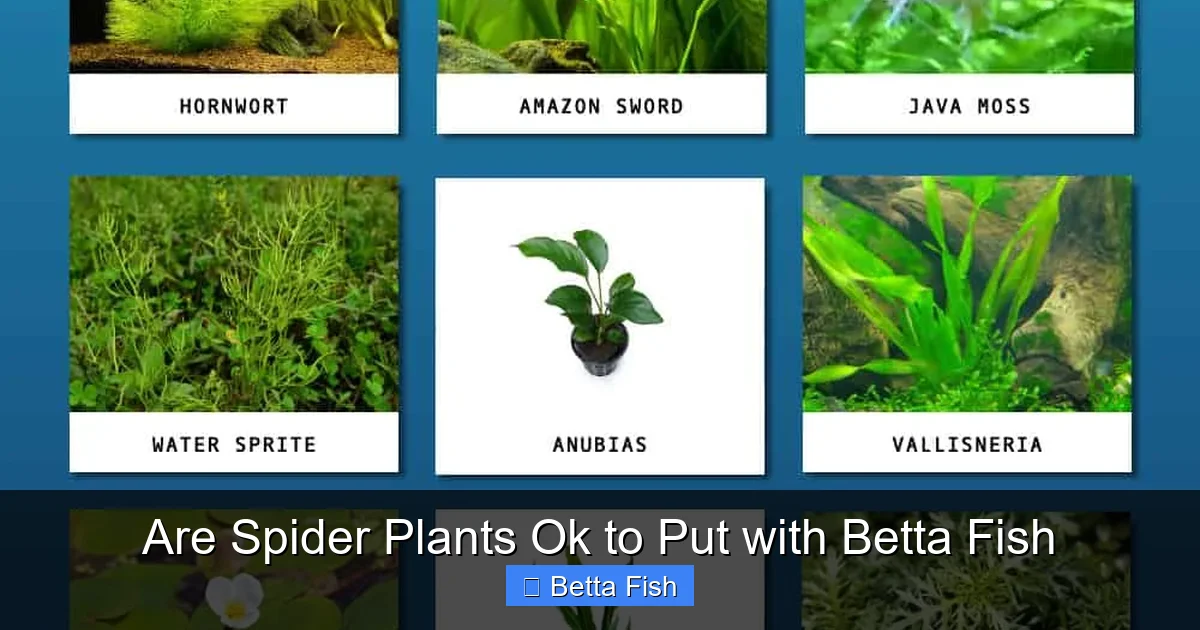
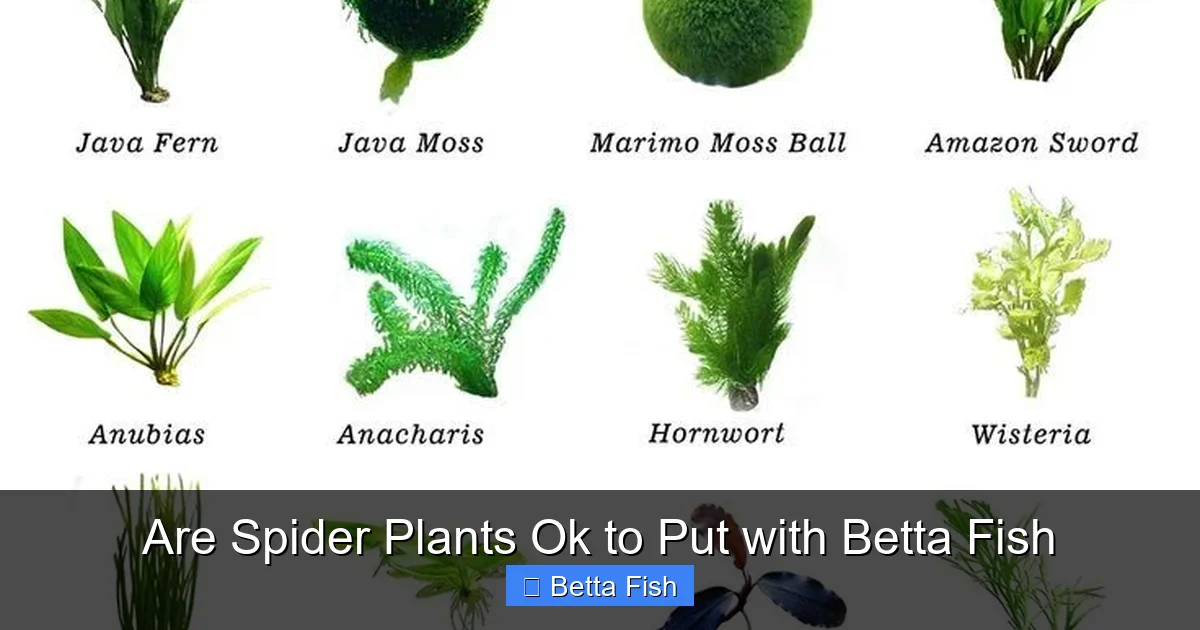
Pairing spider plants with truly aquatic species like Java fern (Microsorum pteropus) or Anubias nana creates a layered look while keeping maintenance low. Both of these plants attach to rocks or wood and thrive in low‑light conditions, complementing the spider plant’s brighter needs.
Adding natural décor
Driftwood, smooth river stones, and a small piece of cork give your betta places to rest. Ensure any décor is aquarium‑safe and has no sharp edges that could tear the betta’s delicate fins.
Frequently Asked Questions (FAQs)
Can spider plants survive fully submerged?
Spider plants prefer their roots in water but their leaves should stay above the surface. Fully submerging the leaves often leads to rot.
Do spider plants release toxins that could harm bettas?
No. Spider plants are non‑toxic to fish, making them safe for betta tanks.
How often should I change the water when using spider plants?
Even with live plants, a 25‑30 % water change weekly is recommended to keep parameters stable.
Will the spider plant eat the betta’s food?
Spider plants do not consume fish pellets, but they can absorb dissolved nutrients, which helps keep the water cleaner.
Is a filter necessary with a spider plant?
A gentle filter helps circulate water and removes debris, but a well‑planted, lightly stocked tank can sometimes run without one for short periods.
Can I use a plastic pot for the spider plant?
Yes, a small, aquarium‑safe plastic pot works fine. Just make sure it’s clean and free of chemicals.
Conclusion: A Green Plus for Your Betta
In short, are spider plants ok to put with betta fish? Absolutely—when you give them proper space, light, and occasional trimming, spider plants become a low‑maintenance, attractive addition that supports water quality and provides natural enrichment for your betta. By following the steps above and keeping an eye on water parameters, you’ll enjoy a vibrant, thriving tank that looks as good as it feels for your fish.
Ready to add a spider plant to your betta’s home? Check out our guide on which live plants are good for betta fish for more options, and learn how to clean a betta fish tank with live plants to keep everything sparkling.
Frequently Asked Questions
Do spider plants need special fertilizer in a betta tank?
Usually not. The nutrients from fish waste are enough for modest growth. If the plant looks pale, a tiny dose of liquid aquarium plant fertilizer once a month can help.
Can I keep a spider plant in a 2‑gallon betta bowl?
Yes, a single small spider plant works fine in a 2‑gallon setup, as long as the water is changed regularly and the plant is anchored.
Will the spider plant affect the betta’s temperature?
No. Plants do not significantly change water temperature, but they can help stabilize it by absorbing excess heat during the day.
Is it safe to use tap water with a spider plant?
Tap water is fine after dechlorination. Chlorine can damage plant roots, so use a water conditioner before adding water to the tank.
Can I combine spider plants with other live plants?
Definitely. Pairing with low‑light species like Java moss or Anubias creates a balanced aquascape and distributes nutrient uptake.
What signs indicate the spider plant is stressed?
Yellowing leaves, soft stems, or a foul smell are warning signs. Trim affected parts and check water quality to resolve the issue.

