Are Ping Pong Balls Safe for Betta Fish
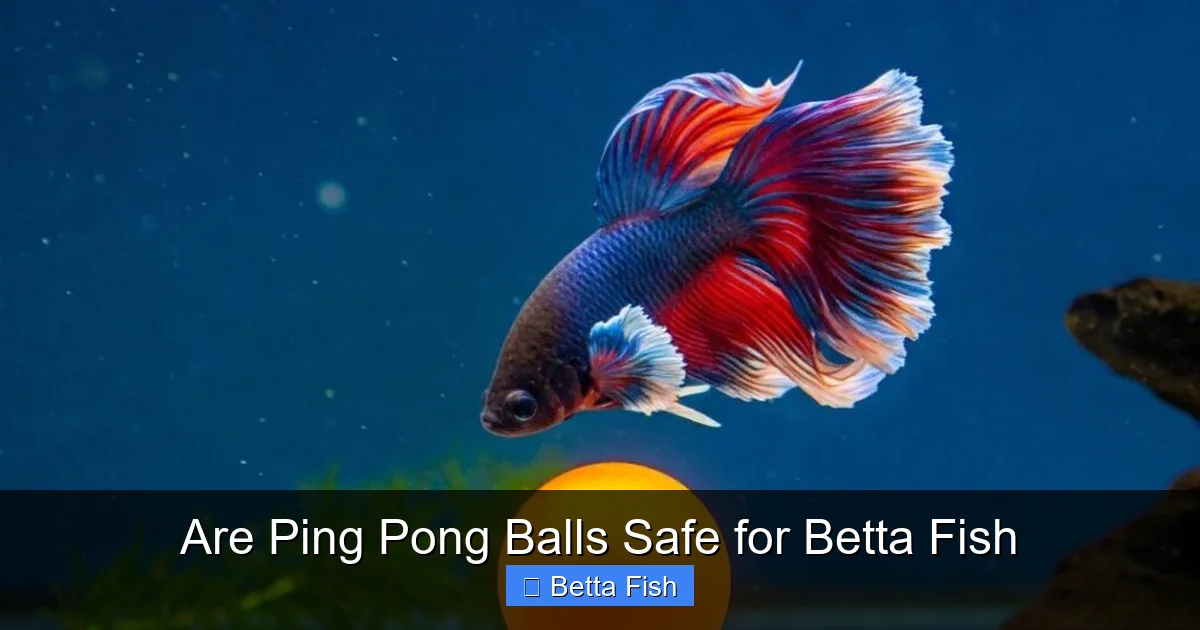
Ping pong balls may look fun, but they can pose serious hazards for betta fish. Learn why they’re risky, how to spot trouble, and what safe, budget‑friendly decorations you can use instead.
Key Takeaways
- Material matters: Most ping pong balls are made of non‑food‑grade plastic that can leach chemicals.
- Size and shape: Small, smooth balls can be swallowed or cause injury.
- Water quality impact: Degraded plastic can cloud water and harm gills.
- Safer alternatives: Natural driftwood, live plants, and aquarium‑grade ornaments are better choices.
- Monitor your betta: Look for loss of appetite, erratic swimming, or fin damage.
- Proper tank setup: A well‑filtered, appropriately sized tank reduces risks from any décor.
- Know the signs: Early detection of stress prevents long‑term health problems.
📑 Table of Contents
- Introduction: The Curious Case of Ping Pong Balls in Betta Tanks
- What Are Ping Pong Balls Made Of?
- Physical Risks: Size, Shape, and Behavior
- Impact on Water Quality
- Safe Alternatives to Ping Pong Balls
- How to Test a New Decoration Before Adding It
- Best Practices for a Healthy Betta Habitat
- Conclusion: Play Smart, Keep Your Betta Safe
Introduction: The Curious Case of Ping Pong Balls in Betta Tanks
It’s tempting to add a splash of color or a quirky toy to a betta’s home. A bright orange ping pong ball might seem like a harmless plaything, but many hobbyists don’t realize the hidden dangers. Betta fish (Betta splendens) have delicate gills, sensitive skin, and a curious nature that makes them especially vulnerable to foreign objects.
This article breaks down the science, the risks, and the practical steps you can take to keep your betta safe. Whether you’re a beginner wondering if a ping pong ball is “just a ball” or a seasoned keeper looking for safer décor ideas, you’ll find clear answers here.
What Are Ping Pong Balls Made Of?
Typical Materials and Additives
Standard ping pong balls are manufactured from celluloid or polymer plastics such as ABS (acrylonitrile butadiene styrene). These plastics often contain:
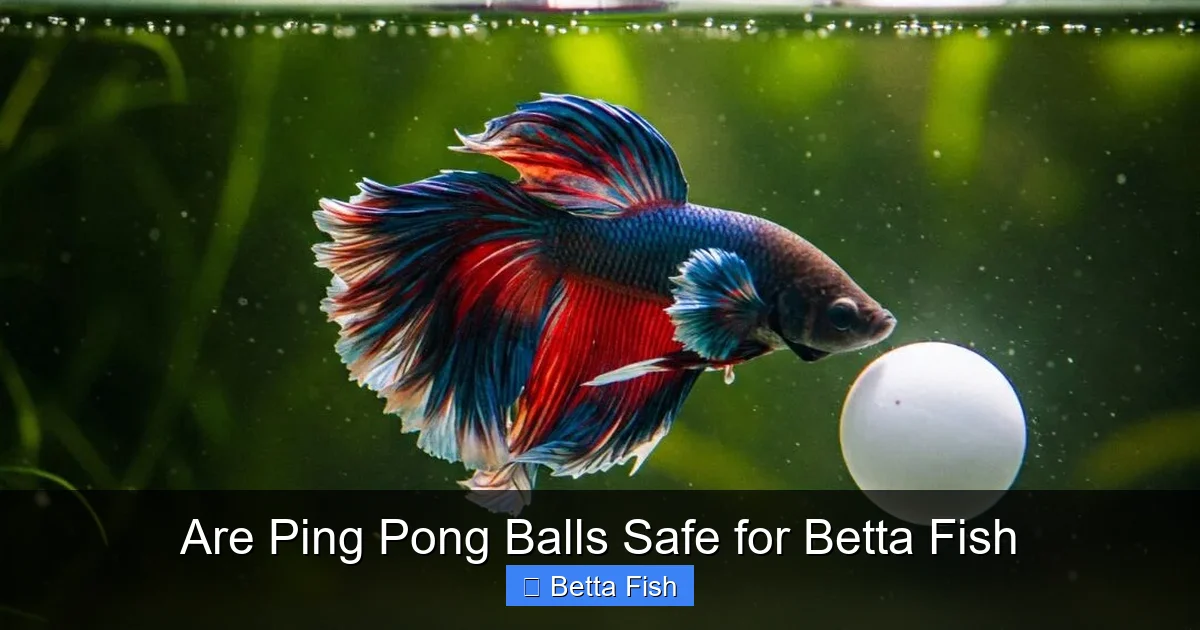
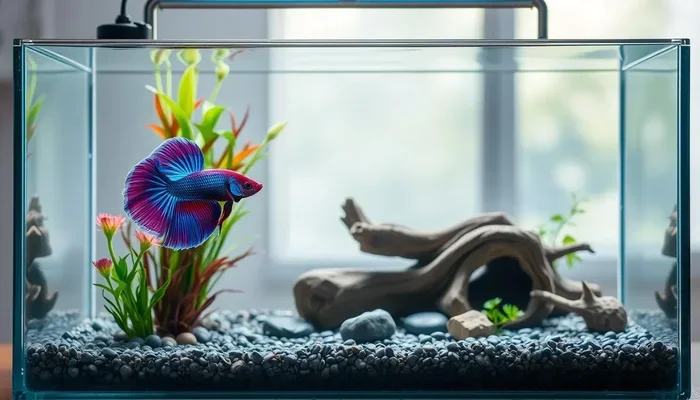
Visual guide about Are Ping Pong Balls Safe for Betta Fish
Image source: fishkeepertank.com
- Plasticizers that keep the ball flexible.
- Color dyes that are not aquarium‑safe.
- Residues from the molding process.
While these components are safe for human handling, they are not tested for prolonged contact with fish or aquatic environments.
Why Material Choice Matters for Betta Fish
Betta fish are hyper‑sensitive to water chemistry. Even a small amount of leached chemicals can alter pH, raise ammonia levels, or irritate gill membranes. Over time, the ball may become porous, releasing micro‑particles that cloud the water and stress the fish.
Physical Risks: Size, Shape, and Behavior
Swallowing and Obstruction
Ping pong balls are smooth and buoyant, making them easy for a betta to push around with its mouth. If a ball becomes lodged in the throat or digestive tract, it can cause:
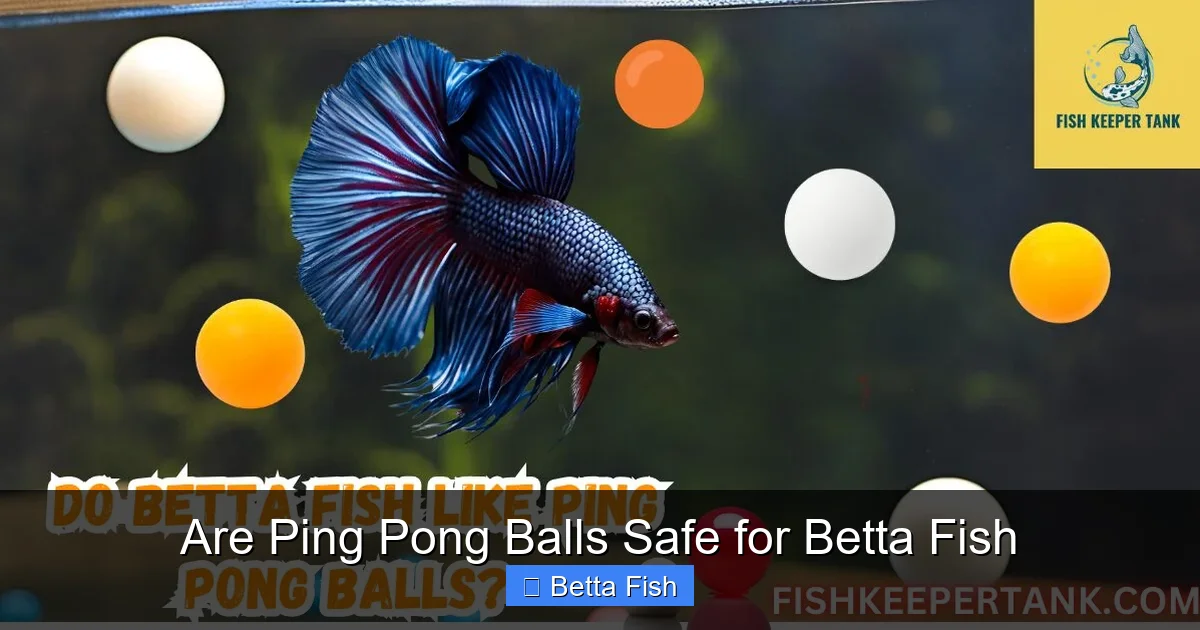
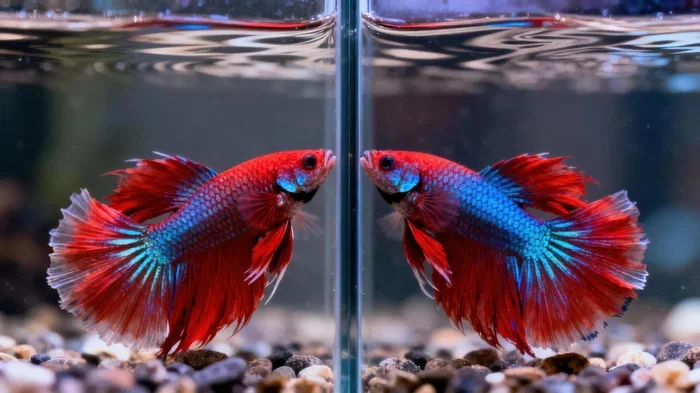
Visual guide about Are Ping Pong Balls Safe for Betta Fish
Image source: fishkeepertank.com
- Loss of appetite.
- Swollen abdomen.
- Potential fatal blockage.
Fin Damage and Injuries
Betta fins are delicate and can be torn by sharp edges or rough surfaces. While a ping pong ball feels smooth, its seams can snag if the ball cracks or if the betta repeatedly bumps into it at high speed.
Water Flow Disruption
Even though ping pong balls float, they can drift into filter intakes, causing clogs or reducing filtration efficiency. A compromised filter leads to poorer water quality—a major stressor for any betta.
Impact on Water Quality
Chemical Leaching Over Time
Studies on aquarium plastics show that prolonged exposure can release phthalates and styrene compounds. These chemicals can:
Visual guide about Are Ping Pong Balls Safe for Betta Fish
Image source: fishkeepertank.com
- Lower dissolved oxygen levels.
- Increase nitrate spikes.
- Trigger skin irritation and fin rot.
Algae Growth and Cloudiness
When a ping pong ball starts to degrade, tiny fragments become a substrate for algae. A green, cloudy tank not only looks unattractive but also blocks light, stressing the betta’s natural rhythms.
Safe Alternatives to Ping Pong Balls
Natural Decorations
Live plants are a win‑win: they provide hiding spots, improve water quality, and are completely safe. Check out our guide on Which Live Plants Are Good For Betta Fish for the best choices.
Aquarium‑Grade Ornaments
Look for items labeled “aquarium safe” or “fish‑grade.” These are made from inert materials that won’t leach chemicals. Small caves, silicone driftwood, and smooth ceramic pots are popular options.
DIY Safe Toys
If you enjoy DIY projects, you can make toys from clean, food‑grade silicone molds or sealed glass beads. Just ensure any adhesive used is non‑toxic and fully cured before placing it in the tank.
How to Test a New Decoration Before Adding It
The 24‑Hour Soak Test
Place the item in a separate container of dechlorinated water for 24 hours. Test the water for changes in pH, ammonia, and nitrite using a reliable test kit. If any values shift, discard the item.
Observe Your Betta’s Reaction
After introducing a new object, watch your betta for at least a week. Signs of stress include:
- Lethargy or hiding.
- Rapid, erratic swimming.
- Fin clamping or loss of color.
If you notice any of these behaviors, remove the decoration immediately.
Best Practices for a Healthy Betta Habitat
Tank Size and Filtration
A minimum of 5 gallons is recommended for a single betta. Proper filtration (gentle flow) keeps waste low without stressing the fish’s delicate fins. Learn more about What Size Tank For A Betta Fish for detailed sizing tips.
Water Parameters
Maintain a stable temperature between 76‑82°F (24‑28°C) and a pH of 6.5‑7.5. Use a heater and a reliable thermometer. For water type guidance, see What Water To Use For Betta Fish.
Regular Maintenance
Partial water changes (20‑30% weekly) dilute any leached substances and keep the environment fresh. Clean decorations gently with a soft brush; avoid soaps or chemicals.
Conclusion: Play Smart, Keep Your Betta Safe
While a ping pong ball might seem like a cheap, colorful addition, the potential risks far outweigh the novelty. From chemical leaching to physical injury, these toys can compromise your betta’s health and shorten its lifespan. By choosing aquarium‑grade ornaments, live plants, and following simple testing procedures, you’ll create a vibrant, safe world where your betta can thrive.
Remember, a happy betta is a healthy betta. Keep the tank clean, the water stable, and the décor safe, and you’ll enjoy years of brilliant colors and graceful fins.
Frequently Asked Questions
Can a betta fish swallow a ping pong ball?
Yes. Betta fish may try to bite or push a ping pong ball, and if it becomes lodged in their throat, it can cause a dangerous blockage.
Do ping pong balls release chemicals into aquarium water?
Standard ping pong balls are made from plastics that can leach phthalates and other compounds, which may irritate gills and affect water chemistry.
What are the best safe decorations for a betta tank?
Live plants, aquarium‑grade ornaments, and smooth silicone or glass toys are safe choices that won’t harm water quality or the fish.
How can I tell if my betta is stressed by a new decoration?
Watch for loss of appetite, erratic swimming, fin clamping, or color fading. If any appear, remove the object immediately.
Is it okay to use any plastic toy in a betta tank?
Only use items labeled “aquarium safe” or made from food‑grade silicone. Regular household plastics are not recommended.
How often should I change water when using new décor?
Perform a 20‑30% water change weekly, and test the water after adding any new item to ensure parameters stay stable.