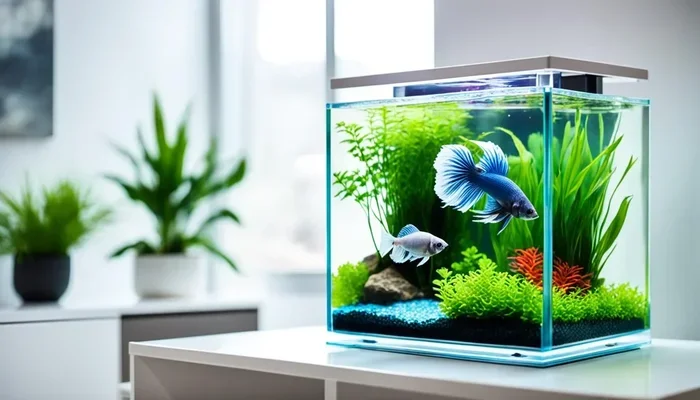
Why Does My Betta Fish Lay at the Bottom

Is your betta lounging on the tank floor? It could be a simple temperature tweak, a water‑quality problem, or an early warning of illness. Read on to spot the cause and quickly restore your betta’s zest.
Key Takeaways
- Water parameters matter: Poor pH, ammonia, or low temperature often drive bettas to the bottom.
- Health checks are essential: Parasites, swim‑bladder issues, or fungal infections can make a betta rest low.
- Stress triggers: Overcrowding, aggressive tank mates, or sudden light changes cause bottom‑dwelling behavior.
- Simple fixes work fast: Adjusting heater settings, performing water changes, and adding hiding spots usually solve the problem.
- When to act fast: Rapid loss of buoyancy, discoloration, or labored breathing require immediate veterinary attention.
- Observation is key: Regularly note swimming patterns, feeding response, and tank conditions.
- Preventive care: Consistent maintenance and a balanced diet keep your betta thriving and away from the bottom.
📑 Table of Contents
- Introduction: The Mystery of the Bottom‑Dwelling Betta
- 1. Water Quality – The Foundation of Betta Health
- 2. Health Issues That Make a Betta Rest Low
- 3. Environmental Stressors
- 4. Nutrition and Feeding Habits
- 5. How to Diagnose and Respond Quickly
- 6. Preventive Care – Keeping Your Betta Happy and Active
- Conclusion
Introduction: The Mystery of the Bottom‑Dwelling Betta
Imagine you’ve just set up a beautiful, plant‑filled aquarium for your betta. The colors are vibrant, the water shimmers, and your fish darts around like a tiny sailor. Then, one morning, you notice something odd—your betta is lying at the bottom, barely moving. It’s a scene that can make any fish keeper’s heart skip a beat.
Don’t panic. A betta that spends a lot of time on the tank floor is sending you a signal. It might be a harmless preference, a subtle sign of stress, or the early stage of a health problem. In this guide we’ll explore every common reason why does my betta fish lay at the bottom, how to spot the warning signs, and what you can do today to help your finned friend feel better.
1. Water Quality – The Foundation of Betta Health
Temperature troubles
Betta fish are tropical creatures that love warm water. The ideal range is 76‑82°F (24‑28°C). If the water is too cold, a betta will become sluggish and may rest on the bottom to conserve energy. Use a reliable aquarium heater and a thermometer to keep the temperature steady.

Visual guide about Why Does My Betta Fish Lay at the Bottom
Image source: nicebettathailand.com
Ammonia, nitrite, and nitrate spikes
Even a small amount of ammonia or nitrite can make a betta feel ill. These toxins irritate the gills, causing the fish to breathe shallowly and stay low in the water column. Perform a weekly water test. If levels are above 0 ppm for ammonia and nitrite, and under 20 ppm for nitrate, you’re safe.
pH and hardness
Betta fish thrive in slightly acidic to neutral water (pH 6.5‑7.5). Sudden shifts can stress them, leading to bottom‑dwelling. Use a pH‑stable substrate and avoid adding chemicals without testing first.
Practical tip
Do a 25‑30 % water change every week, using dechlorinated water that matches the tank’s temperature. This simple routine flushes out hidden toxins and keeps the environment stable.
2. Health Issues That Make a Betta Rest Low
Swim‑bladder disorder
The swim bladder is a tiny organ that helps a fish stay upright. If it’s inflamed or filled with gas, the betta may sink or float sideways. Look for a “puffy” belly or an inability to control depth.

Visual guide about Why Does My Betta Fish Lay at the Bottom
Image source: nicebettathailand.com
Parasites and internal infections
Protozoan parasites like Ichthyophthirius multifiliis (Ich) or internal worms can cause lethargy. Infected bettas often hide at the bottom, lose appetite, and show white spots or fuzzy growths.
Fungal or bacterial skin infections
These appear as cotton‑like patches or reddened, inflamed areas. A sick betta may stay low to avoid the current and reduce irritation.
Bloated abdomen
Overfeeding, constipation, or internal parasites can cause a swollen belly, making the betta sit at the bottom. If you notice a “bloated” look, reduce feedings and consider a fasting period of 24‑48 hours.
Link to related issue
For more details on a bloated appearance, see our article on why does my betta fish look bloated.
3. Environmental Stressors
Improper lighting
Betta fish prefer a gentle day‑night cycle. Bright, constant light can stress them, causing them to hide at the bottom. Use a timer to provide 8‑10 hours of light daily.
Tank mates and aggression
Even though bettas are often kept alone, some owners place them with other fish. Aggressive tank mates can bully a betta, forcing it to the bottom for safety.
Insufficient hiding places
Betas love plants, caves, and silk leaves where they can rest. A barren tank can make them feel exposed, prompting bottom‑dwelling as a coping behavior.
Link to related issue
Learn why bettas sometimes stay at the top in our guide on why betta fish stay at top of tank. Understanding vertical preferences helps you balance the tank environment.
4. Nutrition and Feeding Habits
Overfeeding
Too much food leads to waste buildup and water quality decline, both of which push a betta to the bottom. Feed only what your betta can eat in 2‑3 minutes, once or twice a day.
Poor diet
A diet lacking protein or essential nutrients weakens the immune system. Offer a mix of high‑quality betta pellets, frozen or live brine shrimp, and occasional daphnia.
Fasting as a diagnostic tool
If you suspect a digestive issue, skip feeding for a day. Healthy bettas will still be active; a sick one may stay low and listless.
Link to related issue
If your betta stops making its bubble nest, read why did my betta fish stop making bubble nest for clues about stress and nutrition.
5. How to Diagnose and Respond Quickly
Step‑by‑step observation checklist
- Check water temperature with a reliable thermometer.
- Test ammonia, nitrite, nitrate, and pH using a liquid test kit.
- Look for external signs: spots, discoloration, swollen belly, torn fins.
- Note swimming pattern: sluggish, floating sideways, or sinking.
- Observe feeding response and appetite.
Immediate actions
1. Water change: Replace 30 % of the water with properly conditioned, temperature‑matched water.
2. Isolate if needed: Move the betta to a quarantine tank to monitor and treat without exposing tank mates.
3. Adjust temperature: Raise or lower by 2‑3°F to reach the optimal range.
When to seek professional help
If you see rapid loss of buoyancy, severe discoloration, or the fish stops moving entirely, contact a vet or an experienced aquarium specialist within 24 hours.
6. Preventive Care – Keeping Your Betta Happy and Active
Regular maintenance schedule
• Weekly water tests
• Bi‑weekly 25‑30 % water changes
• Monthly substrate vacuuming
• Quarterly filter media replacement
Enrichment ideas
Provide floating plants, silk leaves, or a small cave. Change the décor every few months to stimulate natural curiosity.
Seasonal considerations
During colder months, double‑check heater performance. In summer, ensure the room isn’t too warm, which can cause overheating.
Link to related issue
For a deeper dive into why bettas sometimes lay at the bottom, see our dedicated article why betta fish laying at bottom.
Conclusion
Seeing your betta fish lay at the bottom can be unsettling, but it’s often a manageable sign that something in the environment or health needs attention. By checking water quality, monitoring for illness, reducing stressors, and feeding a balanced diet, you’ll give your betta the best chance to bounce back to its vibrant, active self. Remember: consistent observation and quick action are the keys to a happy, healthy betta.
Frequently Asked Questions
Why is my betta fish staying at the bottom of the tank?
Common reasons include low water temperature, poor water quality, stress from tank mates, or early signs of illness such as swim‑bladder problems.
Can a betta fish be lazy and prefer the bottom?
Occasionally a betta may rest at the bottom, but if it’s a regular habit combined with other symptoms, it usually signals an issue that needs checking.
How often should I change the water to prevent bottom‑dwelling behavior?
A 25‑30 % water change each week helps keep ammonia, nitrite, and nitrate levels low, which reduces stress and encourages active swimming.
What temperature should I keep my betta tank at?
Maintain a stable temperature between 76‑82°F (24‑28°C). Use a reliable heater and a thermometer to avoid sudden drops.
My betta isn’t eating and stays at the bottom—what should I do?
First, check water parameters and perform a partial water change. If the fish still refuses food after 24‑48 hours, consider a fasting period and consult a vet for possible illness.
Is a swollen belly a sign of disease?
Yes, a bloated abdomen can indicate constipation, parasites, or overfeeding. Reduce feedings, fast for a day, and monitor water quality.