Are Plant Antifreeze Proteins Better Than Fish

Plant antifreeze proteins (AFPs) are gaining attention for their unique ice‑blocking abilities, but are they truly better than fish AFPs? This article breaks down the science, compares effectiveness, and shows what it means for hobbyists caring for betta fish. Read on to see which type might give you the edge in a chilled aquarium.
Key Takeaways
- Different origins, similar goals: Both plant and fish AFPs stop ice crystals, yet they work in distinct ways.
- Cold tolerance varies: Plant AFPs often excel at lower temperatures, while fish AFPs are tuned to the watery environments of cold‑water species.
- Safety for bettas: Plant‑derived AFPs tend to be less allergenic and easier to produce sustainably.
- Cost and scalability: Biotechnology makes plant AFPs cheaper to mass‑produce than extracting fish proteins.
- Application matters: Proper dosing and delivery (e.g., water additives vs. feed) determine real‑world success.
- Environmental impact: Plant AFPs have a smaller ecological footprint than harvesting fish for proteins.
- Not a magic cure: Neither type replaces good water parameters and proper betta care.
📑 Table of Contents
- Introduction: Why Antifreeze Proteins Matter for Betta Keepers
- What Are Antifreeze Proteins?
- Comparing Plant and Fish AFPs: The Science
- Practical Benefits for Betta Fish Care
- How to Use Antifreeze Proteins in a Betta Tank
- Environmental and Ethical Considerations
- Are Plant AFPs Really Better? The Bottom Line
- Practical Tips for Betta Owners
- Conclusion
Introduction: Why Antifreeze Proteins Matter for Betta Keepers
If you’ve ever wondered how some fish survive icy waters while your betta prefers a warm, tropical setup, the answer lies in antifreeze proteins (AFPs). These tiny molecules bind to ice crystals and stop them from growing, acting like a natural “stop‑sign” for freezing. While the concept sounds like something straight out of a sci‑fi movie, AFPs are very real and are being explored for everything from food preservation to aquarium care.
For betta enthusiasts, the idea of adding AFPs to a tank might seem odd—betas don’t need to survive sub‑zero temps. Yet, many hobbyists keep their tanks in cooler rooms, experience temperature swings, or simply want the most resilient fish possible. That’s where the debate begins: are plant antifreeze proteins better than fish when it comes to effectiveness, safety, and cost? Let’s dive in (pun intended) and find out.
What Are Antifreeze Proteins?
Basic biology of AFPs
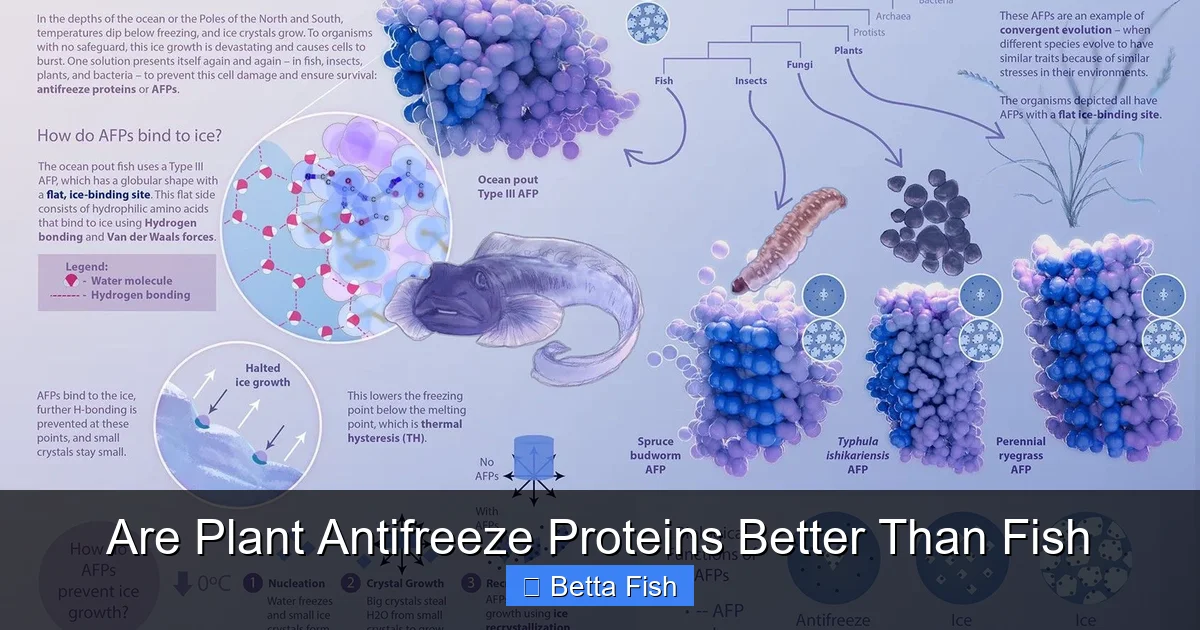
AFPs are specialized proteins found in organisms that live in freezing environments. They attach to the surface of tiny ice crystals, preventing the crystals from expanding. This lowers the freezing point of the organism’s body fluids without changing the overall temperature—a process called thermal hysteresis.
Visual guide about Are Plant Antifreeze Proteins Better Than Fish
Image source: i.pinimg.com
Where do they come from?
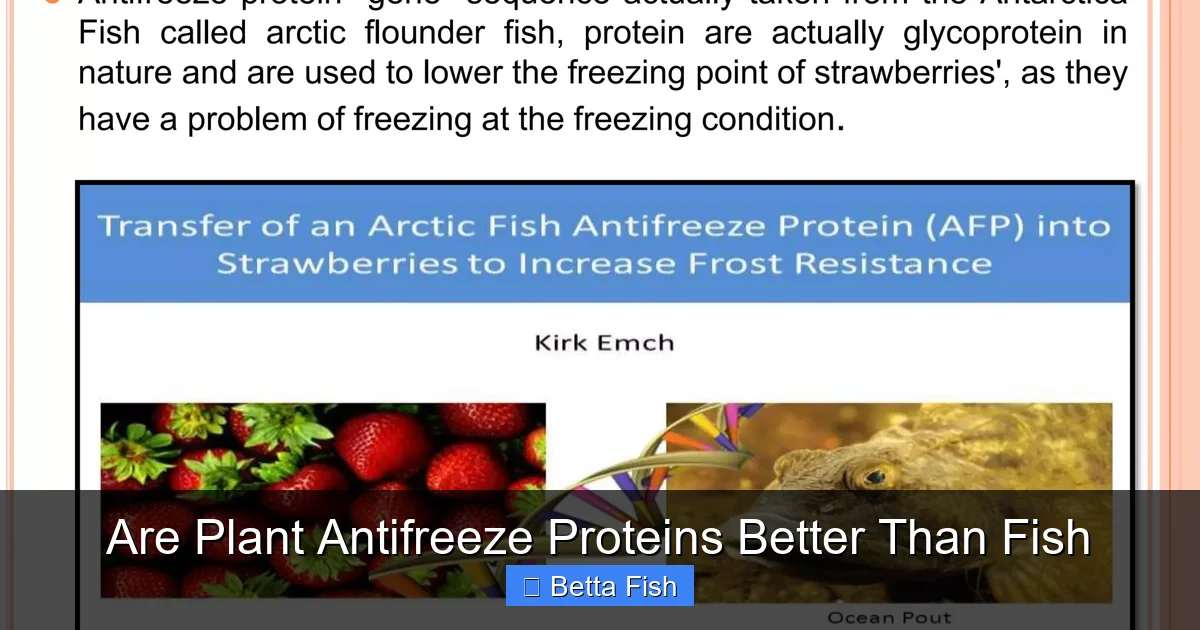
- Fish AFPs: First discovered in Antarctic notothenioid fish, these proteins are adapted to liquid water that can dip just below 0 °C.
- Plant AFPs: Found in winter wheat, rye, and some alpine flowers, plant AFPs evolved to protect cells from frost damage.
- Other sources: Insects, fungi, and even some bacteria produce AFPs, each with unique structures.
Comparing Plant and Fish AFPs: The Science
Structural differences
Fish AFPs often have a repeating “beta‑roll” or “alpha‑helix” structure that creates a flat ice‑binding surface. Plant AFPs, on the other hand, usually possess a “beta‑sheet” arrangement with more flexible loops. These structural nuances affect how strongly each protein binds to ice.
Visual guide about Are Plant Antifreeze Proteins Better Than Fish
Image source: image.slidesharecdn.com
Thermal hysteresis values
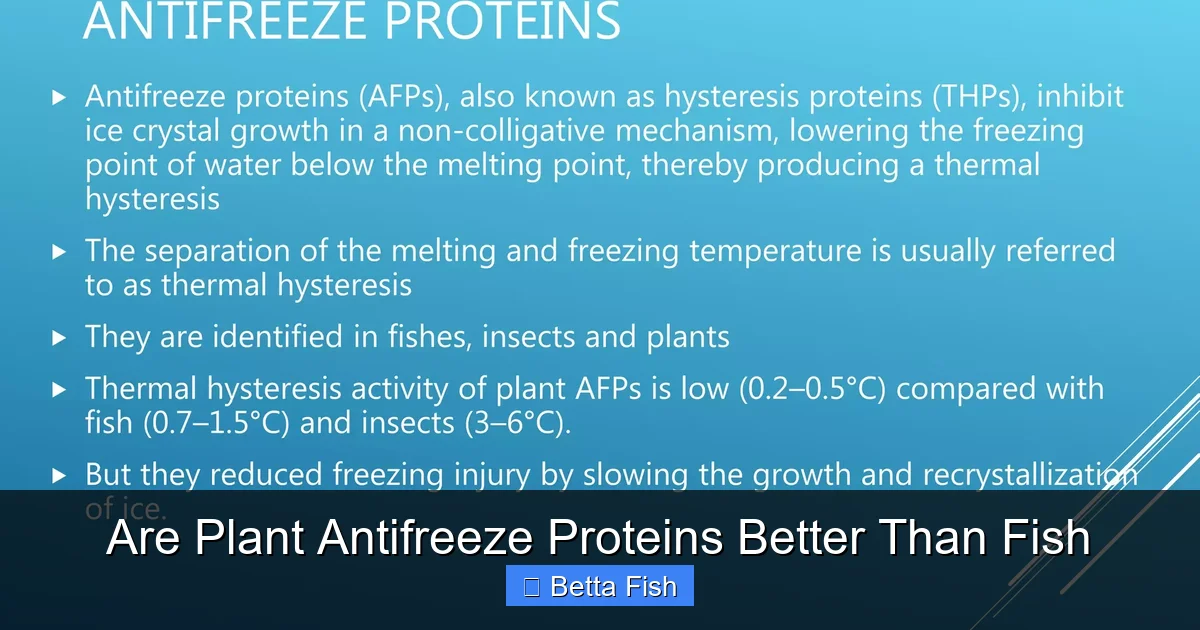
Thermal hysteresis (TH) measures the temperature gap between the melting point and the freezing point caused by AFPs. Typical fish AFPs show TH values of 1–2 °C, while many plant AFPs hover around 0.5–1 °C. Higher TH means better ice‑blocking power, suggesting fish AFPs often win in pure performance.
Stability in water
Plant AFPs are generally more stable across a broader pH range, making them less likely to degrade in a betta tank that may fluctuate in acidity. Fish AFPs can denature faster if the water chemistry isn’t spot‑on.
Practical Benefits for Betta Fish Care
Temperature buffering
Even though bettas love warm water (around 78–80 °F), a sudden night‑time dip can stress them. Adding a low dose of plant AFPs can act as a “thermal cushion,” reducing the shock of a few degrees’ drop.
Visual guide about Are Plant Antifreeze Proteins Better Than Fish
Image source: image.slidesharecdn.com
Improved water quality
Some commercial AFP products double as bio‑stabilizers, helping to keep proteins in the water from breaking down into ammonia. This indirect benefit can make tank maintenance easier.
Safety and allergenicity
Fish‑derived AFPs may carry trace amounts of fish proteins that could trigger allergies in sensitive hobbyists. Plant AFPs, being from non‑animal sources, are typically hypoallergenic—a plus for families with kids.
Cost‑effectiveness
Biotech companies can grow plant AFPs in yeast or bacterial fermenters, dramatically cutting production costs compared to harvesting fish from cold seas. For a hobbyist, this translates to cheaper supplements.
How to Use Antifreeze Proteins in a Betta Tank
Choosing the right product
Look for products labeled “plant‑derived antifreeze protein” or “recombinant AFP.” Verify that the concentration is suitable for freshwater aquaria (usually 0.1–0.5 mg/L). Avoid “raw fish extract” formulas unless you’re sure they’re purified.
Application methods
- Water additive: Dissolve the recommended dose in a cup of tank water, then stir back into the main tank.
- Feed supplement: Some brands mix AFPs into freeze‑dried brine shrimp or bloodworms, delivering the protein directly through the fish’s diet.
- Seasonal treatment: Use AFPs during winter months or whenever your room temperature drops below 70 °F.
Dosage tips
Start low—about 0.1 mg per gallon—and monitor your betta’s behavior. If the fish swims normally and the water temperature stays stable, you can increase to the upper recommended limit. Over‑dosing can lead to cloudier water, so always follow the manufacturer’s guide.
Monitoring results
Keep an eye on the following:
- Temperature stability (use a reliable digital thermometer).
- Water clarity and ammonia levels.
- Betta activity—any signs of stress or lethargy?
If anything looks off, perform a partial water change and reduce the AFP dose.
Environmental and Ethical Considerations
Sustainability
Harvesting fish for AFPs can impact fragile cold‑water ecosystems. Plant AFPs, produced via fermentation, have a much lower carbon footprint. This makes them a greener choice for eco‑conscious hobbyists.
Regulatory status
In many countries, plant‑derived AFPs are classified as “generally recognized as safe” (GRAS), while fish AFPs may require more stringent approvals. Always check local regulations before adding any supplement to your aquarium.
Are Plant AFPs Really Better? The Bottom Line
When you ask are plant antifreeze proteins better than fish, the answer isn’t a simple yes or no. Fish AFPs generally have higher thermal hysteresis, meaning they’re more powerful at stopping ice growth. However, plant AFPs win on stability, cost, safety, and environmental impact—factors that matter a lot for the average betta keeper.
For most hobbyists, especially those keeping bettas in typical home temperatures, plant AFPs provide sufficient protection against occasional cold snaps without the added expense or potential allergens of fish AFPs. They also align with sustainable practices, which is a win‑win for you and the planet.
Remember, AFPs are a supplement, not a substitute for good tank management. Keep your water parameters in check, maintain a stable temperature, and provide a balanced diet, and your betta will thrive—AFPs or not.
Practical Tips for Betta Owners
- Invest in a reliable heater with a thermostat to avoid temperature dips.
- Use a digital thermometer that logs daily highs and lows.
- Consider a small, insulated tank cover to retain heat overnight.
- If you live in a cold climate, add plant AFPs as a preventive measure.
- Regularly test water for ammonia, nitrite, and nitrate—AFPs won’t fix poor water quality.
Conclusion
In the showdown of plant versus fish antifreeze proteins, each has its strengths. Plant AFPs are more affordable, stable, and eco‑friendly, making them a practical choice for most betta enthusiasts. Fish AFPs may offer a slight edge in extreme cold scenarios, but that level of performance is rarely needed in a home aquarium.
So, are plant antifreeze proteins better than fish for your betta tank? For everyday use, the answer leans toward “yes.” Choose a reputable plant‑derived product, follow dosing guidelines, and you’ll give your betta an extra layer of protection against the occasional chill—without compromising on safety or sustainability.
Frequently Asked Questions
Do plant antifreeze proteins affect betta fish coloration?
No. AFPs work at the molecular level to prevent ice formation and do not interact with pigment cells, so your betta’s vibrant colors remain unchanged.
Can I use fish-derived antifreeze proteins in a freshwater tank?
Yes, but fish AFPs are often sourced from cold‑water marine species and may contain salts that could alter freshwater chemistry. Plant AFPs are generally safer for freshwater setups.
How often should I add antifreeze proteins to my betta tank?
Typically once a month during colder months, or whenever you notice temperature fluctuations. Always follow the product’s recommended schedule.
Are there any side effects of using antifreeze proteins?
When used correctly, side effects are rare. Over‑dosing can cause cloudier water and minor stress, so start with a low dose and monitor your fish.
Do antifreeze proteins replace the need for a heater?
No. AFPs are a supplement, not a replacement. A reliable heater is still essential for maintaining optimal betta temperatures.
Where can I learn more about betta fish care?
Check out our guide on are betta fish easy to care for for a full overview of tank setup, feeding, and health tips.