Are Bubbles Good in a Betta Fish Tank

Adding bubbles to a betta tank can be both helpful and harmful, depending on size, flow, and the fish’s temperament. Learn when bubbles are beneficial, how to choose the right aeration, and easy ways to keep your betta happy and healthy.
Key Takeaways
- Gentle flow is best: Betta fish thrive with low‑intensity water movement; strong bubbles can stress them.
- Oxygen needs are modest: A small, well‑filtered tank often provides enough oxygen without extra aeration.
- Bubble size matters: Tiny micro‑bubbles are safe, while large, fast‑rising bubbles can damage delicate fins.
- Plants and décor help: Live plants and surface skimmers naturally oxygenate water, reducing the need for artificial bubbles.
- Monitor behavior: If your betta hides, gills flare, or shows ragged fins, the bubbles may be too strong.
- Use a timer or diffuser: Controlling bubble duration prevents over‑aeration and saves energy.
- Regular maintenance is key: Clean filters and perform water changes to keep oxygen levels stable without relying on bubbles.
📑 Table of Contents
Introduction: Bubbles and Betta Fish – A Curious Pair
When you first set up a betta fish tank, you might notice a tiny stream of bubbles rising from the filter or an air stone. It’s easy to assume that more bubbles equal a healthier environment, especially if you’ve seen them in community tanks full of active swimmers. But bettas are a unique breed. Their natural habitat is calm, shallow waters of rice paddies and slow‑moving streams in Southeast Asia. This means they are not built for the constant rush of water that many other fish love.
In this article we answer the question are bubbles good in a betta fish tank by breaking down the science of oxygen, the anatomy of a betta’s gills and fins, and practical tips for adding (or removing) bubbles safely. Whether you’re a brand‑new hobbyist or a seasoned keeper looking to fine‑tune your setup, you’ll walk away with clear guidance on how to keep those bubbles from becoming a problem.
1. Understanding Betta Physiology and Oxygen Needs
1.1 How Betta Gills Work
Betta fish breathe through gills just like any other fish, but they have a special “labyrinth organ” that lets them gulp air from the surface. This organ allows them to survive in low‑oxygen water, which is why they can live in small bowls. However, the labyrinth organ is a backup, not a primary respiratory system. In a well‑maintained tank, the gills do the heavy lifting.

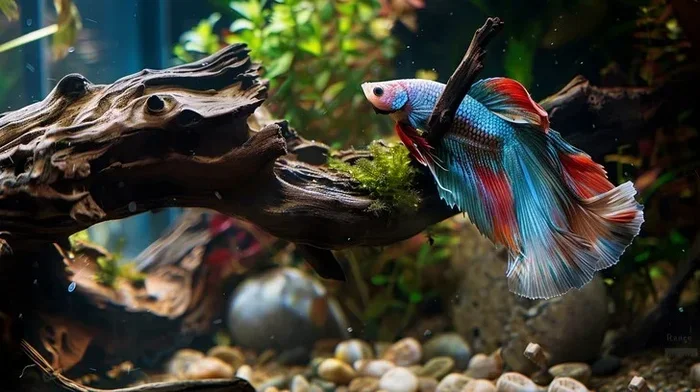
Visual guide about Are Bubbles Good in a Betta Fish Tank
Image source: media.sketchfab.com
1.2 Natural Habitat vs. Home Aquarium
In the wild, bettas inhabit still or gently flowing water with plenty of plant cover. The water is warm (around 78‑82°F) and rich in dissolved oxygen thanks to surface agitation from wind and vegetation. Replicating this environment means you don’t need a raging waterfall of bubbles; a gentle surface ripple is often enough.
1.3 When Extra Oxygen Helps
There are a few scenarios where a little extra aeration is beneficial:
- During hot summer months when water holds less oxygen.
- If the tank is heavily stocked with plants that consume oxygen at night.
- When you’re using a low‑flow filter that barely moves water.
In these cases, a small air stone or a diffuser that creates micro‑bubbles can boost oxygen without creating a strong current.
2. Types of Bubbles and Their Impact
2.1 Micro‑Bubbles vs. Macro‑Bubbles
Micro‑bubbles are tiny, often invisible to the naked eye, and dissolve quickly, releasing oxygen directly into the water column. They are ideal for bettas because they create a gentle rise of water without a noticeable current.

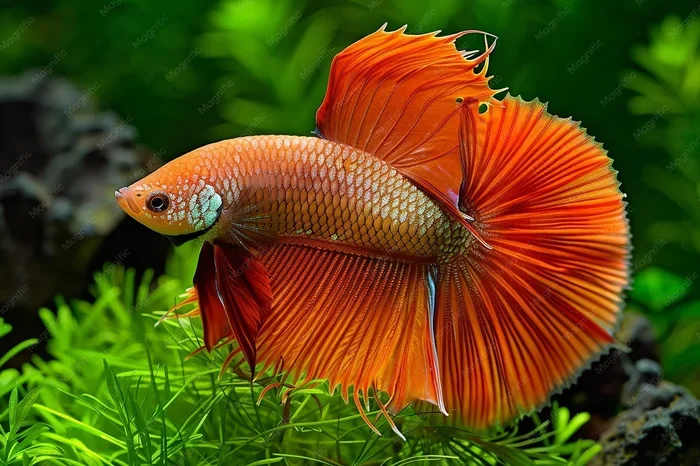
Visual guide about Are Bubbles Good in a Betta Fish Tank
Image source: wallpaperaccess.com
Macro‑bubbles are the larger, round bubbles you see from a typical air stone. They rise quickly, create surface disturbance, and can generate a noticeable flow that some bettas find stressful.
2.2 Bubble Size and Flow Rate
When choosing an aeration device, look for these specifications:
- Air flow: 0.5–1.0 LPM (liters per minute) for a 5‑gallon tank.
- Bubble size: ≤2 mm for micro‑bubble diffusers.
Devices that let you adjust the flow are perfect because you can start low and increase only if needed.
2.3 The Hidden Risks of Too Much Bubble
Strong bubbles can cause:
- Fin damage – the fins of a betta are delicate and can be torn by fast‑moving bubbles.
- Stress – gill flare, rapid breathing, and hiding are classic signs.
- Water quality issues – excessive surface agitation can push debris into the filter, reducing its efficiency.
3. Practical Ways to Add Safe Bubbles
3.1 Choosing the Right Equipment
For most betta owners, a simple air stone combined with a low‑flow filter is sufficient. Look for a “silent” or “ultra‑quiet” model that produces fine bubbles. If you prefer a visual effect, a small “bubble wall” can be placed at the back of the tank, but keep it on the lowest setting.
3.2 Placement Tips
- Put the air stone near the bottom corner, away from the betta’s favorite resting spot.
- Use a diffuser cup to break the bubbles into micro‑bubbles.
- Cover the top of the tank with a lid; this traps oxygen and reduces water loss.
3.3 Using a Timer
Running bubbles 24/7 can lead to complacency. Set a timer for 8–10 hours a day, preferably during the daytime when the fish is most active. This mimics natural surface agitation and gives the betta a calm night.
3.4 When to Skip Bubbles Altogether
If you have live plants, a gentle filter, and maintain regular water changes, you may not need any bubbles. Plants release oxygen during photosynthesis, and a good filter provides enough surface movement. In such setups, turning off the air stone can actually improve the betta’s comfort.
4. Observing Your Betta’s Reaction
4.1 Signs of Comfort
A happy betta will display bright colors, flare its gills occasionally, and swim calmly near the surface. If it interacts with the bubbles—nibbling at them or playing near the air stone—this is a good sign that the flow is acceptable.
4.2 Warning Signals
Watch for these red flags:
- Hiding at the bottom or behind décor.
- Ragged or torn fins.
- Rapid, shallow breathing (gill flaring).
- Loss of appetite.
If any of these appear, reduce the bubble flow or remove the device entirely.
4.3 Adjusting Based on Observation
Start with a low setting and observe for 48 hours. Increase the flow by 10–20 % only if you see no stress signs and the water temperature remains stable. Remember, bettas are adaptable but prefer calm waters.
5. Complementary Tank Enhancements
5.1 Live Plants as Natural Aerators
Plants like Anubias, Java fern, and Marimo moss not only look beautiful but also oxygenate the water. They also provide hiding spots that reduce stress from bubbles. For a deeper dive, see our guide on which live plants are good for betta fish.
5.2 Proper Filtration
A gentle sponge filter creates a subtle current that mimics natural water movement. It also helps with biological filtration, keeping ammonia low—a major stress factor for bettas.
5.3 Temperature Control
Warm water holds less dissolved oxygen, so maintain a stable temperature between 78‑82°F using a reliable heater. Consistent heat reduces the need for extra aeration.
5.4 Routine Maintenance
Weekly 25‑30 % water changes, cleaning the substrate, and checking filter media keep water quality high. When water is clean, oxygen levels stay balanced without relying on bubbles.
Conclusion: Finding the Sweet Spot
So, are bubbles good in a betta fish tank? The answer is nuanced. Gentle, micro‑bubble aeration can be a helpful supplement, especially in warm or heavily planted tanks, but strong, noisy bubbles are often more harmful than helpful. By understanding your betta’s natural preferences, choosing the right equipment, and observing behavior, you can decide whether to add, adjust, or eliminate bubbles entirely.
Remember, the ultimate goal is a calm, clean, and oxygen‑balanced environment where your betta can flare its fins and show off its brilliant colors. Use the tips above, keep an eye on your fish, and you’ll create a happy home that both you and your betta will love.
Frequently Asked Questions
Do betta fish need bubbles to survive?
No. Bettas have a labyrinth organ that lets them breathe air from the surface, so they can live in low‑oxygen water, but gentle aeration can improve water quality.
Can I use a regular air pump for my betta tank?
You can, but set it to the lowest flow and use a diffuser to create tiny bubbles. Strong air pumps can stress the fish and damage fins.
How often should I run an air stone if I have live plants?
Usually 8–10 hours a day is enough. Plants already add oxygen, so the air stone is just a supplemental boost.
What are the signs that bubbles are too strong for my betta?
Hiding, ragged fins, rapid gill movement, and loss of appetite indicate the flow is too intense. Reduce or remove the bubbles immediately.
Is a bubble wall safe for a single betta?
Only if it has a very low setting and creates micro‑bubbles. A high‑flow bubble wall can create a current that overwhelms a betta.
Do I need to change the water more often if I use bubbles?
Not necessarily. Bubbles themselves don’t affect water chemistry, but they can stir up debris, so keep up with regular water changes and filter cleaning.