Are Betta Fish Saltwater Fish
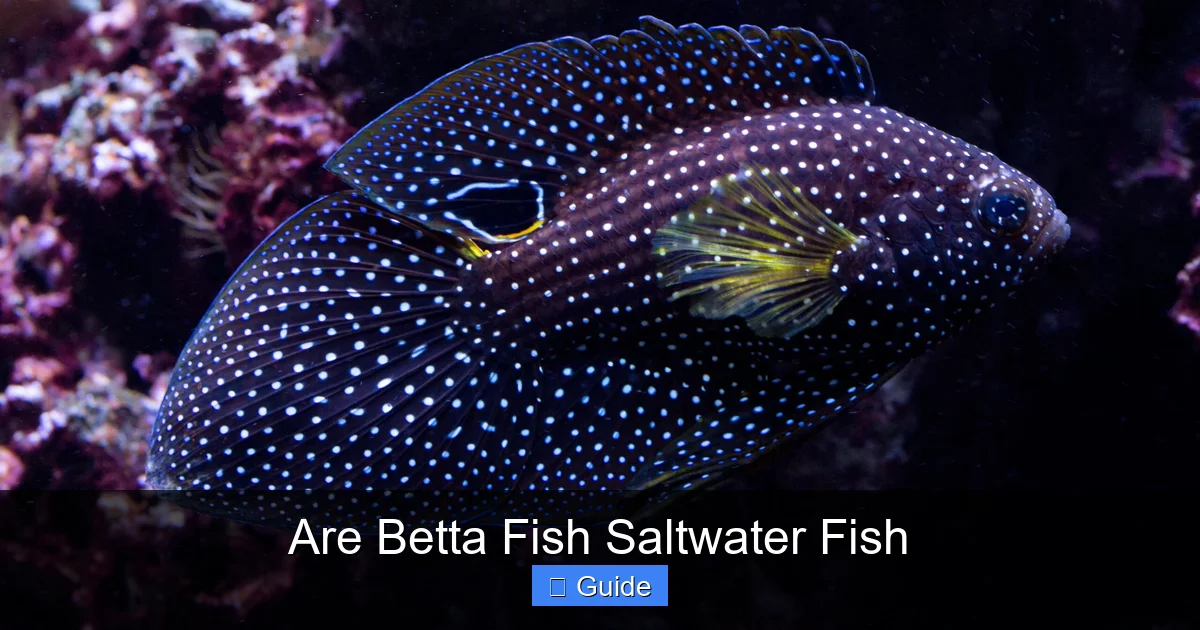
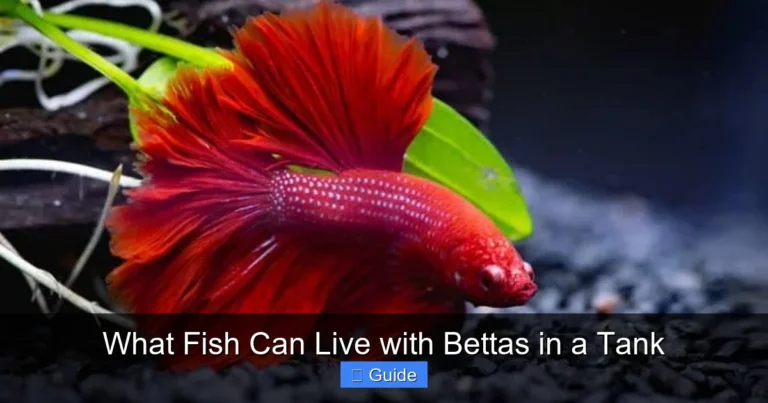
No, betta fish are absolutely not saltwater fish. They are freshwater fish native to the shallow, warm rice paddies and slow-moving streams of Southeast Asia. Their unique labyrinth organ allows them to breathe atmospheric air, a trait not found in true saltwater fish. Keeping a betta in saltwater will rapidly cause fatal osmotic shock and organ failure. Proper betta care requires a heated, filtered freshwater aquarium with calm tank mates.
Key Takeaways
- Betta fish are freshwater fish: They originate from the freshwater ecosystems of Thailand, Cambodia, and Vietnam, not the ocean.
- Salt is toxic to bettas: Their physiology is built for freshwater; adding salt causes severe dehydration, kidney damage, and death.
- They have a special breathing organ: The labyrinth organ lets them gulp air from the surface, an adaptation for oxygen-poor freshwater, not saltwater.
- Osmoregulation is key: Betta kidneys work to conserve salts and expel excess water. Saltwater reverses this, overloading their system.
- Myths about “medicating” with salt: While very dilute salt baths are sometimes used for parasites under expert guidance, it is not a routine treatment and is risky.
- Proper setup is freshwater only: A betta tank requires a heater, a gentle filter, dechlorinated freshwater, and plants for security.
- Their fins are not for saltwater: Those long, flowing fins are delicate and evolved for display in still freshwater, not for swimming against ocean currents.
📑 Table of Contents
- The Big Question: Are Betta Fish Saltwater Fish?
- The Betta’s Amazing Labyrinth Organ: A Freshwater Adaptation
- Osmoregulation: The Internal Battle Against Salt
- The Myth of “Aquarium Salt” for Bettas
- Setting Up the Perfect Freshwater Betta Tank
- Debunking Other Common Betta Misconceptions
- Conclusion: Embracing the Freshwater Wonder
The Big Question: Are Betta Fish Saltwater Fish?
It’s one of the most common questions in the aquarium hobby, and the answer is a definitive, emphatic no. Betta fish are not saltwater fish. They are, in fact, classic freshwater fish with a very specific and fascinating native environment. This confusion often stems from seeing them in tiny cups at pet stores (which is a freshwater practice) or hearing old, dangerous advice about adding salt to their water. Understanding why bettas are freshwater creatures is the absolute first and most critical step in providing them with a long, healthy, and vibrant life. This guide will dive deep into their natural history, their unique biology, and exactly what their freshwater needs truly are.
Where Do Betta Fish Really Come From?
To understand a betta’s needs, you must understand its home. The Siamese fighting fish, or Betta splendens, is native to the tropical floodplains of Southeast Asia, specifically central Thailand, but also parts of Cambodia, Laos, and Vietnam. Their habitat is not the clear, flowing streams you might picture. Instead, they thrive in the shallow, warm, and often stagnant waters of rice paddies, drainage ditches, marshes, and the slow-moving edges of ponds and rivers.
These environments are freshwater. The water is soft to moderately hard, typically with a pH on the acidic side (due to decaying plant matter), and temperatures consistently between 75°F and 85°F (24°C – 29°C). Crucially, the oxygen levels in these warm, still waters can be quite low. This challenging environment is what drove the evolution of their most famous feature: the labyrinth organ.
The Betta’s Amazing Labyrinth Organ: A Freshwater Adaptation
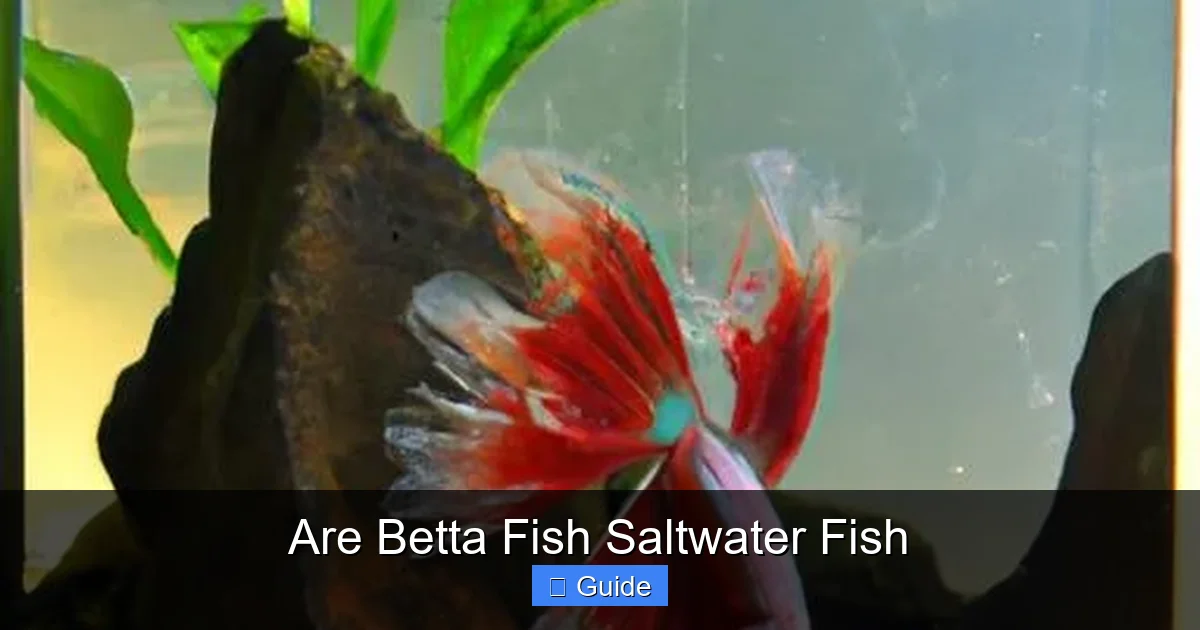
The single most important physiological fact that proves bettas are freshwater fish is their labyrinth organ. This is a specialized piece of respiratory anatomy located in a chamber above the gills. It’s a complex, folded structure (like a maze, hence “labyrinth”) that allows the betta to extract oxygen directly from the air they gulp at the water’s surface.
Visual guide about Are Betta Fish Saltwater Fish
Image source: curacao-nature.com
Why Would a Fish Need to Breathe Air?
Their native waters are often warm and still, which means they hold very little dissolved oxygen. While they have gills, the labyrinth organ is a brilliant evolutionary backup system. It lets them survive in conditions that would suffocate most other purely gill-breathing fish. This adaptation is shared with a few other fish families, like gouramis and some catfish, all of which are freshwater species. No true saltwater fish has a labyrinth organ. Saltwater fish have highly efficient gills adapted to extract oxygen from saltwater’s different chemical composition and often have other specialized systems for dealing with salt.
Practical Tip: You will always see your betta rising to the surface for a quick gulp of air. This is 100% normal and essential behavior. If your betta is constantly at the surface gasping, it’s a sign of poor water quality (high ammonia/nitrite) or insufficient oxygen in the water column, not a sign it needs saltwater.
Osmoregulation: The Internal Battle Against Salt
Every fish is engaged in a constant, invisible battle to balance the salts and water inside its body with the environment outside. This process is called osmoregulation. The rules of this battle are completely opposite in freshwater versus saltwater.

Visual guide about Are Betta Fish Saltwater Fish
Image source: happybettafish.com
How a Freshwater Fish (Like a Betta) Works
In freshwater, the salt concentration inside the betta’s body is higher than the surrounding water. This creates a natural tendency for water to flow *into* the fish’s body through its skin and gills (osmosis), and for salts to leach *out*. To compensate:
- The betta’s kidneys produce large volumes of very dilute urine to expel the excess incoming water.
- Special cells in the gills (chloride cells) actively pump salts *back in* from the water to replace what is lost.
It’s a system built for a low-salt environment.
What Happens If You Put a Betta in Saltwater?
In saltwater, the external environment is saltier than the fish’s internal fluids. This reverses the pressure:
- Water is now pulled *out* of the fish’s body through osmosis, leading to rapid, severe dehydration.
- Salts from the water flood *into* the fish’s body.
A betta’s kidneys are not designed to produce small amounts of concentrated urine. They cannot stop the water loss. Its gill cells are not built to pump out massive amounts of excess salt. The result is osmotic shock. The fish’s cells begin to shrivel, its blood becomes overly concentrated with salt, its kidneys and gills fail, and it dies a painful death within a very short time—often in less than an hour. This is not a debate; it is a biological certainty.
The Myth of “Aquarium Salt” for Bettas
This is the most dangerous piece of misinformation. You may hear, “A little salt is good for bettas” or “It helps with fin rot.” This is a gross oversimplification and often flat-out wrong. Let’s clarify.
Visual guide about Are Betta Fish Saltwater Fish
Image source: i.pinimg.com
When Salt is (Rarely) Used in Freshwater
In the *broader* freshwater aquarium hobby, non-iodized aquarium salt (sodium chloride) is sometimes used in very specific, short-term scenarios for certain parasites or to reduce stress on fish with a compromised slime coat. The idea is to create an osmotic effect that makes it harder for some external parasites (like Ich or flukes) to stay attached and to encourage the fish to produce more mucus. However:
- It is not a routine water additive. It is not a “vitamin” for your fish.
- The dosage is critical—typically 1 tablespoon per 5 gallons, and only for a few days.
- It is harmful to freshwater plants and invertebrates (shrimp, snails).
Why Betta Owners Should Generally Avoid It
Bettas are particularly sensitive. Their long, flowing fins have a lot of surface area, and their skin is delicate. Constant exposure to even low levels of salt can:
- Damage their fin tissue over time, leading to fraying and increased susceptibility to rot.
- Stress their osmoregulatory system unnecessarily.
- There are far safer and more effective treatments for common betta ailments like fin rot (clean water, tannins, proper medications like furan-2 or kanamycin).
- Heater: Bettas are tropical fish. They require a consistent water temperature of 76-82°F (24-28°C). A reliable, adjustable aquarium heater (25-50W for a 5-gallon tank) is mandatory. Cold water slows their metabolism and suppresses their immune system.
- Filter: A gentle filter is essential for biological filtration (housing beneficial bacteria). Use a sponge filter (excellent and creates a gentle flow) or a hang-on-back/internal filter with a flow adjuster. The current must be minimal to not stress the betta or damage its fins.
- Water Conditioner: Never use tap water directly. You must treat it with a dechlorinator/water conditioner to neutralize chlorine, chloramines, and heavy metals. This is freshwater chemistry 101.
- Substrate: Sand or smooth gravel.
- Plants and Hiding Spots: This is crucial. Live plants (like Java fern, Anubias, floating Salvinia) are fantastic for water quality and provide natural cover. Silk or live plants only—avoid plastic, which can tear fins. Provide caves, driftwood, or betta logs for security.
- Lighting: Standard aquarium lighting is fine, but avoid extremely bright lights that can stress them.
- Lid: A secure lid is a must. Bettas are notorious jumpers and can leap out of an open tank.
Bottom Line: Unless you are treating a specific, diagnosed external parasite under the guidance of a knowledgeable vet or advanced hobbyist, do not add salt to your betta’s tank. The risk far outweighs any unproven benefit. Clean, warm, conditioned freshwater is the best medicine.
Setting Up the Perfect Freshwater Betta Tank
Now that we’ve established the “what not to do,” let’s build the ideal freshwater world for your betta. Forget the cup. Think of a small, lush, tropical paradise.
Tank Size and Shape: Space to Glide
While they can survive in small volumes, a minimum of 5 gallons (19 liters) is the absolute standard for a healthy, stable betta setup. This provides enough water volume to dilute toxins, maintain stable temperature, and allow for gentle swimming. A long, shallow tank is often better than a tall, skinny one, as bettas are surface-oriented and need easy access to the air. A 10-gallon tank is even better and allows for more tank mates.
The Non-Negotiables: Heat, Filtration, and Water Treatment
Creating a Calm, Secure Environment
Bettas are intelligent and territorial. Their tank should be a sanctuary.
Debunking Other Common Betta Misconceptions
The “saltwater” myth is just one of many. Let’s clear the air on a few more.
“They Live in Muddy Puddles, So Water Quality Doesn’t Matter”
This is a fatal error. While their natural habitat is tea-colored from tannins (which is beneficial), it is not “dirty” in the sense of high ammonia or nitrite. In a small, unfiltered bowl, a betta’s own waste quickly poisons it. The nitrogen cycle is just as important in a betta tank as in any other. Weekly water changes (25-50%) and a cycled filter are non-negotiable for health.
“They Can Live with Any Fish”
Bettas are famously territorial, especially males. They should not be housed with other bettas (except in a very large, heavily planted sorority tank for females, which is advanced). They also often nip the long fins of fancy guppies or other flashy fish. Good tank mates are peaceful, non-fin-nipping, and don’t occupy the same surface territory—like small schooling rasboras (harlequin rasboras), peaceful corydoras catfish, or snails. Always have a backup plan (a separate “hospital” tank) if aggression occurs.
“They Only Eat Flakes”
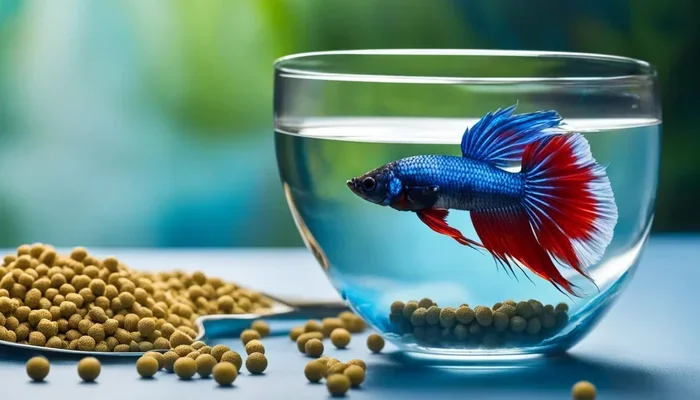
Bettas are carnivores (insectivores in the wild). Their diet should be high in protein. A staple of high-quality betta pellets or granules is good, but it should be supplemented with variety: frozen or live foods like daphnia, brine shrimp, and bloodworms. This promotes vibrant color and optimal health. Avoid overfeeding—a betta’s stomach is about the size of its eye. Feed 1-2 times daily, only what they can consume in 2-3 minutes.
Conclusion: Embracing the Freshwater Wonder
The betta fish’s story is one of incredible adaptation to a unique freshwater niche. Their brilliant colors, flaring fins, and intelligent personalities are a direct result of evolving in the warm, still, oxygen-challenged waters of Southeast Asia. They are not, and never have been, saltwater fish. The idea of putting them in saltwater is not a quirky alternative—it is a guaranteed death sentence based on fundamental biology.
By respecting their true nature as freshwater labyrinth fish, we unlock the secret to their care. Provide a warm, filtered, planted freshwater aquarium with clean water, a high-quality diet, and a stress-free environment. Ditch the myths about salt and tiny cups. In return, your betta will reward you with years of captivating displays, interactive behavior, and the quiet joy of a truly well-cared-for companion. You are not keeping a saltwater fish; you are a keeper of a freshwater jewel, and that knowledge is the foundation of everything you will do for its welfare.
Frequently Asked Questions
Can I put a tiny bit of salt in my betta’s water to help with fin rot?
No, you should not. While outdated advice sometimes recommends salt, it can further stress and damage a betta’s delicate fin tissue. The primary treatment for fin rot is pristine, warm freshwater, increased water changes, and appropriate antibacterial medications if needed. Salt is not a reliable or safe first-line treatment for bettas.
What happens if I accidentally add a pinch of salt to my betta tank?
A single small pinch in a 5-gallon tank will likely cause minor stress but may not be immediately fatal. The real danger is from repeated use or higher concentrations. The safest action is to perform an immediate 50% water change with properly conditioned freshwater to dilute the salt. Monitor your betta closely for signs of distress like lethargy or clamped fins.
Are there any fish that look like bettas but are saltwater fish?
No. The betta’s genus Betta and its entire family, Osphronemidae (gouramis), are exclusively freshwater. There are no marine or saltwater species that are true bettas. Some saltwater fish, like certain flounders or jawfish, may have a “fighting” reputation or a similar body shape, but they are completely unrelated and have vastly different care requirements.
Why do some pet stores keep bettas in small cups without filters or heat?
This is a widespread and controversial practice driven by logistics and cost, not by proper animal husbandry. Bettas are often sold as “impulse” pets and can temporarily survive in these conditions due to their labyrinth organ and tolerance for poor water. However, this severely shortens their lifespan and causes immense suffering. It is a retail failure, not a recommendation for home care.
My betta came from a cup with no heater. Do I need one?
Absolutely yes. The cup is a temporary holding container, not a habitat. Bettas are tropical fish and require a stable temperature between 76-82°F. Room temperature is almost always too cold, especially in winter. A heater is as essential for a betta as water itself. A cold betta is a stressed, immunosuppressed betta prone to disease.
Is there any situation ever where a betta would need saltwater?
No. There is no natural or captive scenario where a Betta splendens or its close relatives would live in brackish (mixed) or saltwater. Some other fish called “bettas” in the aquarium trade (like the Macropodus species, the “paradise fish”) are also freshwater. The only exception might be an extremely rare, short-term therapeutic salt bath (1-3 minutes) for a specific external parasite, performed under expert guidance, but this is not a permanent environment change.