Are Led Lights Good for Betta Fish

Are LED lights good for betta fish? Yes, they can be an excellent choice for your betta’s aquarium lighting when set up correctly. LED lights for betta fish offer energy-efficient illumination, promote plant growth, and enhance your betta’s colors. However, choosing the right light intensity and maintaining a proper lighting schedule is crucial for your betta fish care and overall betta habitat health.
Key Takeaways
- LED lights are safe: When properly chosen, LED aquarium lights provide gentle, effective illumination without harmful heat output for your betta fish environment.
- Light intensity matters: Too much brightness can stress your betta, while too little light hinders plant growth and affects their circadian rhythm.
- Color spectrum enhances beauty: Specific LED color ranges can make your betta fish colors pop while still being safe for aquatic life.
- Lighting schedule is key: A consistent 8-10 hour lighting schedule mimics natural conditions and supports healthy fish tank illumination patterns.
- Live plants thrive with LEDs: If you have aquarium plants in your betta tank, LED lighting is often the best option for photosynthesis and plant health.
- Heat output is minimal: Unlike older lighting options, LED heat output is low, helping maintain stable water temperature in your betta fish tank.
📑 Table of Contents
- Introduction
- What Are LED Lights and Why Do They Matter for Betta Fish?
- Are LED Lights Good for Betta Fish? The Full Breakdown
- Benefits of LED Lights for Betta Fish Tanks
- Risks and Concerns: When LED Lights Go Wrong
- How to Choose the Best LED Lights for Your Betta
- How to Set Up LED Lights in Your Betta Tank
- Expert Insights on LED Lighting for Bettas
- Common Mistakes to Avoid
- Conclusion
Introduction
If you’re a proud betta fish owner, you know how important it is to create the perfect betta habitat. From water temperature to tank decor, every detail matters. One question that comes up again and again is whether are led lights good for betta fish. The short answer is yes, but there’s a lot more to it than just plugging in a light.
LED aquarium lights have become the go-to choice for fish keepers worldwide. They’re energy-efficient, long-lasting, and come in a range of colors. But not all lighting is created equal. The wrong light intensity or too many hours of illumination can actually harm your betta. In this guide, we’ll walk you through everything you need to know about fish tank illumination and how to keep your betta happy, healthy, and vibrant.
What Are LED Lights and Why Do They Matter for Betta Fish?
LED stands for Light Emitting Diode. These small, efficient lights produce illumination without generating excessive heat. For betta fish care, this is a huge plus. Older lighting options like incandescent or fluorescent bulbs often raised water temperature to dangerous levels. LED technology solved that problem entirely.
Your betta fish tank is a small, enclosed ecosystem. Every element inside it affects your fish’s well-being. Aquarium lighting isn’t just about making the tank look pretty. It plays a role in your betta’s circadian rhythm, plant growth, and overall stress levels. Choosing the right aquarium setup means understanding how light fits into the bigger picture.
Many beginners assume any light will do. That’s a mistake. LED lights for betta fish need to be selected with care. You want enough brightness to support life but not so much that it overwhelms your fish. Think of it like sunlight filtering through a canopy, not a spotlight blasting in their face.
Are LED Lights Good for Betta Fish? The Full Breakdown
So, are led lights good for betta fish? Let’s get into the details. The answer depends on several factors, including light intensity, color spectrum, and how long the lights stay on. Let’s break it down.
Light Intensity and Your Betta
Light intensity is one of the most important factors. Bettas are tropical fish that come from slow-moving waters in Southeast Asia. They’re not used to bright, direct sunlight all day. Too much intensity can cause stress, hiding behavior, and even physical damage to their eyes.
A good rule of thumb is to aim for moderate light levels. If you can clearly see every corner of the tank, that’s usually fine. If the light feels harsh to your eyes, it’s probably too strong for your betta. You can also adjust fish tank illumination with dimmer switches available on many LED fixtures.
Color Spectrum Explained
Not all colored lights are the same. LED lights come in various color temperatures, measured in Kelvin. Here’s a quick breakdown:
- Warm white (2700K-3000K): Soft, natural glow. Great for creating a calm betta fish environment.
- Neutral white (4000K-5000K): Balanced light that supports both plant growth and fish visibility.
- Cool white (6000K-10000K): Bright and crisp. Can be too intense for sensitive bettas if used at full power.
If you’re wondering about are colored lights ok for betta fish, the answer is generally yes, as long as the colors aren’t flashing or changing rapidly. Strobe effects or rapid color changes can frighten your betta and disrupt their circadian rhythm. A steady, warm-toned light is usually the safest bet.
Heat Output and Water Temperature
One major advantage of LEDs is their low LED heat output. Unlike older bulbs, they don’t raise the water temperature significantly. This helps maintain a stable betta fish environment. Bettas thrive in water temperatures between 76°F and 82°F (24°C-28°C). Any fluctuation outside that range can be harmful.
That said, some high-powered LEDs can still produce a small amount of heat. If you notice your water temperature rising after installing new lights, consider adding a small fan or choosing a lower-wattage fixture. Keeping conditions stable is at the heart of proper betta fish care.
Benefits of LED Lights for Betta Fish Tanks
Now that we’ve covered the basics, let’s explore why LED aquarium lights are often the best choice for betta owners.
Energy Efficiency
LEDs use a fraction of the energy compared to traditional bulbs. This means lower electricity bills and less environmental impact. For a small betta tank, the savings might be modest, but it’s still a nice perk. Over the long run, LED lights last thousands of hours, so you won’t be replacing them frequently.
Enhanced Betta Fish Colors
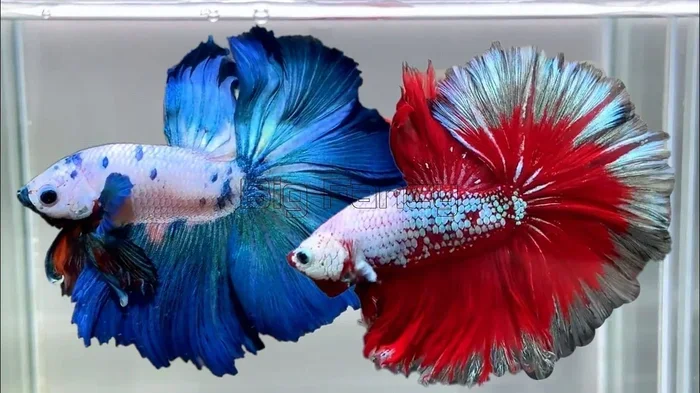
Here’s something every betta lover appreciates. The right aquarium lighting can make your betta’s colors absolutely pop. Blues, reds, and greens look more vivid under specific LED spectrums. This isn’t just about aesthetics. Seeing your betta’s true colors helps you monitor their health. A betta losing color intensity might be stressed or sick.
If you want to enhance those beautiful hues, look for LEDs with a color temperature around 6500K. This range closely mimics natural daylight and brings out the best in betta fish colors.
Promoting Aquarium Plant Growth
Many betta owners love adding live plants to their tanks. Plants like Java Fern, Anubias, and Amazon Sword create hiding spots and improve water quality. But plants need light for photosynthesis. LED lights for betta fish tanks can provide the right spectrum for healthy plant growth without overheating the water.
For more information on safe plants for your setup, check out our guide on Are Live Plants Safe For Betta Fish. It covers the best plant options and how to integrate them into your aquarium setup.
Supporting a Natural Day-Night Cycle
Bettas, like all living creatures, follow a circadian rhythm. They need a consistent day-night cycle to stay healthy. A proper lighting schedule of 8 to 10 hours per day helps regulate their sleep patterns. Without it, your betta may become lethargic, stressed, or more prone to illness.
Risks and Concerns: When LED Lights Go Wrong
While LEDs are generally safe, there are situations where they can cause problems. Understanding these risks helps you avoid common mistakes.
Too Much Light
Leaving lights on for too long is one of the most common errors. Extended illumination disrupts your betta’s circadian rhythm and can encourage algae blooms. Algae overgrowth affects water quality and can make the tank look messy. Always use a timer to control your lighting schedule. Eight to ten hours is the sweet spot for most betta tanks.
Wrong Light Type
Not every LED fixture is suitable for aquarium use. Some are designed for decorative purposes only and may not provide the correct spectrum. Avoid using household LED bulbs or string lights inside your tank. These can emit harmful wavelengths and lack the proper waterproofing. Always use lights specifically designed for aquariums. If you’re unsure about your current setup, our article on Are Lights Ok For A Betta Fish Tank provides detailed guidance.
Reflected Light and Glare
Bettas can become stressed when they constantly see their own reflection in bright lights. If your tank has a light source directly above, try repositioning it or adding a diffuser. Reducing glare helps your betta feel more secure in their betta habitat. Adding fish tank decor like plants and caves also breaks up reflections and gives your fish places to retreat.
Compatibility with Tank Mates
If you keep betta fish tank mates, the lighting needs might change. Some companions prefer different light levels. For instance, shrimp and snails are generally fine with moderate LEDs, but more sensitive species might struggle. Always research the lighting needs of every creature sharing your tank. Our article on Are Shrimp Good With Betta Fish can help you navigate compatible tank mate choices.
How to Choose the Best LED Lights for Your Betta
Now let’s get practical. Here’s what to look for when shopping for LED aquarium lights.
Consider Your Tank Size
The size of your betta tank determines the type and wattage of LED you need. Small tanks (2.5-5 gallons) need low-wattage LEDs. Larger tanks (10 gallons or more) may require more powerful fixtures. Always check the manufacturer’s recommendations for tank size compatibility.
Look for Adjustable Brightness
A dimmable LED is a great investment. It lets you fine-tune light intensity based on your betta’s behavior and plant needs. Many quality aquarium LEDs come with built-in dimmers or remote controls. This makes it easy to adjust without reaching into the tank.
Check the Color Spectrum
For a betta-only tank, a warm to neutral white LED (2700K-5000K) works well. If you have live plants, aim for 6500K to support photosynthesis. Some LEDs offer full-spectrum options that combine multiple color temperatures in one fixture. These are versatile and work in most setups.
Waterproof and Durable
Your LED fixture will be near water at all times. Make sure it’s fully waterproof and built for aquarium use. Cheap, non-waterproof lights can short-circuit and pose a serious safety hazard. Invest in quality products designed for the purpose.
Quick Tips for Choosing the Right LED
- Choose a fixture rated for your specific tank size.
- Opt for dimmable models to control light intensity.
- Select warm or neutral white tones for betta-only tanks.
- Go for 6500K spectrum if you have live plants.
- Always confirm the product is waterproof.
- Look for built-in timers to automate your lighting schedule.
How to Set Up LED Lights in Your Betta Tank
Setting up your LED lights correctly is just as important as choosing the right ones. Here’s a simple step-by-step approach.
Step 1: Mount the Light Securely
Most LED fixtures hang above the tank or clip onto the rim. Make sure it’s firmly attached and won’t fall into the water. If your tank has a lid, check whether the light can be mounted underneath it for a cleaner look.
Step 2: Set the Right Schedule
Program your lights to turn on in the morning and off at night. A consistent schedule reduces stress. Aim for 8-10 hours of light per day. You can also pair the light cycle with your room’s natural light to make the transition more gradual. If you want to explore more about lighting options, read our piece on Are Led Fish Tank Lights Okay To Leave On Betta for detailed advice on timing and safety.
Step 3: Monitor Your Betta’s Reaction
After installation, watch your betta closely for the first few days. Signs of stress include hiding constantly, loss of color, or erratic swimming. If you notice these, reduce the light intensity or shorten the daily hours. Your betta should be active and curious, not constantly hiding.
Step 4: Maintain and Clean
Algae can grow on LED fixtures just like it grows on tank glass. Wipe down your light regularly to keep it functioning at full brightness. Dirty lights mean less effective fish tank illumination, which affects both your plants and your fish.
Expert Insights on LED Lighting for Bettas
Experienced aquarists agree that LED technology has transformed betta fish care. The ability to fine-tune color, intensity, and duration was impossible with older lighting methods. Dr. Linda Wells, a tropical fish specialist, notes that “the right lighting setup can dramatically improve a betta’s quality of life. It’s not just about visibility; it’s about replicating a natural environment as closely as possible.”
The key takeaway from experts is consistency. A stable, well-planned aquarium lighting routine does more for your betta than any single fancy fixture. Pair good lighting with clean water, proper feeding, and enrichment, and your betta will thrive.
Common Mistakes to Avoid
Even experienced fish keepers can slip up. Here are some frequent errors with LED lights for betta fish:
- Leaving lights on 24/7: This throws off the circadian rhythm and encourages algae. Always use a timer.
- Using non-aquarium LEDs: Decorative or household lights aren’t designed for underwater use and can be dangerous.
- Ignoring plant needs: If you add plants, your lighting must support their growth or they’ll die and pollute the water.
- Overlooking water temperature: Even LEDs can slightly raise temperature in small tanks. Monitor regularly.
- Too much reflection: Bright overhead lights create glare that stresses bettas. Use plants and decor to break up reflections.
Conclusion
So, are led lights good for betta fish? Absolutely, when you choose and manage them wisely. LED aquarium lights offer a safe, efficient, and beautiful way to illuminate your betta’s world. They support healthy plant growth, enhance stunning betta fish colors, and maintain a stable environment with minimal heat output.
Remember to pick the right light intensity, stick to a consistent lighting schedule, and always use aquarium-specific products. Watch your betta’s behavior and adjust as needed. Every fish is different, and your setup should reflect that. With the right approach to fish tank illumination, your betta will live a happier, healthier life in a thriving betta habitat.
Take what you’ve learned here and apply it to your own aquarium. Your betta deserves a home that looks great and feels great too.
Frequently Asked Questions
Are LED lights safe for betta fish?
Yes, LED lights are generally very safe for betta fish when chosen and installed correctly. They produce minimal heat and come in gentle light spectrums that won’t harm your fish. Make sure to use aquarium-specific LEDs and avoid leaving them on for more than 10 hours a day to protect your betta’s circadian rhythm.
Can LED lights make my betta fish colors brighter?
Absolutely. The right LED color spectrum, especially around 6500K, can enhance your betta’s natural colors significantly. Blues, reds, and greens appear more vibrant under quality aquarium lighting. This also helps you monitor your fish’s health, since color changes can signal stress or illness.
How many hours should I keep LED lights on for my betta?
Aim for 8 to 10 hours of light per day. This mimics a natural day-night cycle and supports your betta’s circadian rhythm. Use a timer to keep the schedule consistent. Leaving lights on longer can cause stress and encourage algae growth in your betta fish tank.
Do LED lights heat up a betta fish tank?
LED lights produce very little heat compared to older lighting options. However, some high-powered LEDs can slightly raise the water temperature in small tanks. Monitor your water temperature after installing new lights. If you notice fluctuations, consider a lower-wattage fixture or add a small cooling fan.
Can I use colored LED lights in my betta tank?
Yes, colored LED lights are fine for betta fish as long as the colors are steady and not flashing rapidly. Warm-toned steady colors work best and can make your betta’s colors look amazing. Avoid strobe effects or rapid color changes, as these can stress your fish and disrupt their natural behavior.
What’s the difference between LED and fluorescent lighting for betta tanks?
LEDs are more energy-efficient, produce less heat, and last much longer than fluorescent bulbs. They also offer better color spectrum control for both plant growth and showcasing fish colors. Fluorescent lights can work but often generate more heat and need frequent replacement. For most betta owners, LED aquarium lights are the superior choice.