Are Blue Betta Fish Rare
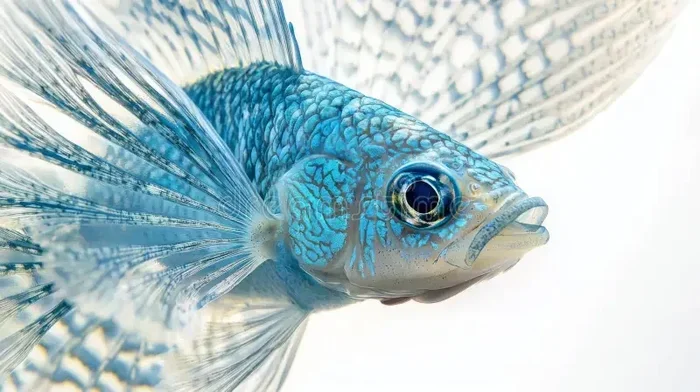
Blue betta fish are not extremely rare, but certain blue varieties like the sapphire and turquoise can be harder to find and more expensive. The blue betta fish world includes several stunning shades, each with unique genetics and care needs. Whether you are a beginner or a seasoned hobbyist, understanding what makes these fish special helps you choose the right one for your tank.
Are blue betta fish rare? That is a question many fish keepers ask when they first spot a stunning blue betta gliding through a pet store tank. The short answer is no, blue betta fish are not extremely rare, but some blue shades and patterns are harder to find than others. The color blue is one of the most popular betta hues, and breeders have worked hard to produce beautiful blue varieties that are available to hobbyists around the world.
If you have ever wondered about the rarity of blue bettas, what drives their price, or how to care for them, you are in the right place. This guide covers everything from the genetics behind the blue color to practical tips for keeping your fish happy and healthy. Let us dive in and explore the fascinating world of the blue betta fish.
Key Takeaways
- Blue betta fish are moderately available: Common blue shades are easy to find, but rarer variants like the sapphire blue betta can be harder to locate.
- Several blue varieties exist: From solid blue to blue-green combinations, the color range is wide and beautiful.
- Price varies by rarity: A standard blue betta costs $5 to $15, while premium varieties can reach $50 or more.
- Proper care is essential: Clean water, a heated tank, and the right filter keep your blue betta fish healthy and vibrant.
- Genetics drive the color: The blue hue comes from specific pigment genes that breeders select for over generations.
- Blue bettas make great pets: They are peaceful, visually stunning, and suitable for solo tanks or carefully chosen community setups.
📑 Table of Contents
What Makes Blue Betta Fish Special
The blue betta fish stands out because of its vivid, iridescent coloration. Unlike many fish that rely on pigments alone, bettas display blue through a combination of structural color and pigment. This means the blue shade can shift depending on the light, creating a shimmering, almost jewel-like effect.
Blue is one of the foundational colors in betta breeding. Breeders cross blue males and females to produce offspring with deeper, more saturated blue tones. Over time, selective breeding has led to several distinct blue varieties, each with its own charm.
What makes blue bettas so appealing is their versatility. They look great in planted tanks, bare-bottom tanks, and community setups. Their calm temperament also makes them a favorite among beginners and experienced keepers alike.
Structural Color vs. Pigment Color
Understanding why blue bettas look so vibrant starts with a basic science lesson. Most fish get their color from pigments in their skin cells. But bettas have a special layer of cells called iridophores that reflect light and create that brilliant blue sheen. This structural color is why your blue betta might look darker in some lights and almost glowing in others.
When you are shopping for a blue betta fish, look for fish with even color distribution across the body and fins. A fish with patchy color or faded areas may be stressed or not in peak health. Bright, uniform blue is the sign of a well-cared-for betta.
Different Shades of Blue Betta Fish
Not all blue bettas look the same. In fact, there is a wide range of blue shades, and each one has a unique name in the betta breeding community. Here are the most common blue varieties you will encounter.
Solid Blue Betta
The solid blue betta fish is exactly what it sounds like. The entire body and fins display a uniform blue color with no other hues mixed in. This variety is the most common and the easiest to find in pet stores and online shops.
Solid blue bettas are often the most affordable option, typically priced between $5 and $15. Because they are widely bred, they are a great starting point for anyone new to betta keeping.
Sapphire Blue Betta
The sapphire blue betta is a deeper, richer shade of blue with a bright, metallic sheen. This variety is more sought after than the standard solid blue, and it can be a bit harder to find. Sapphire blues often have a slight green undertone that adds to their beauty.
Because of their striking appearance, sapphire blue bettas command a higher price. You might pay $20 to $40 for a quality specimen. If you see one at a local fish store, grab it quickly, as they tend to sell fast.
Turquoise Betta
The turquoise betta blends blue and green into a gorgeous teal shade. This variety is less common than solid blue or sapphire but still fairly available. Turquoise bettas look especially stunning in tanks with dark substrate and green plants.
One thing to note is that turquoise bettas can sometimes be confused with green bettas. The key difference is the balance of blue and green in the color. A true turquoise has a dominant blue base with green highlights.
Blue-Green Combos and Patterned Varieties
Some blue bettas display patterns that combine blue with other colors. These include butterfly blue bettas, where the fins fade from blue to another shade, and marble blue bettas, which have irregular splashes of color. These patterned varieties add visual interest and can be quite rare depending on the specific pattern.
If you are interested in patterned blue bettas, check out the different kinds of betta fish to learn more about the wide range of colors and patterns breeders have developed.
Are Blue Betta Fish Rare?
Let us address the big question directly. Are blue betta fish rare? The answer depends on the specific shade and variety you are looking for.
Common blue shades like solid blue and turquoise are widely available and not rare at all. You can find them in most pet stores, online breeders, and even at local fish swaps. The blue betta fish is one of the standard color options that breeders produce in large numbers.
However, certain blue varieties are rarer and more difficult to find. The deep sapphire blue, the blue with specific patterning, and the blue-green combinations that show perfect color balance are less common. These rarer varieties are the ones that drive up prices and generate excitement among collectors.
For comparison, betta fish as a whole are not rare. They are one of the most popular freshwater fish in the world. But within the betta world, specific colors and patterns carry different levels of rarity. Blue is a popular color, but the exact shade and quality matter a lot.
If you want to understand more about betta rarity in general, you can read our full guide on are betta fish rare for a broader perspective.
What Drives Rarity in Blue Bettas
Several factors determine how rare a blue betta fish is:
- Color intensity: Deeper, more saturated blues are harder to breed consistently.
- Pattern complexity: Unique patterns like full marble or butterfly blue require specific genetic combinations.
- Breeding difficulty: Some blue shades are the result of complex crossbreeding that does not always produce the desired outcome.
- Demand: Popular colors sell quickly, making them seem rarer even when supply is steady.
- Lineage: Blue bettas from champion bloodlines carry a premium price tag.
Blue Betta Fish Care Guide
Caring for a blue betta fish is not complicated, but it does require attention to a few key details. These fish thrive when their environment mimics their natural habitat. Here is everything you need to know.
Tank Size and Setup
A minimum tank size of 5 gallons is recommended for a single blue betta. While bettas can survive in smaller containers, a larger tank gives them room to swim and explore, which improves their overall health and color vibrancy.
Add a gentle filter to keep the water clean. Not all filters are safe for bettas, so make sure to choose one with a low flow rate. You can learn more about whether water filters are necessary for betta fish in our dedicated guide.
Use a heater to maintain the water temperature between 76 and 82 degrees Fahrenheit. Bettas are tropical fish and need warm water to stay healthy. A thermometer is a simple but essential tool for any betta tank.
Feeding Your Blue Betta
Feeding your blue betta fish a balanced diet is one of the most important aspects of care. Bettas are carnivorous and need protein-rich food. High-quality betta pellets should form the staple of their diet, supplemented with frozen or live foods like brine shrimp and bloodworms.
Overfeeding is a common mistake that can lead to health problems and poor water quality. Feed your betta 2 to 3 pellets twice a day, and skip one feeding day per week to let their digestive system rest. For more details on feeding schedules, check out our article on whether you should feed betta fish every day.
Water Quality and Maintenance
Clean water is the foundation of good betta health. Perform a 25 percent water change every week and vacuum the substrate to remove waste. Test the water parameters regularly, keeping the pH between 6.5 and 7.5 and the ammonia and nitrite levels at zero.
Blue bettas, like all bettas, are sensitive to poor water conditions. Cloudy water, strong odors, or changes in behavior can signal a water quality problem. Stay on top of your maintenance routine to keep your fish thriving.
Common Health Issues for Blue Bettas
Blue betta fish are generally hardy, but they can face a few common health issues:
- Fin rot: Caused by bacterial or fungal infections, often linked to poor water quality. Look for ragged or discolored fins.
- Ich: A parasitic infection that shows up as white spots on the body. It spreads quickly and needs prompt treatment.
- Stress: Signs include clamped fins, loss of color, and hiding behavior. Stress often comes from incorrect water parameters or aggressive tank mates.
- Swim bladder issues: Difficulty maintaining buoyancy, often caused by overfeeding or poor diet.
Regular observation and clean water go a long way in preventing these issues. If you notice anything unusual, act quickly to address the problem.
Blue Betta Fish Pricing and Where to Buy
The price of a blue betta fish depends on the shade, pattern, and breeder. Here is a general price breakdown to help you set expectations.
| Variety | Typical Price Range | Availability |
|---|---|---|
| Solid Blue | $5 – $15 | Very common |
| Sapphire Blue | $20 – $40 | Moderately common |
| Turquoise | $10 – $25 | Common |
| Blue Butterfly | $15 – $35 | Less common |
| Blue Marble | $20 – $50 | Rare |
You can buy blue bettas from local fish stores, online breeders, and betta specialty shops. When purchasing online, always check the breeder’s reputation and look for reviews from other buyers. A reputable breeder will provide healthy fish with clear coloration and no signs of disease.
If you are looking for a unique blue betta, consider reaching out to breeders who specialize in rare color varieties. These breeders often have waiting lists and may ship internationally. The extra cost is worth it for a fish with exceptional color and strong genetics.
Are There Other Fish That Can Live With Blue Bettas?
Blue bettas are generally peaceful compared to other betta varieties, but they are still bettas, and aggression can be a concern. The best tank mates for a blue betta are small, peaceful fish that occupy the lower levels of the tank.
Good options include corydoras catfish, neon tetras, and small species of snails. Avoid keeping your blue betta with colorful, long-finned fish that might trigger territorial behavior. For more information on compatible tank mates, check out our guide on other fish that can go with a betta.
Some hobbyists also keep blue bettas with shrimp. Ghost shrimp and amano shrimp are good choices because they stay out of the betta’s way and help keep the tank clean. Just be aware that some bettas may view small shrimp as food.
Fun Facts About Blue Betta Fish
Here are some interesting tidbits that every blue betta fan should know:
- The blue color in bettas comes from light refraction, not from blue pigment. This is why blue bettas can look different under various lighting conditions.
- Blue bettas are one of the oldest color varieties bred in the betta hobby, dating back decades.
- A blue betta’s color can change slightly based on its mood, health, and water temperature.
- Blue bettas are often used in breeding programs to introduce the blue gene into new color lines.
- The blue betta fish is a symbol of good luck and prosperity in many Southeast Asian cultures.
Conclusion
So, are blue betta fish rare? The answer is nuanced. Common blue shades are widely available and affordable, while rarer varieties like the sapphire and blue marble are harder to find and more expensive. Either way, the blue betta fish is a beautiful, rewarding pet that brings color and life to any aquarium.
Whether you are a first-time fish keeper or a seasoned hobbyist, adding a blue betta to your tank is a wonderful choice. Focus on providing clean water, proper nutrition, and a stress-free environment, and your blue betta will thrive for years to come.
Start by choosing a healthy fish from a reputable source, set up a proper tank, and enjoy the stunning beauty of your blue betta. The world of blue bettas is vast and full of surprises, and there is always something new to learn about these captivating fish.
Frequently Asked Questions
Are blue betta fish rare in pet stores?
No, solid blue and turquoise blue bettas are commonly found in most pet stores. However, rarer shades like sapphire blue or patterned blue varieties may not be available at every location. You might need to visit specialty stores or order online for premium blue bettas.
How much does a blue betta fish cost?
A standard solid blue betta typically costs between $5 and $15. Sapphire and turquoise varieties range from $15 to $40, while rare patterned blues can cost $50 or more. The price depends on the shade, pattern, and breeder quality.
Can blue betta fish live with other fish?
Yes, blue bettas can live with peaceful, small fish like corydoras, neon tetras, and certain shrimp species. Avoid housing them with aggressive or brightly colored fish that might trigger territorial behavior. Always monitor new tank mates closely for signs of stress or aggression.
Why is my blue betta fish losing its color?
Color loss in blue bettas can be caused by stress, poor water quality, illness, or aging. Check your water parameters, ensure the tank is clean, and look for other signs of disease. Improving water conditions and reducing stress often restores the vibrant blue color over time.
Do blue betta fish need special lighting?
Blue bettas do not need special lighting, but standard aquarium LEDs bring out their blue color beautifully. Avoid overly bright lights that cause stress, and provide a natural day-night cycle with about 8 to 10 hours of light per day.
Are blue betta fish good for beginners?
Absolutely. Blue bettas are hardy, easy to care for, and visually stunning. They are one of the best beginner fish because they are forgiving of minor water quality issues and do not require a large tank. Start with a 5-gallon setup and follow a simple care routine for the best results.