What Other Fish Can You Put with Betta Fish
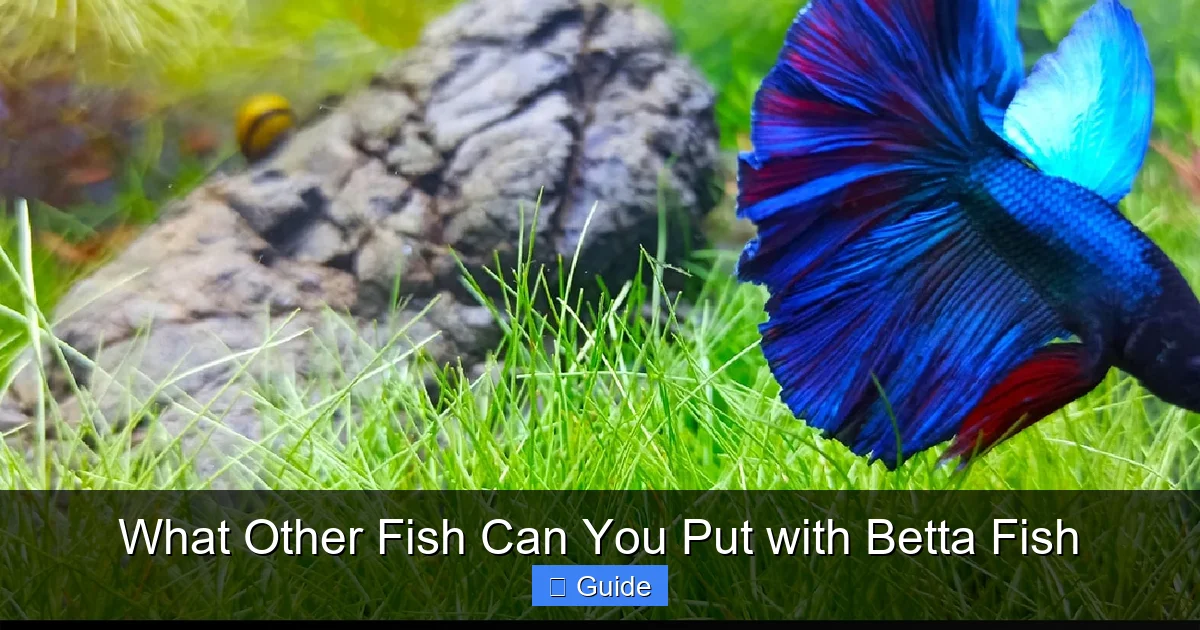
Betta fish, or Siamese fighting fish, are famously territorial, especially males. Successful tankmates require careful selection based on temperament, size, and swimming habits. Prioritize peaceful, fast-swimming, or bottom-dwelling species that won’t nip at a betta’s long fins. A adequately sized, well-planted tank with hiding spots is non-negotiable for reducing stress and aggression. Always observe your specific betta’s personality, as individual tolerance varies greatly.
Key Takeaways
- Betta Temperament is Key: Male bettas are highly territorial; females are less aggressive but can still be finicky. Your betta’s unique personality is the ultimate deciding factor.
- Tank Size is Non-Negotiable: A minimum of 10 gallons is strongly recommended for any community tank with a betta to provide enough space for all fish to establish territories.
- Choose Peaceful, Fast, or Bottom-Dwelling Species: Ideal mates are fish that won’t compete for the top of the tank, won’t nip fins, and prefer different swimming levels.
- Avoid Bright Colors and Long Fins: Fish that resemble a betta in color or have flowing fins (like fancy guppies) are likely to trigger aggression.
- Tank Setup Trumps Species Selection: Dense planting, decorations, and hiding spots are essential to break line-of-sight and provide escape routes, reducing conflict.
- Introduction Order Matters: Add all other fish to the established tank first, then use a divider or introduce the betta last in a new setup to prevent him from claiming the entire tank as his territory.
- Observation is Your Best Tool: Closely watch for the first 48-72 hours after any introduction for signs of chasing, fin-nipping, or extreme stress in any fish.
📑 Table of Contents
- Understanding the Betta Fish: More Than Just a “Fighter”
- The Golden Rules for Betta Tankmates: Size, Temperament, and Territory
- Top-Tier Tankmate Candidates: The Safe & Suitable List
- Species to Avoid: The Danger List
- Creating the Perfect Betta Community Tank Setup
- The Introduction Process: Patience is a Virtue
- Conclusion: A Rewarding but Delicate Balance
Understanding the Betta Fish: More Than Just a “Fighter”
To successfully answer “what other fish can you put with betta fish,” we must first understand the betta itself. The betta fish, or Betta splendens, earned its common name “Siamese fighting fish” from centuries of selective breeding for aggression in sport. This history has left a lasting impression: a solitary, territorial fish with a bold personality. However, this reputation, while not entirely undeserved, is often oversimplified. Not all bettas are relentless killers, and many can thrive in carefully curated community tanks.
The key lies in recognizing that a betta’s aggression is primarily directed at other male bettas and fish that it perceives as a threat. This threat can be a competitor for food, a rival for territory at the water’s surface (where bettas prefer to breathe and build bubble nests), or a visual mimic. Male bettas will flare their gills, chase, and bite to defend their space. Female bettas, while generally less aggressive, can also establish pecking orders and be intolerant of each other or passive tankmates. Therefore, the goal is to choose tankmates that are unlikely to trigger these defensive or predatory instincts.
The “Fighting” Instinct vs. Natural Behavior
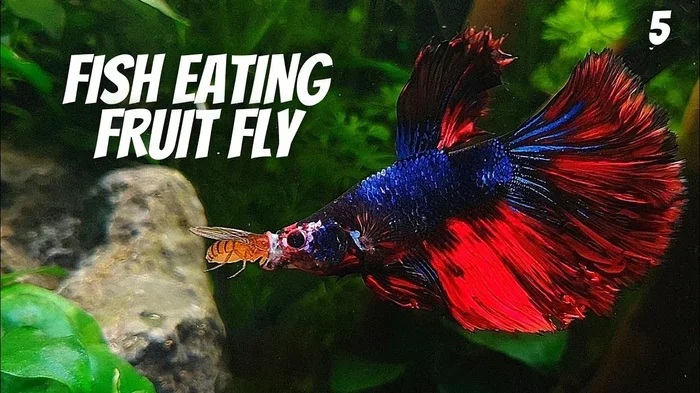
It’s crucial to separate myth from reality. In the wild, bettas are solitary labyrinth fish that inhabit shallow, slow-moving waters like rice paddies and ditches in Southeast Asia. They are not schooling fish; they are opportunistic predators that eat insects and larvae. Their aggression in captivity is largely a product of their environment—a small, barren tank with no escape routes exacerbates territorial behavior. A well-researched community tank can actually provide mental stimulation and reduce boredom-induced aggression for a betta, provided the right companions are chosen.
The Golden Rules for Betta Tankmates: Size, Temperament, and Territory
Before diving into specific species lists, internalize three non-negotiable rules. These form the foundation of any successful betta community tank and will help you evaluate any potential fish you consider.
Visual guide about What Other Fish Can You Put with Betta Fish
Image source: i.ytimg.com
Rule #1: Tank Size is Everything
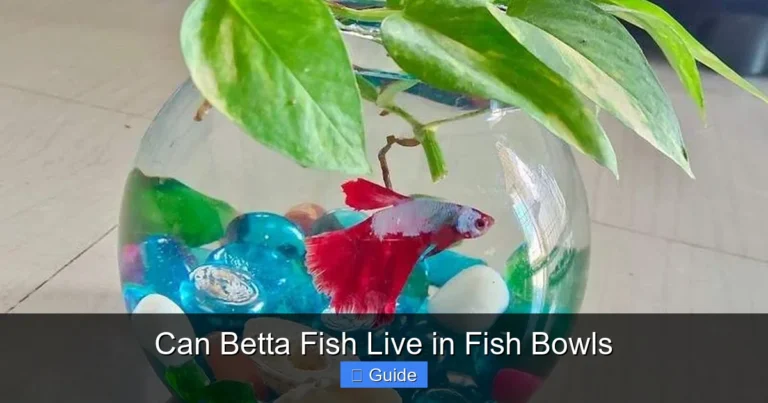
The single biggest mistake new betta owners make is housing them in a tiny “betta bowl.” A 5-gallon tank is the absolute minimum for a *solo* betta. For a community tank, you must start at 10 gallons and go larger if possible. Why? Space dilutes aggression. In a small vase, a betta sees any intruder as an immediate threat in its entire world. In a 20-gallon long tank, the betta can claim one end while other fish inhabit the other, with plants and decor breaking up the view. More water volume also means more stable water parameters, which is healthier for all fish. Aim for at least 10 gallons, with 20+ being the sweet spot for a peaceful community.
Rule #2: Peaceful, Non-Threatening Disposition
You need fish that are calm, not boisterous, and not prone to fin-nipping. Avoid any fish known for being “nippy” or aggressive themselves (like some tiger barbs or certain cichlids). The best candidates are fish that mind their own business, shoal in groups (which keeps their attention on each other, not the betta), or occupy a completely different niche in the tank. A peaceful fish that darts away at the first sign of trouble is a better bet than one that stands its ground and challenges the betta.
Rule #3: Avoid the “Betta Mimic”
This is a visual rule. Do not house your betta with any fish that has:
- Bright, similar coloration: Especially reds, blues, or oranges that match a common betta’s flamboyant colors.
- Long, flowing fins: Fancy guppies, some swordtails, or other betta varieties (even females) look like rivals and are prime targets for fin-nipping.
- A similar body shape: Fish that are elongated and laterally compressed like a betta can be mistaken for a competitor.
The betta’s brain is wired to see these features as a threat to its mating and territorial dominance. Removing these visual triggers is half the battle.
Top-Tier Tankmate Candidates: The Safe & Suitable List
With the rules in mind, here are the most consistently successful categories of fish and invertebrates to consider for a betta community. Always research the specific species’ full care requirements (temperature, pH, diet) to ensure they match your betta’s needs (typically 76-82°F, pH 7.0-7.5).
Visual guide about What Other Fish Can You Put with Betta Fish
Image source: fishkeepingadvice.com
Peaceful Bottom-Dwellers: The Perfect Companions
These fish occupy the bottom stratum of the tank, a space the betta rarely visits. They are quiet, often nocturnal, and their foraging behavior is fascinating to watch. They are arguably the safest and most recommended betta tankmates.
- Corydoras Catfish (Cory Cats): The #1 recommendation. These small, gentle armoured catfish are social and must be kept in groups of 5 or more. They sift through sand or gravel for food, completely ignoring the betta overhead. Species like the Bronze Cory (Corydoras aeneus) or Pygmy Cory (Corydoras pygmaeus) are excellent choices. Their whiskered faces and busy demeanor make them delightful additions.
- Kuhli Loaches: Resembling small eels, these fascinating fish are masters of disguise, burrowing and hiding during the day. They are completely peaceful and occupy a unique ecological niche. Keep them in groups of 3-5.
- Bristlenose Plecos (Ancistrus sp.): A small, algae-eating plecostomus. The common bristlenose is a good choice, staying at 4-5 inches. They are generally reclusive and stick to the tank walls or wood. Ensure your tank is large enough (20+ gallons) and has driftwood for them to graze on.
Fast-Swimming, Non-Fin-Nipping Schoolers
These fish are active in the middle water column and, crucially, are fast enough to evade a curious betta. Their schooling nature means they are focused on each other, not the betta. They must be kept in proper shoals (6+ minimum) to feel secure and behave naturally.
- Small Rasboras: Brilliant choices. The Harlequin Rasbora (Trigonostigma heteromorpha) is a classic—active, shiny orange/red, and fast. The Chili Rasbora (Boraras brigittae) is a tiny, vibrant red fish that adds a pop of color. Both are peaceful and swim in the middle levels.
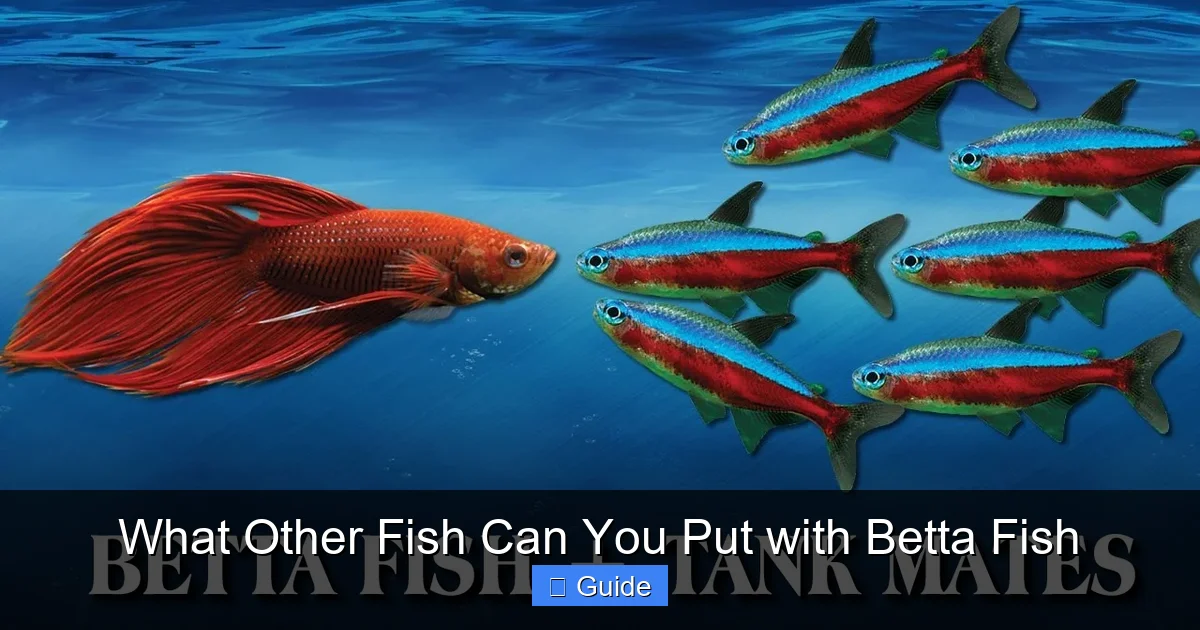
- Small Tetras: Not all tetras are safe. Avoid long-finned or large tetras. Focus on robust, active, small species like Neon Tetras (Paracheirodon innesi), Cardinal Tetras (a larger, redder version), or Ember Tetras (Hyphessobrycon amandae), which are small, orange, and peaceful. Always keep them in groups of 6-10.
- Danios: The Zebra Danio (Danio rerio) is a hardy, active, and fast swimmer. Their speed is their defense. They are bold but generally not aggressive towards other species. They prefer to swim in the top-middle levels, which can sometimes overlap with the betta, but their speed usually prevents conflict. Keep in groups of 6+.
Invertebrates: The Often-Overlooked Option
Many aquarists successfully keep invertebrates with bettas. They occupy a different biological class and are often not seen as a threat (though a hungry betta may see a shrimp as a snack!).
- Snails: Nerite Snails are the gold standard—they have a hard shell, don’t breed in freshwater, and are excellent algae eaters. Mystery Snails (Apple Snails) are also good, but be aware they can be large and produce a lot of waste. Ramshorn Snails and Rabbit Snails are good, but they may reproduce. Snails are almost always safe from a betta.
- Shrimp: This is more variable. Amano Shrimp (Caridina multidentata) are large (2+ inches), hardy, and excellent algae cleaners; they are the most likely to survive. Ghost Shrimp and Cherry Shrimp (Neocaridina davidi) are smaller and colorful. A curious betta may eat them, especially young shrimp. Success depends on the individual betta. Provide dense planting (Java moss, Java fern) for shrimp to hide. Start with a small group of shrimp to test the waters.
- African Dwarf Frogs: A true aquatic frog (not to be confused with the terrestrial African Clawed Frog). They are peaceful, odd-looking creatures that stay at the bottom. They can be successfully kept with bettas, but they have specific needs (easy-to-eat foods, can be outcompeted for food). Research their care thoroughly.
Species to Avoid: The Danger List
Just as important as knowing who *can* work is knowing who absolutely *cannot*. These fish are guaranteed to cause stress, injury, or death for either the betta or the tankmate.

Visual guide about What Other Fish Can You Put with Betta Fish
Image source: happybettafish.com
Other Bettas
Never house two male bettas together. They will fight to the death. Female bettas can sometimes be kept in sorority tanks (5+ females in a large, heavily planted tank), but this is an advanced setup with high risk of bullying and death. It is not recommended for beginners. Do not house a male and female together long-term unless you are prepared for constant breeding and potential violence.
Fancy, Long-Finned Fish
As mentioned, anything that looks like a rival betta is a target. This includes Fancy Guppies (especially males with large caudal fins), Siamese Algae Eaters (some have similar body shapes), and other colorful, flowing-finned fish like some Goldfish varieties (which also have incompatible temperature and waste requirements).
Fin-Nippers and Boisterous Fish
These fish have a habit of taking bites out of flowing fins, which can lead to fatal infections for your betta. The classic examples are Tiger Barbs and Serpae Tetras. While they are beautiful, their boisterous, nippy nature makes them terrible betta tankmates. Some Danio species like the Leopard Danio can also be nippy. Always research a species’ reputation for fin-nipping.
Large or Aggressive Fish
Never house a betta with any cichlid (even “dwarf” cichlids can be territorial), large catfish that might view the betta as food, or any fish that is known to be aggressive or will outgrow the tank and eat the betta. The betta is a relatively small, slow-swimming fish with delicate fins—it is prey in many situations.
Creating the Perfect Betta Community Tank Setup
Your tank’s physical environment is just as important as the fish you choose. A perfect setup can make a borderline betta tolerant, while a poor setup will make even a peaceful betta aggressive.
Tank Dimensions and Stocking
Prioritize a long or “long” tank over a tall, skinny one. A 20-gallon long provides much more horizontal swimming space than a 20-gallon tall, which is better for establishing territories. Follow the “one inch of fish per gallon” rule loosely, but heavily favor the betta’s need for space. A common formula for a 20-gallon betta community: 1 Betta + 6-8 small tetras/rasboras + 6-8 corydoras. This is a safe, well-stocked, but not overcrowded setup.
The Power of Plants and Décor
Live plants are your best friend. They improve water quality, provide natural hiding spots, and break up sight lines. You don’t need a complex aquascape. Use hardy, easy plants like Java Fern, Java Moss, Anubias, Amazon Swords, and floating plants like Duckweed or Frogbit (which the betta will love building bubbles under). Silk or live plants are mandatory; avoid sharp plastic plants that can tear a betta’s delicate fins.
Décor is critical. Use rocks, driftwood, and ceramic or resin caves to create a complex landscape. The goal is to ensure that at no point can a betta see the entire length of the tank in a straight line. Every fish should have a place to hide if chased. Include open swimming spaces in the middle and top, but also plenty of nooks and crannies.
Filtration and Heating
Choose a filter with a gentle flow. Bettas originate from still waters and have delicate fins. A strong current will stress them out. Sponge filters are excellent for betta tanks, providing gentle biological filtration without a current. Canister filters or hang-on-back filters can often have their flow adjusted or baffled with a sponge. The tank must be fully cycled (established nitrogen cycle) before adding any fish. A reliable heater is essential to maintain a stable tropical temperature of 78-80°F.
The Introduction Process: Patience is a Virtue
How you introduce your betta to its new tankmates is as important as the selection itself. Rushing this process is a recipe for disaster.
Quarantine First
Always quarantine any new fish (and plants) in a separate hospital tank for at least 2-4 weeks before adding them to your main display tank. This prevents the introduction of diseases or parasites that could devastate your entire ecosystem. This step is often skipped but is a hallmark of responsible fishkeeping.
The “Add Betta Last” Method (For New Setups)
If you are building a brand new community tank, the safest method is to set up and fully cycle the tank. Then, add all of the peaceful community fish first (the tetras, corydoras, etc.). Let them establish their territories and routines for a week or two. Finally, introduce the betta. By the time the betta is added, the other fish are “at home” and less likely to be seen as invaders by the betta, who will now be the new arrival. The betta is less likely to claim the entire tank as his own if other fish are already there.
Using a Divider (For Existing Tanks)
If you have an existing, peaceful community tank and want to add a betta, use a tank divider. Place the divider in the tank, allowing water flow but no visual contact. House the betta on one side for a week. This lets all fish get used to each other’s presence and scent without physical interaction. After a week, you can try removing the divider and monitor closely for several hours. Have a backup plan (a separate hospital tank) ready in case of immediate, severe aggression.
The First 72 Hours: Vigilant Observation
After any introduction, watch the tank obsessively for the first few days. Look for:
- Chasing: A betta chasing a tankmate relentlessly to the point of exhaustion.
- Fin-nipping: Look for torn, shredded, or bloody fins on any fish.
- Hiding: If one fish (especially a tankmate) is permanently hidden and not eating, it is stressed and will likely perish.
- Flaring: Constant gill flaring from the betta indicates high stress/aggression.
If you see persistent, harmful chasing, you must be prepared to separate the betta. Have a hospital tank or a divider ready. Sometimes, a betta just won’t accept tankmates, and that’s okay. His well-being and safety come first.
Conclusion: A Rewarding but Delicate Balance
Keeping a betta fish in a community tank can be one of the most rewarding experiences in the aquarium hobby. Watching a curious betta investigate a school of neon tetras or peacefully coexist with a herd of corydoras is a joy. However, it is a balance built on knowledge, preparation, and careful observation. Remember the core principles: a spacious, heavily planted tank, the selection of peaceful, non-threatening species that occupy different tank levels, and a slow, methodical introduction process.
Your betta is an individual. What works for one may not work for another. Start with the safest, most recommended pairings like a betta with a school of harlequin rasboras and a group of corydoras in a 20-gallon long tank. This combination has a high success rate and provides a beautiful, active display. If it goes well, you can consider adding another compatible species later. If it fails, you’ll have learned a valuable lesson about your specific betta’s personality and can house him solo in a beautiful, planted paradise. The goal is always a stress-free, thriving environment for every creature in your aquatic world.
Frequently Asked Questions
Can I put a female betta with a male betta?
No, not as permanent tankmates. Male and female bettas will breed, but the male is highly likely to become aggressive toward the female, especially if she is not ready to spawn, which can lead to injury or death. For breeding, a separate, heavily planted spawning tank is used with close supervision, and the pair is separated immediately after spawning.
Are snails and shrimp safe with all bettas?
Snails (like nerites or mystery snails) are almost always completely safe due to their hard shells and different biology. Shrimp are more of a gamble. A peaceful, well-fed betta in a large, heavily planted tank may ignore adult shrimp like Amanos. However, many bettas will see small shrimp (like cherry shrimp) as a tasty snack. There is no guarantee, so introduce shrimp with caution and plenty of hiding places.
How many tankmates should I get for my betta?
For schooling fish like tetras or rasboras, always get a proper school of at least 6, with 8-10 being ideal. This keeps them secure and focused on each other. For corydoras catfish, a group of 5 or more is essential for their well-being. Never get a single “companion” fish for your betta; a lone fish will be stressed and is more likely to be targeted.
Can I put my betta in a planted community tank without other fish?
Absolutely. A well-planted, appropriately sized tank (5+ gallons) with a filter and heater is a wonderful, low-stress home for a single betta. It eliminates all risk of aggression and allows you to focus on creating a beautiful, thriving ecosystem specifically for him. Many bettas are perfectly happy and healthy as solo fish.
What are the first signs my betta is stressed by a tankmate?
Look for constant flaring (gills extended), frantic chasing of a specific fish, loss of appetite, hiding for long periods, faded or stressed coloration, and torn or shredded fins (either on the betta or the tankmate). If you see these signs, especially persistent chasing, you need to intervene and likely separate the fish.
My betta flares at his reflection in the glass—is that a problem?
Flaring at a reflection is common and not usually harmful in the short term. It’s a natural territorial response. However, constant, prolonged flaring can cause stress. You can minimize it by using a background on the tank’s outside walls, ensuring the tank is well-lit on the inside but not from the outside, and providing plenty of plants and décor to break up the reflection. It’s less concerning than flaring at a real fish.