Are Bloodworms Good for Betta Fish
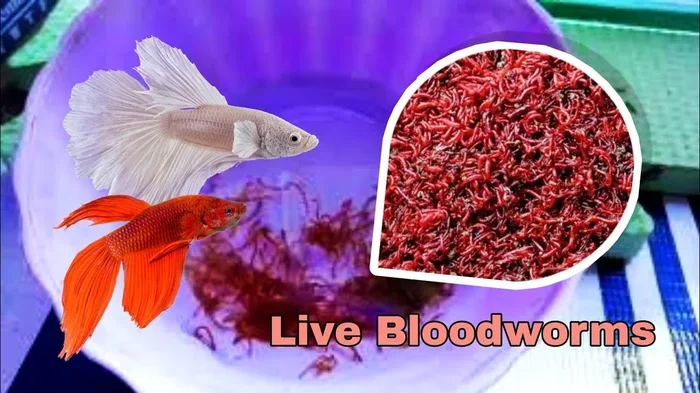
Are bloodworms good for betta fish? Yes, they are a protein-rich treat that most bettas love. Bloodworms can boost your betta fish diet with essential nutrients, but they should be fed in moderation as part of a balanced betta fish food routine. This guide covers everything you need to know about feeding bloodworms safely.
If you own a betta fish, you have probably wondered whether bloodworms are good for betta fish. These small, wriggly creatures are one of the most popular treats in the aquarium world. And for good reason — bettas go crazy for them.
But here is the real question: are they actually healthy? Can you feed bloodworms every day? What happens if your betta eats too many? In this guide, we will answer all of these questions and more. By the end, you will know exactly how to use bloodworms to improve your betta fish diet without any risks.
Bloodworms are not actually worms at all. They are the larvae of midge flies, and they are packed with protein. For carnivorous fish like bettas, they are a natural and exciting food source. Let us dive into everything you need to know.
Key Takeaways
- Bloodworms are safe and nutritious: They provide high-quality protein that supports betta fish health and energy.
- Three types exist: Live, frozen, and freeze-dried bloodworms each have unique benefits and drawbacks.
- Feed in moderation: Overfeeding bloodworms can cause digestive issues and bloating in bettas.
- Use as a treat, not a staple: Bloodworms should complement a balanced diet of pellets and other foods.
- Watch for allergic reactions: Some bettas may refuse bloodworms or show adverse reactions after eating them.
- Proper preparation matters: Always rinse and thaw frozen or freeze-dried bloodworms before feeding.
📑 Table of Contents
- What Are Bloodworms and Why Do Bettas Love Them?
- Are Bloodworms Good for Betta Fish? The Short Answer
- Benefits of Feeding Bloodworms to Betta Fish
- Risks and Dangers of Overfeeding Bloodworms
- How to Feed Bloodworms to Your Betta Fish
- Bloodworms vs. Other Betta Fish Treats
- Common Mistakes People Make When Feeding Bloodworms
- Expert Insights on Bloodworms and Betta Health
- How Bloodworms Fit Into a Complete Betta Fish Diet
- Conclusion
What Are Bloodworms and Why Do Bettas Love Them?
Bloodworms get their name from their bright red color. They contain hemoglobin, which gives them that distinctive look. Bettas are natural hunters. They love live food that moves, and bloodworms trigger that instinct perfectly.
There are three main types you can buy:
- Live bloodworms: These are the most natural option. They move in the water and stimulate your betta’s hunting behavior.
- Frozen bloodworms: These are flash-frozen to preserve nutrients. They are convenient and widely available.
- Freeze-dried bloodworms: These are dehydrated and shelf-stable. They are the easiest to store and use.
Each type has its pros and cons. Live worms are the most nutritious but harder to find. Freeze-dried options are convenient but less nutrient-rich. Frozen bloodworms hit a sweet spot between nutrition and ease of use.
Nutritional Value of Bloodworms
Bloodworms are protein-rich and contain important amino acids. They also provide small amounts of fats and some vitamins. For a betta fish diet, protein is essential. Bettas are carnivores by nature, so they thrive on protein-heavy foods.
However, bloodworms alone do not offer complete nutrition. They lack certain vitamins and minerals that bettas need for long-term health. This is why they work best as a supplement, not a main meal.
Are Bloodworms Good for Betta Fish? The Short Answer
The short answer is yes. Bloodworms are good for betta fish when fed correctly. They provide a protein boost that supports muscle growth, vibrant color, and overall energy levels. Most bettas will eagerly accept bloodworms as part of their betta fish food rotation.
But there is a catch. Bloodworms are high in fat and low in certain nutrients. Feeding them too often can lead to problems. Think of bloodworms like candy for your betta. A little bit is fine. Too much is bad.
Here is what happens when you feed bloodworms the right way:
- Your betta gets a protein boost that supports healthy growth.
- The movement of live or frozen worms encourages natural hunting behavior.
- Your betta stays mentally stimulated and active.
- The variety in diet helps prevent picky eating habits.
Benefits of Feeding Bloodworms to Betta Fish
There are several real benefits to adding bloodworms to your betta’s diet. Let us look at the top advantages.
1. High Protein Content
Betta fish need a diet that is rich in protein. In the wild, they eat insects, larvae, and small crustaceans. Bloodworms closely mimic this natural diet. The protein-rich content helps your betta build and maintain strong muscles.
If you have ever noticed your betta looking a little dull or sluggish, a protein boost from bloodworms might help. Many betta owners report brighter colors and more energy after adding bloodworms as an occasional treat.
2. Easy to Digest
Compared to some other fish foods, bloodworms are relatively easy to digest. This makes them a good option for bettas with sensitive stomachs. Just make sure you are not overfeeding, as even easy-to-digest food can cause problems in large quantities.
3. Great for Training and Bonding
Bloodworms are excellent for training your betta. Many owners use them to teach their fish to eat from their hand or to respond to feeding signals. The movement of the worms grabs your betta’s attention immediately.
This bonding experience is one of the hidden joys of keeping bettas. Watching your fish get excited at feeding time is genuinely fun.
4. Appetite Stimulant
If your betta is being picky or refusing to eat, bloodworms can work as a powerful appetite stimulant. The strong smell and movement of the worms often trigger even the most stubborn eaters to start feeding.
Risks and Dangers of Overfeeding Bloodworms
Now for the important part. Feeding too many bloodworms to your betta can cause real problems. Understanding these risks is just as important as knowing the benefits.
1. Overfeeding and Obesity
Bloodworms are calorie-dense. If you feed them too often, your betta can become overweight. An overweight betta will have a swollen belly and may struggle to swim properly. This can shorten your betta’s lifespan significantly.
A good rule of thumb: treat bloodworms as an occasional snack, not a daily meal. Feed them no more than twice a week.
2. Digestive Issues
Too many bloodworms can lead to constipation and bloating. Betta fish have small digestive systems. They cannot process large amounts of fatty food easily. If you notice your betta bloating or not pooping regularly, cut back on bloodworms immediately.
3. Nutritional Imbalance
When bloodworms make up too much of the diet, your betta misses out on other essential nutrients. A varied betta fish diet should include pellets, flakes, and other protein sources like brine shrimp or Omega One shrimp pellets. Relying too heavily on one food type creates gaps in nutrition.
4. Water Quality Problems
Uneaten bloodworms decay quickly in the tank. This can spike ammonia levels and harm your betta. Always remove any uneaten worms within a few minutes of feeding. Clean water is essential for betta health.
How to Feed Bloodworms to Your Betta Fish
Feeding bloodworms correctly is simple, but a few tips make a big difference. Follow these steps for the best results.
Step 1: Choose the Right Type
For most betta owners, frozen bloodworms are the best choice. They retain good nutrition, are easy to store, and are simple to prepare. If you want the most natural experience, live bloodworms work well but are harder to source.
Freeze-dried bloodworms are fine as an occasional option, but soak them in tank water before feeding. This prevents them from expanding in your betta’s stomach, which can cause bloating.
Step 2: Prepare the Worms Properly
If you are using frozen bloodworms, take a small portion out and let them thaw in a little tank water. Never use hot water, as it destroys nutrients. For freeze-dried worms, soak them for a minute or two before offering them to your betta.
Step 3: Feed the Right Amount
Less is more. For a single betta, 2 to 3 bloodworms per feeding is plenty. Watch your fish eat them within 2 to 3 minutes. If there are leftovers, remove them right away to protect water quality.
Step 4: Establish a Feeding Schedule
Feed bloodworms no more than once or twice per week. On other days, stick to high-quality pellets or a balanced betta fish food mix. This keeps your betta healthy and prevents the risks of overfeeding.
Quick Tips for Feeding Bloodworms
- Always rinse frozen bloodworms before feeding.
- Never feed bloodworms straight from the freezer.
- Use a feeding ring to contain the worms in one spot.
- Watch your betta during feeding to make sure they eat safely.
- Rotate bloodworms with other treats like brine shrimp or daphnia.
Bloodworms vs. Other Betta Fish Treats
Bloodworms are popular, but they are not the only option. Let us compare them to other common treats so you can make the best choice for your betta.
| Treat | Protein Level | Ease of Use | Best For |
|---|---|---|---|
| Bloodworms | High | Easy | Occasional protein boost |
| Brine Shrimp | Moderate | Easy | Daily or frequent treats |
| Daphnia | Moderate | Easy | Digestive health |
| Mosquito Larvae | High | Moderate | Natural hunting stimulation |
| Betta Pellets | Balanced | Very Easy | Staple daily food |
| Flakes | Moderate | Very Easy | Budget-friendly option |
As you can see, bloodworms are excellent for an occasional protein boost. But for daily feeding, you should rely on quality pellets or a balanced mix. Many betta owners alternate between pellets and treats like flakes or pellets to keep their fish healthy and well-nourished.
Common Mistakes People Make When Feeding Bloodworms
Even experienced betta owners make mistakes with bloodworms. Here are the most common errors to avoid.
Mistake 1: Feeding Too Much Too Often
This is the number one mistake. Bloodworms feel like a treat, so it is tempting to give them every day. But daily feeding leads to obesity, bloating, and nutritional gaps. Stick to a strict schedule of once or twice a week.
Mistake 2: Not Removing Uneaten Worms
Bloodworms decompose fast. If your betta does not finish them within a few minutes, the leftover worms will pollute the water. Use a small net or turkey baster to remove uneaten food promptly.
Mistake 3: Relying on Bloodworms as a Staple Food
Bloodworms are a supplement, not a complete food. They do not contain all the vitamins and minerals your betta needs. Always pair them with a quality staple food that provides balanced nutrition.
Mistake 4: Skipping the Thawing Step
Feeding frozen bloodworms straight from the freezer can shock your betta’s system. Always thaw them first in a small amount of tank water. This also helps release the smell that attracts your betta to eat.
Expert Insights on Bloodworms and Betta Health
Veterinary aquarists and experienced betta breeders generally agree on one thing: bloodworms are safe and beneficial when used correctly. The key is moderation and variety.
Dr. Jessie Sanders, a certified aquatic veterinarian, often advises that no single food should make up more than 10 to 20 percent of a betta’s diet. Bloodworms fit perfectly into that range as an occasional treat. The rest should come from nutritionally complete staple foods.
Many professional breeders also rotate bloodworms with other protein sources. This ensures their bettas receive a wide range of nutrients while staying interested in their food. A bored betta is a picky betta, and variety keeps feeding time exciting.
If you want to go deeper into your betta’s nutritional needs, consider exploring what other foods work well alongside bloodworms. For a comprehensive look at betta fish food options, check out guides on the best pellets, flakes, and live foods available.
How Bloodworms Fit Into a Complete Betta Fish Diet
A healthy betta fish diet is built on variety. Bloodworms should be one small piece of a larger puzzle. Here is what a balanced weekly feeding plan might look like:
- Monday: High-quality betta pellets
- Tuesday: Fasting day (no food)
- Wednesday: Bloodworms (2 to 3 worms, thawed)
- Thursday: Betta pellets or a mix with brine shrimp
- Friday: Fasting day
- Saturday: Bloodworms or frozen daphnia
- Sunday: Betta pellets
This schedule gives your betta the protein boost from bloodworms twice a week while keeping the staple pellets as the foundation of the diet. Fasting days help prevent overfeeding and give the digestive system a rest.
Remember, every betta is different. Some fish are more active and need more food. Others are less active and do well on smaller portions. Watch your betta’s body condition and adjust accordingly. A healthy betta should have a streamlined body, not a round, bloated belly.
If you are curious about whether other foods are safe or beneficial, many resources cover topics like are snails good for betta fish tanks, are live plants safe for betta fish, and are water filters necessary for betta fish. Building a well-rounded tank environment starts with good nutrition and extends to all aspects of betta care.
Conclusion
So, are bloodworms good for betta fish? The answer is a clear yes. Bloodworms are good for betta fish when you use them as an occasional treat. They provide a valuable protein boost, stimulate natural hunting behavior, and make feeding time more exciting for your fish.
But moderation is everything. Feed bloodworms no more than twice a week, prepare them properly, and always remove uneaten food. Pair bloodworms with a balanced staple diet of quality pellets and other protein sources to keep your betta healthy and thriving.
Your betta fish will thank you with vibrant colors, energetic swimming, and a happy, healthy life. Keep learning, keep experimenting, and most importantly, enjoy the process of being a great betta fish owner.
Frequently Asked Questions
Can I feed bloodworms to my betta every day?
No, you should not feed bloodworms every day. They are high in protein and fat, and daily feeding can lead to obesity, bloating, and nutritional imbalances. Stick to feeding bloodworms once or twice a week as an occasional treat alongside a balanced staple diet.
Are live bloodworms better than frozen or freeze-dried ones?
Live bloodworms are the most natural and nutritious option, but they are harder to find and store. Frozen bloodworms offer a great balance of nutrition and convenience. Freeze-dried worms are the easiest to store but have lower nutrient content. Any of the three types work well when fed in moderation.
How many bloodworms should I feed my betta at once?
Feed 2 to 3 bloodworms per session for a single betta. Watch your fish eat them within 2 to 3 minutes. If there are leftovers, remove them immediately to prevent water quality issues. Less is always more when it comes to treating your betta.
Can bloodworms cause constipation in betta fish?
Yes, feeding too many bloodworms can cause constipation and bloating in bettas. Their small digestive systems cannot process large amounts of fatty food easily. If your betta appears bloated or is not pooping regularly, reduce bloodworm treats and feed high-fiber foods like daphnia to help digestion.
What other protein-rich treats can I give my betta besides bloodworms?
Great alternatives include brine shrimp, daphnia, mosquito larvae, and omega one shrimp pellets. These options provide variety and balanced nutrition. Rotating between different treats ensures your betta receives a wide range of nutrients and stays interested in feeding time.
Are bloodworms safe for betta fry and baby bettas?
Yes, bloodworms are safe for betta fry, but they should be given in very small amounts. Baby bettas have tiny stomachs, so offer just one or two small pieces of thawed frozen bloodworm. Make sure the pieces are small enough for the fry to eat easily without choking.