Betta fish are not warm‑blooded; they are cold‑blooded tropical fish that rely on their environment to regulate body temperature. Understanding this key fact helps you provide the right water temperature, lighting, and habitat, ensuring your betta thrives.
Key Takeaways
- Betta fish are cold‑blooded: they cannot generate internal heat and depend on water temperature.
- Optimal range is 76‑82°F (24‑28°C): staying within this window supports metabolism, color, and immune health.
- Temperature fluctuations stress bettas: rapid changes can cause disease, loss of color, and erratic behavior.
- Heaters and thermometers are essential: a reliable submersible heater and an accurate thermometer keep conditions stable.
- Warm‑blooded myths stem from bright colors: vivid hues are a result of genetics and diet, not internal heat.
- Proper tank setup aids temperature control: size, lid, and live plants all influence heat retention.
- Understanding metabolism helps feeding: warmer water speeds digestion, so adjust portions accordingly.
📑 Table of Contents
- Introduction: Warm Blood? Not Quite
- What Does “Warm‑Blooded” Really Mean?
- Betta Fish Biology: The Cold‑Blooded Truth
- How Temperature Affects Betta Health
- Setting Up the Perfect Temperature-Controlled Home
- Common Myths About Betta Warmth
- Practical Tips for Maintaining Ideal Temperature
- Connecting Temperature to Overall Betta Care
- Conclusion: Warm‑Blooded? No. But Perfectly Content With the Right Heat
Introduction: Warm Blood? Not Quite
If you’ve ever watched a betta flare its fins and wondered how it stays so vibrant, you might have asked yourself, “are betta fish warm blooded?” The short answer is no. Betta fish, like all other fish, are ectothermic, meaning they rely on the temperature of their surroundings to control their body heat.
Knowing that bettas are cold‑blooded changes the way you care for them. It tells you why a heater is a must‑have, why a sudden dip in room temperature can make your fish hide, and why you’ll see a dramatic color shift when the water gets too cold.
What Does “Warm‑Blooded” Really Mean?
Endothermy vs. Ectothermy
Warm‑blooded animals are endothermic. They produce heat internally through metabolism, keeping a relatively constant body temperature regardless of the environment. Mammals and birds are classic examples.
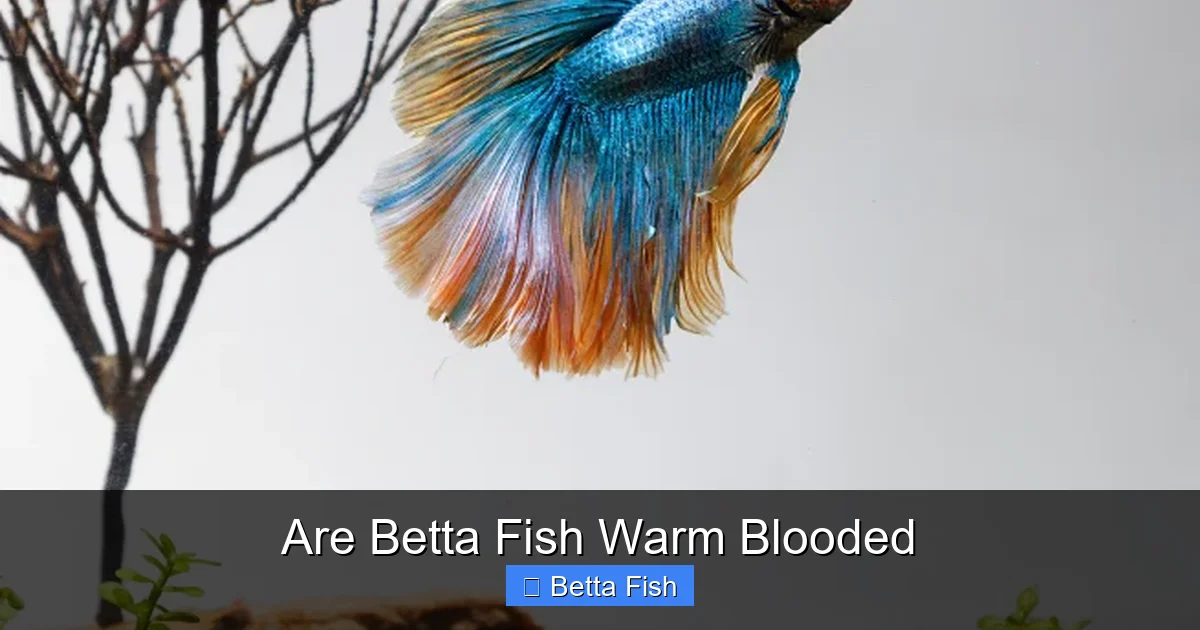
Visual guide about Are Betta Fish Warm Blooded
Image source: petaquariums.com
Why Fish Are Ectothermic
Fish are ectothermic (cold‑blooded). Their body temperature matches the water they live in. This isn’t a flaw—it’s an adaptation that lets them thrive in a wide range of habitats, from icy mountain streams to tropical ponds.
Betta Fish Biology: The Cold‑Blooded Truth
Natural Habitat and Temperature
Betta fish (Betta splendens) originate from the shallow, warm waters of Southeast Asia—think rice paddies, slow‑moving streams, and flooded fields. In the wild, water temperatures rarely dip below 76°F (24°C). This consistent warmth is why bettas have evolved to expect a similar range in captivity.

Visual guide about Are Betta Fish Warm Blooded
Image source: petshun.com
Metabolism and Color
Metabolic processes in bettas speed up in warmer water. Faster metabolism means brighter colors, more active swimming, and quicker digestion. When the water cools, metabolism slows, colors can fade, and the fish may become lethargic.
How Temperature Affects Betta Health
Immune System and Disease
Cold water weakens a betta’s immune response, making it more vulnerable to common ailments like fin rot and ich. Maintaining the proper temperature helps keep the immune system robust.
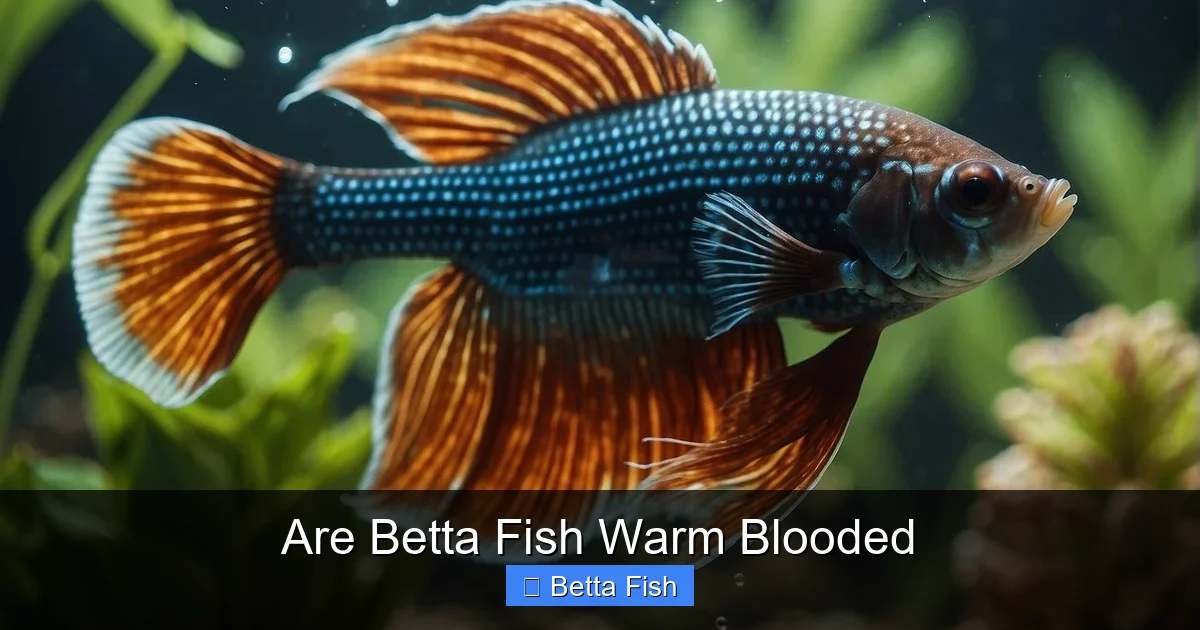
Visual guide about Are Betta Fish Warm Blooded
Image source: koala.sh
Behavioral Changes
- Cold water: reduced activity, hiding, and loss of appetite.
- Ideal range: active flaring, frequent surface visits, and vibrant displays.
- Over‑heating: rapid breathing, loss of equilibrium, and possible death.
Reproduction
Warmer water stimulates breeding behaviors. If you’re hoping to raise fry, keep the tank at the higher end of the range (around 80‑82°F). For a calm, non‑breeding environment, aim for the middle of the range.
Setting Up the Perfect Temperature-Controlled Home
Choosing the Right Heater
A submersible, adjustable heater is the safest choice. Look for a model with a thermostat that can be set between 75‑84°F. Avoid “plug‑and‑play” heaters without temperature controls; they can cause dangerous spikes.
Thermometers: Your Temperature Guardian
Digital stick‑on or floating thermometers give instant readings. Check the temperature at least twice a day, especially after seasonal changes or power outages.
Tank Size and Insulation
While bettas are often sold in tiny bowls, a 5‑gal (19‑liter) tank provides a more stable thermal environment. Larger water volume changes temperature more slowly, reducing stress.
Live Plants and Heat Retention
Live plants like Anubias or Java fern not only improve water quality but also help retain heat. They act as natural insulators, especially in a well‑covered tank.
Common Myths About Betta Warmth
Myth 1: Bright Colors Mean Warm‑Blooded
Vivid hues are a genetic trait, amplified by diet and lighting. They have nothing to do with internal heat production.
Myth 2: Betta Fins Keep Them Warm
The elaborate fins are for display and maneuverability, not thermoregulation. In fact, large fins can make a betta more susceptible to temperature shock.
Myth 3: Room Temperature Is Sufficient
Typical indoor temperatures (68‑72°F) are below the optimal range for bettas. Without a heater, the fish will experience chronic stress.
Practical Tips for Maintaining Ideal Temperature
Tip 1: Use a Timer for Heater Checks
Set a daily reminder to verify the heater is on and the thermostat reads correctly. A quick visual check can prevent catastrophic failures.
Tip 2: Avoid Direct Sunlight
Sunlight can cause rapid temperature spikes, especially in small tanks. Place the aquarium away from windows or use a sheer curtain.
Tip 3: Prepare for Power Outages
Keep a battery‑back‑up heater or a small insulated box with a warm water bottle ready for emergencies.
Tip 4: Seasonal Adjustments
In winter, raise the heater setting a degree or two. In summer, ensure the room stays cool with a fan or air‑conditioner to avoid overheating.
Connecting Temperature to Overall Betta Care
Understanding that bettas are not warm‑blooded ties directly into other care aspects. For example, knowing they need stable heat helps answer questions like are betta fish nocturnal—they are more active when the temperature is stable, regardless of light cycles. Likewise, a proper temperature setup makes it easier to see why bettas are considered easy to care for when the basics are right.
Conclusion: Warm‑Blooded? No. But Perfectly Content With the Right Heat
Betta fish are fascinating, vibrant, and surprisingly resilient, but they are definitely not warm‑blooded. Their health, color, and behavior all hinge on a stable, warm environment that mimics their natural tropical waters. By investing in a reliable heater, monitoring temperature daily, and providing a suitably sized tank, you give your betta the best chance to flourish.
Remember, the secret isn’t a hidden internal furnace—it’s a well‑maintained aquarium that keeps the water consistently within 76‑82°F. Follow these guidelines, and your betta will reward you with dazzling displays for years to come.
Frequently Asked Questions
Are betta fish warm‑blooded?
No. Betta fish are ectothermic (cold‑blooded) and rely on the water temperature to regulate their body heat.
What temperature range is best for bettas?
The ideal range is 76‑82°F (24‑28°C). Staying within this window supports healthy metabolism, vivid coloration, and strong immunity.
Can I keep a betta without a heater?
Only if your room stays constantly within the optimal range, which is rare. Most indoor environments are too cool, so a heater is strongly recommended.
How often should I check the water temperature?
Check at least twice daily, and more often after any power outage or seasonal change.
Will a larger tank help keep the temperature stable?
Yes. Larger volumes of water change temperature more slowly, reducing stress from sudden fluctuations.
Do bright colors mean my betta is healthy?
Bright colors usually indicate good health and proper temperature, but they are primarily a result of genetics and diet, not internal warmth.

