How Do I Know If My Betta Fish Is Eating
Knowing how do i know if my betta fish is eating is essential for keeping your fish healthy and happy. Watch for key signs like active feeding behavior, consistent food intake, and a healthy appetite during meal times. If your betta stops eating or shows disinterest in food, it could signal stress, illness, or water quality problems that need immediate attention.
Key Takeaways
- Watch for your betta fish to swim to the surface and eagerly accept food.
- A healthy betta appetite means your fish finishes meals within two to three minutes.
- Check for uneaten food sinking to the bottom, which signals your betta is not eating.
- Feed small portions twice daily to keep your betta interested and actively eating.
- Look for a smooth, rounded belly as a clear sign of regular eating.
- Notice changes in eating behavior early, as this often indicates stress or illness.
📑 Table of Contents
- What Normal Betta Fish Eating Looks Like
- Clear Signs Your Betta Fish Is Eating Properly
- How to Watch and Track Your Betta’s Eating Habits
- Common Reasons a Betta Fish Won’t Eat
- How to Encourage Your Betta Fish to Eat
- When to Worry About Your Betta Fish Not Eating
- Final Thoughts on Betta Fish Eating Habits
What Normal Betta Fish Eating Looks Like
So you want to know how do I know if my betta fish is eating? Great question. Understanding your betta fish eating behavior is one of the most important parts of being a responsible betta fish owner. These little guys have unique feeding habits, and once you learn what normal looks like, you will spot problems fast.
Betta fish are natural hunters. In the wild, they spend hours chasing down tiny insects and larvae near the water surface. This means they are built to eat small amounts often. A healthy betta fish feeding routine usually involves eating a few small meals each day. They are not grazers like some other fish. Instead, they go after food with purpose and speed.
When your betta fish eats normally, you will notice a few clear signs. First, your fish will swim up to the top of the tank when food drops in. The betta fish appetite should be strong and eager. They will take food into their betta fish mouth quickly and swallow it within a few seconds. Their betta fish activity level during mealtime is high and alert.
Here is what a healthy betta fish eating habits pattern looks like:
- Your fish swims to the surface eagerly when you approach the tank
- They snap up food within one or two seconds
- They eat all the food you offer within two to three minutes
- After eating, they return to normal swimming and exploring
- Their belly looks slightly rounded but not bloated
If this sounds like your fish, you are doing great. Keep reading to learn more about the signs that confirm your betta is getting enough food.
Clear Signs Your Betta Fish Is Eating Properly
Knowing the signs of a healthy betta fish food intake helps you catch problems early. Let us break down what to look for every day.
Body Condition and Shape
A well-fed betta fish has a rounded but not bloated body. Their betta fish nutrition shows through their body shape. If your fish looks slim and hollow, they might not be eating enough. On the other hand, if their belly looks puffy and tight, you might be dealing with betta fish overfeeding.
Look at your fish from above. A healthy body shape is oval and smooth. The scales should lie flat against the body. Any signs of pinecone-like scales or extreme puffiness could point to health issues beyond just eating.
Consistent Mealtime Behavior
One of the best ways to answer the question how do I know if my betta fish is eating is to watch their behavior at mealtimes. A betta fish that eats properly will always come to the surface when they see food. They know the routine. They get excited.
Watch for these betta fish feeding behavior markers:
- Quick and aggressive strikes at food
- Eating all offered food within two to three minutes
- No food left floating on the surface after meals
- Returning to normal activity after eating
Healthy Digestion and Waste
You might not love this part, but checking your betta fish digestion is important. Normal waste is a sign that food is moving through their system properly. Look at the substrate in your betta fish tank. Small, regular waste particles mean your fish is eating and digesting food well.
If you see no waste for a full day or two, your fish might not be eating at all. On the flip side, long strings of waste could mean they are eating too much or the wrong type of food.
Energy and Color
A betta fish that eats well has bright colors and plenty of energy. Their betta fish behavior should include active exploring, flaring at their reflection now and then, and building bubble nests (for males). Good betta fish care includes feeding the right diet, and that shows in their overall look.
How to Watch and Track Your Betta’s Eating Habits
Watching your betta fish might seem simple, but there is a right way to do it. You need a system to truly understand your fish’s betta fish mealtime patterns. Here is how to do it.
Set Up a Feeding Schedule
Consistency is key. Feed your betta at the same times every day. Most betta fish diet experts recommend two meals per day, about twelve hours apart. Some experienced keepers even do one meal a day with a fasting day once a week. This mimics their natural eating patterns and keeps them healthy.
Try to feed your fish during the same hours each day. Bettas adjust their internal clock quickly. If you feed at 8 AM and 8 PM every day, your fish will start swimming to the surface a few minutes before those times. That is how you know they are hungry and ready to eat.
Use a Feeding Log
This is a step most people skip, but it works. Keep a simple log of what and how much you feed your betta each day. Note the time, the type of food, and how much they ate. This helps you spot trends and problems fast.
Time the Meal
Drop the food and start a timer. A healthy betta fish should finish eating within two to three minutes. If food is left after five minutes, you are probably giving too much. Uneaten food also pollutes your betta fish bowl or tank, which leads to other problems fast.
Common Reasons a Betta Fish Won’t Eat
If your betta fish is not eating, it can be scary. But there are many reasons this happens, and most of them are fixable. Let us walk through the most common ones so you can figure out what is going on with your fish.
Overfeeding and Food Quality
One of the biggest mistakes new betta fish owner make is overfeeding. This actually causes the fish to stop eating. A full belly means no hunger. Overfeeding also leads to bloating and constipation, which makes eating painful. If you suspect this is the problem, skip a meal or two and see if your fish gets hungry again.
Food quality matters too. Old or stale betta fish pellets lose their appeal. Your fish can tell. They might refuse old food because it smells wrong or has lost its nutritional value. Always check the expiration date and store food in a cool, dry place.
Stress and Environment Changes
Bettas are sensitive creatures. Any change in their environment can cause stress. Moving the tank, adding new decorations, changing the water temperature, or introducing tank mates can all make your fish stop eating. Stress affects their betta fish appetite big time.
New fish especially struggle. If you just brought home a betta fish and they are not eating right away, give them time. A betta fish fasting period of one to two days after a move is normal. They need to settle in first.
Illness and Disease
Sometimes a loss of appetite is the first sign of sickness. If your betta fish suddenly stops eating and also shows other symptoms like lethargy, clamped fins, or discoloration, you need to act fast. Common illnesses that affect eating include:
- Swim bladder disorder
- Fin rot
- Fungal infections
- Parasites
For more details on spotting sickness early, check out our guide on how can I tell if my betta fish is sick. Early action saves lives.
Wrong Food Type
Not all food is created equal. Some bettas are picky eaters. They might prefer one type of food over another. If you switched brands or food types recently, your fish might simply not like the new option. Try going back to their previous food or experiment with different brands and shapes.
How to Encourage Your Betta Fish to Eat
Getting a stubborn betta to eat can feel like a battle. Here are some proven tricks that work.
Try Different Food Types
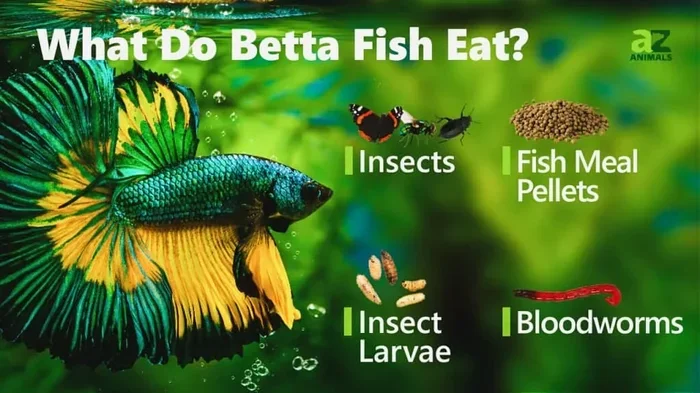
Variety is your best friend. Bettas love variety in their betta fish food preferences. Rotate between high-quality pellets, freeze-dried bloodworms, frozen brine shrimp, and live food when you can. Some fish prefer one type over another. Mixing things up keeps them interested and improves their overall betta fish health.
Warm the Food Slightly
This trick works wonders. Cold food from the fridge can lose its smell. Bettas hunt mainly by scent. Drop the food into a small cup of tank water and let it warm up for a minute before feeding. The smell becomes stronger and more attractive to your fish.
Feed in a Quiet Environment
Loud noises, tapping on the glass, and sudden movements can spook your fish. Try to feed them in a calm setting. Turn off loud music and avoid bumping the tank. A peaceful mealtime makes your fish feel safe enough to come out and eat.
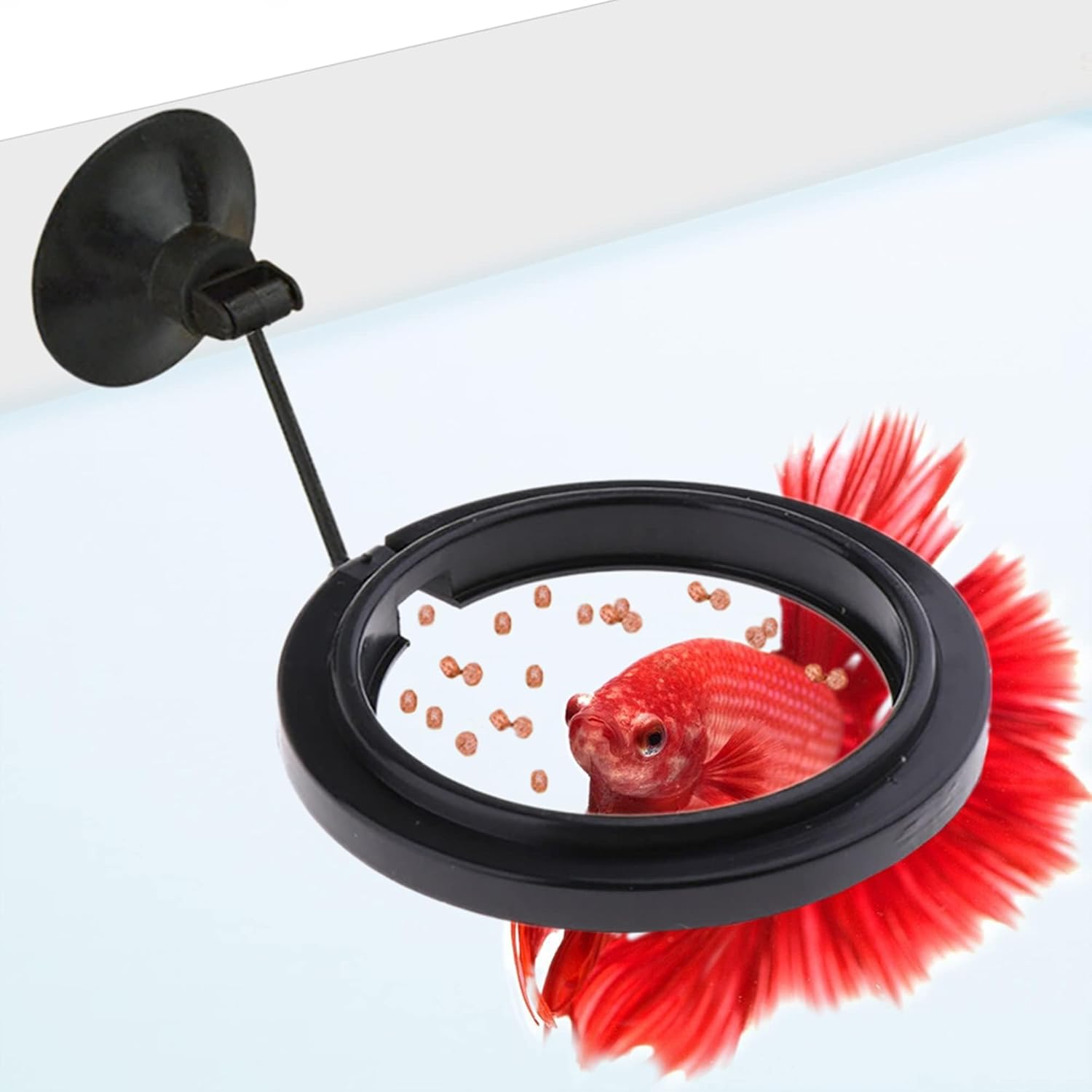
Use a Feeding Tool
Sometimes a betta fish needs a little help. Use tweezers or a feeding tube to drop food right in front of their face. This works especially well for fish that are shy or new to their environment. It takes the guessing game out of finding food.
For more tips on handling feeding challenges, take a look at our article on what to do if my betta fish won t eat. It has practical steps you can use right away.
When to Worry About Your Betta Fish Not Eating
So when does a missed meal become a real problem? Bettas can survive several days without food. A single skipped meal is usually nothing to worry about. But if your fish goes two full days without eating, you need to pay close attention.
The Two-Day Rule
As a general guideline, if your betta fish eating behavior stops for more than two days, start investigating. Check the water temperature first. Bettas need warm water between 76 and 82 degrees Fahrenheit. Cold water slows their metabolism and kills their appetite fast.
Next, check for visible signs of illness. Look at their fins, body shape, and color. Are they acting normal otherwise? If your fish is still active and exploring but just not eating, the problem might be food-related. If they are also lethargic and hiding, it is time to take action.
Comparison: Normal vs. Problem Eating Behavior
Here is a quick reference table to help you tell the difference.
| Behavior | Normal Eating | Problem Eating |
|---|---|---|
| Response to Food | Eagerly swims to surface | Ignores food completely |
| Eating Speed | Finishes in 2-3 minutes | Takes food but spits it out |
| Body Shape | Smooth, rounded oval | Sunken or bloated |
| Activity Level | Active and curious | Lethargic and hiding |
| Waste Production | Regular and normal | None or very long strings |
| Color | Bright and vivid | Dull or faded |
Quick Tips for Betta Fish Eating Health
- Feed small amounts twice a day rather than one large meal
- Always remove uneaten food after five minutes
- Keep your tank water clean and warm at all times
- Rotate food types to keep your fish interested
- Watch your fish daily so you catch changes early
- Do not overfeed even if your fish seems hungry, they can wait
Expert Insight on Betta Fish Feeding
Experienced betta keepers will tell you that patience is the most important tool. If your fish skips a meal, do not panic. Watch their overall behavior. A healthy betta can go three to five days without food without any lasting harm. The real concern starts when appetite loss combines with other symptoms. Always look at the big picture before you worry.
Another expert tip is to always have a backup food plan. Keep a small supply of different food types on hand. If one food type stops working, you can switch immediately without stressing your fish. This simple step makes a huge difference in maintaining your betta fish care routine.
Key Takeaways
- Watch your betta fish during every meal to understand their normal eating pattern
- A healthy betta finishes food within two to three minutes and stays active afterward
- Appetite loss can be caused by overfeeding, stress, illness, or wrong food
- Keep a feeding log and maintain a consistent schedule for the best results
Final Thoughts on Betta Fish Eating Habits
Learning how do I know if my betta fish is eating is a skill every betta owner needs. It takes a little practice and patience, but once you understand your fish’s normal patterns, you will notice problems right away. Watch their behavior at mealtimes, track their food intake, and pay attention to their body condition. These simple habits will keep your betta healthy for years.
Remember, every betta fish is different. Some eat fast, some eat slow. Some love pellets, others prefer live food. The key is to know what is normal for YOUR fish. Once you know that, any change will stand out like a sore thumb. Stay observant, stay consistent, and your betta fish will reward you with a long and happy life. Trust the process and enjoy watching your little friend thrive.
Frequently Asked Questions
How Do I Know If My Betta Fish Is Eating Enough?
Watch for a slightly rounded belly after feeding and observe your betta actively swimming to the surface during mealtime. A healthy appetite and consistent feeding behavior are strong signs your fish is getting enough food.
Why Is My Betta Fish Not Eating?
Loss of appetite in bettas can stem from stress, poor water quality, or illness. If your betta refuses food for more than a few days, check your tank parameters and consider offering a different type of food like frozen brine shrimp or bloodworms.
What Are the Signs of a Healthy Eating Betta Fish?
A betta that is eating well will have vibrant colors, a good appetite, and steady energy levels. You may also notice your fish eagerly swimming to the top of the tank when it’s feeding time and producing regular waste.
How Can I Tell If My Betta Is Swallowing Its Food?
Observe your betta closely during feeding — a healthy fish will grab the food and swallow it within seconds. If you notice food falling to the bottom untouched or your betta spitting it out repeatedly, the food may be too large or your fish may be unwell.
How Often Should I Feed My Betta Fish?
Most experts recommend feeding adult bettas two small meals per day, about 12 hours apart. Overfeeding is a common mistake, so only offer what your betta can consume in two to three minutes to keep digestion and appetite on track.
Can a Sick Betta Fish Lose Its Appetite?
Yes, a sick or stressed betta often stops eating, which is one of the earliest warning signs of illness. If your betta fish is not eating paired with lethargy or faded colors, test the water and consider consulting a fish veterinarian for guidance.