Can Betta Fish Food Eat Tetra Food

Betta fish food and tetra food are formulated for different species, so mixing them can cause nutritional gaps and health issues. While a betta might nibble tetra flakes, it’s not ideal for long‑term feeding; choose a diet that matches your fish’s natural needs.
Key Takeaways
- Understanding can betta fish food eat tetra food: Provides essential knowledge
Quick Answers to Common Questions
Can a betta eat tetra flakes occasionally?
Yes, a betta may nibble on tetra flakes once in a while, but it shouldn’t become a regular part of its diet.
Will tetra food cause constipation in bettas?
Because tetra flakes contain more fiber and less protein, feeding them frequently can lead to constipation in bettas.
How much betta food should I give each day?
Two to three small pellets once or twice daily is enough for most adult bettas.
Is it safe to keep bettas and tetras together?
It can be safe if the tank is large enough, the betta is not overly aggressive, and you provide separate feeding spots.
What live foods are best for bettas?
Bloodworms, brine shrimp, and daphnia are excellent protein‑rich options that bettas love.
📑 Table of Contents
- Introduction: Why the Question Matters
- 1. Nutrition Basics: Betta Food vs. Tetra Food
- 2. Can Betta Fish Actually Eat Tetra Food?
- 3. When Mixing Foods Might Be Acceptable
- 4. Choosing the Right Food for Your Betta
- 5. How to Safely Feed a Mixed Community
- 6. Frequently Overlooked Factors
- Conclusion: Keep It Simple, Keep It Species‑Specific
Introduction: Why the Question Matters
If you’ve ever watched a betta flutter its fins at a floating flake, you might wonder, “Can betta fish food eat tetra food?” The short answer is that bettas can bite at tetra flakes, but they shouldn’t rely on them for nutrition. This article unpacks the science behind the two diets, the risks of cross‑feeding, and practical tips to keep both your betta and any tetra companions healthy.
Understanding the difference between betta and tetra foods is more than a trivia question—it’s the key to preventing poor growth, digestive trouble, and cloudy water. Let’s dive into the details, step by step, just like chatting with a fellow hobbyist over a cup of coffee.
1. Nutrition Basics: Betta Food vs. Tetra Food
1.1 What Betta Food Is Made For
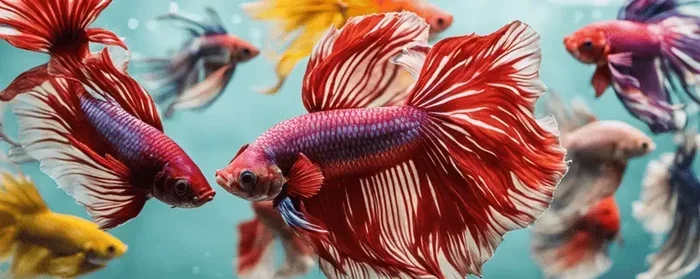
Betta fish are obligate carnivores. In the wild they hunt insects, larvae, and tiny crustaceans. Commercial betta pellets and flakes therefore contain 30‑40% animal protein, plus essential fatty acids, vitamins, and minerals. The texture is often larger and denser, helping bettas develop strong jaws and vibrant fins.

Visual guide about Can Betta Fish Food Eat Tetra Food
Image source: doujin-assets.dmm.co.jp
1.2 What Tetra Food Is Made For
Tetra species (neon tetras, glowlight tetras, etc.) are omnivores that graze on plant matter, algae, and small invertebrates. Their flakes are usually finer, lower in protein (20‑25%) and higher in fiber and plant extracts. This balance supports their delicate digestive systems and bright coloration.
1.3 Key Nutritional Differences
- Protein content: Betta food ~35% vs. Tetra food ~22%.
- Fat sources: Betta diets include fish oil; tetra diets rely on plant oils.
- Fiber: Higher in tetra flakes, which can cause constipation in bettas.
- Size & shape: Betta pellets are larger; tetra flakes are tiny and float.
These differences explain why a betta might enjoy the taste of tetra flakes but not get the nutrients it truly needs.
2. Can Betta Fish Actually Eat Tetra Food?
2.1 Short‑Term Curiosity
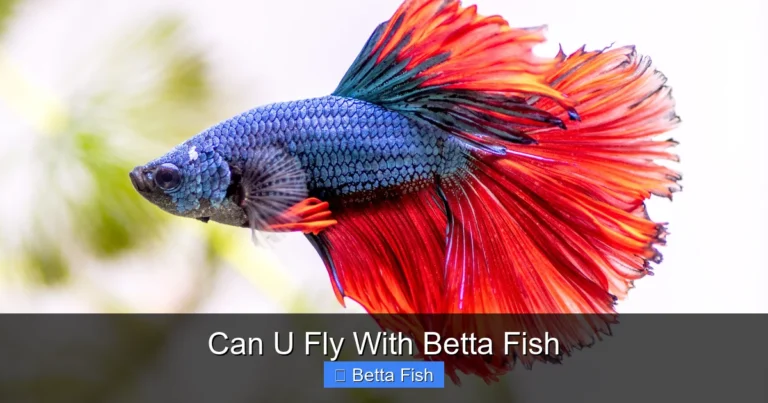
Betta fish are opportunistic feeders. If tetra flakes drift near the surface, a betta will often snap at them. This “snacking” behavior is normal and doesn’t immediately harm the fish. However, the betta’s digestive tract isn’t adapted to break down the higher plant content found in tetra food.
Visual guide about Can Betta Fish Food Eat Tetra Food
Image source: lee.hpplus.jp
2.2 Long‑Term Feeding Risks
Feeding tetra flakes as a primary diet can lead to:
- Protein deficiency: Slower growth, duller colors, and weakened fins.
- Digestive upset: Constipation, bloating, and increased waste.
- Water quality decline: Excess plant matter decomposes, raising ammonia.
In short, while a betta can physically eat tetra food, it’s not a sustainable or healthy choice.
3. When Mixing Foods Might Be Acceptable
3.1 Feeding Mixed Tanks
If you keep bettas and tetras together (which requires careful tank planning), you’ll need a feeding strategy that satisfies both. In such cases, offering a small amount of betta pellets alongside tetra flakes works, but you must observe each fish’s response.

Visual guide about Can Betta Fish Food Eat Tetra Food
Image source: dassault-aviation.com
3.2 Using Live or Frozen Foods as a Bridge
Live foods like daphnia or brine shrimp provide the protein bettas crave and are also acceptable for many tetras. Adding these once or twice a week can reduce the temptation for a betta to over‑eat tetra flakes.
3.3 Practical Tip: The “Two‑Spot” Method
Place betta pellets on one corner of the tank and tetra flakes on the opposite side. This encourages each species to eat its own food and reduces competition.
4. Choosing the Right Food for Your Betta
4.1 Premium Betta Pellets
Look for pellets that list “high-quality fish protein” as the first ingredient. Brands that include guppy or bloodworm extracts mimic a betta’s natural diet.
4.2 Supplementary Options
- Frozen bloodworms: Excellent protein boost.
- Live brine shrimp: Great for conditioning and breeding.
- Betta‑specific flakes: Use sparingly; they’re fine for variety.
4.3 Avoiding Common Mistakes
Do not rely on generic tropical flakes or tetra food as the sole diet. Also, avoid over‑feeding—betas only need 2‑3 pellets once or twice daily.
5. How to Safely Feed a Mixed Community
5.1 Assess Tank Compatibility First
Before mixing a betta with tetras, read our guide on what other fish can live with betta fish. Compatibility reduces stress and feeding aggression.
5.2 Feeding Schedule
1. Morning: Offer a small amount of betta pellets near the surface.
2. Midday: Sprinkle a pinch of tetra flakes on the far side.
3. Evening: Provide a frozen or live treat for the betta.
5.3 Monitoring and Adjusting
Watch for leftover food after 5 minutes. If you see excess flakes, reduce the amount next feeding. Clear water means less waste and healthier fish.
6. Frequently Overlooked Factors
6.1 Water Temperature and Metabolism
Betta metabolism speeds up at 78‑80°F (25‑27°C). In warmer water, they may eat more quickly, increasing the chance they’ll gulp tetra flakes. Keep the temperature stable to control appetite.
6.2 Tank Size and Feeding Zones
Small tanks (under 5 gallons) make it hard to separate foods. A larger tank (10+ gallons) lets you create distinct feeding zones, reducing cross‑eating.
6.3 Health Indicators
Healthy bettas display bright, flowing fins and active swimming. If you notice faded colors, frayed fins, or lethargy, reassess the diet immediately.
Conclusion: Keep It Simple, Keep It Species‑Specific
In the end, the answer to “can betta fish food eat tetra food?” is yes, but only as a brief curiosity, not a staple. Betta fish thrive on high‑protein, animal‑based diets, while tetra food is designed for smaller, omnivorous fish. By feeding each species the right food, monitoring leftovers, and maintaining proper water conditions, you’ll enjoy vibrant colors, strong fins, and a peaceful community tank.
Remember, a little variety is fine, but the foundation of any healthy aquarium is a diet that matches the natural habits of each resident. Happy feeding!
Frequently Asked Questions
Can betta fish food eat tetra food?
Betta fish can physically bite tetra food, but it is not nutritionally suitable for long‑term feeding.
Why is protein important for bettas?
Betas are carnivores; protein supports muscle development, vibrant coloration, and healthy fin growth.
Can I feed my betta only frozen foods?
Frozen foods are great supplements, but a balanced diet should still include high‑quality betta pellets.
What signs show my betta is not getting enough nutrition?
Dull colors, ragged fins, lethargy, and a reduced appetite are common warning signs.
Do tetra fish accept betta pellets?
Some tetras may try betta pellets, but the large size and high protein can be difficult for them to digest.
Where can I learn more about feeding bettas?
Check out our detailed guide What Can Betta Fish Eat for a full list of safe foods and feeding tips.