How Can You Breed Betta Fish

Breeding betta fish requires patience, the right tank setup, and careful attention to water conditions and fish health. You need a separate breeding tank, healthy male and female bettas, and a warm water temperature around 80°F. This guide walks you through every step from preparing your fish to caring for betta fry after they hatch.
So you want to learn how can you breed betta fish at home? Maybe you have been keeping bettas for a while and feel ready to take the next step. Or perhaps you are curious about the fascinating process of betta fish breeding. Either way, you have come to the right place.
Breeding betta fish is one of the most rewarding experiences a fish keeper can have. But it is not as simple as dropping a male and female together and hoping for the best. There is a lot of preparation involved. You need the right tank setup, healthy fish, and a solid understanding of betta behavior. In this guide, we will walk you through every single step.
Whether you are a beginner or have some experience with betta fish care, this article will give you the confidence and knowledge you need. We will cover everything from choosing your breeding pair to raising the fry. Let us dive in.
Key Takeaways
- Set up a dedicated breeding tank: A 5-10 gallon tank with warm water and a sponge filter creates the ideal environment for betta breeding.
- Choose healthy, mature fish: Both male and female bettas should be at least 4-6 months old and show vibrant colors before breeding.
- Watch for the bubble nest: The male betta builds a bubble nest to signal readiness, which is one of the most exciting signs in the breeding process.
- Separate the female after breeding: Removing the female protects her from the male’s aggression once eggs are released.
- Care for betta fry carefully: Feed fry infusoria or baby brine shrimp and keep the water clean for healthy growth.
- Monitor fish health closely: Watch for signs of sickness in both parents and fry to prevent losses during the breeding cycle.
📑 Table of Contents
Understanding Betta Fish Breeding Basics
Before you set up any tank, you need to understand the basics of betta fish breeding. Bettas are known as labyrinth fish, which means they breathe air from the surface. This trait plays a big role in how they breed. Male bettas build bubble nests at the water surface, and the female releases eggs that the male then fertilizes and collects.
The Betta Breeding Cycle
The betta fish breeding cycle follows a fairly predictable pattern. First, the male builds a bubble nest. Then he flares at the female to show his interest. If she is receptive, they will embrace and the female releases eggs. The male gathers the eggs and places them in the bubble nest. After this, the female must be removed because the male can become very aggressive.
This whole process can take anywhere from a few hours to a couple of days. Patience is key. Do not rush things or force the fish together. Let nature take its course.
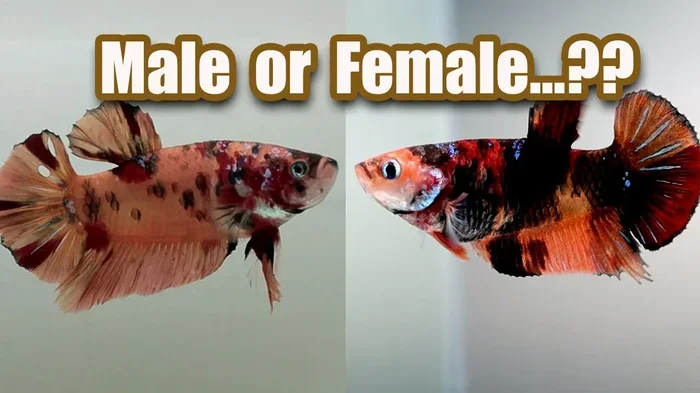
Male vs Female Betta Roles
Understanding the roles of each fish is essential. The male betta does most of the heavy lifting during breeding. He builds the bubble nest, courts the female, fertilizes the eggs, and guards the nest. The female betta’s role is to release healthy eggs. After that, her job is pretty much done.
Here are the key differences to keep in mind:
- Male betta: Builds the bubble nest, courts the female, fertilizes eggs, and guards the fry.
- Female betta: Releases eggs during the breeding embrace and should be removed afterward.
How Can You Breed Betta Fish: Step-by-Step Guide
Now that you understand the basics, let us get into the actual steps. If you have been asking yourself how can you breed betta fish successfully, this section is where it all comes together.
Step 1: Prepare the Breeding Tank
You need a separate tank just for breeding. A 5 to 10 gallon tank works perfectly. Do not use a tank that is too large because the male needs to find the female easily. Fill the tank with water that is about 78 to 80 degrees Fahrenheit. Use a sponge filter to keep the water clean without creating too much current.
Add some floating plants or a spawning mop. These give the female places to hide and help the male attach his bubble nest. Keep the lighting dim because bettas prefer a calm, quiet environment during breeding.
Step 2: Choose Healthy Breeding Fish
Not just any betta fish can breed successfully. Both the male and female need to be healthy and mature. Look for fish that are at least 4 to 6 months old. The male should have bright, vivid colors and a healthy appetite. The female should have a visible egg spot on her underside and a rounder body shape.
If you are unsure about your fish’s health, check out our guide on how can you tell if your betta fish is sick before starting the breeding process.
Step 3: Introduce the Fish Slowly
Do not put the male and female in the same tank right away. Start by placing them in separate containers side by side. This lets them see each other and get used to the presence. After a day or two, if both fish are showing interest, you can introduce the female into the breeding tank.
Watch their behavior closely. The male will flare and build his bubble nest. The female may show vertical stripes on her body, which is a sign she is ready to breed. If the male becomes too aggressive, remove the female immediately.
Step 4: Let the Breeding Happen
Once the female is in the tank, the courtship begins. The male will wrap his body around the female. This is called the breeding embrace. During this embrace, the female releases eggs and the male fertilizes them. This process may repeat several times over a few hours.
After the eggs are released, the male will collect them and place them in the bubble nest. Once you see this happening, remove the female right away. The male can become territorial and may harm her.
Step 5: Care for the Eggs and Fry
The male betta will guard the bubble nest and the eggs for about 24 to 48 hours. During this time, he will repair the nest and pick up any eggs that fall. Once the fry hatch, they will stay in the nest for another day or two before becoming free-swimming.
At this point, you need to remove the male. He may start eating the fry once they are free-swimming. Feed the newborn fry infusoria or liquid fry food for the first few days. As they grow, you can introduce baby brine shrimp. Keep the water clean with small, frequent water changes.
Ideal Tank Conditions for Breeding
Getting the tank conditions right is one of the most important parts of breeding betta fish. If the water quality is poor, your fish may not breed at all, or the eggs may not survive.
| Parameter | Ideal Range |
|---|---|
| Temperature | 78-80°F (25-27°C) |
| pH Level | 6.5-7.0 |
| Tank Size | 5-10 gallons |
| Filter Type | Sponge filter (gentle flow) |
| Lighting | Dim or low light |
| Water Hardness | Soft to moderately hard |
Use a reliable thermometer to monitor the temperature. Sudden temperature changes can stress the fish and ruin the breeding attempt. Also, make sure you use a water conditioner to remove chlorine and other harmful chemicals. If you are wondering about water options, check out our article on can you use tap water in a betta fish tank for more details.
Common Mistakes to Avoid
Breeding betta fish can go wrong quickly if you make common mistakes. Here are some pitfalls to watch out for:
- Skipping the quarantine period: Always quarantine your breeding fish for at least two weeks before introducing them. This prevents the spread of disease.
- Using too large a tank: A breeding tank should be small enough that the male can find the female easily. A tank that is too large causes stress.
- Leaving the female too long: Once the eggs are released, remove the female immediately. Leaving her in the tank can lead to injury or death.
- Feeding the fry too early: Newborn fry cannot eat regular food. Start with infusoria or liquid fry food and graduate to baby brine shrimp after a week.
- Ignoring water quality: Dirty water is the number one killer of betta fry. Perform small water changes every other day to keep conditions pristine.
Raising Betta Fry: What to Expect
Once the fry are free-swimming, your real work begins. Raising betta fry is a delicate process that requires daily attention. The fry are very tiny and sensitive to water changes. Use a turkey baster to remove uneaten food and waste from the tank.
During the first week, feed the fry very small amounts several times a day. Infusoria, vinegar eels, or commercially available liquid fry food work great. After about two weeks, you can start offering baby brine shrimp, which is packed with protein and helps the fry grow strong.
As the fry grow, you can gradually increase the water temperature slightly and start moving them to larger containers. By the time they are about two months old, they will start developing their signature colors and fin shapes. It is truly amazing to watch.
When to Separate the Fry
You should separate the fry from each other once you notice fin development and color differences. Male fry will start showing aggressive behavior as they mature. Keeping them in separate containers prevents fighting and injuries. If you are concerned about fish health during this stage, read our article on how can you tell if your betta fish is pregnant to better understand the early stages.
Expert Tips for Successful Breeding
Here are some expert insights that can make a big difference in your breeding success:
- Use a mirror trick: Placing a mirror near the male betta can stimulate bubble nest building. Just do this for a few minutes, not hours.
- Feed the breeding pair well: Give both fish high-quality live or frozen food like bloodworms and brine shrimp for two weeks before breeding. This conditions them for spawning.
- Keep the environment calm: Avoid loud noises or sudden movements near the breeding tank. Stress can cause the fish to abandon the breeding process.
- Be patient: Not every breeding attempt will be successful. Sometimes the fish need time to adjust. Try again if the first attempt does not work.
If you want to learn more about the overall breeding process, our article on how do you breed a betta fish covers additional details that complement this guide.
Conclusion
Learning how can you breed betta fish is a journey that requires patience, preparation, and care. From setting up the perfect breeding tank to raising healthy fry, every step matters. The key is to create a stress-free environment, choose healthy fish, and monitor conditions closely throughout the process.
Remember that not every breeding attempt will be perfect. Even experienced fish keepers sometimes face challenges. The important thing is to learn from each experience and keep improving your setup. With time and practice, you will become more confident and successful at breeding bettas.
If you are just getting started, start small. Breed one pair at a time and focus on learning their behavior. Over time, you will develop your own techniques and instincts. And that is when the real fun begins. Happy breeding!
Frequently Asked Questions
How long does it take for betta fish eggs to hatch?
Betta fish eggs typically hatch within 24 to 48 hours after the male fertilizes them. The male will keep the eggs in the bubble nest during this time. Once hatched, the fry stay in the nest for another day or two before becoming free-swimming.
Can you breed betta fish in a 1 gallon tank?
While it is technically possible, a 1 gallon tank is too small for breeding. A 5 to 10 gallon tank is the recommended size because it gives the male enough space to build a bubble nest and allows the female to retreat safely. Check out our guide on can you breed betta fish in a 1 gallon tank for more details.
How do you know if your betta fish is ready to breed?
A male betta ready to breed will build a bubble nest at the water surface and flare at the female. A female betta will show vertical stripes on her body and have a visible egg spot on her underside. Both fish should be healthy, active, and at least 4 to 6 months old before breeding.
What should you feed betta fish fry?
Newborn betta fry need very small food like infusoria or liquid fry food. After the first week, you can introduce baby brine shrimp, which is rich in protein and promotes healthy growth. Feed small amounts several times a day and remove uneaten food promptly.
Why does the male betta attack the female after breeding?
The male betta becomes territorial after breeding because he is focused on protecting the eggs and the bubble nest. This aggression is natural and can lead to injury or death of the female if she is not removed quickly. Always remove the female once the eggs are safely in the nest.
Can you breed any two betta fish together?
Not all betta fish can breed successfully. Both fish need to be healthy, mature, and of opposite sexes. Some color and fin type combinations may also be more compatible than others. For more information, read our article on can you breed any two betta fish.