What Are Betta Fish
Betta fish are stunning, hardy freshwater beauties known for their vivid colors and bold personalities. Understanding their natural history, tank requirements, and feeding habits will help you provide a thriving home for these captivating swimmers.
Key Takeaways
- Natural habitat: Betta fish hail from slow‑moving waters of Southeast Asia, thriving in warm, low‑oxygen environments.
- Tank size matters: A minimum of 5 gallons per fish is ideal; larger tanks improve health and display colors.
- Water parameters: Keep temperature between 76‑82 °F, pH 6.5‑7.5, and maintain stable ammonia‑free water.
- Feeding basics: High‑quality betta pellets, occasional frozen or live foods, and limited feeding frequency prevent digestive issues.
- Behavior insights: Males are territorial and display fin‑flaring; females are less aggressive but still benefit from space.
- Health watch: Look for fin rot, velvet, or ich; early treatment prevents loss.
- Enrichment tips: Live plants, caves, and gentle water flow mimic the wild and reduce stress.
📑 Table of Contents
Introduction: Meet the Little Warrior
If you’ve ever walked past a pet store and seen a fish flashing neon blues, reds, or purples, you’ve probably wondered, what are betta fish? These tiny marvels, often called Siamese fighting fish, are more than just pretty decorations. Their story begins in the rice paddies and streams of Thailand, Laos, and Cambodia, where they evolved to survive in warm, shallow waters with very little oxygen.
Today, bettas are beloved companions for beginners and seasoned aquarists alike. Their bold personalities, stunning fins, and relatively low maintenance make them a perfect gateway into the world of fishkeeping. In this guide we’ll explore everything you need to know—from natural history to tank setup, feeding, health, and fun facts—so you can answer the question “what are betta fish” with confidence and give your new friend the best possible home.
1. The Natural History of Betta Fish
Where They Come From
Betta fish belong to the genus Betta, with the most common species being Betta splendens. In the wild, they inhabit slow‑moving streams, swamps, and rice paddies across Southeast Asia. The water is warm (78‑84 °F), slightly acidic, and often rich in organic debris.
Why They Evolved Their Signature Traits
Living in low‑oxygen water forced bettas to develop a unique organ called the labyrinth. This “labyrinth organ” lets them gulp air from the surface, extracting oxygen directly. It’s the reason you’ll see them rise to the top for a breath, even in a well‑filtered tank.
Male bettas also evolved bright colors and elaborate fins to attract mates and intimidate rivals. In the wild, they defend small territories along the water’s edge, flaring their gills and spreading their fins to appear larger.
2. Setting Up the Perfect Home
Choosing the Right Tank Size
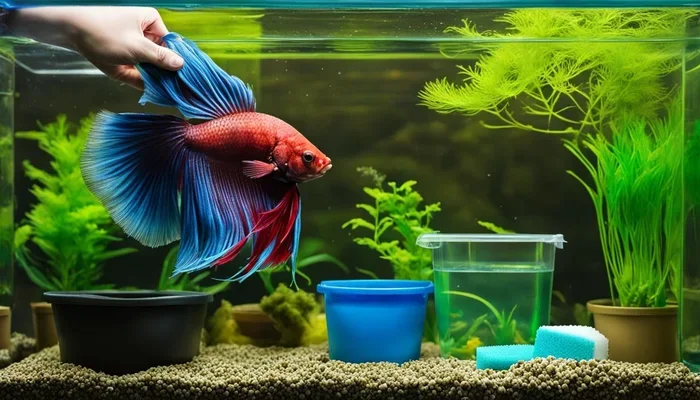
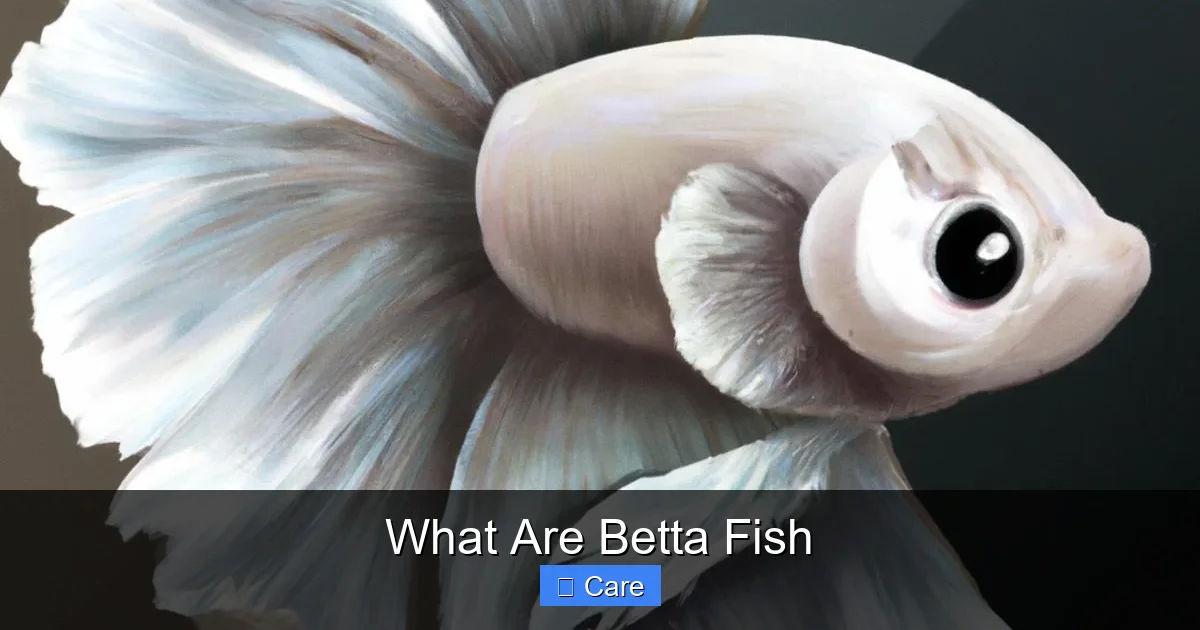
Many beginners think a tiny 1‑gallon bowl is enough, but the answer to “what are betta fish” includes a healthy environment. A minimum of 5 gallons (19 L) gives your fish room to swim, reduces stress, and makes water parameters easier to maintain.
Visual guide about What Are Betta Fish
Image source: infoanimales.net
Substrate and Decoration
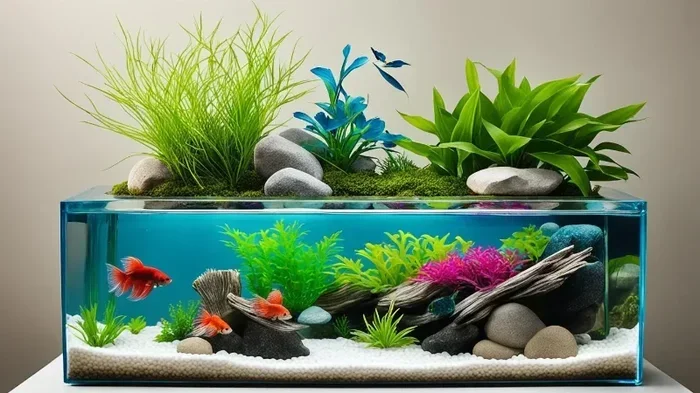
- Substrate: Fine sand or smooth gravel mimics riverbeds and protects delicate fins.
- Plants: Live plants like Java moss, Anubias, or floating duckweed provide cover and improve water quality.
- Hides: Small caves, PVC pipes, or ceramic pots give your betta a place to retreat.
Filtration and Flow
A gentle filter is ideal. Too strong a current will tire a betta, which prefers calm waters. A sponge filter or a low‑flow hang‑on‑back unit works well, and it also supplies surface agitation for the labyrinth organ.
Heating and Lighting
Betta fish are tropical; keep the water between 76‑82 °F (24‑28 °C). An adjustable heater with a reliable thermostat is essential. Lighting should be 8‑10 hours a day, using a dimmable LED to showcase colors without stressing the fish.
3. Water Quality: The Heartbeat of Betta Health
Key Parameters to Monitor
- Temperature: 76‑82 °F (24‑28 °C)
- pH: 6.5‑7.5 (slightly acidic to neutral)
- Ammonia/Nitrite: 0 ppm (any detectable amount is dangerous)
- Nitrate: <10 ppm is ideal
Testing and Maintenance Routine
Invest in a good liquid test kit. Test weekly for the first month, then bi‑weekly. Perform 25‑30% water changes every week, using dechlorinated water that matches tank temperature.
Visual guide about What Are Betta Fish
Image source: a-z-animals.com
Why Stability Beats Perfection
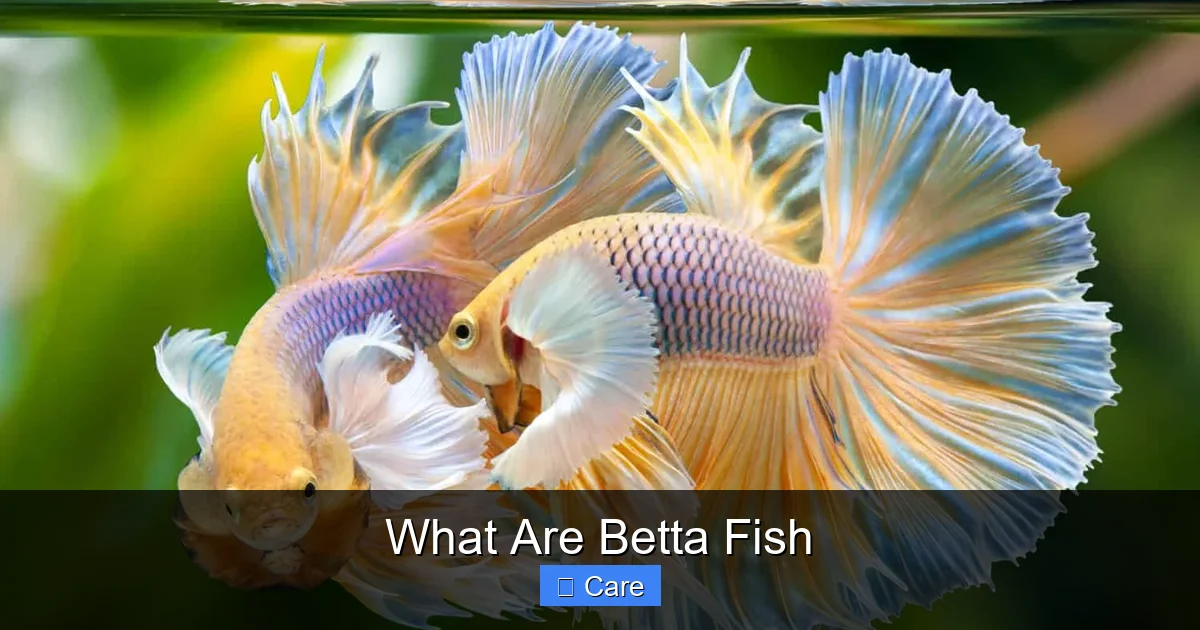
Betta fish tolerate a range of parameters, but sudden swings cause stress. Consistency in temperature and chemistry is more important than hitting exact numbers.
4. Feeding Your Betta: A Balanced Menu
What to Feed
- Pellets: High‑protein betta pellets should be the staple (30‑40% protein).
- Frozen/Live Foods: Brine shrimp, daphnia, or bloodworms once or twice a week add variety.
- Vegetable Matter: Occasionally offer blanched peas to aid digestion.
How Much and How Often
Feed 2‑3 small meals per day, offering only what your betta can consume in 2‑3 minutes. Overfeeding leads to constipation and cloudy water.
Signs of a Healthy Appetite
A healthy betta will actively hunt, display bright colors, and have a rounded belly. Loss of appetite can signal stress or illness.
5. Understanding Betta Behavior
Male vs. Female Temperaments
Male bettas are territorial and love to flare their gills, spread their fins, and sometimes bubble‑nest. Females are less aggressive and can be kept in groups called “sororities” if the tank is spacious (at least 10 gallons) and well‑decorated.
Common Body Language
- Flare: Expands fins and gills to appear larger—usually a sign of confidence or a reaction to a perceived threat.
- Bubble Nest: Males build a floating cluster of bubbles when ready to breed.
- Hovering: A calm betta will hover near the surface to breathe.
Enrichment Ideas
Rotate decorations, add floating toys, or create a “labyrinth” of plants. Gentle interaction, like offering a fingertip for the fish to “kiss,” can build trust.
6. Health Care and Common Problems
Spotting Early Signs of Illness
Look for faded colors, frayed fins, clamped fins, lethargy, or unusual swimming patterns. Early detection makes treatment easier.
Common Diseases
- Fin Rot: Bacterial infection causing ragged fins; treat with antibacterial medication and improve water quality.
- Velvet (Oodinium): Gold‑dust appearance; treat with copper‑based meds and raise temperature to 84 °F for a few days.
- Ich (White Spot): Tiny white dots; increase temperature gradually and use ich medication.
Quarantine and Treatment
Any new fish or plant should be quarantined for 2‑4 weeks in a separate tank. This prevents pathogens from entering the main display.
When to Seek Professional Help
If symptoms persist after 48‑72 hours of medication, consult a vet or experienced aquarist. Avoid over‑medicating, as bettas are sensitive to many chemicals.
Conclusion: Embrace the Betta Journey
Answering “what are betta fish” reveals a creature that is both resilient and stunningly beautiful. By replicating their natural habitat, maintaining stable water, feeding a balanced diet, and understanding their unique behaviors, you give your betta the best chance to thrive. Whether you’re watching a male flare his glorious fins or a sorority of females glide among plants, the reward is a vibrant, interactive pet that brings a splash of color and personality to any home.
Remember, the key to success is patience and observation. Start with a well‑set up tank, keep a regular maintenance schedule, and enjoy the daily wonders of your betta’s world. Happy fishkeeping!
Frequently Asked Questions
What temperature is best for betta fish?
Betta fish thrive in water that is consistently between 76‑82 °F (24‑28 °C). A reliable aquarium heater helps maintain this range.
Can betta fish live alone?
Yes. Male bettas are solitary and should be kept alone to prevent fighting. Females can live in groups if the tank is large enough and well‑decorated.
Do bettas need a filter?
A gentle filter is recommended to keep water clean and provide surface agitation for the labyrinth organ, but it should not create a strong current.
How often should I change the water?
Change 25‑30% of the water weekly, using dechlorinated water that matches the tank’s temperature.
What should I feed my betta?
High‑quality betta pellets are the staple, supplemented with occasional frozen or live foods like brine shrimp, and a small amount of blanched peas for fiber.
How can I tell if my betta is sick?
Watch for faded colors, ragged or clamped fins, lethargy, loss of appetite, or white spots. Early detection and prompt treatment are essential.