Are Betta Fish Soposed to Swim at the Top

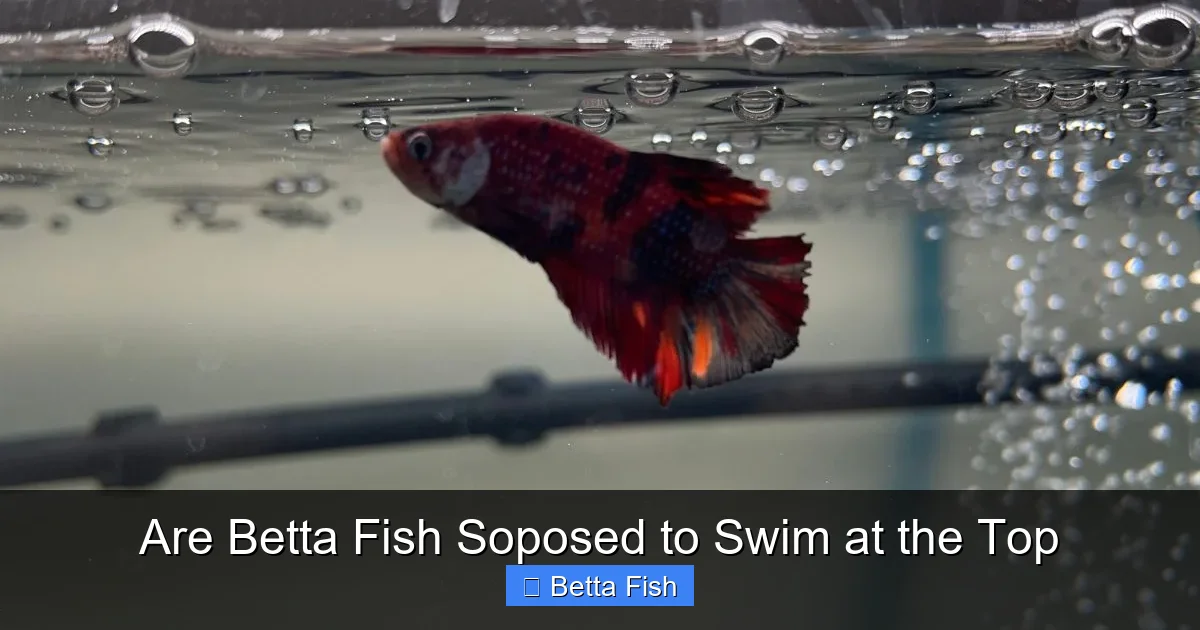
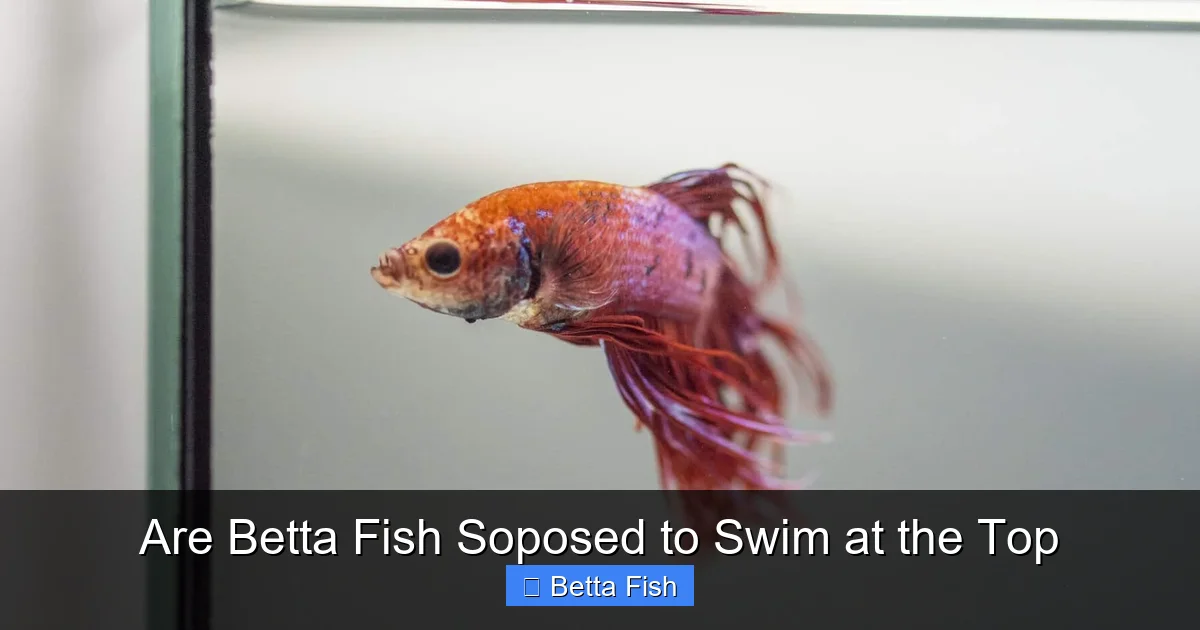
Betta fish naturally spend a lot of time at the water’s surface, but this behavior isn’t a sign of distress. Understanding why they gravitate upward helps you spot real problems, adjust tank conditions, and keep your finned friend thriving.
Key Takeaways
- Natural surface habit: Betta fish are instinctively drawn to the top for breathing and exploration.
- Water quality matters: Poor parameters can force a betta to the surface, signaling stress.
- Tank setup tips: Proper depth, plants, and hiding spots encourage balanced swimming.
- Health checks: Observe swimming patterns to catch swim‑bladder issues early.
- Temperature & oxygen: Warm, well‑oxygenated water reduces excessive surface lounging.
- Behavior clues: When a betta stays at the top all day, it may be bored or ill.
- Internal resources: Learn more about sleep habits, tank setup, and common health problems with our related guides.
📑 Table of Contents
- Introduction: The Curious Case of the Surface‑Dwelling Betta
- 1. What Drives Betta Fish to the Surface?
- 2. When Surface Swimming Is Normal
- 3. Red Flags: When the Surface Becomes a Warning Sign
- 4. Optimizing Your Tank for Balanced Swimming
- 5. Monitoring and Maintaining Health
- Conclusion: Embrace the Surface, but Keep an Eye Out
Introduction: The Curious Case of the Surface‑Dwelling Betta
If you’ve ever watched a betta fish glide near the top of its tank, you might wonder, are betta fish soposed to swim at the top? The short answer is yes—bettas are naturally inclined to explore the upper water column. However, the habit can also hide underlying issues that a new keeper might miss.
In this guide we’ll break down the biology behind the behavior, explore the environmental factors that influence it, and give you practical steps to ensure your betta is healthy, active, and content. By the end, you’ll be able to tell the difference between a happy surface‑lover and a fish that’s signaling distress.
1. What Drives Betta Fish to the Surface?
1.1 Natural habitat and evolutionary roots
Betta fish (Betta splendens) originate from the shallow, slow‑moving waters of Thailand, Malaysia, and Cambodia. In the wild they live among rice paddies, flooded fields, and dense vegetation. These environments are warm, low‑oxygen, and full of surface debris.
Visual guide about Are Betta Fish Soposed to Swim at the Top
Image source: housedpet.com
Because the water is often thin and oxygen‑poor, bettas have evolved a specialized organ called the labyrinth organ. This structure lets them gulp air directly from the surface, supplementing gill respiration. That’s why you’ll see them regularly surfacing to take a “breath.”
1.2 The instinct to explore and hunt
In the wild, the surface is where insects and tiny crustaceans fall. Bettas are ambush predators; they hover near the top, waiting for a snack. Even in a well‑fed aquarium, the instinct remains, so they’ll often glide just below the water line as if scouting for prey.
1.3 Comfort and temperature gradients
Warm water rises. In a properly heated tank, the surface layer can be a few degrees warmer than lower levels. Bettas love warmth, so they may linger near the top to enjoy that cozy temperature pocket.
2. When Surface Swimming Is Normal
2.1 Typical daily patterns
A healthy betta will spend part of the day near the top, dip down to explore decorations, and rest near the bottom or among plants. You might notice a rhythm: active surface cruising in the morning, gentle cruising in the afternoon, and a period of rest near the substrate at night.

Visual guide about Are Betta Fish Soposed to Swim at the Top
Image source: bettafishworld.com
2.2 Sleep behavior
During sleep, many bettas hover just below the surface, floating in a relaxed posture. For a deeper dive into this topic, read our article on Do Betta Fish Sleep At The Top Of The Tank. Knowing the difference between sleep and stress‑induced surface hanging is key.
2.3 Signs of a content top‑dweller
- Bright, flared fins when swimming.
- Curious, inquisitive movements toward decorations.
- Regular feeding response when food is offered near the surface.
- Occasional rests at the bottom, indicating balanced vertical use.
3. Red Flags: When the Surface Becomes a Warning Sign
3.1 Poor water quality
Elevated ammonia, nitrite, or nitrate levels can irritate a betta’s gills, making it gasp for surface air more often. Test your water weekly and keep parameters in these ranges:
Visual guide about Are Betta Fish Soposed to Swim at the Top
Image source: aquariadise.com
- Ammonia: 0 ppm
- Nitrite: 0 ppm
- Nitrate: < 20 ppm
- pH: 6.5 – 7.5
3.2 Low dissolved oxygen
Even though bettas can breathe air, they still need adequate oxygen dissolved in the water. Stagnant water or overcrowding can deplete oxygen, forcing the fish to stay at the top. A gentle air stone or sponge filter adds surface agitation and oxygen without creating a strong current that bettas dislike.
3.3 Swim bladder problems
Swim bladder disease often forces a betta to float uncontrollably at the surface or sink to the bottom. If you notice your fish is unable to control its depth, see our guide on How To Fix Swim Bladder In Betta Fish for treatment steps.
3.4 Temperature stress
Water that is too cold can slow metabolism, making a betta sluggish and prone to staying at the warmest spot—usually the surface. Keep the tank between 76°F and 82°F (24°C – 28°C) for optimal activity.
3.5 Boredom and lack of enrichment
Bettas are intelligent and need stimulation. A barren tank may cause a fish to hover near the top out of sheer monotony. Adding live plants, floating logs, or gentle background music can provide mental enrichment.
4. Optimizing Your Tank for Balanced Swimming
4.1 Choosing the right tank size and depth
While bettas can survive in small bowls, a 5‑gal (19‑liter) tank gives them room to explore vertically. Deeper tanks allow a natural temperature gradient and more space for plants, which encourages the fish to use all water zones.
4.2 Adding plants and décor
Live or silk plants create hiding spots at various heights. Floating plants like Salvinia or Duckweed give a natural surface to rest on, reducing stress. For a curated list of options, check out Where To Buy Live Plants For Betta Fish.
4.3 Filtration and water movement
A low‑flow sponge filter provides gentle circulation without creating a current that a betta might avoid. Position the filter outlet near the back so the surface stays relatively calm, allowing the fish to breathe comfortably.
4.4 Lighting and day‑night cycles
Provide 10‑12 hours of subdued lighting daily. Too much light can make the surface too bright, causing the fish to hide. A simple timer helps maintain consistency, which bettas appreciate.
4.5 Feeding strategies
Offer small portions of high‑quality betta pellets or frozen bloodworms twice daily. To encourage movement, use a feeding ring that floats, prompting the fish to swim up and down to eat.
5. Monitoring and Maintaining Health
5.1 Regular observation checklist
Spend a few minutes each day watching for these signs:
- Active swimming at various depths.
- Full, un‑clamped fins.
- Clear eyes and bright coloration.
- Normal appetite.
- Absence of abnormal floating or sinking.
5.2 Routine water changes
Changing 25‑30% of the water weekly keeps ammonia low and maintains stable parameters. Use a water conditioner to remove chlorine and chloramine.
5.3 When to seek veterinary help
If surface‑only swimming persists for more than 24 hours, or if you notice labored breathing, discoloration, or loss of appetite, consult a fish‑savvy vet. Early intervention can prevent serious disease.
5.4 Related care topics
Understanding the broader aspects of betta care helps you create a well‑rounded environment. Our article Are Betta Fish Easy To Care For covers basics like tank setup, feeding, and health monitoring.
Conclusion: Embrace the Surface, but Keep an Eye Out
In short, yes—are betta fish soposed to swim at the top is a normal part of their natural behavior. Their labyrinth organ, hunting instincts, and love of warm water all draw them upward. However, consistent surface dwelling can also be a red flag for water quality, oxygen, temperature, or health issues.
By providing a spacious, well‑filtered tank with live plants, stable temperature, and regular water changes, you give your betta the freedom to explore all levels of its home. Keep a daily watchful eye, and you’ll quickly learn the subtle cues that separate a content top‑dweller from a fish in distress.
With the right setup and attentive care, your betta will not only thrive at the surface but will also enjoy the full three‑dimensional world you’ve created for it—making every day a vibrant, colorful display of fin‑flying joy.
Frequently Asked Questions
Why does my betta stay at the top all night?
Bettas often rest near the surface while sleeping because the water is warmer there. If they appear lethargic or show other signs of illness, check water quality.
Can low oxygen cause a betta to stay at the surface?
Yes. Even though bettas can gulp air, they still need dissolved oxygen. Adding a gentle air stone can improve oxygen levels and reduce constant surface hanging.
Is it normal for a betta to breathe air from the surface?
Absolutely. Their labyrinth organ is designed for this. Frequent surfacing for air is a sign of a healthy, functional breathing system.
How can I tell if my betta’s surface swimming is stress‑related?
Look for other stress indicators: faded colors, clamped fins, loss of appetite, or rapid gill movement. Combine these clues with water tests to pinpoint the issue.
What tank depth is best for a betta?
A minimum of 5 gallons (19 L) with a depth of at least 12 inches (30 cm) provides enough vertical space for natural swimming and temperature layering.
Do bettas need a heater to stay at the top?
They need a stable temperature of 76‑82 °F (24‑28 °C). A heater ensures the water stays warm, which encourages comfortable surface activity without stress.