Are Betta Fish Solitary or Social
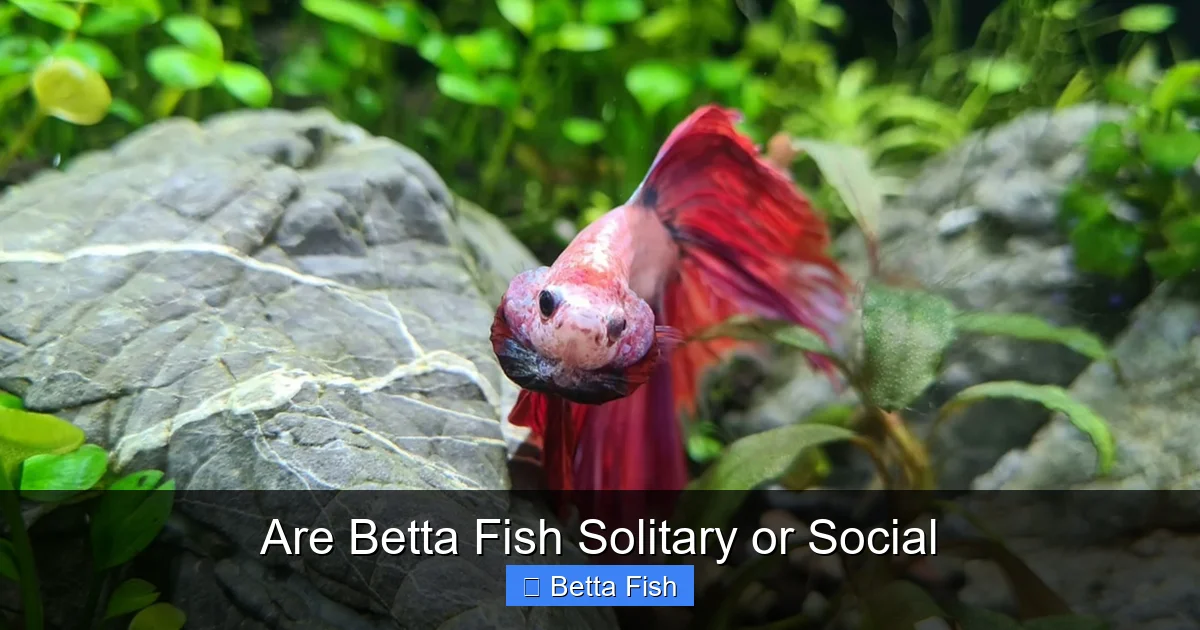
Betta fish are primarily solitary creatures, especially males, but they can show social behaviors when housed correctly. Understanding their natural instincts helps you create a safe environment, whether you keep a single betta or a peaceful community tank.
Key Takeaways
- Male bettas are highly territorial: they usually need their own space to avoid fights.
- Female bettas can tolerate companions: with careful selection, they may live in groups called sororities.
- Tank size matters: a larger, well‑decorated tank reduces stress and aggression.
- Water quality is crucial: clean, warm, and stable water supports calm behavior.
- Observe body language: fins flared, gill covers breathing fast = stress or aggression.
- Alternative tankmates exist: peaceful shrimp, snails, and certain small fish can coexist.
- Proper introduction techniques: gradual visual barriers and monitored meetings prevent sudden battles.
📑 Table of Contents
- Introduction: The Great Betta Debate
- 1. The Natural History of Betta Fish
- 2. Male Betta Behavior: The Lone Warrior
- 3. Female Betta Dynamics: The Sorority Concept
- 4. Choosing Safe Tankmates for Betta Fish
- 5. Environmental Factors That Influence Social Behavior
- 6. Frequently Asked Questions About Betta Sociality
- Conclusion: Balancing Solitude and Community
Introduction: The Great Betta Debate
If you’ve ever stared at a vibrant betta swimming proudly in a tiny bowl, you might wonder: are betta fish solitary or social? It’s a question that confuses many new hobbyists because bettas display both lone‑wolf aggression and occasional curiosity toward other fish.
In this article we’ll untangle the myth, explore the science behind betta behavior, and give you practical tips for setting up a tank that respects their nature. By the end, you’ll know exactly when to keep a betta alone, when a sorority might work, and how to choose safe tankmates.
1. The Natural History of Betta Fish
Where bettas come from
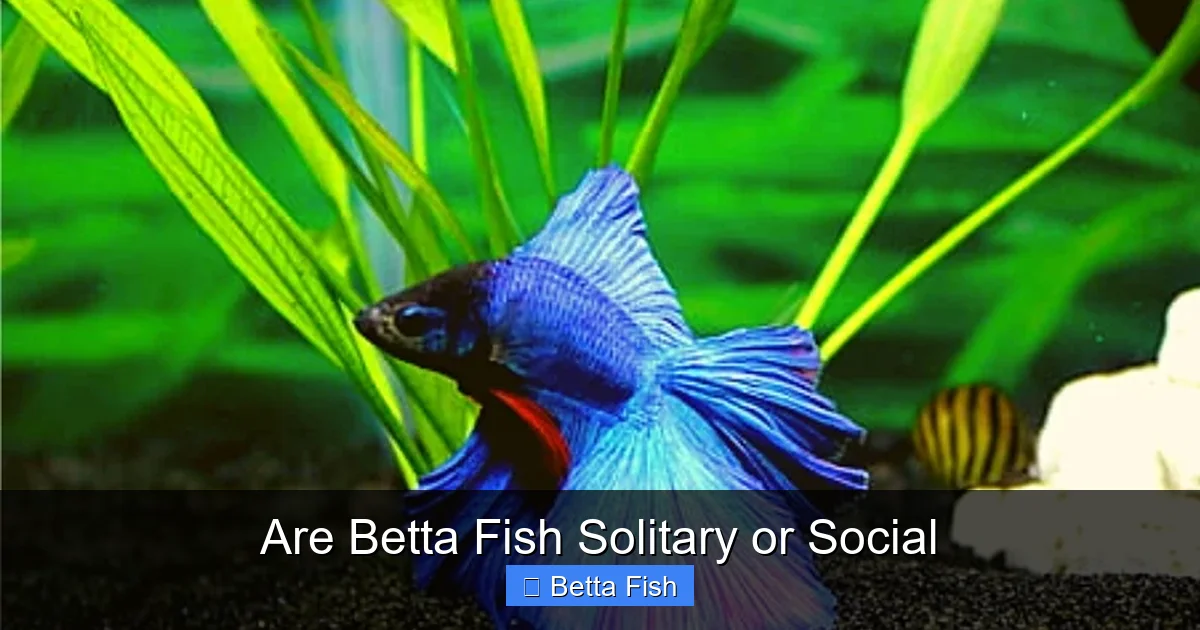
Betta fish, also called Siamese fighting fish, are native to the shallow, slow‑moving waters of Thailand, Cambodia, and Laos. In the wild they live among rice paddies, swamps, and ditches where vegetation provides cover.
Visual guide about Are Betta Fish Solitary or Social
Image source: infishtank.com
Why they evolved to be territorial
Male bettas defend small territories to attract females and protect their breeding sites. Their famous “flaring” display—spreading fins and gill covers—is a warning to rivals. This territorial instinct is why the hobbyist world often keeps males separate.
Social cues in the wild
While males are solitary, females are more tolerant of one another. In natural habitats, several females may share a dense patch of plants, feeding together without constant conflict. This difference is key when deciding if you can keep more than one betta.
2. Male Betta Behavior: The Lone Warrior
Aggression is the rule, not the exception
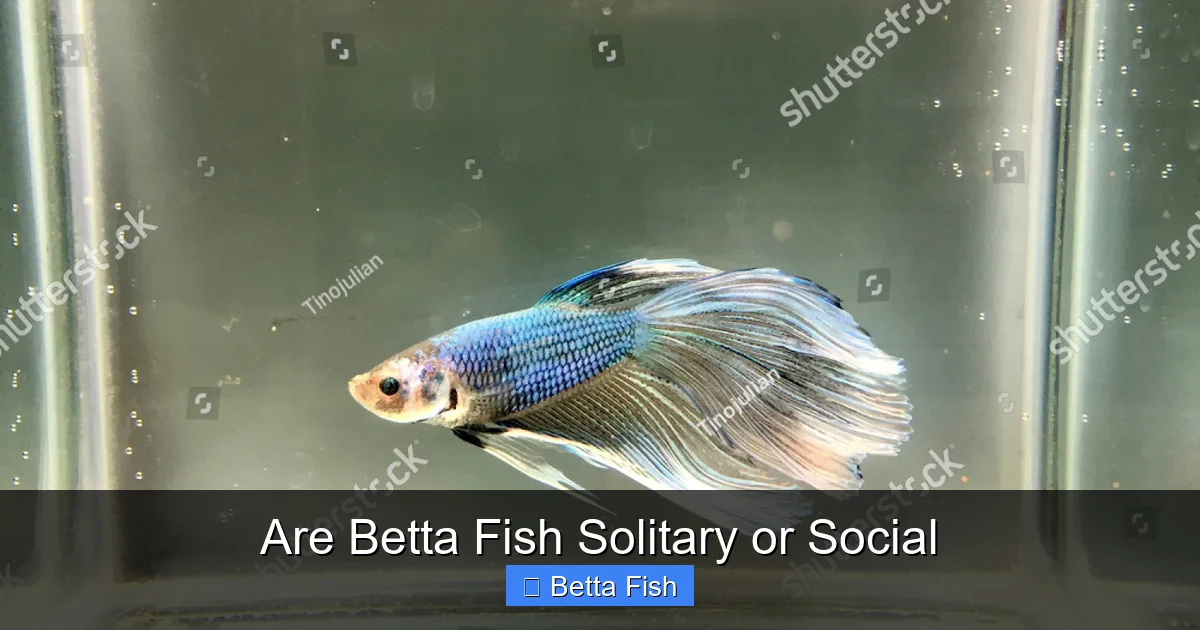
Male bettas are famously aggressive toward other males. Even a glimpse of a rival through a glass can trigger a flare. This is why most experts recommend a single male per tank.
Visual guide about Are Betta Fish Solitary or Social
Image source: image.shutterstock.com
When a male can tolerate a companion
There are rare exceptions—large, heavily planted tanks (20+ gallons) with plenty of visual barriers can sometimes house a male with peaceful, non‑aggressive species. However, the risk remains high, and constant monitoring is essential.
Practical tip: Use a divider
If you must keep two males temporarily (for breeding, for example), a sturdy acrylic divider lets them see each other without direct contact. This reduces stress while still allowing visual interaction.
3. Female Betta Dynamics: The Sorority Concept
What is a sorority?
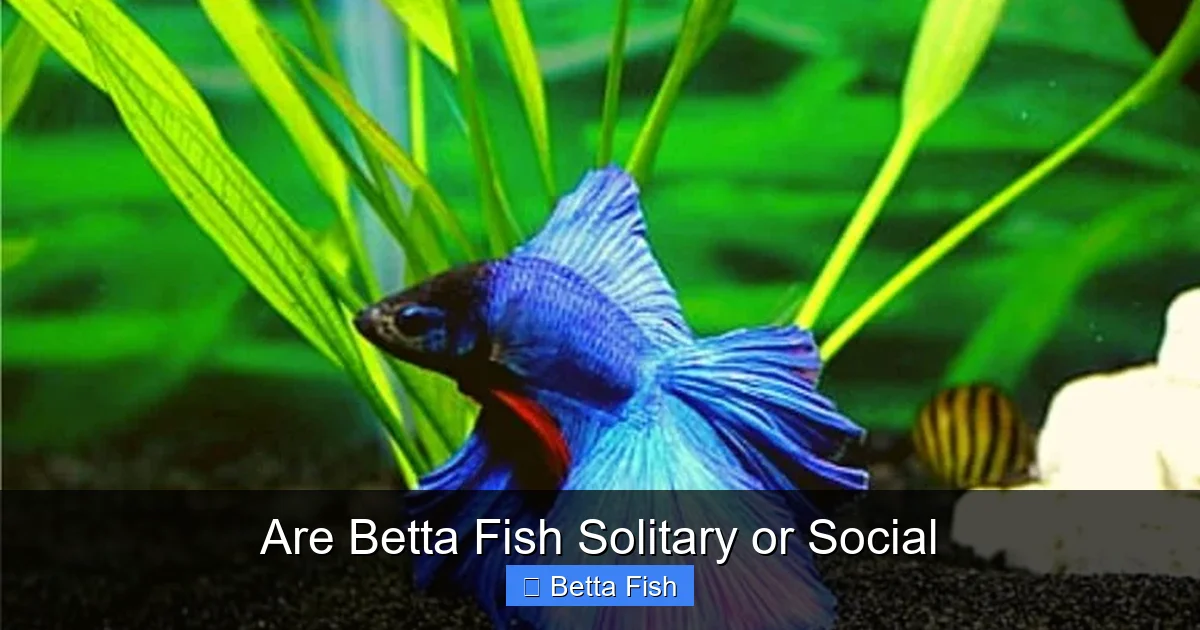
A sorority is a group of 4‑6 female bettas living together in a spacious, heavily planted tank. The key is providing enough hiding spots and visual breaks so each fish can claim a micro‑territory.
Visual guide about Are Betta Fish Solitary or Social
Image source: infishtank.com
Choosing compatible females
Pick females of similar size and temperament. Avoid mixing a very bold female with a shy one; the latter may become stressed and hide constantly.
Setting up a sorority tank
- Tank size: Minimum 20 gallons.
- Plants: Use tall live plants like Java fern or Anubias to break sight lines.
- Decoration: Add caves, driftwood, and silicone‑sealed ornaments for hiding places.
- Water parameters: Keep temperature at 78‑80°F, pH 6.5‑7.5, and maintain stable ammonia and nitrite at 0 ppm.
Watch for early warning signs
Frequent fin nipping, constant flaring, or one fish staying at the bottom are red flags. If aggression spikes, consider removing the aggressor to a separate tank.
4. Choosing Safe Tankmates for Betta Fish
Species that usually get along
Peaceful bottom‑dwelling fish and invertebrates are the safest bets. Examples include:
- Neon tetras (in a larger school, but keep the tank >30 gallons).
- Corydoras catfish – they stay at the bottom and are non‑territorial.
- Cherry shrimp – they are tiny, quick, and rarely noticed.
- Snails such as Nerite or Mystery – they help with algae control.
Species to avoid
Fin‑nipping fish (like guppies or zebra danios), other aggressive males, and large, fast swimmers that out‑compete bettas for food should be avoided. Also, avoid other aggressive betta varieties unless you have a huge, heavily planted aquarium.
How to introduce a new roommate
- Quarantine the newcomer for at least two weeks.
- Float the new tank’s water in the betta’s tank for 30 minutes to equalize parameters.
- Use a clear container or breeding box inside the betta’s tank for the first 24‑48 hours.
- Watch for stress signals before fully releasing the new fish.
5. Environmental Factors That Influence Social Behavior
Tank size and layout
Cramped spaces amplify aggression. A minimum of 5 gallons is recommended for a single male, but 10‑20 gallons is better for a sorority or community tank.
Water quality and temperature
Betta fish thrive in warm, stable water (78‑80°F). Fluctuations cause stress, leading to increased aggression. Regular water changes (20‑30% weekly) keep ammonia low and promote calm behavior.
Lighting and day/night cycles
Betas are not strictly nocturnal, but they do appreciate a consistent light schedule—about 10‑12 hours of light per day. Too much bright light can make them more active and occasionally more territorial.
Enrichment and stimulation
Provide floating logs, live plants, and occasional “mirror” sessions (short 5‑minute exposures) to let your betta exercise its natural display instincts without harming a real fish.
6. Frequently Asked Questions About Betta Sociality
Can I keep a male and a female together?
Only for short periods during breeding. After spawning, the male becomes aggressive and may attack the female, so they should be separated.
Do bettas recognize their owners?
Yes, bettas can learn to associate you with feeding. They may even follow your finger during tank maintenance.
Is it okay to keep bettas in small bowls?
No. Small bowls lack adequate filtration and space, leading to poor water quality and heightened stress. A properly sized tank is essential for any social or solitary setup.
How do I know if my betta is stressed?
Signs include faded colors, clamped fins, rapid gill movement, and constant hiding. Address water parameters and reduce tankmates if needed.
Can bettas be trained?
Yes, simple tricks like “come to the hand” or navigating a maze can be taught using positive reinforcement with food.
Do bettas need a heater?
Absolutely. They are tropical fish and require a stable temperature of 78‑80°F. A reliable aquarium heater is a must.
Conclusion: Balancing Solitude and Community
So, are betta fish solitary or social? The short answer: males are largely solitary, while females can be social under the right conditions. Understanding each fish’s natural instincts lets you create a thriving environment—whether you choose a single‑male showcase tank, a peaceful sorority, or a mixed community with compatible species.
Remember to prioritize tank size, water quality, and plenty of hiding spots. Observe your betta’s behavior daily and be ready to adjust the setup if aggression appears. With thoughtful planning, you can enjoy the dazzling beauty of bettas while respecting their unique social needs.
Frequently Asked Questions
Are betta fish solitary by nature?
Yes, especially male bettas. In the wild they defend small territories and will fight any other male that enters their space.
Can female bettas live together peacefully?
Female bettas can form a “sorority” if the tank is large enough, well‑planted, and provides plenty of hiding spots.
What are the best tankmates for a single male betta?
Peaceful bottom dwellers like Corydoras catfish, snails, or shrimp are safest. Avoid other bright, fin‑nipping fish.
How big should a community tank be for a betta?
At least 20 gallons is recommended when adding other fish, to give each species enough space and visual barriers.
Do bettas need a heater and filter?
Yes. Betta fish are tropical and require stable warm water (78‑80°F) and clean, filtered water to stay healthy.
What signs show my betta is stressed?
Faded colors, clamped fins, rapid breathing, and constant hiding indicate stress and should prompt a water check and tank assessment.