How to Tell If Betta Fish Are Fighting
Knowing how to tell if betta fish are fighting is essential for every fish keeper. Betta fish are territorial, and aggression can lead to serious injury or death. This guide covers the top warning signs, from flaring gills and fin nipping to chasing and color changes, so you can act fast and protect your fish.
Betta fish are beautiful, vibrant, and full of personality. But they also have a fierce side. If you have ever kept bettas, you know they can be surprisingly aggressive. Understanding how to tell if betta fish are fighting is one of the most important skills you can develop as a fish owner.
Fighting among bettas can happen for many reasons. Territory, mates, and stress all play a role. The signs are not always obvious at first. But once you learn what to look for, you will spot them quickly. This article walks you through every sign of betta fish aggression and gives you clear steps to stop it.
Key Takeaways
- Flaring gills and fins: A classic sign of territorial aggression in betta fish.
- Fin nipping and torn fins: Physical damage often means your fish are fighting.
- Chasing and blocking: One fish relentlessly pursuing another is a red flag.
- Color fading and hiding: Stressed fish show behavioral and visual changes.
- Separate tanks are key: Male bettas should never share a tank.
- Early action saves lives: Spotting fighting signs early prevents lasting harm.
📑 Table of Contents
Why Do Betta Fish Fight?
Betta fish, also known as Siamese fighting fish, have been bred for centuries for their fighting instincts. In the wild, males defend their territory fiercely. They flare their gills, spread their fins, and bite rivals to establish dominance. This behavior is deeply wired into their biology.
In captivity, the same instincts remain. Even in a small home aquarium, a betta may see another fish as a threat. Understanding why they fight helps you prevent it. Here are the main reasons bettas become aggressive.
Territorial Behavior
Bettas are highly territorial. They claim a space and defend it against anything that enters. This includes other bettas, other colorful fish, and even their own reflection. A mirror in a tank can trigger constant flaring, which stresses the fish out.
Territorial aggression is the number one cause of fighting. When two bettas share a tank, one will try to dominate. The other will either submit or fight back. There is rarely a peaceful resolution between two males.
Mating and Breeding Aggression
During breeding, male bettas build bubble nests and become extremely protective. If a female enters the tank, the male may chase her aggressively. This is normal breeding behavior, but it can look like fighting. Female bettas can also show aggression during courtship.
Knowing the difference between mating behavior and true fighting is important. A male chasing a female briefly is normal. Constant chasing that causes injuries is not.
Stress and Poor Tank Conditions
Stress is a hidden trigger for aggression. When bettas live in cramped tanks, dirty water, or wrong temperatures, they become irritable. A stressed betta is more likely to lash out at tank mates. Poor water quality raises ammonia levels, which makes fish hostile.
Keeping your tank clean and the right size is one of the best ways to reduce fighting. A stressed fish is an aggressive fish.
How to Tell If Betta Fish Are Fighting
This is the core of the article. Here we break down every sign of betta fish fighting in detail. If you notice any of these signs, take action immediately.
Flaring Gills and Fins
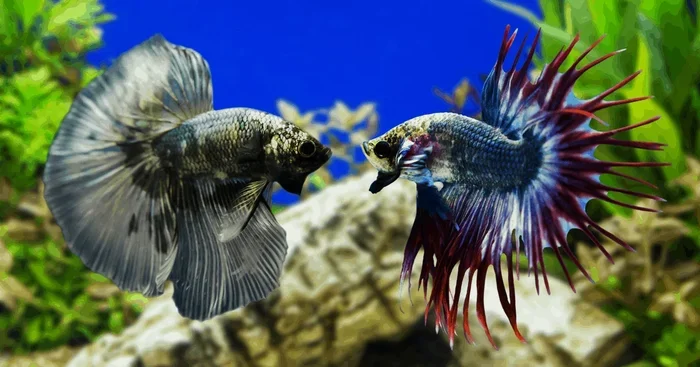
Flaring is the most recognizable sign of aggression. When a betta flares, it spreads its gills and fins wide to look bigger. This is a display of dominance. Occasional flaring is normal. But constant flaring at another fish means trouble.
If you see two fish flaring at each other for long periods, they are likely fighting. Some fish flare at their own reflection too. This still causes stress, even if no physical fight occurs.
Fin Nipping and Torn Fins
One of the clearest physical signs is fin damage. If you notice torn fins, ripped tail fins, or missing fin rays, your fish are likely fighting. Fin nipping happens when one fish bites another repeatedly.
Check your fish fins regularly. Early detection of fin damage helps you separate fish before the injury gets worse. Torn fins can also become infected if left untreated. If you are unsure what caused the damage, check if your fish show other fighting signs.
Chasing and Blocking
A betta that constantly chases another fish is a betta that is fighting. Blocking happens when one fish corners another near the glass or behind decorations. The chased fish has no escape route.
Short bursts of chasing during feeding are normal. But if one fish follows another around the tank nonstop, that is a serious problem. The chased fish will become stressed and may stop eating.
Color Fading and Stress Marks
Stressed bettas lose their bright color. A once-vibrant fish may turn pale or develop horizontal stress stripes. These stripes are a clear sign that your fish is not happy. Stress often comes from being bullied by a tank mate.
If your betta was colorful and now looks washed out, something is wrong. Fighting is a common cause of color fading. The bullied fish loses its shine because of constant stress.
Hiding and Clamped Fins
A fish that hides all the time is likely being bullied. Clamped fins, where the fins stay close to the body, signal fear and stress. A healthy betta holds its fins open and swims confidently. A fish that constantly hides near the heater or in corners is not feeling safe.
If you notice one fish hiding while another patrols the tank, the hiding fish is probably the victim of aggression. This is a common pattern in fighting bettas.
Biting and Physical Contact
This is the most severe sign. When fish bite each other, injuries happen. You may see bite marks on fins, tails, or even scales. Physical contact during fights can cause open wounds.
If you witness actual biting, separate the fish immediately. Betta fish fights can escalate quickly. What starts as flaring can turn into serious injury within minutes.
Male vs Female Betta Fighting
Not all betta fights look the same. Male and female bettas show different aggression patterns. Understanding these differences helps you respond correctly.
Male Betta Aggression
Male bettas are the most aggressive. They are the ones bred specifically for fighting in Southeast Asia. Two males will almost always fight if placed in the same tank. They flare, chase, and bite without mercy.
Male bettas will also attack fish that look similar to them. Bright-colored fish with long fins may trigger territorial responses. This is why choosing the right tank mates matters so much.
Female Betta Aggression
Female bettas can fight too, especially in groups. A group of females is called a sorority. While they can sometimes live together, they still establish a pecking order. Dominant females may bully weaker ones.
Signs of female aggression include chasing, fin nipping, and guarding food. If you keep female bettas together, watch them closely for the first few weeks. Remove any fish that are being targeted.
How to Stop Betta Fish from Fighting
Prevention is always better than treatment. Here are proven ways to stop betta fish from fighting.
Provide Enough Space
A cramped tank causes stress and aggression. A single betta needs at least a 5-gallon tank. If you keep multiple fish, go bigger. More space means more territories, which reduces conflict.
Add Hiding Spots
Plants, caves, and decorations give fish places to retreat. When a chased fish has somewhere to hide, it feels safer. Live plants also break up lines of sight, which reduces flaring and chasing.
Feed Separately
Food competition triggers aggression. Feed each fish separately to make sure everyone eats enough. Use a feeding ring or target feeding to avoid food-related fights.
Remove Aggressive Fish
If one fish is bullying others, remove it. A temporary divider or a separate tank can protect the victim. Do not try to wait out aggression. It rarely resolves on its own.
Check Water Parameters
Clean water reduces stress. Test ammonia, nitrite, and nitrate levels regularly. Keep the temperature between 78 and 80 degrees Fahrenheit. Stable water conditions keep your fish calm and healthy.
Common Mistakes Fish Keepers Make
Many beginners make mistakes that lead to fighting. Avoid these common errors to keep your bettas safe.
Keeping Two Males Together
This is the biggest mistake. Two male bettas in one tank will fight, often to the death. Never house two males together, no matter how big the tank is.
Ignoring Early Warning Signs
Many fish keepers ignore flaring or chasing, thinking it is normal play. It is not. These are signs of aggression that will worsen over time. Early intervention saves fish lives.
Overcrowding the Tank
Too many fish in a small tank creates tension. Every fish needs its own space. Overcrowding leads to stress, which leads to fighting.
Not Quarantine New Fish
Introducing a new fish without quarantine can spread disease and trigger aggression. New fish may carry parasites or bacteria that stress your existing fish. Always quarantine new arrivals for at least two weeks.
When to Seek Help
If you have tried everything and the fighting continues, it is time to seek help. Consult experienced fish keepers online or visit a local fish store. A veterinarian who specializes in fish can also help.
If your fish has open wounds, watch for signs of infection. Redness, swelling, and white patches around wounds are warning signs. Quick treatment can save a fish from losing a fin or worse.
Some fish recover fully from fighting injuries with proper care. Others may carry permanent damage. This is why prevention is so important. The best approach is always to stop fighting before it starts.
Final Thoughts on Betta Fish Fighting
Learning how to tell if betta fish are fighting gives you the power to protect your fish. Flaring, fin damage, chasing, and hiding are all signs that something is wrong. The earlier you catch these signs, the better your chances of keeping your fish safe and healthy.
A well-planned tank setup, proper feeding, and clean water go a long way in preventing aggression. Always research before adding new fish to your betta tank. And remember, when in doubt, separate the fish. It is always better to be safe than sorry.
Your bettas deserve a peaceful home. With the right knowledge and a little attention, you can give them one.
Frequently Asked Questions
How do I know if my betta fish are fighting or playing?
Fighting involves persistent chasing, fin nipping, and physical contact. Playing is usually short and gentle. If one fish is always hiding or has torn fins, it is fighting, not playing.
Can two female bettas live together peacefully?
Sometimes, but not always. Female bettas can form a sorority in a large tank with plenty of hiding spots. However, they may still establish a pecking order and show aggression.
What should I do if my bettas are fighting right now?
Separate them immediately using a divider or a different tank. Check both fish for injuries and treat any wounds. Do not put them back together until you are sure the aggression has stopped.
Is flaring always a sign of fighting?
No. Bettas flare at their reflection, at passing shadows, or when they see another colorful fish. Occasional flaring is normal. Constant flaring at another fish is a sign of aggression.
Can betta fish kill each other in a fight?
Yes. Male bettas can seriously injure or kill each other during fights. Even non-lethal fights cause stress, torn fins, and infections that can be fatal if untreated.
What tank size reduces betta aggression the most?
A 10-gallon tank or larger is best for reducing aggression. More space means more territory and less confrontation. A single betta needs at least 5 gallons on its own.