Can Bettas Eat Raw Fish
Can bettas eat raw fish? Technically yes, but it’s not recommended due to serious health risks like parasites and bacterial infections. Betta fish thrive best on a diet of high-quality pellets, freeze-dried foods, and occasional live treats like bloodworms and brine shrimp. This article breaks down everything you need to know about feeding your betta safely and keeping them healthy for years to come.
Key Takeaways
- Raw fish poses serious health risks: Feeding raw fish to bettas can introduce harmful parasites, bacteria, and diseases into your tank that may prove fatal.
- Bettas are natural carnivores: In the wild, bettas eat insects, larvae, and small crustaceans — not raw fish from your kitchen.
- Safe protein alternatives exist: High-quality betta pellets, freeze-dried bloodworms, daphnia, and brine shrimp are far safer and more nutritious options.
- Portion control matters: Overfeeding any protein source, including raw fish, can cause bloating, constipation, and poor water quality.
- Water quality is directly affected: Raw fish decomposes quickly and can spike ammonia levels, creating a toxic environment for your betta.
- Freezing doesn’t eliminate all risks: While freezing raw fish kills some parasites, it doesn’t remove all potential threats or harmful bacteria.
- Stick to a balanced diet: A varied diet of commercial betta food supplemented with occasional live or frozen treats is the gold standard for betta health.
📑 Table of Contents
- Can Bettas Eat Raw Fish? What Every Betta Owner Needs to Know
- Understanding the Betta Fish’s Natural Diet
- The Risks of Feeding Raw Fish to Bettas
- What About Freezing Raw Fish First?
- Safe and Healthy Alternatives to Raw Fish
- How Often Should You Feed Your Betta?
- Signs Your Betta’s Diet Needs Adjustment
- Conclusion: Skip the Raw Fish, Stick to What Works
Can Bettas Eat Raw Fish? What Every Betta Owner Needs to Know
If you’ve ever stood in your kitchen holding a piece of raw fish and wondered, “Can I just toss a tiny bit of this in my betta’s tank?” — you’re not alone. It’s a surprisingly common question among betta fish owners, especially those who are new to the hobby or looking to add variety to their fish’s diet. After all, bettas are carnivores, and fish is protein, so it seems logical, right?
Well, the answer isn’t as straightforward as you might think. While bettas can physically eat raw fish, that doesn’t mean they should. There are some real risks involved that every betta owner needs to understand before making this dietary choice. In this article, we’ll dive deep into the topic of whether bettas can eat raw fish, explore the potential dangers, and give you a clear picture of what a healthy betta diet actually looks like. By the end, you’ll know exactly what to feed your betta — and what to avoid.
Understanding the Betta Fish’s Natural Diet
What Bettas Eat in the Wild
To understand whether raw fish is appropriate for bettas, we first need to look at what these beautiful fish eat in their natural habitat. Betta fish, scientifically known as Betta splendens, are native to the shallow, warm waters of Southeast Asia — think rice paddies, slow-moving streams, and floodplains in Thailand, Cambodia, Vietnam, and Laos.
In these environments, bettas are opportunistic carnivores. Their diet primarily consists of small insects that land on the water’s surface, insect larvae (especially mosquito larvae), tiny crustaceans, zooplankton, and occasionally small worms. They are surface feeders by nature, which is why you’ll often see your betta swimming to the top of the tank when it’s feeding time.
Here’s the key point: bettas do not naturally hunt or consume raw fish in the wild. Their mouths are small, and their hunting strategy is built around snatching tiny prey from the water’s surface or just below it. A piece of raw fish from your kitchen is completely outside their natural dietary experience.
How a Betta’s Digestive System Works
Bettas have short digestive tracts, which is typical for carnivorous fish. This means they’re designed to process protein-rich foods efficiently, but they’re not built to handle large, heavy, or difficult-to-digest meals. Their stomachs are roughly the size of their eye — incredibly small!
This is important because raw fish, especially the kinds you’d find at a grocery store, can be much harder for a betta to digest than their natural prey. The texture, fat content, and potential contaminants in raw fish can wreak havoc on a betta’s delicate digestive system. Overfeeding or feeding inappropriate foods can lead to bloating, constipation, swim bladder disease, and other serious health issues.
The Risks of Feeding Raw Fish to Bettas
Parasites and Diseases
The single biggest risk of feeding raw fish to your betta is the introduction of parasites and diseases. Raw fish — whether it’s from the grocery store, a bait shop, or even a pet store — can carry a wide range of harmful organisms. These include internal parasites like nematodes and tapeworms, external parasites like ich (Ichthyophthirius multifiliis), and various bacterial infections.
Even fish that looks perfectly healthy to the naked eye can be carrying pathogens. In a home aquarium, where your betta lives in a closed system, introducing even a single parasite can quickly become a full-blown outbreak. Treating a betta for parasites is stressful for the fish, expensive for you, and sometimes unsuccessful.
Common parasites found in raw fish include:
- Nematodes (roundworms): These can infest your betta’s digestive tract, causing weight loss, lethargy, and eventually death if untreated.
- Tapeworms: Another internal parasite that can rob your betta of essential nutrients.
- Ich (white spot disease): One of the most common and deadly aquarium diseases, easily introduced through contaminated food or water.
- Flukes: Tiny flatworms that can attach to your betta’s gills and skin, causing respiratory distress and irritation.
Bacterial Contamination
Beyond parasites, raw fish can harbor dangerous bacteria such as Salmonella, Listeria, Vibrio, and E. coli. While these bacteria might not directly infect your betta in the same way they’d affect humans, they can contaminate your tank water and create an environment where harmful bacterial populations explode.
A betta living in bacterially contaminated water is at risk of fin rot, body rot, columnaris, and other bacterial infections that can be extremely difficult to treat. These conditions can deteriorate rapidly, and by the time you notice visible symptoms, it may be too late to save your fish.
Water Quality Degradation
Raw fish breaks down quickly in water. Even a tiny piece that your betta doesn’t eat will start decomposing almost immediately, releasing ammonia, nitrites, and other harmful compounds into the tank. In a small betta tank — which is typically between 2.5 and 10 gallons — even a small amount of decomposing organic matter can cause a dangerous spike in ammonia levels.
Ammonia burns your betta’s gills, damages their fins, and stresses their immune system. Chronic exposure to elevated ammonia levels is one of the leading causes of premature death in betta fish. If you’re wondering about the broader picture of what bettas can and can’t eat, check out our detailed guide on what betta fish can eat for a comprehensive breakdown.
Fat Content and Nutritional Imbalance
Most raw fish available for human consumption — like salmon, tilapia, cod, or tuna — has a much higher fat content than what a betta would naturally consume. Bettas need protein, yes, but they need the right kind of protein in the right amounts. Too much fat can lead to obesity, fatty liver disease, and other metabolic problems in bettas.
Additionally, raw fish from the store may lack the specific vitamins, minerals, and amino acids that bettas need for optimal health, coloration, and immune function. A diet that relies on raw fish would be nutritionally incomplete and could lead to deficiencies over time.
What About Freezing Raw Fish First?
Some betta owners suggest freezing raw fish before feeding it to their fish, arguing that the freezing process kills parasites. And there’s some truth to this — freezing fish at very low temperatures (below -4°F or -20°C) for an extended period (at least 7 days) can kill certain parasites, which is actually the same method used to prepare sushi-grade fish.
However, here’s the problem: freezing does not kill all parasites, and it does not eliminate bacteria. Some parasite species are remarkably resilient and can survive freezing temperatures. Additionally, the bacterial contamination issue remains even after freezing. And let’s be honest — most home freezers don’t get cold enough to match commercial freezing standards.
Even if you could guarantee the fish was parasite-free, you’d still be dealing with the fat content, nutritional imbalance, and water quality issues mentioned above. The risks simply outweigh any potential benefits.
Safe and Healthy Alternatives to Raw Fish
High-Quality Betta Pellets
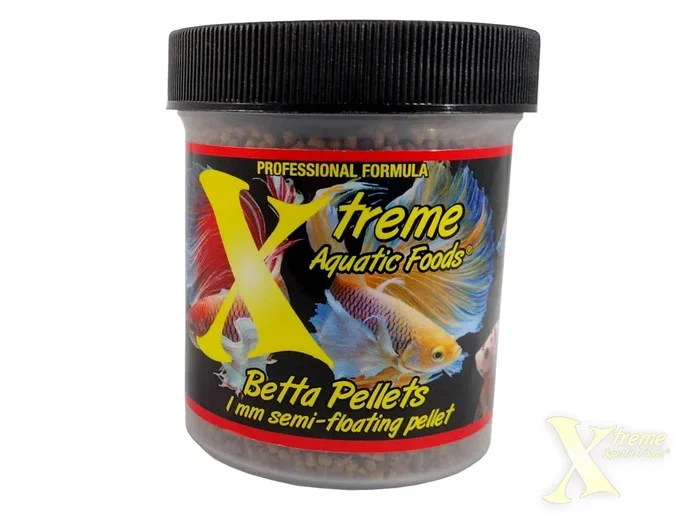
The foundation of any betta’s diet should be high-quality betta-specific pellets. These are formulated to provide the right balance of protein, fat, vitamins, and minerals that bettas need. Look for pellets where the first ingredient is a whole protein source like fish meal, shrimp, or krill — not fillers like wheat or corn.
Good betta pellets will have a protein content between 35-50%, a fat content between 5-10%, and include added vitamins and minerals. Brands like Hikari Betta Bio-Gold, Omega One Betta Pellets, and Fluval Bug Bites Betta Formula are all excellent choices that betta owners swear by.
Feed your betta 2-3 pellets, once or twice a day. Remember, their stomach is only about the size of their eye, so a little goes a long way. If you’re curious about whether other types of commercial fish food are suitable, you might want to read about whether bettas can eat tropical flakes.
Freeze-Dried Foods
Freeze-dried foods are a fantastic way to add variety to your betta’s diet without the risks associated with raw fish. Freeze-dried bloodworms, daphnia, brine shrimp, and tubifex worms are all excellent options that bettas absolutely love.
The freeze-drying process removes moisture while preserving nutrients, and it eliminates the parasites and bacteria that make raw foods dangerous. You can find these at virtually any pet store, and they have a long shelf life, making them convenient to keep on hand.
Pro tip: Always soak freeze-dried foods in a small amount of tank water for a few minutes before feeding. This rehydrates them and makes them easier for your betta to digest, reducing the risk of bloating and constipation.
Live Foods
If you really want to give your betta a treat that mimics their natural diet, live foods are the way to go. Live bloodworms, brine shrimp, daphnia, and mosquito larvae are all safe, nutritious, and incredibly stimulating for bettas. The hunting behavior your betta displays when chasing live food is not only entertaining to watch but also provides important mental and physical enrichment.
You can purchase live foods from most pet stores or even culture your own at home. Brine shrimp eggs, for example, are inexpensive and easy to hatch, providing a constant supply of fresh, nutritious food for your betta. For more information on protein-rich options, check out our article on whether betta fish can eat shrimp.
Frozen Foods
Frozen foods are another excellent alternative to raw fish. Commercially prepared frozen bloodworms, brine shrimp, daphnia, and mysis shrimp are flash-frozen at extremely low temperatures, which kills parasites and bacteria while preserving nutritional value. These are widely available at pet stores and are a staple in many experienced betta keepers’ feeding routines.
To feed frozen foods, simply thaw a small portion in a cup of tank water and then add it to your betta’s tank. Never microwave or use hot water to thaw frozen fish food, as this can destroy nutrients and create hot spots that could harm your fish.
How Often Should You Feed Your Betta?
Feeding frequency is just as important as feeding the right foods. Overfeeding is one of the most common mistakes betta owners make, and it can lead to a host of health problems including obesity, constipation, swim bladder disorder, and poor water quality.
Here’s a simple feeding schedule to follow:
- Adult bettas: Feed once or twice daily, offering only as much food as they can consume in about 2 minutes.
- Variety days: Rotate between pellets, freeze-dried foods, and frozen/live treats throughout the week to ensure a balanced diet.
- Fasting day: Consider giving your betta one fasting day per week. This allows their digestive system to rest and process any remaining food, reducing the risk of constipation and bloating.
Watch your betta’s body condition. A healthy betta should have a slightly rounded belly — not bloated, not sunken. If you notice your betta looking overly round or having trouble swimming, cut back on feeding and consider a fasting day or two.
Signs Your Betta’s Diet Needs Adjustment
Your betta can’t tell you when something is wrong with their diet, but they can show you. Here are some signs that your betta’s diet may need adjustment:
- Loss of color: A betta that’s losing its vibrant color may be lacking essential nutrients.
- Lethargy: If your betta is less active than usual, it could be a sign of nutritional deficiency or digestive issues.
- Bloating or swelling: This often indicates overfeeding or constipation.
- Refusing to eat: While bettas can be picky, a prolonged refusal to eat may signal illness or stress.
- Stringy white feces: This can be a sign of internal parasites or a digestive issue.
- Fin deterioration: Poor nutrition can weaken your betta’s immune system, making them susceptible to fin rot.
If you notice any of these signs, evaluate your feeding routine and consider consulting with an aquatic veterinarian or experienced betta keeper for advice.
Conclusion: Skip the Raw Fish, Stick to What Works
So, can bettas eat raw fish? Technically, yes — they can physically consume it. But should you feed raw fish to your betta? The answer is a resounding no. The risks of parasites, bacterial infections, water quality degradation, and nutritional imbalance far outweigh any potential benefits.
Your betta deserves a diet that’s safe, nutritious, and tailored to their specific needs. High-quality betta pellets, freeze-dried treats, live foods, and frozen options provide everything your betta needs to live a long, healthy, and vibrant life. These foods are readily available, affordable, and — most importantly — safe.
Feeding your betta should be one of the most enjoyable parts of fish keeping. Watching them eagerly swim to the surface, flare their fins, and gobble up their favorite treats is incredibly rewarding. By sticking to proven, safe feeding practices, you’ll ensure that your betta stays healthy and happy for years to come. And really, isn’t that what every betta owner wants?
Remember: when in doubt, always choose the safer option. Your betta is counting on you to make the right choices for their health and well-being.
Frequently Asked Questions
Can bettas eat raw fish from the grocery store?
No, you should not feed your betta raw fish from the grocery store. It can contain harmful parasites, bacteria, and has a fat content that’s too high for a betta’s digestive system. Stick to betta-specific foods and safe live or frozen alternatives instead.
What happens if my betta accidentally eats a small piece of raw fish?
If your betta accidentally consumes a small piece of raw fish, don’t panic. Monitor your fish closely over the next few days for signs of illness such as lethargy, loss of appetite, bloating, or white spots. Perform a partial water change to remove any decomposing residue and maintain excellent water quality.
Can bettas eat cooked fish instead of raw fish?
Cooked fish is safer than raw fish in terms of parasites and bacteria, but it’s still not an ideal food for bettas. Cooked fish often contains oils, seasonings, or butter that are harmful to fish, and it still lacks the specific nutritional profile bettas need. It’s better to stick with foods designed for bettas.
What is the best protein source for betta fish?
The best protein sources for bettas include high-quality betta pellets with whole fish or shrimp as the first ingredient, freeze-dried bloodworms, live or frozen brine shrimp, and daphnia. These options provide the right balance of protein, fat, and nutrients that bettas need for optimal health.
How much should I feed my betta fish each day?
Feed your adult betta 2-3 high-quality pellets once or twice daily, or an equivalent amount of alternative foods. Only offer as much as your betta can eat in about 2 minutes. Including one fasting day per week can help prevent digestive issues and keep your betta healthy.
Can bettas eat other types of raw meat like chicken or beef?
No, bettas should not eat raw chicken, beef, or other mammalian meats. These foods are completely outside a betta’s natural diet, are extremely difficult for them to digest, and can introduce dangerous bacteria into the tank. Bettas are insectivores and small crustacean eaters, not meat-eaters in the traditional sense.