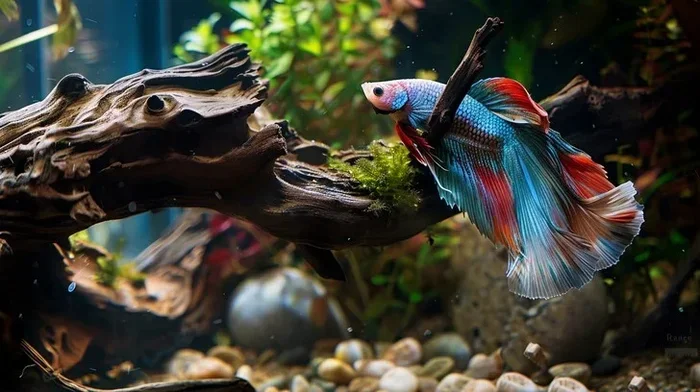
How Much Water in Betta Fish Tank
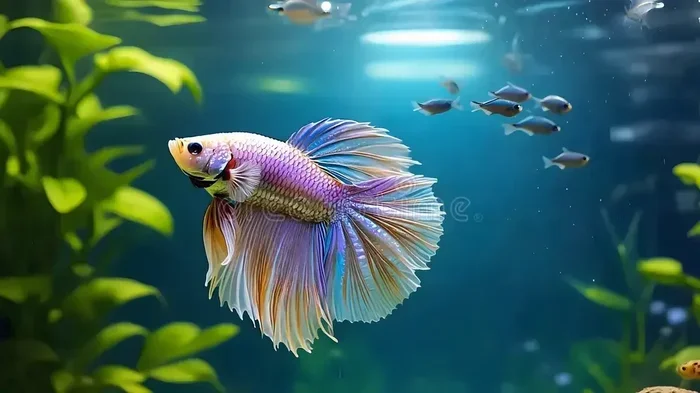
Knowing how much water in betta fish tank is essential for your fish’s health and happiness. A proper water volume helps maintain stable water parameters, reduces toxins, and gives your betta room to thrive. This guide covers tank sizes, water requirements, and practical tips you can use today.
If you own a betta fish or are thinking about getting one, you have probably asked yourself, “how much water in betta fish tank do I really need?” It is a simple question, but the answer matters more than most people realize. The right amount of water keeps your betta healthy, happy, and full of color.
Many beginners make the mistake of keeping their betta in a tiny bowl or a cramped tank. This might seem convenient, but it actually harms the fish over time. Betta fish need enough space to swim, explore, and stay active. They also need stable water conditions that only a properly sized tank can provide.
In this guide, we will walk through everything you need to know about betta fish tank size, water volume, and how to set up the perfect home for your finned friend. Whether you are a first-time fish owner or looking to upgrade your current setup, this article has you covered.
Key Takeaways
- Minimum Tank Size: A 5-gallon tank is the smallest recommended size for a single betta fish.
- More Water Equals Stability: Larger water volumes dilute toxins like ammonia and nitrite more effectively.
- Avoid Tiny Bowls: Fish bowls under 1 gallon are harmful and shorten your betta’s lifespan significantly.
- Water Changes Matter: Regular partial water changes keep the tank clean and your betta healthy.
- Filtration Helps: A gentle filter maintains water quality without creating strong currents bettas dislike.
- Consider Tank Mates: If you plan to add other fish, you need even more water volume.
📑 Table of Contents
Why Water Volume Matters for Betta Fish
The amount of water in your tank directly affects your betta’s quality of life. Water volume controls temperature stability, toxin levels, and oxygen distribution. Let us break down why this matters so much.
Toxin Dilution and Water Quality
Betta fish produce waste just like any other pet. That waste breaks down into ammonia, which is toxic to fish. In a small amount of water, ammonia builds up fast. In a larger tank, the toxins get diluted and give you more time to fix the problem.
This is where the nitrogen cycle comes in. A well-established tank converts harmful ammonia into less toxic substances. But even with a good cycle, more water volume means a safer environment for your betta.
Temperature Stability
Betta fish come from warm climates. They need water temperatures between 76 and 82 degrees Fahrenheit. A small bowl of water changes temperature quickly, which stresses the fish. A larger tank holds heat better and stays more stable throughout the day.
If you live in a cooler area, this becomes even more important. A bigger water volume gives your heater time to work evenly and keep the temperature consistent.
Swimming Space and Mental Stimulation
Betta fish are active swimmers. They enjoy exploring their environment and swimming around plants and decorations. A cramped tank leaves them bored and stressed. Stress leads to disease, faded colors, and a shorter lifespan.
Giving your betta enough water volume is one of the simplest ways to keep them healthy and vibrant. It also makes the tank more enjoyable to look at and maintain.
What Is the Right Tank Size for a Betta Fish?
Now that you understand why water volume matters, let us talk about the actual numbers. How much water should your betta fish tank hold?
The 5-Gallon Standard
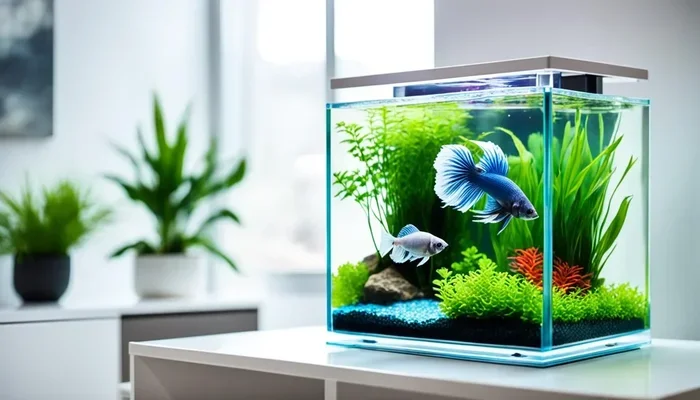
The most common recommendation is a 5-gallon tank for a single betta fish. This size gives your fish enough room to swim and helps maintain stable water conditions. It is also easy to manage and fits well on most desks and shelves.
A 5-gallon tank is the sweet spot between being small enough to handle and large enough to support a healthy environment. Most experienced fish keepers agree that this is the minimum you should use for a betta.
Larger Tanks for Better Results
While 5 gallons works, bigger is always better. A 10-gallon or 20-gallon tank gives you even more stability. The water parameters stay more consistent, and you have more room for plants and decorations.
If you want to keep your betta with other peaceful fish, you will need at least a 10-gallon tank. Check out our guide on how many fish can live in a 10 gallon tank with a betta for more details.
Why Small Bowls and Cups Do Not Work
You may have seen betta fish sold in small cups or tiny bowls at pet stores. While they can survive in these conditions for a short time, they do not thrive. A bowl under 1 gallon does not allow for proper filtration, heating, or stable water chemistry.
Keeping a betta in a bowl significantly shortens its lifespan. In the wild, bettas live in rice paddies and slow-moving streams with plenty of space. A tiny bowl does not replicate that environment at all.
How to Calculate the Right Water Volume
Figuring out how much water your tank holds is simple. Just measure the length, width, and height of your tank in inches and use a conversion formula. One gallon equals approximately 231 cubic inches.
However, you do not need to fill the tank all the way to the top. Leave some space for water movement and air exchange. Most keepers fill the tank about one inch from the top. This prevents water from spilling when you insert or remove equipment.
Here is a quick reference table for common tank sizes:
- 1 gallon: Too small for long-term betta keeping.
- 3 gallons: Acceptable but very limited in stability.
- 5 gallons: The recommended minimum for a single betta.
- 10 gallons: Great for a betta with peaceful tank mates.
- 20 gallons: Ideal for a planted betta setup or community tank.
Remember, these numbers refer to the actual water volume, not the total tank capacity. Gravel, decorations, and equipment take up space that reduces the water volume slightly.
How Often Should You Change the Water?
Even with the right tank size, you still need to change the water regularly. No filter can remove all waste completely. Partial water changes help keep the tank clean and your betta healthy.
For a 5-Gallon Tank
In a 5-gallon setup, you should do a 25 to 30 percent water change every week. This removes buildup of nitrates and keeps the water fresh without disturbing the beneficial bacteria in your filter.
Use a gravel vacuum to clean the substrate while you remove water. This saves time and keeps the tank looking its best.
For Larger Tanks
If you have a 10-gallon tank or bigger, you can stretch the water changes a bit. A 20 percent change every week or a 30 percent change every two weeks usually works well.
Always test your water parameters before and after a change. This helps you understand how your tank is doing and whether you need to adjust your routine.
Need help with the process? Check out our guide on how to change water in betta fish tank for step-by-step instructions.
What Kind of Water Should You Use?
Choosing the right type of water is just as important as getting the volume right. Not all water sources are safe for betta fish. Let us look at your options.
Tap Water
Tap water is the most common choice, but it contains chlorine and chloramine that are harmful to fish. You must use a water conditioner to remove these chemicals before adding tap water to your tank.
Always let tap water sit for a few minutes after conditioning to allow any residual gases to dissipate. Then test the temperature to match your tank before adding it.
For more details, read our article on can you use tap water in a betta fish tank.
Bottled and Purified Water
Bottled water and purified water can work, but you need to check the mineral content. Some brands contain high levels of minerals or lack essential trace elements. RO (reverse osmosis) water is another option but usually needs remineralization.
If you are curious about specific water types, we have detailed articles on using purified water and using bottled water in your betta tank.
Distilled and Alkaline Water
Distilled water is pure but lacks minerals. Betta fish need some minerals for healthy gill function and osmoregulation. Alkaline water can also cause pH swings that stress your fish.
Stick with conditioned tap water or a quality spring water blend for the best results. Avoid sudden changes in water type, as bettas are sensitive to parameter shifts.
Setting Up Your Betta Tank for Success
Now that you know how much water your betta needs, let us talk about setting up the tank properly. A good setup makes maintenance easier and keeps your fish healthy.
Filtration
A gentle filter is essential for maintaining water quality. Betta fish do not like strong currents, so choose a filter with an adjustable flow rate or use a sponge filter. The filter helps grow beneficial bacteria that break down waste.
You do not need a powerful filter for a small tank. A simple hang-on-back filter or an internal sponge filter works perfectly for a 5-gallon setup.
Heating
A submersible heater keeps the water temperature stable. Set it between 78 and 80 degrees Fahrenheit for the best results. Use a separate thermometer to monitor the temperature daily.
Temperature swings are one of the biggest causes of betta stress and illness. A reliable heater removes that risk almost entirely.
Plants and Decorations
Live plants help absorb nitrates and produce oxygen. They also provide hiding spots that make your betta feel safe. Silk plants are a good alternative if you struggle to keep live plants alive.
Avoid sharp decorations that can tear your betta’s delicate fins. Smooth rocks, driftwood, and soft plants create a beautiful and safe environment.
Common Mistakes to Avoid
Even experienced fish keepers sometimes make mistakes with water volume and tank setup. Here are the most common ones to watch out for.
- Using a tank that is too small: Anything under 5 gallons creates unstable water conditions fast.
- Skipping water changes: Even large tanks need regular maintenance to stay healthy.
- Overcrowding the tank: Too many fish in one tank increases waste and stress.
- Ignoring water parameters: Test your water regularly to catch problems early.
- Using untreated tap water: Always condition tap water before adding it to the tank.
Avoiding these mistakes will save you time, money, and most importantly, it will keep your betta fish healthy and thriving for years to come.
Final Thoughts
So, how much water in betta fish tank is enough? The answer is clear: at least 5 gallons for a single betta, with more being better. The right water volume gives your fish stable conditions, plenty of swimming space, and a longer, healthier life.
Pair your tank with proper filtration, heating, and regular water changes, and your betta will reward you with vibrant colors and active behavior. Remember, your fish depends on you to create a safe and comfortable home. Taking the time to get the water volume right is the first and most important step.
Start with a 5-gallon tank or larger, use conditioned water, and keep up with your maintenance routine. Your betta will thank you with years of companionship and beauty. For more tips on maintaining your betta’s environment, check out our article on how to clean betta fish tank water for practical cleaning advice.
Now you have everything you need to give your betta the perfect home. Get started today, and enjoy watching your fish thrive in a well-maintained tank.
Frequently Asked Questions
Can I keep a betta fish in a 1-gallon tank?
A 1-gallon tank is too small for long-term betta care. While a betta might survive in a 1-gallon bowl, it will not thrive. The water parameters become unstable very quickly, which stresses the fish and shortens its lifespan. Always aim for at least a 5-gallon tank.
How often should I test my betta tank water?
You should test your betta tank water once a week. Use a liquid test kit to check ammonia, nitrite, nitrate, and pH levels. Regular testing helps you catch problems before they harm your fish and gives you confidence that your tank is balanced.
Does a bigger tank mean less maintenance?
Yes, a bigger tank is more forgiving. Larger water volumes dilute toxins more effectively and stay more stable. However, you still need to do regular water changes and maintain your filter. A bigger tank does not mean you can skip maintenance entirely.
Can I use a bowl instead of a tank for my betta?
Bowls are not recommended for betta fish. They lack proper filtration, heating, and enough water volume to maintain stable conditions. A bowl limits your betta’s swimming space and can lead to health problems over time. A small tank is always a better choice.
What temperature should my betta tank water be?
Betta fish need warm water between 76 and 82 degrees Fahrenheit. The ideal range is 78 to 80 degrees. Use a submersible heater and a thermometer to keep the temperature steady. Sudden temperature changes can stress your fish and make them sick.
How do I know if my betta tank has enough water volume?
If your tank is at least 5 gallons, has a gentle filter, and a heater, you have enough water volume for a single betta. Watch your water parameters and your fish’s behavior. A healthy, active betta with bright colors is a good sign that the water volume and conditions are right.