What Fish Can Coexist with Betta Fish
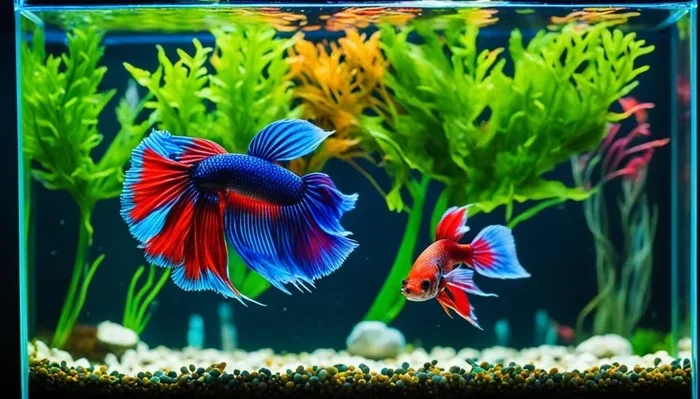
Finding the right fish that can coexist with betta fish is easier than you think. The best betta tank mates include peaceful species like corydoras, kuhli loaches, and certain snails that keep to themselves. This guide covers compatible fish, setup tips, and mistakes to avoid so your betta fish community tank thrives.
Key Takeaways
- Choose peaceful, non-aggressive species: Fish like corydoras, kuhli loaches, and ember tetras make excellent companions for bettas without triggering aggression.
- Tank setup matters enormously: A tank of 10 gallons or more with plenty of hiding spots and plants reduces stress and territorial behavior in bettas.
- Avoid bright or flashy fish: Fish with long fins or vivid colors can trigger your betta’s territorial instincts and lead to fighting.
- Snails and shrimp are safe options: Snails that can live with betta fish like nerite snails are peaceful and help keep the tank clean.
- Monitor behavior closely after introductions: Watch for signs of stress or aggression during the first few weeks when adding new tank mates.
- Know when to separate fish: If aggression persists, having a backup tank ready ensures the safety of all your fish.
📑 Table of Contents
- What Fish Can Coexist with Betta Fish?
- Understanding Betta Fish Temperament
- Best Fish That Can Coexist with Betta Fish
- Fish to Avoid with Betta Fish
- Setting Up a Successful Betta Community Tank
- Common Mistakes When Adding Tank Mates to a Betta Tank
- Quick Tips for a Peaceful Betta Community Tank
- Conclusion
What Fish Can Coexist with Betta Fish?
Keeping a betta fish community tank is one of the most rewarding experiences in the hobby. But let us be honest, bettas can be territorial. So finding the right betta tank mates takes a little planning. The good news is that plenty of peaceful species can share a tank with your betta without any drama.
In this guide, we will walk through the best fish that can coexist with betta fish, what setups work best, and the mistakes most beginners make. Whether you are a first-time fish keeper or looking to add more companions to your tank, this article has you covered.
The key is matching your betta’s temperament with the right species. Not every fish will get along with a betta, and that is perfectly fine. By the end of this guide, you will know exactly which peaceful fish for betta tank setups to choose and why they work so well together.
Understanding Betta Fish Temperament
Before picking any tank mates, you need to understand your betta. Male bettas, in particular, are known for their aggression toward other fish with bright colors or long fins. They see these fish as rivals and will flare their gills, chase, or even attack them.
Female bettas tend to be less aggressive, but they still have boundaries. A betta sorority tank can work, but it requires careful planning and enough space. Here are some key traits to keep in mind:
- Territorial behavior: Bettas defend their space, especially in smaller tanks. A cramped tank increases stress and aggression.
- Fin nipping risk: Bettas may chase fish that have long, flowing fins because they resemble rival bettas.
- Solitary by nature: In the wild, bettas prefer alone time. Community tanks go against their instincts, so you need the right setup to make it work.
- Daytime activity: Bettas are active during the day, which means their tank mates need to be compatible with a diurnal schedule.
Why Temperament Matters for Tank Mates
When you ask yourself what fish can live with a betta, the answer starts with temperament. Fish that are too active or too nippy will stress your betta out. On the other hand, fish that are too slow or shy might get picked on. The sweet spot is finding species that mind their own business and keep to their own areas of the tank.
Best Fish That Can Coexist with Betta Fish
Now for the fun part, choosing your betta fish companions. Below are some of the best species that have proven to work well in community tanks with bettas. These fish are peaceful, non-threatening, and generally keep to themselves.
Corydoras Catfish
Corydoras, or corys, are bottom-dwelling fish that are practically perfect for betta tanks. They stay busy scavenging the substrate and rarely bother your betta. Their peaceful nature and small size make them ideal betta tank mates. Pygmy corydoras and bronze corydoras are two of the most popular choices.
Kuhli Loaches
Kuhli loaches are quirky, eel-like fish that love to hide during the day. They become active at night, which means they rarely cross paths with your betta. Their calm demeanor and bottom-dwelling habits make them a great choice if you are wondering what types of fish can live with a betta.
Ember Tetras
Ember tetras are small, peaceful fish with a beautiful orange-red color. They stay in the middle and upper parts of the tank, which keeps them away from your betta. Unlike some brightly colored tetras, ember tetras have a muted tone that does not trigger territorial behavior in bettas.
Harlequin Rasboras
Harlequin rasboras are another excellent option. They are hardy, easy to care for, and swim in groups, which adds movement to the tank without agitating your betta. A school of six to eight harlequins can create a beautiful display in a betta fish community tank.
Ghost Shrimp
Ghost shrimp are inexpensive, low-maintenance, and great for keeping the tank clean. Bettas usually ignore them or treat them as food, but most ghost shrimp are fast enough to avoid being caught. They are a safe and fun addition to any betta setup.
Nerite Snails
If you are looking for algae control and peaceful companionship, nerite snails are a top choice. They do not reproduce in freshwater, which means you will never deal with a snail overpopulation problem. They stay out of your betta’s way and help keep the glass and decorations clean.
Fish to Avoid with Betta Fish
Just as important as knowing what works is knowing what does not. Some fish are simply too aggressive, too nippy, or too similar to your betta to be safe tank mates. Here are the species you should steer clear of:
- Other male bettas: Two male bettas will fight, often to the death. Never house them together in the same tank.
- Guppies: Guppies have bright colors and long fins that trigger betta aggression. They are also prone to fin nipping.
- Angelfish: Angelfish can be aggressive and grow quite large. They will outcompete your betta for food and space.
- Goldfish: Goldfish need cold water, while bettas need warm water. They have completely different care requirements.
- Tiger Barbs: Tiger barbs are notorious fin nippers. They will tear up your betta’s fins and cause serious stress.
- Gouramis: Gouramis look similar to bettas and share the same temperament. They are likely to fight over territory.
Setting Up a Successful Betta Community Tank
A good setup makes all the difference when housing bettas with other fish. Without the right environment, even the most peaceful species can cause problems. Here is what you need to focus on.
Tank Size Requirements
The minimum tank size for a betta community setup is 10 gallons. A larger tank gives every fish its own territory and reduces the chance of confrontations. If you plan to keep multiple species, aim for 20 gallons or more. More space means less stress for everyone.
Plants and Decorations
Live plants are your best friend in a betta community tank. They provide hiding spots, break up sightlines, and create a natural feel. Some great options include:
- Java fern: Easy to grow and hardy. It provides excellent cover for shy fish.
- Anubias: Low-maintenance and sturdy. Bettas love to rest on the broad leaves.
- Amazon sword: A larger plant that fills open space and gives fish plenty of places to explore.
- Floating plants: Duckweed and water lettuce soften the light and make bettas feel more secure.
Water Parameters
Bettas thrive in warm water between 76 and 82 degrees Fahrenheit. The pH should stay between 6.5 and 7.5. When choosing tank mates, make sure they share similar water requirements. This is where many beginners go wrong, adding fish that need completely different conditions.
Filtration and Flow
Bettas prefer slow-moving water. A gentle sponge filter works best for community tanks with bettas. Avoid strong hang-on-back filters that create a lot of current, as bettas are not strong swimmers and will struggle in fast water.
Common Mistakes When Adding Tank Mates to a Betta Tank
Even experienced fish keepers make mistakes when setting up a betta fish community tank. Here are the most common errors and how to avoid them.
Overcrowding the Tank
Adding too many fish too quickly is the number one mistake. Your tank needs time to cycle before adding any new inhabitants. Start with one or two tank mates and monitor the water quality and your betta’s behavior before adding more.
Ignoring the Introduction Process
Throwing new fish into a betta tank without acclimating them properly can cause shock and aggression. Always float the bag in the tank for 15 to 20 minutes to equalize the temperature. Then slowly mix tank water into the bag over 30 minutes before releasing the fish.
Skipping the Backup Plan
Not every combination will work, and that is okay. Always have a backup tank or container ready in case you need to separate your betta from a tank mate. This is especially important during the first few weeks of introduction.
Choosing Fish Based on Looks Alone
It is tempting to pick fish that look beautiful, but appearance should never be the only factor. A fish that looks great in a pet store might be too aggressive or incompatible for a betta tank. Always research the species thoroughly before adding it to your setup.
Quick Tips for a Peaceful Betta Community Tank
Here are some quick tips to keep your betta fish community tank running smoothly:
- Feed your betta first. A well-fed betta is less likely to chase or harass tank mates. Give your betta its food before adding food for other fish.
- Use a timer for lights. A consistent light schedule reduces stress for all fish in the tank. Aim for 8 to 10 hours of light per day.
- Do regular water changes. Clean water keeps everyone healthy. Change 25 percent of the water every week to maintain quality.
- Watch for signs of stress. Clamped fins, loss of color, and hiding constantly are signs that a fish is stressed. Address the issue quickly.
- Keep the tank decorated. Plenty of plants and hiding spots give every fish its own space and reduce territorial disputes.
Conclusion
Creating a betta fish community tank is absolutely doable with the right knowledge and preparation. The key is choosing peaceful, compatible species, setting up the tank properly, and monitoring behavior after introductions. From corydoras to kuhli loaches to nerite snails, there are many wonderful options for what fish can coexist with betta fish.
Remember, every betta has its own personality. Some bettas are relaxed and social, while others prefer to be left alone. Pay attention to your individual fish and adjust accordingly. With patience and care, you can build a thriving aquarium that showcases the beauty of your betta alongside its peaceful companions.
If you are new to the hobby, start small. Add one or two tank mates, observe how things go, and build from there. The journey of creating a community tank is just as rewarding as the result. Happy fish keeping!
Frequently Asked Questions
Can betta fish live with guppies?
It is not recommended. Guppies have bright colors and long fins that can trigger your betta’s territorial behavior. Bettas may see guppies as rivals and chase or nip at them, causing stress for both fish.
How many fish can you keep with a betta?
In a 10-gallon tank, two to three small peaceful fish is a good starting point. In a 20-gallon tank or larger, you can keep a small group of five to six fish along with your betta. Always monitor behavior and avoid overcrowding.
Do bettas get lonely?
Bettas are solitary by nature, but they can do well in a community tank if the setup is right. Providing plenty of hiding spots, plants, and space helps reduce stress. A lonely betta may become lethargic or lose its color, so enrichment matters.
Can betta fish live with snails?
Yes, snails make excellent betta tank mates. Nerite snails, mystery snails, and ramshorn snails are peaceful and help keep the tank clean. Bettas generally ignore snails or treat them as part of the scenery.
What is the best tank size for a betta community tank?
A 10-gallon tank is the minimum for a betta with a few tank mates. A 20-gallon tank gives you more room to create a thriving community. Larger tanks are always better because they dilute aggression and give every fish its own territory.
Can female bettas live together?
Yes, female bettas can live together in a group called a sorority, but it requires careful planning. You need at least five females in a tank of 20 gallons or more with plenty of hiding spots. Monitor them closely for signs of aggression, especially during the first few weeks.