Yes, yellow betta fish are a real and vibrant variety that many hobbyists love. They get their color from selective breeding and proper care, and they thrive in well‑maintained tanks with stable water conditions.
Key Takeaways
- Yellow bettas exist: They are produced through selective breeding of naturally yellow strains.
- Color stability varies: Good genetics and diet keep the yellow vivid.
- Care basics are the same: Temperature, tank size, and water quality matter just like with any betta.
- Health signs: Bright yellow without fading indicates a healthy fish.
- Breeding tips: Pair a strong yellow male with a compatible female for the best results.
- Compatibility: Yellow bettas are no different from other colors when choosing tank mates.
- Availability: Reputable stores and online breeders usually stock yellow varieties.
📑 Table of Contents
- Introduction: Why the Question Pops Up
- What Makes a Betta Yellow?
- How to Identify a True Yellow Betta
- Setting Up the Perfect Home for a Yellow Betta
- Health and Longevity of Yellow Betta Fish
- Breeding Yellow Betta Fish
- Yellow Betta Fish in the Community
- Where to Find a Yellow Betta
- Conclusion: Bringing Sunshine Home
Introduction: Why the Question Pops Up
If you’ve ever browsed a pet store aisle or scrolled through an online aquarium forum, you’ve probably seen a flash of sunshine swimming among the usual reds and blues. That flash is the yellow betta fish, and many newcomers ask, “are yellow betta fish a thing?” The short answer is a resounding yes, but the story behind those golden hues is a little more fascinating than a simple yes or no.
Yellow bettas aren’t a myth or a Photoshop trick. They are a genuine color morph that results from careful breeding, genetics, and a dash of good nutrition. In this guide we’ll explore exactly how yellow bettas come to be, what makes them unique, and, most importantly, how you can give them the best life possible. By the end, you’ll know enough to pick a bright yellow betta with confidence and keep it thriving for years.
What Makes a Betta Yellow?
Genetics 101: The Role of Pigments
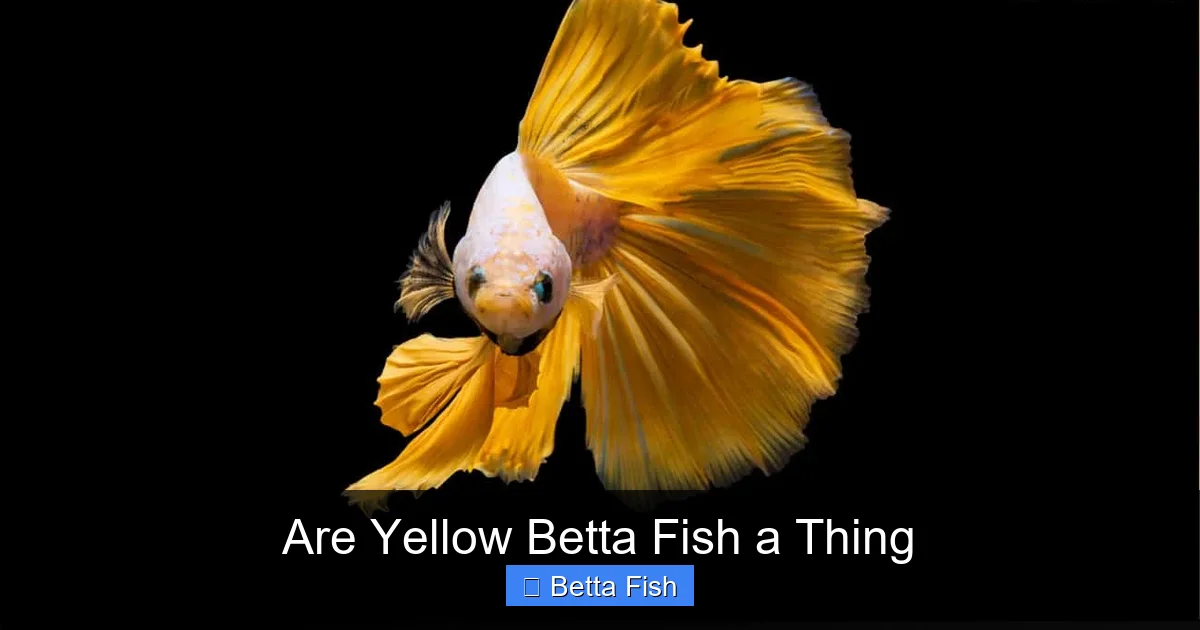
Betta fish get their color from two main pigments: melanin (dark colors) and carotenoids (reds, oranges, yellows). Yellow bettas have a higher concentration of carotenoids and a reduced amount of melanin, which lets the yellow shine through the scales.
Visual guide about Are Yellow Betta Fish a Thing
Image source: buildyouraquarium.com
Selective breeding over decades has amplified this trait. Breeders start with a betta that shows even a hint of yellow, then pair it with another light‑colored fish. Over several generations the yellow becomes more pronounced and stable.
Selective Breeding vs. Natural Variants
While some wild‑type bettas from Thailand and Malaysia display pale yellow or gold tones, most of the vibrant yellow you see in pet stores is the result of selective breeding. The process is similar to how goldfish were bred for orange or how koi have their distinct patterns.
Pure yellow lines are now a staple in the hobby, and reputable breeders will often guarantee the color will not fade dramatically as the fish ages.
How to Identify a True Yellow Betta
Visual Cues
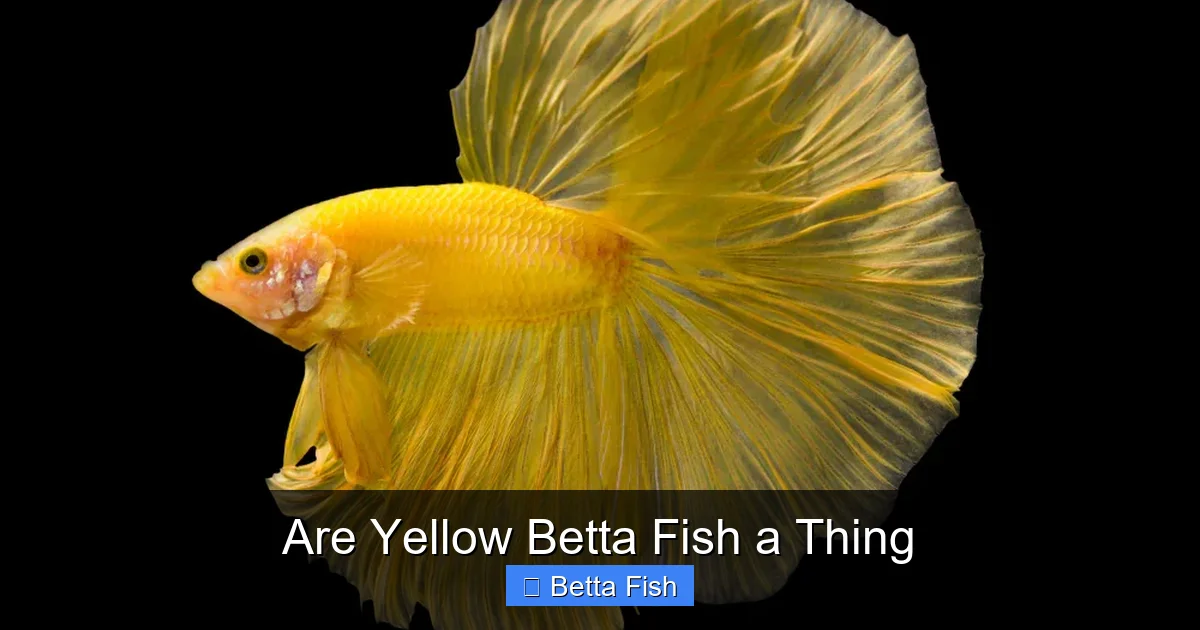
- Uniform coloration: The body, fins, and tail should all share the same bright hue.
- Absence of other pigments: Look for minimal red, blue, or black speckles.
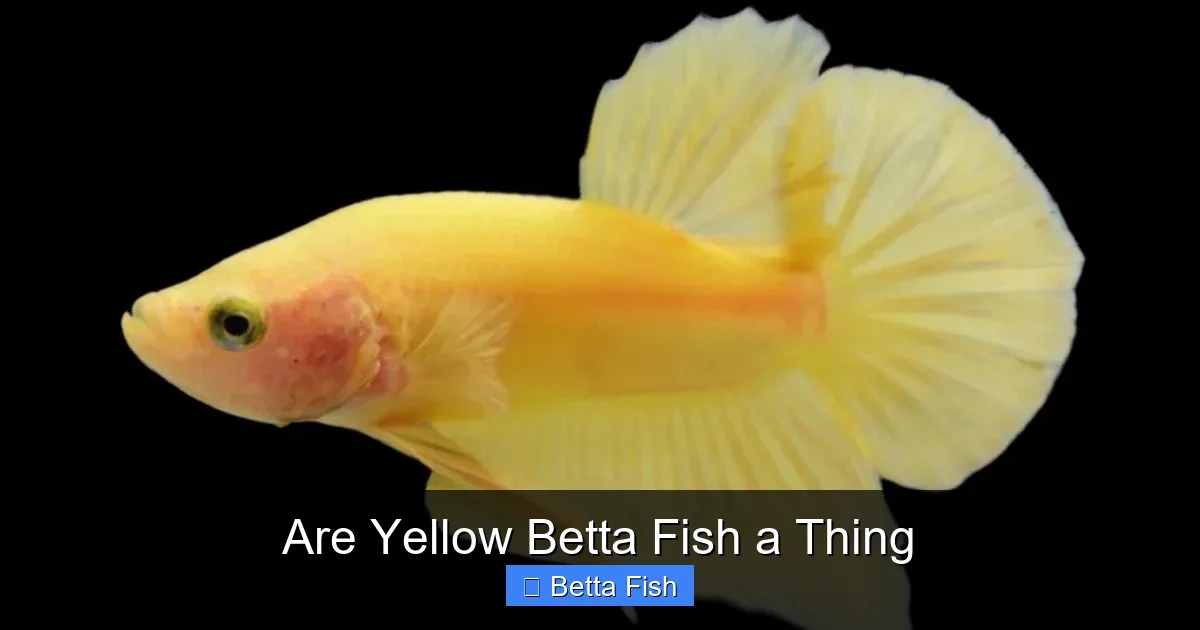
- Vibrancy: A healthy yellow betta glows like a sunrise, not a washed‑out lemon.
Testing for Quality
When you first see a yellow betta, gently observe its behavior. A confident, active fish is more likely to maintain its color. Also, ask the seller about the fish’s diet—those fed a carotenoid‑rich diet (like high‑quality betta pellets with astaxanthin) usually keep a brighter yellow.
Visual guide about Are Yellow Betta Fish a Thing
Image source: thailandbettafish.com
Setting Up the Perfect Home for a Yellow Betta
Tank Size and Shape
Even though bettas can survive in small bowls, a minimum 5‑gallon tank gives them space to swim and reduces stress, which helps keep the color vivid.
Visual guide about Are Yellow Betta Fish a Thing
Image source: thailandbettafish.com
Water Temperature and Quality
Yellow bettas, like all bettas, are tropical fish. Keep the water between 76°F and 82°F (24°C‑28°C). Stable temperature prevents immune suppression that can cause color fading. A reliable heater and a thermometer are essential tools.
Use a gentle filter to maintain clean water, but make sure the flow isn’t too strong—bettas are not strong swimmers.
Lighting and Décor
Bright, natural‑looking lighting enhances the yellow hue. LED lights with a full spectrum work well. Add live plants or silk plants for hiding spots; stressed fish often lose color.
Feeding for Color Retention
High‑quality betta pellets fortified with carotenoids, supplemented with occasional brine shrimp or daphnia, give the fish the nutrients needed to maintain a vivid yellow. Overfeeding leads to cloudy water, which dulls the fish’s appearance.
Health and Longevity of Yellow Betta Fish
Common Health Issues
Yellow bettas face the same health challenges as any betta: fin rot, ich, and velvet disease. Prompt treatment is key. A sudden loss of yellow intensity can be an early warning sign of illness.
Life Expectancy
With proper care, a betta can live 3‑5 years, sometimes longer. The color itself does not affect lifespan, but a stressed or sick fish may fade to a dull, pale yellow before other symptoms appear.
Monitoring Color Changes
Regularly compare your fish’s color to a reference photo. If the yellow starts to look washed out, check water parameters, temperature, and diet first. Adjusting these basics often restores the brilliance.
Breeding Yellow Betta Fish
Choosing the Right Pair
Pick a strong, bright male and a healthy, equally vibrant female. Avoid pairing a yellow male with a dark‑colored female if you want to preserve the color in the fry.
Setting Up a Breeding Tank
A separate 2‑gallon breeding tank with a sponge filter and a heater set at 78°F works well. Add a few floating leaves to encourage bubble nest building.
Raising the Fry
Once the eggs hatch, feed the fry infusoria or specialized fry food. Keep the water pristine; any dip in quality can cause the fry’s color to become mottled.
Yellow Betta Fish in the Community
Compatibility with Tank Mates
Yellow bettas are no different from other colors when it comes to compatibility. They can coexist with peaceful, non‑fin‑nipping species such as neon tetras, corydoras, or small snails. Always monitor interactions, especially with other male bettas.
Show and Competition Potential
Many hobbyists enter yellow bettas in local shows. Judges look for uniform coloration, fin shape, and overall health. A well‑kept yellow betta can win top honors.
Where to Find a Yellow Betta
Local Pet Stores and Specialty Breeders
Reputable stores often have a “color of the month” display. Ask the staff about the fish’s lineage and diet. If you’re unsure, you can also check online retailers that ship healthy bettas.
Online Communities
Forums and social media groups are great places to find recommendations for breeders who specialize in yellow lines. Look for reviews and photos of past sales.
Buying Tips
- Inspect the fish for bright, even color.
- Ask about quarantine practices.
- Confirm the seller provides a health guarantee.
Conclusion: Bringing Sunshine Home
So, are yellow betta fish a thing? Absolutely. They are a stunning, genetically stable color morph that adds a splash of sunshine to any aquarium. By understanding the genetics, providing proper tank conditions, feeding a carotenoid‑rich diet, and monitoring health, you’ll keep your yellow betta glowing for years.
Whether you’re a first‑time betta owner or a seasoned hobbyist looking to add a new hue to your collection, the yellow betta offers both beauty and the same rewarding care routine as any other betta. Dive in, choose a vibrant specimen, and enjoy the warm glow it brings to your aquatic world.
Frequently Asked Questions
Are yellow betta fish a naturally occurring color?
Yes, some wild bettas show pale yellow tones, but most vibrant yellow bettas are the result of selective breeding for stronger carotenoid expression.
Do yellow bettas need different water conditions than other bettas?
No. They thrive in the same temperature range (76‑82°F) and water quality standards as any other betta.
Can I keep a yellow betta with other fish?
Yes, as long as the tank mates are peaceful and non‑fin‑nipping. Yellow bettas behave like any other color when it comes to compatibility.
How can I keep the yellow color from fading?
Maintain clean water, stable temperature, and feed a diet rich in carotenoids. Regular water changes and a quality filter help preserve vibrancy.
What is the typical lifespan of a yellow betta?
With proper care, a yellow betta can live 3‑5 years, similar to other betta varieties.
Where can I buy a reputable yellow betta?
Look for established local pet stores or reputable online breeders. Ask about the fish’s lineage, diet, and health guarantee before purchasing.

