Betta fish are not sharks, but their feisty personality and bold fins often spark the comparison. In this article we break down the biology, behavior, and myths that link these tiny freshwater beauties to the ocean’s top predators.
Key Takeaways
- Understanding are betta fish sharks: Provides essential knowledge
📑 Table of Contents
- Introduction: Why the Shark Comparison?
- 1. The Science: Taxonomy and Evolution
- 2. Size and Physical Appearance
- 3. Habitat: Freshwater vs. Saltwater
- 4. Behavior and Aggression
- 5. Feeding Habits: Tiny Predators vs. Oceanic Hunters
- 6. Care Requirements: Is Keeping a “Shark” Hard?
- 7. Myth‑Busting: Common Misconceptions
- Conclusion: The Truth About Betta Fish and Sharks
Introduction: Why the Shark Comparison?
When you first see a betta fish, its bright colors and flowing fins can feel a little intimidating. Add the fact that male bettas love to flare their gills and flounce around the surface, and it’s easy to picture a tiny, neon‑colored shark patrolling a tiny aquarium.
People love catchy comparisons, and “betta shark” makes for a fun nickname. But the reality is far less dramatic. In this guide we’ll explore the biology of bettas, the true nature of sharks, and why the two are worlds apart—while still sharing a few surprising similarities.
1. The Science: Taxonomy and Evolution
Betta Fish – Freshwater Gourami
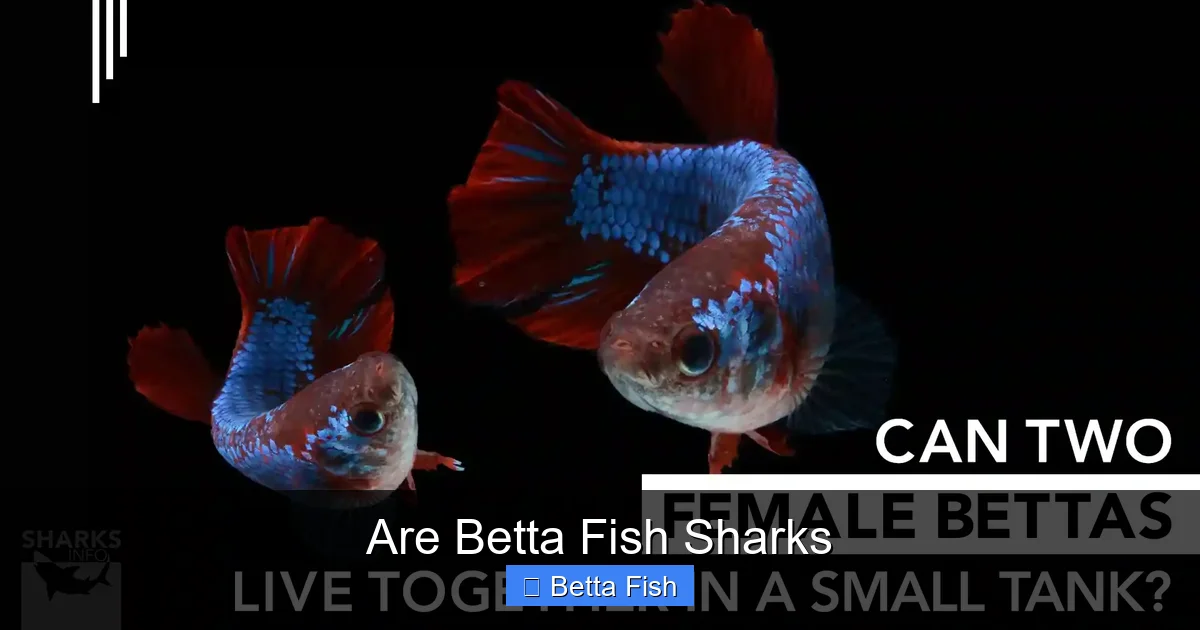
Betta fish belong to the genus Betta, part of the family Osphronemidae, commonly called gouramis. They are ray‑finned (Actinopterygii) and live in slow‑moving, oxygen‑poor waters of Southeast Asia. Their evolutionary path has equipped them with a labyrinth organ that lets them gulp air from the surface.
Visual guide about Are Betta Fish Sharks
Image source: sharksinfo.com
Sharks – Ancient Cartilaginous Predators
Sharks sit in the class Chondrichthyes, meaning their skeletons are made of cartilage, not bone. They have evolved over 400 million years and occupy marine habitats from coral reefs to the deep sea. Their lineage is completely separate from that of bettas.
Key Differences at a Glance
- Skeletal structure: Bone vs. cartilage.
- Respiration: Gills only (sharks) vs. gills + labyrinth organ (betta).
- Reproduction: Live birth or egg‑case (sharks) vs. bubble nest building (betta).
2. Size and Physical Appearance
How Big Is a Betta?
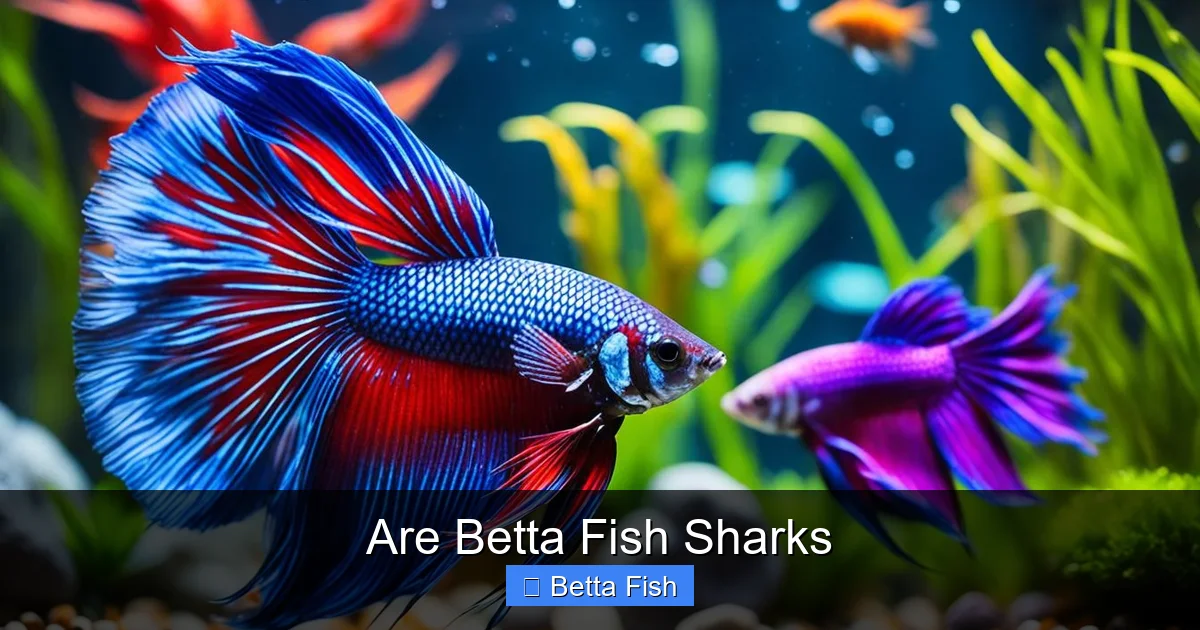
Most male bettas reach 2.5–3 inches (6–7.5 cm). Females are slightly smaller and less flamboyant. Their bodies are laterally compressed, making them look sleek but not streamlined for high‑speed swimming.
Visual guide about Are Betta Fish Sharks
Image source: aplaceforanimals.com
Shark Scale (or Lack Thereof)
Even the smallest shark, the dwarf lanternshark, measures around 6 inches, while the average reef shark is 5–7 feet long. Sharks have rough dermal denticles, not scales, giving them a sandpaper feel.
Why the “Fin Flare” Confuses New Owners
When a betta feels threatened, it spreads its pectoral fins, raises its dorsal fin, and expands its opercular (gill) covers. The display looks like a miniature version of a shark’s “show‑off” fin, leading many to wonder, are betta fish sharks?
3. Habitat: Freshwater vs. Saltwater
Betta’s Natural Home
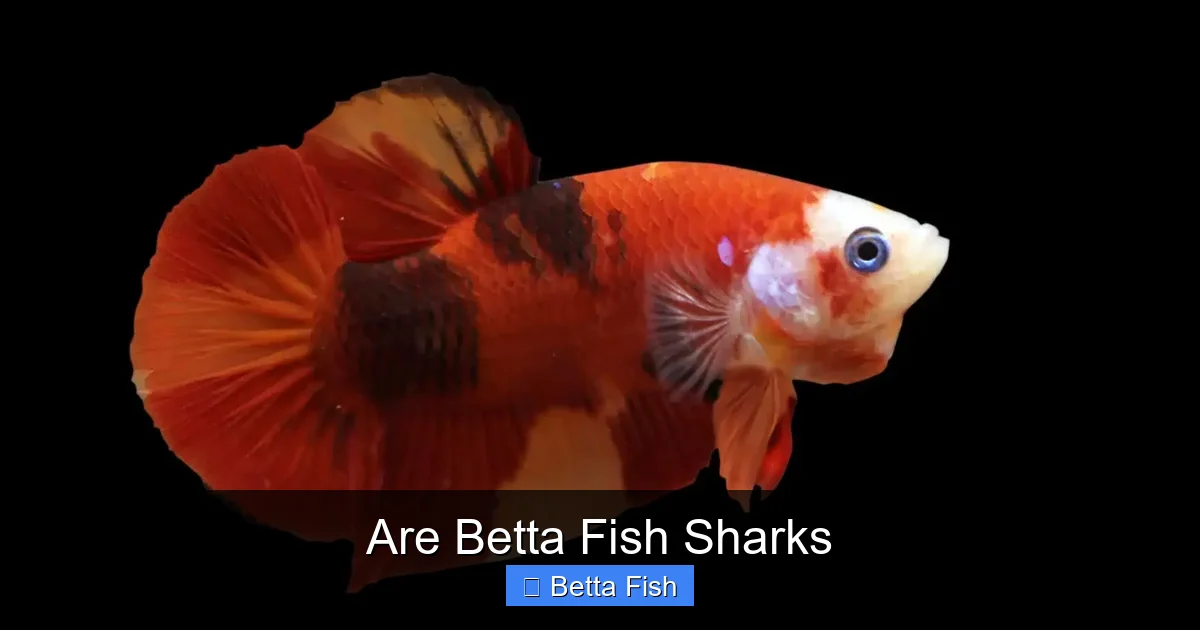
In the wild, bettas inhabit rice paddies, swamps, and slow streams in Thailand, Malaysia, and Cambodia. The water is warm (76‑82 °F/24‑28 °C), soft, and slightly acidic.
Visual guide about Are Betta Fish Sharks
Image source: bettasource.com
Shark’s Ocean Realm
Sharks roam oceans worldwide, from shallow coral reefs to abyssal depths. Their environment is salty, with a completely different set of temperature and pressure conditions.
Can a Betta Live in a Saltwater Tank?
No. Betta fish are strictly freshwater. Attempting to keep them in a marine setup will cause rapid stress and death.
4. Behavior and Aggression
Territorial Nature of Betta Fish
Male bettas are famously territorial. They will flare, chase, and even bite other males. This is why they are often kept alone. The aggression is limited to similar‑sized rivals and is driven by mating competition.
Shark Predatory Instincts
Sharks are apex predators. Their aggression is hunting‑oriented, not territorial in the same way. They may patrol large territories, but they rarely defend a fixed spot like a betta does.
Comparing Aggression Levels
Both animals can be “mean,” but the scale is different. For a deeper look at betta aggression, see our article Why Are Male Betta Fish So Aggressive.
5. Feeding Habits: Tiny Predators vs. Oceanic Hunters
What Betta Fish Eat
Betas are surface feeders. In the wild they snack on insects, larvae, and tiny crustaceans that fall onto the water’s surface. In captivity, high‑quality betta pellets, frozen brine shrimp, and occasional bloodworms provide balanced nutrition.
Shark Diets
Sharks eat fish, seals, plankton, and even other sharks. Their size dictates prey choice, and many have specialized teeth for tearing flesh.
Practical Feeding Tips for Betta Owners
- Feed 2–3 small pellets once or twice daily.
- Offer a frozen or live treat once a week to stimulate natural hunting.
- Never overfeed; excess food pollutes the water and can cause health issues.
6. Care Requirements: Is Keeping a “Shark” Hard?
Tank Size and Setup
Despite the “shark” nickname, bettas thrive in modestly sized tanks. A 5‑gallon (19 L) aquarium with a lid, heater, and gentle filtration works well. Avoid tiny bowls; they restrict swimming space and lead to poor water quality.
Water Parameters
Maintain temperature at 78‑80 °F (25‑27 °C), pH 6.5‑7.5, and keep ammonia and nitrite at 0 ppm. Regular water changes (25 % weekly) keep the environment healthy.
Do Betta Fish Need a “Shark‑Like” Diet of Large Prey?
No. Their small mouths handle pellets and tiny live foods just fine. Over‑feeding large pieces can cause choking.
Link to Related Care Guides
For a beginner‑friendly overview, read Are Betta Fish Easy To Care For and learn why proper tank size matters.
7. Myth‑Busting: Common Misconceptions
“Betta fish are tiny sharks”
This is a metaphorical statement. Betta fish lack cartilage skeletons, gill slits, and the predatory instincts that define sharks.
“Betta fish can survive in any water”
Betas need warm, soft, slightly acidic freshwater. Saltwater or cold water will quickly stress them.
“Betta fish are dangerous to humans”
Only their bright colors and occasional nips might surprise a caretaker. They pose no threat to people.
Conclusion: The Truth About Betta Fish and Sharks
So, are betta fish sharks? The short answer is no. They belong to completely different classes, live in opposite environments, and have distinct body plans. The comparison is playful, highlighting the betta’s bold demeanor and dramatic fin displays. Understanding the real biology behind the myth helps owners provide proper care and appreciate the unique charm of these tiny, feisty fish.
Remember, a betta’s “shark‑like” flare is a sign of stress or territorial warning—nothing more. By keeping water conditions stable, feeding a balanced diet, and respecting their space, you’ll enjoy a healthy, colorful companion that’s truly a marvel of freshwater evolution, not a miniature great white.
Frequently Asked Questions
Are betta fish actually related to sharks?
No. Betta fish are freshwater gouramis, while sharks are cartilaginous marine predators. Their only link is a metaphorical comparison of bold behavior.
Do betta fish need a large tank like a shark?
Betas do not need a massive tank, but they thrive in at least a 5‑gallon (19 L) aquarium with proper filtration and heating.
Can I keep a betta fish with other fish?
Male bettas are highly territorial and should be housed alone. Some peaceful community tanks can include females or dwarf cichlids, but always monitor for aggression.
Why does my betta flare its fins?
Flaring is a defensive display used to intimidate rivals or react to stress. It’s similar to a shark’s fin erection, which fuels the “shark” nickname.
Are betta fish aggressive like sharks?
Betta aggression is limited to other bettas and is driven by territory and mating. Sharks exhibit predatory aggression across a much broader range of species.
What is the best water temperature for a betta?
Keep the water between 78‑80 °F (25‑27 °C). Consistent temperature supports their metabolism and vibrant coloration.

