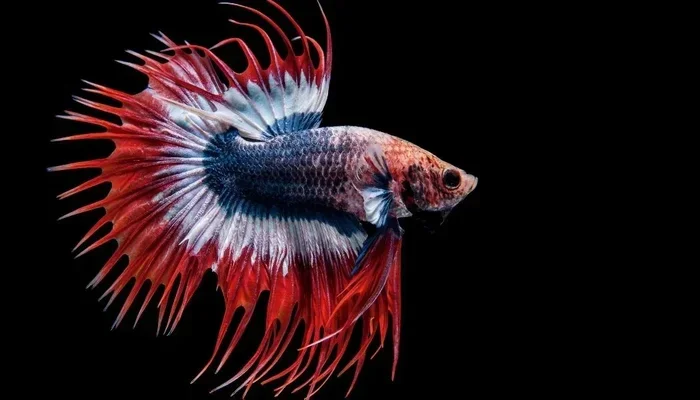
Is Krill Oil Better for Than Fish Oil
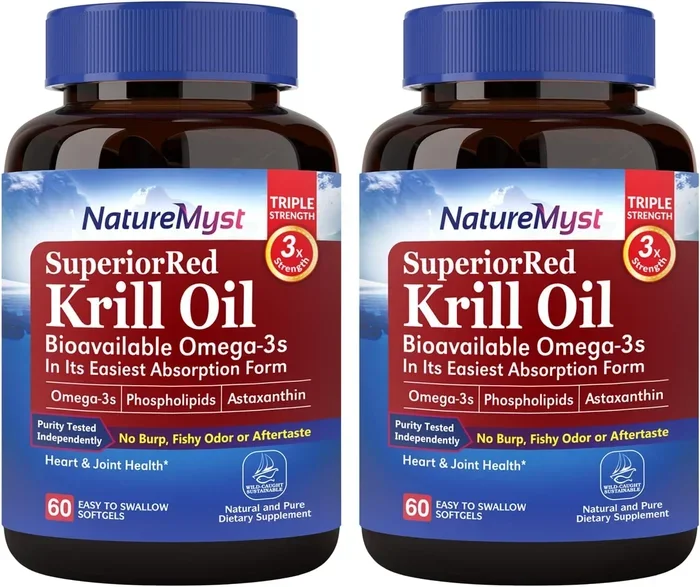
Is krill oil better than fish oil for betta fish? Many aquarists ask this question, and the answer depends on your fish’s needs. Krill oil offers superior omega-3 absorption due to its phospholipid structure, while fish oil remains a cost-effective omega-3 source. This guide breaks down the differences so you can make the best choice for your betta’s health and vitality.
Choosing the right supplement for your betta fish can feel overwhelming. The shelves are packed with options, and two names keep popping up: krill oil and fish oil. Both promise better health, brighter colors, and stronger immunity. But which one actually delivers?
If you have ever wondered is krill oil better than fish oil for your betta, you are not alone. This question comes up in every betta keeper community. The truth is, both oils have real benefits. But they work differently, and your betta’s specific needs should guide your choice.
In this deep dive, we will break down everything you need to know. We will compare omega-3 content, absorption rates, cost, and safety. By the end, you will know exactly which oil fits your fish’s diet best.
Key Takeaways
- Krill oil absorbs faster: Its phospholipid structure makes omega-3 uptake easier for betta fish compared to fish oil.
- Fish oil is budget-friendly: It provides solid omega-3 benefits at a lower price point for regular use.
- Krill oil contains astaxanthin: This powerful antioxidant supports immune health and vibrant color in bettas.
- Both reduce inflammation: EPA and DHA in each oil help with joint health and overall wellness.
- Quality matters most: Always choose purified, high-quality supplements regardless of the oil type.
- Dosage is key: Over-supplementing either oil can cause water quality issues in your tank.
- Consult a vet: When in doubt, ask an aquatic specialist before adding new supplements.
📑 Table of Contents
- What Are Krill Oil and Fish Oil?
- Krill Oil vs Fish Oil: Key Differences
- Benefits of Krill Oil for Betta Fish
- Benefits of Fish Oil for Betta Fish
- Which One Is Better for Your Betta?
- How to Choose the Right Supplement
- Common Mistakes to Avoid
- Expert Insights on Omega-3 Supplementation for Bettas
- Final Thoughts
What Are Krill Oil and Fish Oil?
Before we compare, let us understand what these oils actually are. Krill oil comes from tiny crustaceans called krill. These small creatures live in cold ocean waters and form the base of many marine food chains. Fish oil, on the other hand, is extracted from fatty fish like salmon, sardines, and anchovies.
Both oils contain omega-3 fatty acids, specifically EPA and DHA. These are the compounds that drive most of the health benefits. But the way your betta’s body processes each oil is quite different.
Krill oil carries omega-3 in phospholipid form. This structure is similar to the cell membranes in fish tissue. That means omega-3 absorption happens more efficiently. Fish oil stores omega-3 in triglyceride form, which requires more digestive work to break down.
For betta fish, this difference matters. Bettas are small-bodied fish with fast metabolisms. The easier the absorption, the more benefit they get from each dose.
Krill Oil vs Fish Oil: Key Differences
Let us get into the nitty-gritty comparison. Understanding these differences will help you make an informed decision.
Omega-3 Content and Potency
Krill oil typically has lower total EPA and DHA per milligram compared to fish oil. However, the phospholipid structure means your betta absorbs more of what it consumes. Think of it like this: a smaller dose of krill oil can pack a bigger punch than a larger dose of fish oil.
Fish oil tends to have higher concentrated omega-3 levels. This makes it a popular choice for fish keepers who want maximum EPA and DHA per serving. But concentration does not always equal better results if the fish cannot absorb it well.
Absorption and Bioavailability
This is where krill oil really shines. The phospholipid bonds in krill oil allow omega-3 fatty acids to cross cell walls easily. For betta fish, this translates to:
- Faster delivery of nutrients to tissues
- Better support for brain and eye function
- Reduced waste of unused oil through excretion
Fish oil requires enzymatic breakdown before absorption. This process is slower and less efficient. Some of the omega-3 in fish oil may pass through the fish without being fully utilized.
Antioxidant Protection
Krill oil contains a powerful antioxidant called astaxanthin. This gives krill its red-pink color and provides serious protection against oxidative stress. For betta fish, astaxanthin supports immune function and can enhance color vibrancy.
Fish oil generally lacks astaxanthin unless specifically fortified. This means it may oxidize faster once exposed to air or light in your tank.
Purity and Contaminant Levels
Both oils can be purified to remove heavy metals and toxins. However, krill harvested from cold Antarctic waters tend to have lower contamination levels. Fish oil quality varies widely depending on the source fish and processing methods.
Always look for products that have been third-party tested. This applies whether you choose krill oil or fish oil for your betta.
Benefits of Krill Oil for Betta Fish
Krill oil offers a unique set of advantages that make it a standout choice for betta care.
Superior Omega-3 Absorption
The phospholipid structure of krill oil means your betta gets more omega-3 from less food. This is especially important for bettas, which are small fish with specific nutritional needs. Less waste also means cleaner water in your tank.
Enhanced Color and Vitality
The astaxanthin in krill oil can bring out the vivid reds and blues in your betta’s fins. Many betta keepers report brighter colors after switching to krill oil supplements. This antioxidant also supports overall energy levels and activity.
Anti-Inflammatory Support
Omega-3 fatty acids are well-known for their anti-inflammatory properties. Krill oil delivers these in a form that is easy for bettas to use. This can help with:
- Reducing swelling from injuries
- Supporting healthy fins and scales
- Easing joint stiffness in older fish
Immune System Boost
A strong immune system keeps your betta healthy and resilient. The combination of omega-3 and astaxanthin in krill oil provides a one-two punch for immune defense. Regular supplementation may help your betta fight off common illnesses.
Benefits of Fish Oil for Betta Fish
Fish oil is not the underdog in this comparison. It has its own strong advantages that make it a reliable choice.
High Omega-3 Concentration
If you want maximum EPA and DHA in every drop, fish oil delivers. The higher concentration means you can meet your betta’s omega-3 needs with smaller portions. This is especially useful for fish keepers managing multiple tanks.
Cost-Effective Option
Fish oil supplements are generally more affordable than krill oil. For betta keepers on a budget, this makes it easier to maintain a consistent supplementation routine. Consistency matters more than perfection when it comes to fish health.
Wide Availability
You can find fish oil supplements at almost any pet store or online retailer. Krill oil products are becoming more popular but are still less widely available in some areas. If you need a supplement quickly, fish oil is often the easier find.
Proven Track Record
Fish oil has been used in aquaculture and aquarium care for decades. Its benefits are well-documented across many fish species. While newer research highlights krill oil’s advantages, fish oil remains a trusted and effective option.
Which One Is Better for Your Betta?
The answer depends on your priorities. Here is a quick comparison to guide you.
| Factor | Krill Oil | Fish Oil |
|---|---|---|
| Omega-3 Absorption | Higher (phospholipid form) | Good (triglyceride form) |
| Antioxidant Content | Rich in astaxanthin | Lower unless fortified |
| Cost | Higher price point | More affordable |
| Purity | Generally very clean | Varies by brand |
| Color Enhancement | Excellent | Moderate |
| Availability | Growing but limited | Widely available |
If you want the best possible nutrition for your betta and budget allows, krill oil is the top choice. Its superior absorption and antioxidant content give it an edge. However, if you are looking for a reliable, affordable option that still delivers solid omega-3 benefits, fish oil works well.
Some betta keepers actually use both. They rotate between the two oils to give their fish a wider range of nutrients. This approach can work well as long as you monitor dosages carefully.
How to Choose the Right Supplement
Not all oils are created equal. Here are some tips to help you pick a quality product for your betta.
Look for Third-Party Testing
Choose supplements that have been tested by independent labs. This ensures the product is free from heavy metals, PCBs, and other contaminants. Reputable brands will display these results on their packaging or website.
Check the Omega-3 Profile
Look for products with a balanced EPA to DHA ratio. Both fatty acids play different roles in your betta’s health. EPA supports inflammation response, while DHA is crucial for brain and eye development.
Consider the Form
Liquid krill oil and fish oil capsules are both options. Liquid forms allow you to control dosing precisely. Capsules are convenient and have a longer shelf life.
Watch for Additives
Avoid products with artificial colors, flavors, or unnecessary fillers. The fewer the additives, the better for your betta. Natural vitamin E is a good additive, as it helps preserve the oil and provides additional health benefits.
Common Mistakes to Avoid
Even well-meaning betta keepers can make mistakes when supplementing their fish’s diet. Here are pitfalls to watch out for.
- Over-supplementing: More is not always better. Excess oil can foul your water quality quickly. Stick to recommended dosages.
- Ignoring water quality: Supplements work best in clean water. Always maintain proper filtration and regular water changes.
- Using low-quality products: Cheap oils may contain rancid fats or contaminants. Always invest in reputable brands.
- Skipping research: Not all oils suit all fish. What works for one species may not work for another. Research before you buy.
- Forgetting variety: No single supplement covers all nutritional bases. Pair your oil with a balanced diet of pellets, frozen foods, and live foods.
Expert Insights on Omega-3 Supplementation for Bettas
Many experienced betta keepers and aquatic veterinarians agree that omega-3 supplementation is one of the best things you can do for your fish’s long-term health. The key is choosing the right form and using it correctly.
Krill oil has gained significant attention in recent years. Its natural phospholipid structure makes it a closer match to what bettas would encounter in their natural diet of small crustaceans. This is why many experts consider it the more biologically appropriate choice.
That said, fish oil remains a staple in professional aquaculture. Its high concentration and affordability make it practical for large-scale fish feeding programs. For home betta keepers, it is a perfectly valid option when quality is prioritized.
If you want to learn more about the broader comparison, check out this detailed guide on is krill oil better than fish oil for general insights. You can also explore why krill oil is better than fish oil to understand the science behind the absorption advantage.
For those weighing their options, this resource on which is better for you krill oil or fish oil offers practical advice for making the right pick.
Final Thoughts
The debate between krill oil and fish oil does not have a one-size-fits-all answer. Both oils bring real benefits to your betta’s diet. Krill oil wins on absorption, antioxidants, and color enhancement. Fish oil wins on cost, availability, and omega-3 concentration.
The best choice is the one that fits your budget, your betta’s needs, and your commitment to consistency. Whichever you choose, prioritize quality and proper dosing. Your betta will reward you with vibrant colors, active behavior, and a long, healthy life.
Remember, supplements are just one piece of the puzzle. A balanced diet, clean water, and proper tank conditions form the foundation of great betta care. Start with the basics, then layer in omega-3 supplementation to take your fish’s health to the next level.
Frequently Asked Questions
Can betta fish eat krill oil directly?
Yes, betta fish can consume krill oil directly. It is best to add a few drops to their food before feeding. This ensures the oil coats the food and your betta consumes it easily. Always use a very small amount to avoid water contamination.
How often should I supplement my betta’s diet with krill oil?
Most experts recommend supplementing 2 to 3 times per week. This frequency provides enough omega-3 benefits without overloading your tank’s water quality. Monitor your betta’s behavior and adjust if needed.
Is fish oil safe for betta fish?
Yes, fish oil is safe for betta fish when used in moderation. Choose a high-quality product free from contaminants. Always follow the dosage instructions on the label and never exceed the recommended amount.
What is the difference between krill oil and fish oil for omega-3?
The main difference lies in how omega-3 is delivered. Krill oil carries omega-3 in phospholipid form, which absorbs more efficiently. Fish oil uses triglyceride form, which requires more digestive effort. Krill oil also contains astaxanthin, a bonus antioxidant.
Can krill oil improve my betta’s color?
Yes, krill oil can help enhance your betta’s colors. The astaxanthin and omega-3 fatty acids support vibrant pigmentation and overall fin health. Many betta keepers notice a visible improvement in color intensity after regular use.
Which is more cost-effective for betta fish: krill oil or fish oil?
Fish oil is generally more cost-effective. It has a higher omega-3 concentration per dollar. However, krill oil’s superior absorption means you may need less per serving. Over time, the cost difference can balance out depending on the brand you choose.