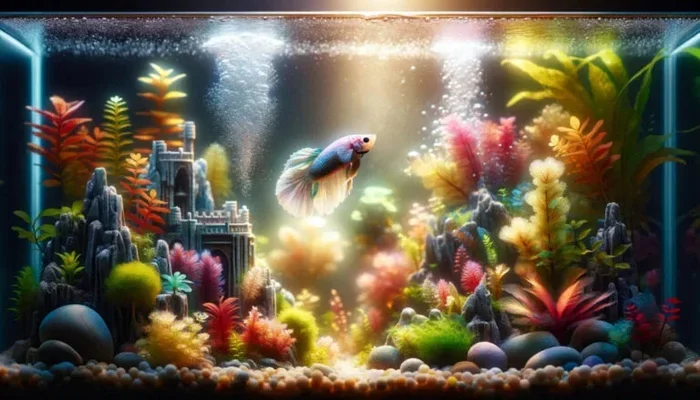
Can You Mix Other Fish with a Betta

Mixing other fish with a betta is possible, but it requires careful planning, the right tank size, and compatible species. Understanding your betta’s temperament, water needs, and the behavior of potential tank mates will help you create a harmonious community tank.
Key Takeaways
- Temperament matters: Male bettas are territorial; females are generally more tolerant.
- Tank size is crucial: A minimum of 20 gallons gives enough space for a betta and peaceful companions.
- Choose peaceful, non‑fin‑nipping species: Small tetras, rasboras, and certain shrimp work well.
- Provide plenty of hiding spots: Plants, caves, and décor reduce stress for all inhabitants.
- Monitor water parameters: Betta‑friendly pH (6.5‑7.5) and temperature (76‑82 °F) must suit every fish.
- Introduce slowly and observe: Use a quarantine or breeding net to watch interactions before full release.
- Not all fish are suitable: Avoid aggressive or fin‑nipping species like guppies or larger barbs.
📑 Table of Contents
Introduction: Why the Question Keeps Coming Up
Betta fish, often called Siamese fighting fish, are famous for their bright colors and dramatic fins. Their reputation as solitary fighters makes many hobbyists wonder, “can you mix other fish with a betta?” The short answer is yes—under the right conditions. But the reality is a bit more nuanced.
In this guide we’ll walk through the science behind betta behavior, the environmental factors that matter, and the best (and worst) tank mates. By the end, you’ll feel confident deciding whether to create a community tank or stick with a solo setup.
Understanding Betta Temperament
Male vs. Female Betta Behavior
Male bettas are naturally aggressive toward other males and often toward any fish that resembles a rival—bright colors, long fins, or fast movements can trigger a response. Female bettas, especially when kept in groups (known as sororities), tend to be less combative, though they can still become territorial if the tank is cramped.
What Triggers Aggression?
- Fin nipping: Fast‑moving fish with flowing tails can be mistaken for a rival.
- Space competition: A small tank forces the betta to defend its domain.
- Water quality: Poor parameters increase stress, making aggression more likely.
Knowing these triggers helps you choose compatible species and set up the tank to minimize conflict.
Tank Size and Setup Essentials
Why Bigger Is Better
One of the most common mistakes is housing a betta in a 2‑gallon bowl and then adding other fish. A 20‑gallon (or larger) tank provides enough horizontal swimming space, reduces territorial lines, and helps maintain stable water conditions.
Filtration, Heating, and Lighting
- Filtration: A gentle sponge filter or low‑flow hang‑on‑back unit keeps water clean without creating strong currents that stress bettas.
- Heating: Keep the temperature steady between 76‑82 °F (24‑28 °C). All tank mates must tolerate this range.
- Lighting: Moderate lighting supports live plants, which double as hiding places.
Decor and Hiding Places
Plants (live or silk), driftwood, and caves break lines of sight and give shy fish places to retreat. This is especially important when you’re testing a new community setup.
Best Tank Mates for Betta Fish
Peaceful Small Tetras
Neon tetras, ember tetras, and celestial rasboras are popular choices. Their small size and mid‑water swimming habit keep them out of the betta’s immediate territory. For example, a group of 6–8 neon tetras in a 20‑gallon tank usually coexists peacefully with a male betta.
Bottom‑Dwelling Species
Corydoras catfish, kuhli loaches, and small plecos stay near the substrate, providing a clear separation from the betta’s vertical space. They also help clean uneaten food, improving overall water quality.
Invertebrates: Shrimp and Snails
Cherry shrimp and nerite snails are excellent because they are too small to provoke aggression yet help with algae control. Just make sure the betta isn’t a fin‑nipper; some bettas will chase shrimp.
What to Avoid
- Guppies – bright tails often trigger attacks.
- Barbs – known fin nippers.
- Goldfish – require much cooler water and produce a lot of waste.
- Other bettas – unless you’re setting up a carefully managed sorority.
Step‑by‑Step Guide to Introducing New Fish
1. Quarantine All New Arrivals
Before any fish meets your betta, keep it in a separate quarantine tank for 2‑3 weeks. This prevents disease transfer and lets you observe its temperament.
2. Acclimate Slowly
Float the new fish’s bag in the betta tank for 15‑20 minutes to match temperature, then gradually add small amounts of tank water to the bag over another 15 minutes. This reduces shock.
3. Use a Breeding Net or Divider
Place the newcomer in a small net or temporary divider for the first 24‑48 hours. Watch the betta’s reaction without risking injury.
4. Observe and Adjust
If the betta shows signs of stress (gill flaring, rapid swimming, hiding), increase hiding spots or consider re‑homing the new fish. Most conflicts appear within the first few hours.
Common Myths Debunked
Myth: Betta Fish Must Live Alone
While many bettas thrive solo, many hobbyists successfully keep them in community tanks. The key is matching temperaments, size, and tank conditions.
Myth: Any Small Fish Is Safe
Size alone isn’t enough. A tiny neon tetra may be safe, but a similarly sized guppy with flowing fins can still provoke a betta.
Myth: Betta Will Never Accept Tank Mates
Some male bettas become remarkably tolerant after a period of adjustment, especially in larger, well‑planted tanks.
Practical Tips for Long‑Term Success
- Regular Water Changes: 25 % weekly keeps nitrate levels low and reduces stress.
- Feed a Varied Diet: High‑quality pellets supplemented with frozen or live foods keep the betta healthy and less likely to hunt.
- Monitor Behavior Daily: Early detection of aggression prevents injuries.
- Consider a “Betta‑Friendly” Community Tank: Look for articles like What Other Fish Can You Put With A Betta for more species ideas.
- Stay Informed: Betta care guidelines evolve; keep up with reputable sources.
Conclusion: Making the Decision
So, can you mix other fish with a betta? Absolutely—provided you respect the betta’s nature, give enough space, and choose the right companions. A well‑planted 20‑gallon tank with peaceful tetras, bottom‑dwelling catfish, and a few shrimp can become a vibrant, low‑stress community that showcases the betta’s beauty without compromising anyone’s safety.
Start small, observe closely, and be ready to adjust. With patience and the right setup, you’ll enjoy a lively aquarium that both you and your betta love.
Frequently Asked Questions
Can a male betta live with other fish?
Yes, a male betta can live with other fish if the tank is large enough (20 gallons minimum) and the companions are peaceful, non‑fin‑nipping species.
What are the safest fish to keep with a betta?
Small tetras, rasboras, and bottom‑dwelling catfish like Corydoras are among the safest choices because they stay out of the betta’s vertical space.
Will a betta attack shrimp?
Some bettas may chase shrimp, especially if they are active hunters. Cherry shrimp are usually tolerated, but monitor the betta’s behavior during the first few days.
Do I need a heater for a community tank with a betta?
Yes. Betta fish thrive at 76‑82 °F (24‑28 °C), and most compatible tank mates require a similar temperature range.
How often should I feed a betta in a community tank?
Feed the betta once or twice daily with a small amount of high‑quality pellets, supplemented with occasional frozen or live foods. Remove uneaten food after a few minutes.
What signs show my betta is stressed with new tank mates?
Look for gill flaring, rapid swimming, constant hiding, or loss of color. These indicate stress and may require rearranging décor or re‑homing the new fish.